How to Inspect Furniture Liquidation Pallets Before Bidding
We paid $850 for a box-damaged sofa lot out of North Carolina only to find three snapped frames and missing hardware. Here is how we inspect furniture manifests today without burning cash.
By Pallet IQ Editorial Team
Published
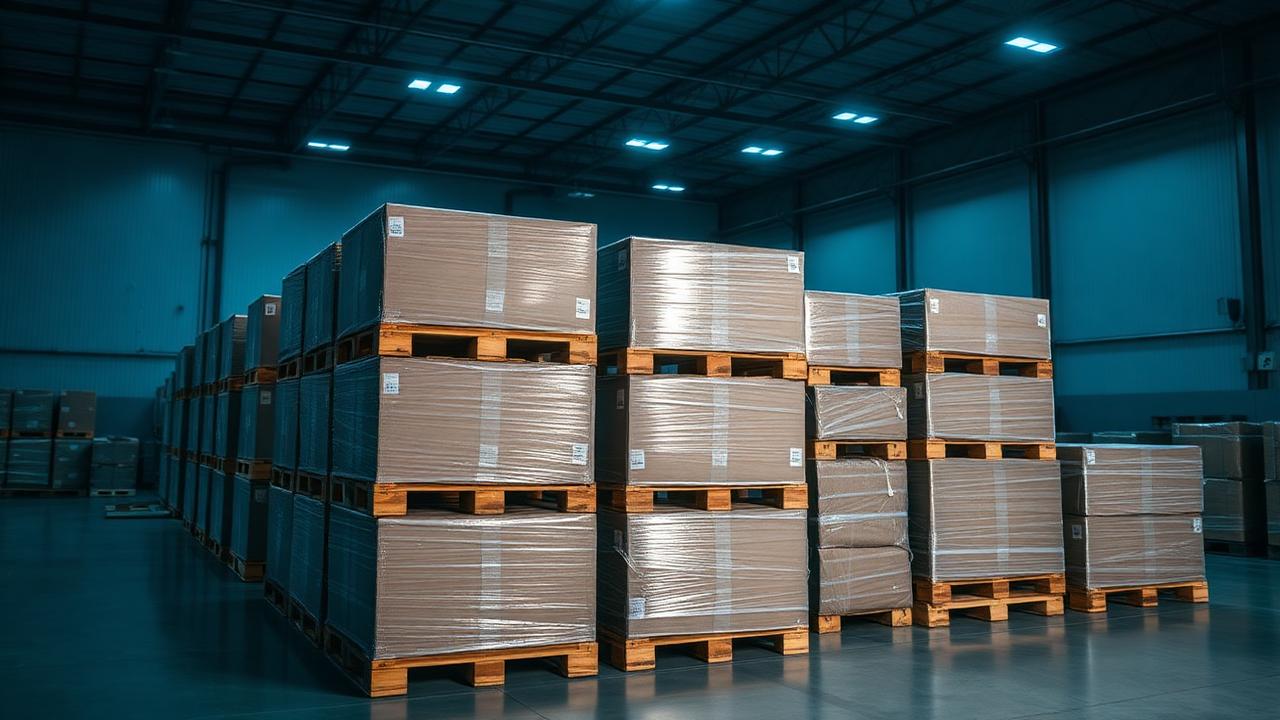 Pallet Inspection
We once took a $1,200 bath on an eight-unit furniture lot out of a Charlotte distribution center. On paper, the manifest listed name-brand sectional sofas and modular desks with an original retail value of $6,400. In reality, freight dropped two crushed pallets on our dock containing three snapped engineered-wood side panels, two missing bolt bags, and a velvet sofa with a eight-inch tear across the main seating cushion. After spending fourteen hours in the shop retrofitting bracket hardware and patching fabric, we barely clawed back our original freight cost.
That loss forced us to build a strict system. Learning how to inspect furniture liquidation pallets is not about hoping for pristine box stock. It is about spotting unlisted structural damage on manifests, reading lot photos like a forensic investigator, and pricing in the labor required to make damaged furniture sellable.
According to the NRF returns research, retail returns across all categories hit hundreds of billions annually, with bulky home goods leading the pack for customer remorse. When consumers return flat-pack bookcases or modular tables, standard retail fulfillment centers do not re-box them. They stack them on oversized pallets, wrap them tight, and send them to wholesale liquidation platforms. If you do not audit those lots properly before placing a bid, you are buying someone else's broken debris.
The Three Physical Indicators on Furniture Manifest Photos
When you review customer-return furniture lots on marketplaces like B-Stock or Liquidation.com, your first defense is lot photograph analysis. Liquidators usually dump four to six wide-angle photos taken under harsh warehouse fluorescent lights. Look closer.
First, check the corners of the outer corrugated boxes. Engineered medium-density fiberboard (MDF) splits at the corners whenever a box is dropped flat. If you see crushed or rounded box corners secured with clear packing tape, the inner panels are almost certainly cracked across the cam-lock holes. Solid wood can survive a drop. Particleboard turns into worthless grey powder.
Second, inspect the shrink-wrap tension. Tight, transparent stretch wrap that sits flush against rectangular boxes indicates intact factory packaging. Bulging, double-wrapped, or hazy stretch wrap means the pallet was pulled apart, partially inspected by warehouse staff, and hand-wrapped back together. When a pallet has been re-wrapped, hardware bags frequently slip out through the bottom corners.
Third, watch for secondary carrier sticker layers. If a pallet exhibits three or four shipping labels stacked over each other, that lot has moved between at least two regional consolidation centers. Every extra leg on a flatbed trailer doubles the chance of internal leg shearing and veneer scratching.
Structural Material Grading and Recovery Expectation
Not all furniture stock converts to cash at the same rate. Understanding material composition dictates your target margin. Before putting down money, check our liquidation glossary if you need to clarify terms like manifest condition grades or salvage lots.
According to our internal recovery rate report, furniture as a broader category generates average secondary market recoveries of 20-35% of original retail price. However, that figure swings wildly based on material type and structural condition.
- Solid Hardwood (Oak, Walnut, Pine): High recovery range (35-50%). Heavy frames withstand freight transit. Surface scratches are easily fixed with stain pens or quick sanding.
- Upholstered Seating (Couches, Recliners, Accent Chairs): Moderate recovery range (20-30%). Highly vulnerable to tears, stained fabric, and crushed internal springs during transit.
- Flat-Pack MDF & Particleboard: Low recovery range (10-20%). High structural failure rate, high assembly labor demands, and frequent missing hardware fasteners.
- Commercial Steel & Office Goods: Moderate recovery range (25-35%). Sturdy frames, but deep powder-coat scratches depress buyer price expectations quickly.
If a manifest consists of 80% particleboard flat-pack items from direct-to-consumer catalog brands, cut your bid threshold down. The labor hours needed to inventory micro-hardware hardware will drain your margins.
Calculating Freight and Accessorial Surcharges
Furniture pallets carry high freight penalties because of volume and weight. A standard general merchandise pallet sits on a 48x40 inch footprint and stands 48 inches tall. Furniture pallets frequently use 96x48 inch double-pallet footprints or extended skids, which immediately triggers dimensional weight billing.
Before bidding, get accurate freight numbers. Carriers like FedEx Freight calculate tariffs based on freight class and required drop-off services. If your warehouse lacks a dedicated loading dock, standard carriers bill extra for accessorials:
- Liftgate Fee: $50-$75 per delivery.
- Residential Delivery Fee: $50-$100.
- Limited Access Surcharge (Storage facilities, farm structures): $30-$60.
- Overlength Fee (Pallets exceeding 80 inches): $75-$150.
Run your numbers through a dedicated shipping cost calculator before placing a bid on distant lots. A $350 winning bid quickly becomes a $900 delivery bill if long-pallet accessorial fees catch you off guard.
Worked P&L: Target Return on a Mixed Furniture Pallet
Let us walk through a concrete purchase scenario. You are bidding on a single extended pallet containing six returned furniture items sourced from a major retail chain. The manifest lists an original retail value of $2,800.
Here is how the real ledger breaks down when you factor in actual inspection findings, minor shop repairs, and marketplace take rates:
- Manifest Retail MSRP: $2,800
- Winning Auction Bid: $380
- LTL Freight Cost (320 miles): $240
- Liftgate Accessorial Fee: $50
- Total Landed Cost Basis: $670
Now look at the actual inventory inspection upon arrival:
- Item 1: Dining Table (Solid Oak) - Minor leg scratch. Resale Value: $350
- Item 2: Velvet Accent Chair - Clean condition. Resale Value: $140
- Item 3: 5-Shelf MDF Bookcase - Snapped corner panel. Salvage / Trash: $0
- Item 4: Office Task Chair - Missing adjustment lever. Resale Value: $45
- Item 5: Modular Desk (Flat-pack) - Complete with box wear. Resale Value: $160
- Item 6: Entryway Bench - Damaged cushion fabric. Resale Value: $60
- Gross Expected Revenue: $855
- Resale Platform Fees (10% weighted across local and online): -$85.50
- Hardware Replacement Parts & Wood Stain Supplies: -$35.00
- Net Realized Profit: $64.50
- Realized ROI on Investment: 9.6%
In this real-world scenario, item three was a total write-off, and item six required shop labor. The final return barely justified the floor space occupied in the workshop. If you use a pallet ROI calculator prior to bidding, you can quickly determine that your maximum bid ceiling for this specific lot should have capped out at $220 rather than $380.
To avoid overpaying, test your bid caps on our maximum bid calculator before entering an auction.
Sub-Category Comparison Matrix
Evaluating furniture sub-categories requires balancing structural integrity against warehouse labor requirements.
| Furniture Category | Structural Vulnerability | Average Resale Yield (% MSRP) | Required Repair Skills | Ideal Sales Channel |
|---|---|---|---|---|
| Solid Wood Tables | Low (Surface scratches) | 35-50% | Basic sanding & staining | Local Cash / Facebook |
| Flat-Pack MDF Desks | High (Corner blowouts) | 10-20% | Hardware sourcing / Drill work | Local Discount / Flea |
| Upholstered Seating | Medium (Stains / Tears) | 20-35% | Fabric cleaning / Sewing | OfferUp / Local Outlet |
| Metal Frame Shelving | Low (Bent brackets) | 30-45% | Bending pliers / Paint match | eBay / Local Direct |
| Ergonomic Office Chairs | Medium (Hydraulic failures) | 25-40% | Cylinder replacement | Direct Corporate / Local |
How This Goes Wrong: The Missing Cam-Lock Trap
The absolute worst failure mode in furniture liquidation reselling is the unmanifested incomplete unit. It destroys your hourly margin faster than damaged wood.
Here is the exact pattern: You win a double-pallet lot of flat-pack bedroom furniture. You unwrap a 110-pound master carton for a king-size platform bed frame. The wood panels look crisp. You list the item online as open-box stock.
Three days later, a local buyer brings the box home, opens it up, and finds out that Bag C containing twelve specialized metric cam-lock fasteners and four custom steel corner brackets is completely missing. The customer demands an immediate refund and leaves negative feedback. You now have a 110-pound box of loose particleboard sitting on your warehouse floor that you cannot re-sell complete.
Never list flat-pack furniture items as complete without physically opening the interior hardware bags or verifying factory blister pack seals. If the hardware pack is opened, you must spend twenty minutes cross-referencing parts against the manual count list. If specialized proprietary brackets are missing, the item transitions immediately to scrap salvage. Factor this labor time into your process when deciding should I buy this pallet.
When units pass structural inspection, streamline your resale workflow by feeding verified item details directly into our listing generator to produce clear, accurate local and online product listings.
How do you test hydraulic mechanisms on liquidated office chairs?
Use a portable bench press or heavy hand pressure on the seat cushion while pulling the side actuation lever. If the gas cylinder drifts downward under static pressure over a two-minute window, the cylinder seal is blown. Replacement universal pneumatic cylinders cost $12-$18 online and take ten minutes to swap out with a pipe wrench.
What local marketplace yields the highest margin for bulky liquidated furniture?
Facebook Marketplace delivers the highest net returns for bulky furniture because buyers pick up items directly from your dock, eliminating shipping cost overhead entirely. High-end solid wood pieces can also be cross-listed locally on Craigslist or OfferUp for cash-on-delivery transactions.
Should I attempt to re-box damaged flat-pack furniture before reselling?
No. Re-boxing flat-pack items in generic corrugated cardboard takes up to forty minutes per item and burns expensive packing materials. Inspect the parts, place loose hardware into labeled zip-top bags, tape the original box securely with heavy-duty 3-inch filament tape, and sell the unit locally as an inspected open-box return at a clear discount.
Pallet IQ Editorial Team
We buy, grade and resell liquidation pallets, then turn what we learn into the tools on Pallet IQ. Every guide here comes from real manifests, real bids and real sell through numbers.
Written November 17, 2026