How to Inspect Grocery Liquidation Pallets
A leaking bottle of organic syrup can ruin an entire lot. Here is how we inspect grocery liquidation pallets to protect margins and avoid trash.
By Pallet IQ Editorial Team
Published · Updated
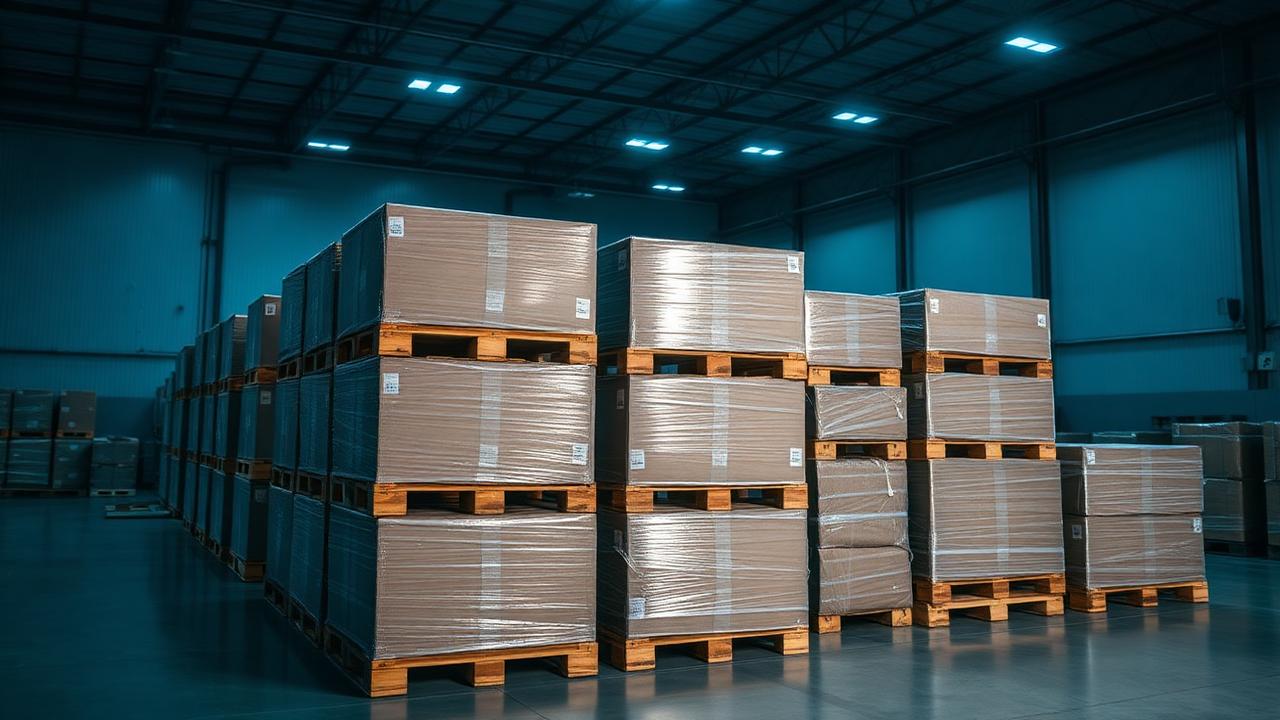 Pallet Inspection
We once unloaded a 48-by-40 pallet in the humid July heat behind a shop in Decatur, Georgia. The smell hit us before the shrink wrap came off. A single shattered jug of commercial vanilla syrup had leaked through three tiers of corrugated boxes, gluing six cases of specialty coffee pods into a sugary brick. We paid $410 for the lot and $285 for LTL freight. By the time we sorted the unsalvageable rot, our profit margin had vanished directly into a commercial dumpster.
Learning how to inspect grocery liquidation pallets is the only firewall between a profitable discount operation and a costly cleanup bill. Shelf-stable food and consumer packaged goods carry stricter rules, shorter lifespans, and harsher regulatory oversight than apparel or electronics. When you buy grocery overstock or salvage inventory, you are trading low unit acquisition costs for strict inspection discipline.
According to recent NRF consumer returns research, retail returns and supply chain rejections continue to flood wholesale channels. Retail giants offload distressed food inventory through platforms like B-Stock and regional liquidators like Discount Wholesalers Inc. If you buy these lots blind, you will burn cash. If you know where to look, grocery salvage offers some of the fastest sell-through rates in the reselling business.
What to Look For When You Inspect Grocery Liquidation Pallets
Grocery inspection starts before you touch a single box. When a pallet arrives at your dock or bay, check the structural integrity of the load immediately. A lean of more than five degrees usually means internal box collapse caused by liquid damage or crushed bottom layers.
Here are the four physical flags we look for the moment a truck gate drops:
- Dark staining or soggy cardboard at the bottom corners of the pallet stack.
- White powdery residue or fine grain trails along the runner boards, which signals broken flour sacks or pest activity.
- Swollen or bulging cans, which indicates bacterial gas production and an immediate health hazard.
- Mixed lot labels that obscure original retailer expiration dates or Julian production codes.
Never accept a pallet from a driver without noting visible crushing, wetness, or broken bands on the bill of lading. Once you sign that paper clear, the freight carrier is off the hook for transit damage, and the loss lands entirely on your ledger.
Understanding Expiration Dates and Code Dates
Food products use several distinct dating systems. Confusing a safety date with a quality date is the quickest way to dump good inventory or accidentally break local health codes.
Expirations fall into three main categories:
- Use By dates. These are hard safety limits set by manufacturers, commonly found on baby formula, liquid nutrition, and prepared goods. Never sell anything past its Use By date.
- Best If Used By dates. These represent peak flavor and quality windows defined by the manufacturer. In most states, shelf-stable goods past their Best By date remain legal to sell, though you must discount them heavily and disclose the date clearly.
- Sell By dates. Retail stores use these codes for stock rotation. Products past their Sell By date often have months of viable consumer life remaining if the packaging seals stay intact.
Step-By-Step Process to Inspect Grocery Liquidation Pallets
Once the load is inside your space, follow a rigid intake sequence. Do not rip off all the shrink wrap at once. Unwrapping an unbalanced liquidation pallet can send fifty pounds of canned black beans crashing onto your concrete floor.
Step 1: Manifest Verification
Cross-reference the physical freight tags with your original packing slip. Run the manifest list through a manifest analyzer to spot high-risk items like glass bottles or short-dated dairy substitutes before you open the stack. Liquidators frequently substitute similar SKUs when building mystery or mixed-grocery lots.
Step 2: Top-Tier Strip
Remove the top layer of stretch wrap, keeping the lower bands intact to support the load. Inspect the top boxes for box-cutter slices. Warehouse workers frequently slice into the top row of product when opening master cartons, puncturing bag-in-box liquids or cereal liners.
Step 3: Core Temperature and Moisture Checks
Reach into the middle of the pallet stack. Feel for humidity or damp cardboard. Liquid leaks inside a wrapped pallet create a microclimate that grows black mold rapidly in warm warehouses. If the core smells musty or sweet, stop and gear up with gloves and masks before breaking down the lower tiers.
Step 4: Sorting by Condition Tier
Sort every single item into three distinct bins as you break down the load:
- Tier A: Pristine condition, full retail packaging, minimum 90 days before Best By date. These go directly to e-commerce channels or primary retail shelves.
- Tier B: Minor cosmetic box dents, intact inner seals, 30-80 days before Best By date. These belong in local discount bins or bundled discount lots.
- Tier C: Compromised outer boxes, dirty labels, or less than 30 days of shelf life. These move instantly through quick cash-and-carry sales or go straight to disposal.
Real World P&L: A 420-Unit Mixed Shelf-Stable Lot
Let us look at a real-world sourcing scenario from a 420-unit dry grocery lot pulled from a regional distribution center. This load contained mixed coffee pods, specialty sauces, grain boxes, and organic snacks.
Cost Basis:
- Winning auction bid: $340.00
- LTL freight charge: $195.00
- Liftgate accessorial fee: $65.00
- Residential/limited access surcharge: $45.00
- Total Landed Cost: $645.00
Inspection Sorting Breakdown:
- Tier A (Clean, long-dated): 230 units (54.7% yield)
- Tier B (Dented boxes, short-dated): 110 units (26.2% yield)
- Tier C (Leakers, expired, crushed): 80 units (19.1% write-off)
Resale Execution:
We listed Tier A items in multi-packs on local marketplaces and regional discount networks. Tier B items moved through a weekend cash table at a local flea market. Tier C items were discarded.
- Tier A gross sales: $805.00
- Tier B gross sales: $275.00
- Gross Revenue: $1,080.00
- Platform and payment fees: $42.00 (calculated using a marketplace fee calculator)
- Net Revenue: $1,038.00
- Net Profit: $393.00 ($1,038.00 minus $645.00 total landed cost)
- Realized ROI: 60.9%
You can run your own numbers before placing a bid by using a dedicated pallet ROI calculator. Notice how a 19% toss rate still yielded a solid return because we calculated our bid limit around a realistic 80% usable yield rather than assuming a perfect manifest.
Grocery Liquidation Grades vs Realized Recovery
The liquidation industry uses loose grading definitions. What one broker calls overstock, another calls distressed salvage. Here is how category recovery rates actually break down based on historical industry benchmark numbers from our recovery rate report.
| Grade | Typical Defect Rate | Average Expiration Window | Primary Resale Channel | Realized Recovery Range |
|---|---|---|---|---|
| A Grade Overstock | 2-5% | 6-12 months | E-commerce / Discount Retail | 35-50% |
| B Grade Customer Returns | 10-20% | 2-6 months | Local Flea / Facebook Marketplace | 20-35% |
| C Grade Salvage | 25-45% | Under 60 days | Cash & Carry Bins / Bundles | 10-20% |
| D Grade Warehouse Pulls | 50%+ | Mixed or Expired | Scrap / Disposal | 0-10% |
How This Goes Wrong: The Expiration Cascade
The most dangerous failure mode in grocery resale is the expiration cascade. It happens when a reseller buys a lot with an average expiration window of 45 days, but underestimates their own intake and processing timeline.
Suppose your pallet takes seven days in transit. It sits in your staging area for five days while you clean up from the previous week. Listing, photo work, and local buyer pickup take another fifteen days. By the time a customer buys the product, there are only eighteen days left on the label.
The customer inspects the date code, feels ripped off, and demands a full refund. You absorb the return shipping cost or give a cash credit, while the inventory sitting in your room ticks past its date entirely. You paid freight to move trash into your own workspace.
To prevent the expiration cascade, never buy short-dated inventory unless your distribution channel is ready to move units within seventy-two hours of delivery. If you lack immediate local foot traffic or an established buyer list on Facebook Marketplace, step away from short-dated lots entirely.
Final Takeaway on Grocery Manifests
Grocery liquidation rewards speed, cold math, and aggressive inspection. Never bid on a lot under the assumption that every unit on the manifest will arrive clean and sellable. Factor in an automatic 15-20% loss rate for dry goods and a 25-30% loss rate for bottled liquids.
Before you place your next bid on a wholesale lot, walk through our comprehensive buying decision guide to verify your margins. Knowing how to inspect grocery liquidation pallets properly ensures you only pay for inventory that actually turns into cash.
Can you legally sell expired food from liquidation pallets?
Federal law in the United States permits the sale of shelf-stable food past its Best If Used By date, provided the product remains wholesome and fit for consumption. However, baby formula and certain infant foods are strictly regulated and cannot be sold past their expiration date. Always check state and local health department codes, as local regulations vary widely.
How do you spot pest contamination on a wrapped pallet?
Look closely at the bottom wooden runners and the lower cardboard corners. Pests chew tiny holes in master cartons, leaving fine cardboard dust or spilled grains along the shrink wrap seams. If you spot dark webbing, droppings, or chewed inner plastic bags, quarantine the entire pallet immediately to protect the rest of your warehouse inventory.
What marketplace is best for reselling shelf-stable grocery items?
Local cash-and-carry venues, flea markets, and hyper-local online platforms move shelf-stable grocery items faster than long-distance e-commerce channels. Shipping individual cans or heavy glass jars quickly eats up your profit margin in postage fees. Local buyer pick-ups and bundled multi-packs eliminate shipping expenses and minimize transit breakage.
Pallet IQ Editorial Team
We buy, grade and resell liquidation pallets, then turn what we learn into the tools on Pallet IQ. Every guide here comes from real manifests, real bids and real sell through numbers.
Written September 7, 2026, last reviewed October 19, 2026