Inspecting Costco Liquidation Pallets: A Field Guide
Looking at low wholesale prices on Costco returns is easy, but finding broken appliances and missing parts before bidding takes a systematic inspection framework.
By Pallet IQ Editorial Team
Published · Updated
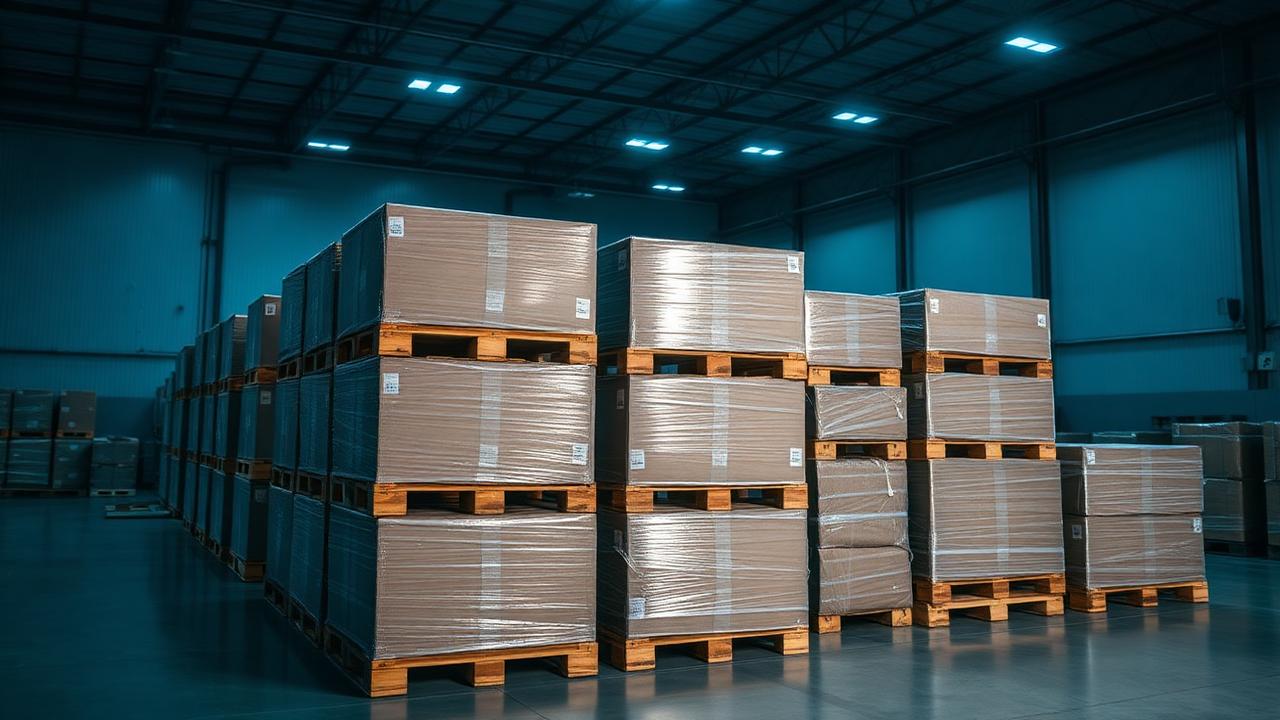 Pallet Inspection
We paid $1,400 for a skid of raw customer returns out of a regional distribution center (RDC) in Groveport, Ohio. Big mistake. Half the Ninja blenders were missing pitchers, and three DeLonghi espresso machines had smashed water reservoirs. We cleared less than $800 after marketplace fees and freight. Retail returns are a massive business, with NRF consumer return estimates topping hundreds of billions annually. But knowing how to inspect costco liquidation pallets before you click bid is the only thing standing between a healthy 30% margin and a warehouse full of plastic scrap.
Costco is famous for its generous return policy. Members bring back items six months after purchase simply because they changed their mind. That policy generates incredible resale inventory, but it also creates a wild variance in load condition. Some skids contain pristine shelf-pulls with minor box damage. Others hold heavily abused floor models stripped of power cords. If you bid blindly on retail markdowns without auditing the manifest and freight terms, you will burn capital fast.
Red Flags to Spot When You Inspect Costco Liquidation Pallets
When sourcing through official channels like B-Stock auctions, you rely heavily on photographic evidence and manifest notes. Do not just skim the main photo. Zoom in on the corners, look at the wrapping, and study the sticker placement.
- Opaque black stretch film: Liquidators wrap pallets in dark film for two reasons: securing uniform loads or hiding crushed boxes. A black-wrapped skid with no manifest is a gamble you should skip.
- Return Merchandise Authorization (RMA) stickers: Look for yellow or red warehouse stickers stuck directly on retail boxes. High volumes of handwritten return notes usually indicate actual customer abuse rather than simple buyer remorse.
- Crushed bottom layer boxes: Heavy items like cast iron cookware or pressure washers stacked at the bottom of a skid can crush lower cartons. Crushed cartons mean damaged internal components.
- Taped box lids: Original factory tape is straight and smooth. Overlapping clear packing tape means a customer opened the box, pulled out parts, and stuck it back together.
How to Inspect Costco Liquidation Pallets via Manifests
Manifests give you raw data, but raw data lies if you take MSRP at face value. A manifest listing a $400 retail value on a two-year-old air purifier model means nothing if eBay sellers offer it new-in-box for $180. Run line items through a manifest analyzer to compare listed MSRP against actual historical clearance pricing.
Assign standard condition grades to every line item on the sheet:
- Grade A (Like-New / Open Box): Complete accessories, original box present, light outer box handling. Expect a 40-50% recovery rate against original retail.
- Grade B (Tested Working / Light Wear): Outer carton damaged or missing, cosmetic scuffs, non-essential accessories missing. Expect a 25-35% recovery rate.
- Grade C (Heavy Wear / Missing Parts): Missing essential cords, deep scratches, needs cleaning or light repair. Expect a 15-25% recovery rate.
- Grade D (Salvage / Parts Only): Cracked housing, non-functional electronics, stripped gears. Expect a 5-10% recovery rate.
Category dictates your overall baseline recovery. Category yields vary widely across the secondary market: electronics typically return 25-40%, tools yield 30-45%, and softlines like apparel pull 8-15%. You can check detailed historical benchmarks in our category recovery report. If a manifest mixes high-margin hardlines with low-margin apparel, evaluate the lot based on the lowest common denominator.
Costco Liquidation Lot Types Compared
Different product categories coming out of Costco distribution centers carry vastly different risk profiles. Here is how the three main truckload and lot categories compare.
| Category | Category Recovery Rate | Common Defect Types | Resale Velocity |
|---|---|---|---|
| Small Appliances | 25-40% | Missing cords, water spots, broken glass lids | High (eBay, Mercari) |
| General Hardlines | 30-45% | Damaged outer cartons, missing mounting hardware | Moderate |
| Apparel & Softlines | 8-15% | Missing tags, pulled threads, wrong sizes in bag | Slow (Local bundles) |
Worked P&L: A Real Costco Appliance Lot
Let's walk through an actual evaluation of a 42-unit small kitchen appliance pallet sourced from a liquidation facility in Morrisville, North Carolina.
The manifest shows an aggregate original MSRP of $6,200 across vacuum cleaners, high-end blenders, and countertop toaster ovens. The current top bid on the portal is $1,150.
First, calculate freight costs. Shipping this 450-pound skid 380 miles via Less-Than-Truckload (LTL) carrier costs $245 base freight. Add accessorial charges: a $65 liftgate fee because our warehouse lacks a loading dock, plus a $75 residential/limited-access fee. Verify these rates using a freight cost calculator or consult FedEx Freight accessorial rates.
Total Freight = $245 + $65 + $75 = $385. Total Cost Basis = $1,150 bid + $385 freight = $1,535.
Now, project realistic gross sales. Based on a Grade B/C mix, we project a conservative 32% average recovery rate against MSRP, giving us $1,984 gross revenue. Out of 42 units, expect 4 units to be unsellable junk (a 10% scrap rate), leaving 38 sellable items.
Next, factor in platform fees. Selling 38 units on eBay with standard eBay seller fees averaging 13.25% plus a $0.30 fixed fee per order costs $274.40. Calculate exact category fee splits with a marketplace fee calculator. Assuming buyers pay calculated outbound shipping, your fee overhead is strictly platform cut and transaction charges.
Gross Resale: $1,984.00 Platform Fees: $274.40 Net Revenue: $1,709.60 Cost Basis: $1,535.00 Net Profit: $174.60 ROI: 11.37%
Decision: PASS. Spending $1,535 to make $174.60 leaves zero room for error. One broken $200 espresso machine wipes out your profit. Plug the numbers into a maximum bid calculator or a pallet ROI calculator to find your target bid ceiling. To earn a target profit of $450 on this lot, your maximum bid should not exceed $820. Before placing any bid, run through our comprehensive pallet buying guide to verify your risk margin.
How This Goes Wrong: Common Inspection Blind Spots
Even experienced buyers get caught off guard by subtle inventory tricks. The most frequent failure mode is accessory stripping. A customer buys a $500 robot vacuum, keeps the charging base and virtual wall sensors, and returns only the outer shell. The manifest lists "Robot Vacuum - Grade B", but without the dock, the unit is practically useless.
Another hidden trap is dimensional weight shipping spikes. Selling heavy or bulky items like portable air conditioners requires massive shipping boxes. If you do not account for dimensional weight pricing, outbound shipping costs will destroy your net margin when listing on distant buyer zones.
Finally, watch out for double-brokered skids. When third-party sellers buy manifest lots from primary liquidators, remove the top 10% high-value tech, re-wrap the pallet in clear film, and re-list it, you are buying pure scrap. If you run across terms you do not recognize during your manifest review, check our liquidation glossary to decipher carrier and warehouse shorthand.
Final Inspection Protocol
Never rush a bid deadline. Review the manifest, calculate exact LTL freight accessorials, deduct platform fees, and build in a 10% scrap allowance. Once you master how to inspect costco liquidation pallets, your bid accuracy improves, your loss rate drops, and your resale business stays in the black.
Can I inspect Costco liquidation pallets in person before bidding?
Most official Costco liquidation auctions take place online through contract liquidators, meaning physical in-person inspections prior to bidding are rarely allowed. However, local liquidation warehouses in select cities may buy full truckloads and permit walk-in buyers to inspect wrapped skids on the warehouse floor before purchasing.
What is the average recovery rate on Costco customer return pallets?
Average recovery rates range between 25% and 40% of original retail MSRP for small appliances and general hardlines. Higher-grade open-box lots can reach 45-50%, while softlines like apparel and bedding generally recover 8-15%.
Why are some Costco liquidation pallets wrapped in black stretch film?
Black stretch film is used by warehouses to consolidate irregular boxes, prevent theft during LTL transport, or obscure skid contents on unmanifested salvage lots. Bidders should apply a higher discount factor to black-wrapped lots due to the inability to visually audit internal box conditions.
Pallet IQ Editorial Team
We buy, grade and resell liquidation pallets, then turn what we learn into the tools on Pallet IQ. Every guide here comes from real manifests, real bids and real sell through numbers.
Written September 6, 2026, last reviewed October 19, 2026