How to Inspect 888 Lots Pallets Before Bidding
Raw manifests can lie if you rely on automated profit estimates. Here is how we inspect 888 Lots pallets line by line to protect cash flow.
By Pallet IQ Editorial Team
Published · Updated
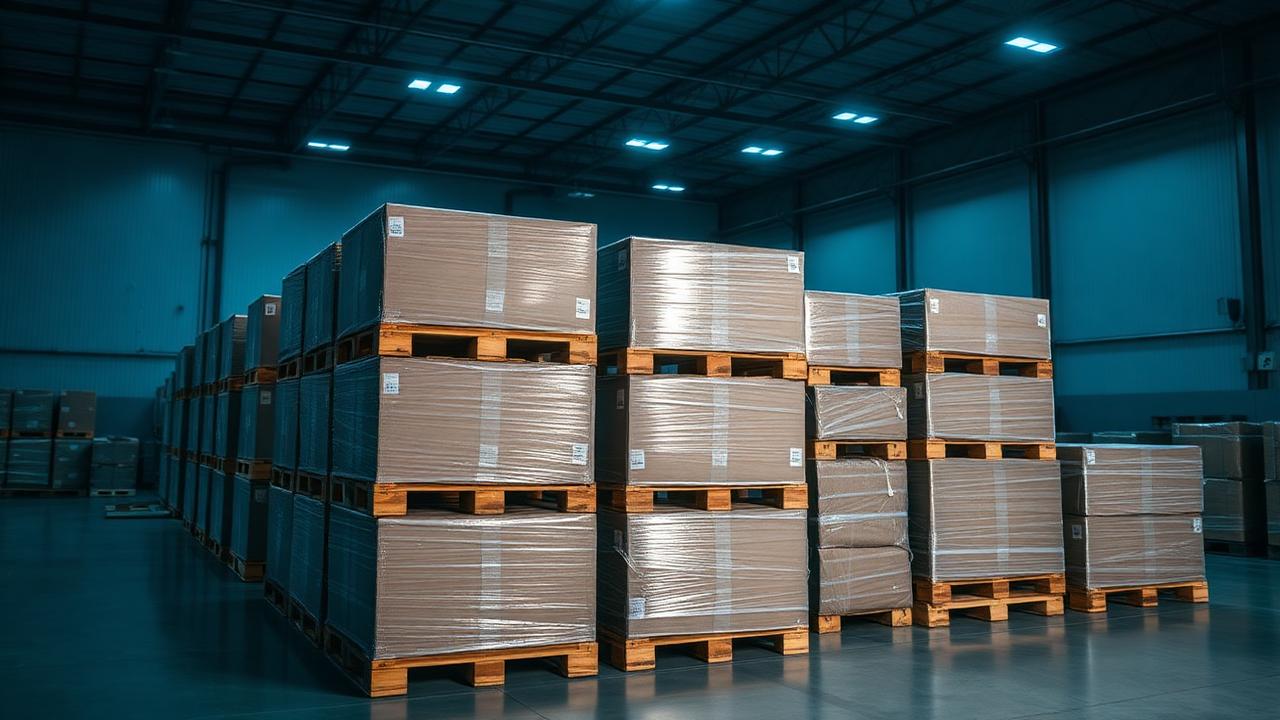 Pallet Inspection
Three years ago, I pulled the trigger on a $1,850 tech lot out of a regional distribution center in New Jersey. The manifest listed 42 Amazon return units with a total estimated retail value of $6,200. On paper, it looked like a clean 50% profit margin after fees. When the freight truck dropped the skid in my driveway, twelve boxes were completely crushed, three expensive wireless routers were missing their power cords, and four items belonged to restricted brand categories I could not sell on my main account. That loss hurt. Learning how to inspect 888 lots pallets before placing your bid is the single best way to protect your working capital from bad inventory runs.
Sourcing inventory from 888Lots gives you access to detailed manifest spreadsheets filled with ASINs, UPCs, unit counts, and projected profit estimates. But automated seller data is built on best-case scenarios. If you blindly accept their built-in margin projections without doing line-item verification, you are setting money on fire.
Evaluating Manifests: How to Inspect 888 Lots Pallets Prior to Bidding
When you download a raw CSV manifest from a liquidation vendor, your first move is to ignore the gross MSRP column. Original retail prices mean almost nothing if an item is obsolete, gated by brand owners, or physically destroyed inside the box. According to the NRF returns research, retail returns generated over $743 billion in merchandise total volume, with customer returns frequently suffering from missing accessories, damaged seals, or swapped parts.
Start by pulling every ASIN or UPC into a dedicated spreadsheet or a bulk manifest analyzer. Look at historical sales velocity rather than the current list price. A smart home hub with an MSRP of $199 that sells twice a year on eBay is dead weight, not active inventory value.
Category recovery benchmarks should dictate your maximum bid ceiling:
- Consumer Electronics: 25-40% of original retail price
- Home & Small Appliances: 30-45% of original retail price
- Apparel & Accessories: 8-15% of original retail price
- Hand Tools & Hardware: 35-50% of original retail price
Our internal recovery rate report shows that mixed return manifests consistently carry a 15-20% junk rate. Junk rate refers to items that are outright broken, unmanifested lower-value swaps, or empty packages. When modeling your expected returns, multiply your calculated market value by 0.80 straight away to build a safety buffer for missing parts and unsellable units.
How to Inspect 888 Lots Pallets Upon Freight Delivery
Physical inspection starts long before you cut the shrinkwrap off the wooden skid. When the truck backs into your dock or lowers the liftgate in your driveway, inspect the exterior packaging while it is still on the truckbed.
If you see torn plastic, crushed bottom corners, or loose boxes stacked outside the pallet footprint, make a clear note on the driver's Bill of Lading (BOL). Take five sharp photos of the lot from all four angles. Freight carriers will reject damage claims instantly if you sign a clean delivery receipt without documented exterior notes.
LTL shipping costs add up quickly. Standard linehaul rates run between $0.80 and $2.50 per mile depending on fuel surcharges and freight class. Accessorial fees will destroy your profit margins if you do not budget for them upfront. Adding a liftgate service costs $50-$75, residential delivery adds $50-$100, and limited-access locations like storage units cost $30-$60 extra. Check carrier rules with FedEx Freight or run your numbers through a shipping cost calculator before confirming your auction limit.
Once the skid is inside your facility, break down every carton systematically using a standard condition code:
- Grade A (New/Overstock): Factory sealed box, untouched contents, complete accessories.
- Grade B (Like New Return): Open box, minor outer wear, fully operational, all core cables present.
- Grade C (Used/Damaged Packaging): Scratched housing, missing manual or minor hardware, requires deep testing.
- Grade D (Salvage/Parts Only): No power response, cracked housing, parted-out internal components.
Channel Fee Structures vs Liquidation Inspection Risk
Different sales channels demand different inspection standards. A Grade B appliance might sell on eBay with clear photos, but sending that same open-box unit to Amazon FBA will trigger customer complaints and seller account warnings.
| Resale Channel | Standard Fee Structure | Ideal Inventory Grades | Inspection Risk Level |
|---|---|---|---|
| Amazon FBA | ~15% category fee + storage/fulfillment | Grade A (New Overstock only) | High (Strict buyer performance metrics) |
| eBay | ~13.25% + $0.30 per order | Grade A, B, C (New, Open Box, Parts) | Medium (Detailed condition listings required) |
| Mercari | 10% flat seller fee | Grade B, C (Small electronics, home goods) | Low-Medium (Photos resolve buyer disputes) |
| Facebook Marketplace | 5% online or 0% local cash pickup | Grade B, C, D (Heavy items, local pickup) | Low (As-is local cash transaction) |
A Real P&L Example: Analyzing an 888 Lots Manifest
Let us work through the full math on a representative 45-unit small appliance lot sourced out of an 888 Lots distribution center.
- Manifest Listed MSRP: $4,850.00
- Winning Auction Bid: $1,100.00
- LTL Freight (380 miles): $220.00
- Accessorials (Liftgate + Residential Delivery): $125.00
- Total Landed Cost Basis: $1,445.00
Now let us apply realistic inspection adjustments after receiving and testing the shipment:
- Grade A (15 units): Resells at 65% MSRP = $1,170.00 gross revenue
- Grade B (18 units): Resells at 45% MSRP = $810.00 gross revenue
- Grade C (7 units): Resells at 25% MSRP = $175.00 gross revenue
- Grade D / Broken (5 units): $0.00 gross revenue (salvage)
Total Estimated Gross Sales: $2,155.00
Now we subtract platform fees and transaction costs:
- Marketplace fees (~13.25% + $0.30 via eBay seller fees): $299.00
- Outbound customer shipping ($8.50 average across 40 shipped items): $340.00
- Packaging materials and boxes ($1.20 per order): $48.00
- Total Resale Expenses: $687.00
Net Profit Calculation:
- Gross Receipts: $2,155.00
- Minus Resale Expenses: -$687.00
- Net Realized Revenue: $1,468.00
- Minus Landed Cost Basis: -$1,445.00
- Net Profit: $23.00
This specific lot is a cash trap. Despite the manifest looking attractive at first glance, high freight accessorials and realistic return rate deductions shrank the final return down to almost zero. Running this scenario through a marketplace fee calculator and a pallet ROI calculator prior to bidding prevents you from tying up $1,445 for a tiny $23 payout.
How This Goes Wrong: The Automated Listing Trap
The most common failure mode when learning how to inspect 888 lots pallets is relying entirely on automated listing software and pre-populated catalog data. Beginners download the manifest, upload the ASINs straight into bulk listing tools, and ship items off to fulfillment centers without physically opening boxes to verify serial numbers or power accessories.
When you ship uninspected return inventory directly to Amazon FBA, customer return rates spike past 15%. Buyers receive a toaster missing its crumb tray or a bluetooth speaker containing someone's old warranty return. Amazon flags your seller account for Item Not as Described, reserves your funds, and charges return processing fees.
Always check brand restriction rules before bidding. Brand owners frequently lock down listings on platforms like Amazon (Amazon referral fees). If you buy a pallet containing 20 Sony headphones and find out your seller account is gated for Sony, your expected 40% margin collapses as you pivot to lower-traffic resale channels.
Before placing any bid, review our comprehensive buying decision guide to ensure your processing space, cash flow, and account permissions match the inventory grade you are target bidding on.
Are 888 Lots profit estimates accurate?
No. The automated profit estimates shown on raw manifests use standard retail list prices and assume every unit is in brand-new condition. They do not account for seller fees, freight accessorials, or broken/missing customer return parts. Always calculate your own landed cost basis.
What should I do if my manifest has missing items?
Document every discrepancy as you unpack the skid. Compare the physical units and serial numbers against the official invoice. Take high-resolution photos of missing or mis-manifested items immediately, and submit a formal claim with 888 Lots customer support within their specified claim window.
How do I calculate total landed cost before bidding on 888 Lots?
Take your maximum auction bid and add estimated LTL freight charges, fuel surcharges, liftgate fees, residential delivery fees, and local sales tax. Divide this total dollar amount by the number of usable units on the manifest to get your true cost basis per unit.
Knowing how to inspect 888 lots pallets gives you a decisive advantage over casual buyers who bid purely on gross MSRP figures. Put in the prep work, calculate your true freight cost, audit every line item, and protect your working capital.
Pallet IQ Editorial Team
We buy, grade and resell liquidation pallets, then turn what we learn into the tools on Pallet IQ. Every guide here comes from real manifests, real bids and real sell through numbers.
Written November 2, 2026, last reviewed November 16, 2026