Apparel Liquidation ROI: Calculator Guide for Clothing Lots
We bought a 400-piece clothing lot expecting $12,000 in MSRP, only to find 60 items went straight to the trash. Here is how to calculate true net ROI on apparel pallets before you bid.
By Pallet IQ Editorial Team
Published · Updated
 Pallet Buying
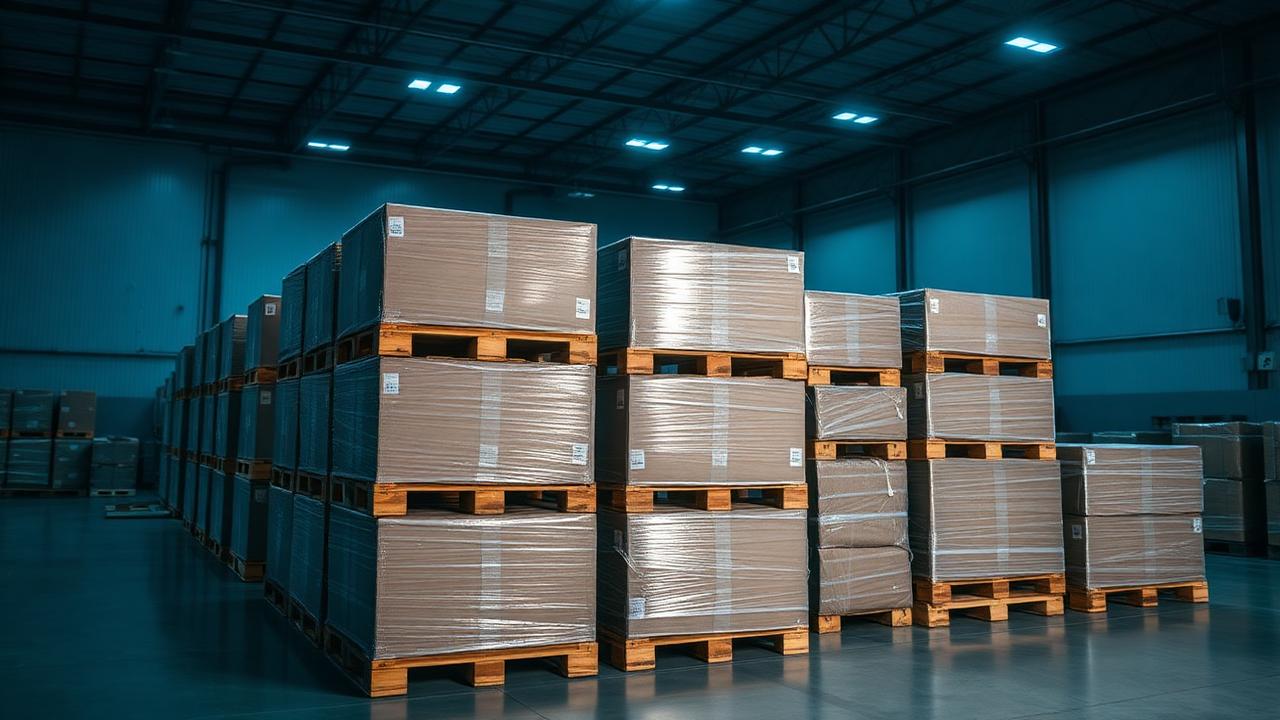
Three hundred pairs of designer jeans sounded like a slam dunk. We bid $1,100 on a single-pallet customer return lot out of a retail distribution center in Indiana. The manifest showed a total retail value of $14,200. On paper, that looked like an easy 10x payout. Reality hit when the freight truck dropped the pallet at our warehouse dock. Forty pairs had blown-out zippers, twenty-five were missing size tags entirely, and nearly half the load consisted of extreme sizes that sat in our inventory for nine months. By the time we paid freight, platform fees, and steam-cleaning labor, our actual margin was razor thin. That painful truckload taught us why relying on an roi calculator for apparel liquidation pallets is mandatory before placing a single bid.
Apparel is one of the trickiest categories in wholesale liquidation. Unlike consumer electronics or power tools, clothing has no standard baseline for functionality. A power tool either turns on or it does not. A sweater, however, might have a micro-tear along the seam, a deodorant stain on the armpit, or a cut brand tag that tanks its resale value on secondary marketplaces.
Why You Need an ROI Calculator for Apparel Liquidation Pallets
According to industry data from NRF returns research, retail returns in the fashion sector routinely exceed 20% to 30% of total sales. When retail giants package these returns into mixed lots, they assign total original retail prices that look incredible on paper. But as our recovery rate report demonstrates, apparel category recovery rates average between 8% and 15% of retail MSRP for raw customer returns, and 20% to 30% for clean shelf pulls.
If you plug raw MSRP numbers into your projection spreadsheet without accounting for grade quality, labor, and platform commissions, you will lose money. Running your numbers through a specialized pallet ROI calculator forces you to confront realistic yield assumptions before your cash is locked up.
When parsing complex department store manifests, using a manifest analysis tool like Pallet IQ helps flag high-risk sizes and unbranded lines automatically.
Decoding Grades, Defect Rates, and Landed Costs
To evaluate a clothing manifest, you must understand how liquidators grade inventory. A typical manifest listed on B-Stock or similar wholesale auctions classifies lots into clear operational tiers. If you do not know the exact terminology, refer to our liquidation glossary for complete definitions.
- Grade A (Overstock / Shelf Pulls): Unsold retail inventory. Tags are intact, items are clean, and defect rates stay under 5%. You can expect maximum price realization on these items.
- Grade B (Customer Returns with Tags): Items returned by online buyers. Tags are usually attached, but expect 10% to 15% with minor cosmetic issues, lint, or wrinkled fabric.
- Grade C (Raw Returns / Missing Tags): High defect rates ranging from 20% to 35%. Many items have cut tags, makeup stains, or missing buttons requiring manual restoration.
- Grade D (Salvage / Store Damaged): Fabric tears, broken zippers, or heavy soil. These are strictly for scrap, fabric recycling, or extreme discount flea market bins.
Beyond item condition, landed cost determines whether a lot turns a profit or drains your checking account. Landed cost equals bid price plus buyer fees plus freight accessorials. If you buy a pallet for $600 but pay $350 in LTL freight plus a $75 residential delivery fee and a $50 liftgate fee, your actual cost basis jumps from $600 to $1,075. Use our shipping cost calculator to estimate freight lanes before submitting your maximum bid.
Fully Worked P&L: Analyzing a 400-Piece Mixed Apparel Lot
Let us walk through a real calculation. Imagine a 400-piece mixed clothing lot from a major department store RDC. The manifest lists an aggregate MSRP of $12,000 ($30 average original price per piece).
Expense Breakdown
- Winning Bid: $850.00
- Auction Buyer Premium (10%): $85.00
- LTL Freight ($1.60/mile across 200 miles): $320.00
- Residential & Liftgate Accessorial Fees: $125.00
- Polymailers, Labels, Steam Supplies ($0.40/unit): $160.00
- Total Landed Cost Basis: $1,540.00
Inventory Realization Breakdown
After inspecting the load, we categorize the 400 items based on condition and sales channel velocity:
- Unsellable / Salvage (15% defect rate): 60 units tossed or donated ($0 revenue).
- Low-Tier Basics (T-shirts, basic shorts): 180 units sold at $10.00 average gross on local platforms or multi-packs ($1,800.00 gross).
- Mid-Tier Branded Tops & Bottoms: 120 units sold at $22.00 average gross on Poshmark and eBay ($2,640.00 gross).
- High-Tier Outerwear & Dresses: 40 units sold at $45.00 average gross ($1,800.00 gross).
- Total Gross Sales Revenue: $6,240.00
Net Margin Calculation
- Total Gross Sales Revenue: $6,240.00
- Marketplace Selling Fees (Avg 15% weighted fee rate): -$936.00
- Gross Proceeds After Platform Fees: $5,304.00
- Deduct Total Landed Cost Basis: -$1,540.00
- Deduct Labor ($15/hr x 20 hours processing): -$300.00
- Net Operating Profit: $3,464.00
- Realized ROI on Landed Cost: 224.9%
In this scenario, the lot generated a healthy return because the average acquisition cost was $3.85 per landed unit against a $15.60 net average selling price. Using our marketplace fee calculator ahead of time ensures platform commissions do not erode your bottom line when you sell across multiple marketplaces.
Comparing Resale Channels for Clothing Pallets
Where you sell your inventory dictates your gross recovery and labor requirements. High-effort channels yield higher per-item prices, while bulk channels move volume rapidly at lower margins.
| Marketplace Channel | Typical Take Rate / Fees | Average Price Realization | Processing Effort | Primary Buyer Demographic |
|---|---|---|---|---|
| eBay | 13.25% + $0.30 per order | 20-35% MSRP | Medium (photos, measurements) | Search-driven bargain hunters |
| Poshmark | $2.95 flat (<$15) or 20% (>$15) | 25-40% MSRP | High (social sharing, styling) | Brand-focused fashion buyers |
| Whatnot | 8% + 2.9% + $0.30 processing | 10-20% MSRP | Low (live streaming bulk sales) | Fast-turnaround resellers & deal hunters |
| Local Cash / Flea Market | 0% marketplace fees | 5-15% MSRP | Very Low (hangers and tables) | In-person budget shoppers |
When listing high-value items on channels with standard seller rates listed on the eBay seller fees page or social fashion platforms like Poshmark, detailed photography and accurate condition descriptions are vital.
Using an ROI Calculator for Apparel Liquidation Pallets on Multi-Channel Sales
When building out your purchasing strategy, static spreadsheets fall short because they cannot account for dynamic channel mixes. If half your pallet sells on live streams at $8 an item and the other half sits on e-commerce platforms at $28, your blended margin shifts dramatically.
Running an roi calculator for apparel liquidation pallets allows you to test variable sell-through speeds and defect rates before you submit a bid. Before bidding on any lot, consult our comprehensive buying decision guide to systematically check your capital requirements, storage space, and time commitment.
Where Apparel Liquidation Goes Horribly Wrong
Clothing liquidation carries subtle traps that can ruin a reseller's cash flow faster than almost any other category.
1. De-Branding Requirements
Retailers often require buyers to deface or cut brand tags to protect retail price integrity. If a manifest dictates strict de-branding, your listing price drops by 30% to 50% immediately because buyers lose brand validation.
2. Sizing Imbalances
Lots packed with extreme sizes (XS, XXS, 3XL, 4XL) take three to five times longer to liquidate than standard sizes (S, M, L, XL). Unsold deadstock ties up capital and consumes warehouse storage space.
3. Seasonal Inventory Lag
Buying winter coats in late February means holding inventory for six months until autumn demand returns. Storage costs and tied-up working capital can destroy your annual returns.
4. Labor Bottlenecks
Apparel requires steaming, measuring, photographing, and individual polybag bagging. If your processing labor costs $18 per hour and takes 10 minutes per garment, you spend $3.00 in labor per item before taking a single photo.
Frequently Asked Questions
What is a good target ROI for apparel liquidation pallets?
A healthy target net ROI for clothing lots ranges between 150% and 250% on your landed cost basis. Because clothing involves high labor per unit and a non-zero defect rate, target at least a 2x to 3x return on your cash outlay to cover unexpected damages and slow-moving sizes.
How do I calculate the defect rate on an unmanifested clothing pallet?
For unmanifested raw customer return pallets, always budget for a baseline 20% to 25% defect rate. For manifested shelf pulls or overstock, assume a 5% to 10% defect rate. Subtract these estimated damaged units from your total count before calculating your expected resale revenue.
Should I sell clothing liquidation items individually or in bulk lots?
High-brand or high-MSRP items like coats, dresses, and designer denim perform best as individual listings on e-commerce platforms. Low-MSRP items like basic tees, kids activewear, and unbranded basics move faster and yield better net profit when bundled into multi-packs or sold in bulk live auctions.
Pallet IQ Editorial Team
We buy, grade and resell liquidation pallets, then turn what we learn into the tools on Pallet IQ. Every guide here comes from real manifests, real bids and real sell through numbers.
Written November 9, 2026, last reviewed November 16, 2026