How to Inspect Salvage Pallets Before Bidding
We bought a $1,400 salvage load out of an Atlanta RDC and found 40% crushed box waste. Here is how you evaluate salvage manifests and physical shrinkwrap before dropping cash.
By Pallet IQ Editorial Team
Published · Updated
 Pallet Buying
We backed our box truck up to a warehouse dock outside Atlanta to load a 32-unit small-appliance lot bought on B-Stock. The photos online showed pristine black shrinkwrap around neat cardboard stacks. Once we cut the outer stretch film, three microwave ovens spilled onto the concrete floor with snapped power cords and missing glass turntables. That single shipment taught us a costly lesson. Knowing how to inspect salvage pallets is the only thing standing between a 40% profit margin and paying $1,200 to haul away someone else's residential trash.
When buying salvage inventory, you are dealing with raw customer returns, store floor pull-outs, and warehouse damage. These are not overstock items ready for immediate resale. Expect broken seals, missing accessories, stripped hardware, and crushed original packaging.
How to Inspect Salvage Pallets Before Placing a Bid
Digital inspection comes before physical dock work. When sourcing on platforms like Tech Liquidators, your first inspection window is the digital manifest and auction photos.
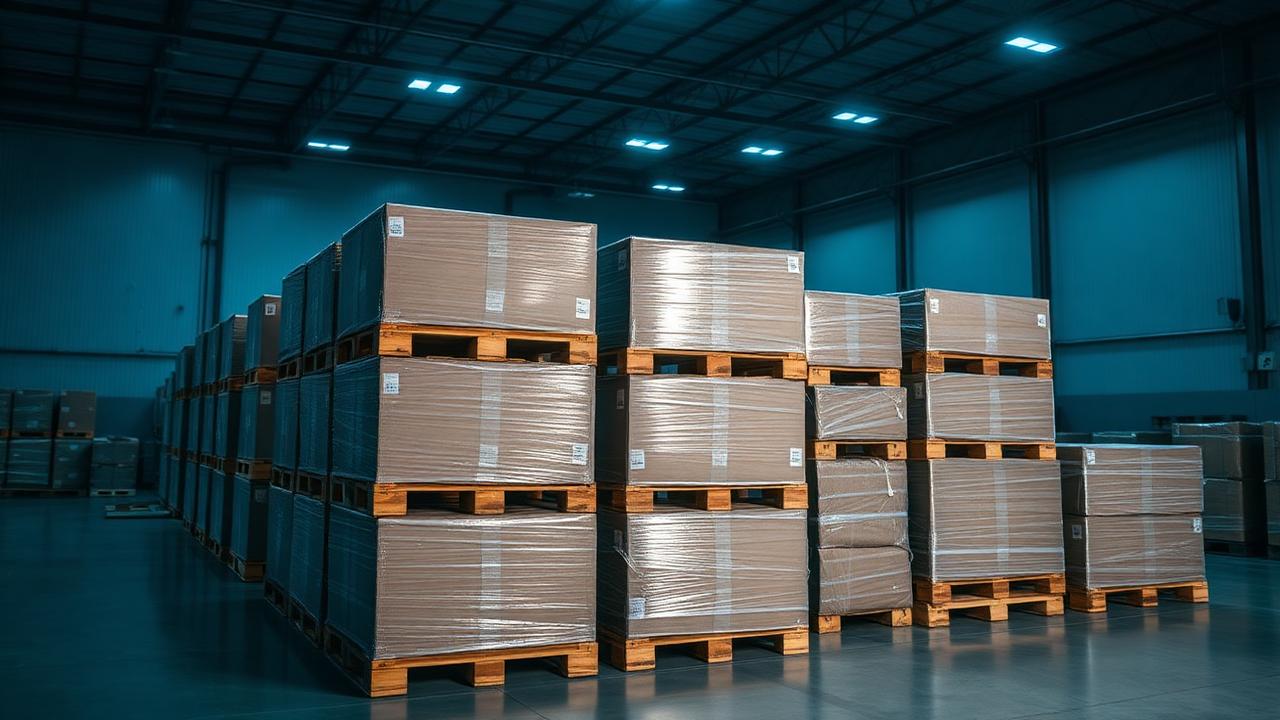
Look past the cover image. Zoom in on the pallet corners. Symmetrical pallet stacks mean factory-wrapped overstock. Bulging, lean-prone stacks bound by loose, hand-wrapped stretch film mean store-level customer returns. If you see multiple layers of yellow or blue LPN (License Plate Number) stickers overlapping each other on a single carton, that item has been processed, returned, and re-sorted multiple times. It is a high-risk candidate for complete scrap.
Run every digital manifest through a manifest analyzer before you set your ceiling bid. You want to parse category mix instantly. Electronics salvage typically recovers at 25-40% of original retail value, while apparel sits lower at 8-15%, and power tools hit 30-45% if the internal motors run.
| Condition Grade | Packaging State | Functional Expectations | Typical Net Recovery |
|---|---|---|---|
| Grade A | Original, pristine or factory sealed | 95-100% fully functional | 65-80% of MSRP |
| Grade B | Open box, minor shelf wear | 85-95% functional, minor cosmetics | 45-65% of MSRP |
| Grade C | Heavy box damage, missing retail packaging | 60-80% functional, missing accessories | 30-45% of MSRP |
| Salvage / Grade D | Crushed, open, mixed loose items | 20-50% functional or parts only | 10-25% of MSRP |
How to Inspect Salvage Pallets on the Warehouse Floor
If you pick up locally or audit lots on the dock floor, your physical inspection needs a methodical routine. Never cut shrinkwrap until you complete a full 360-degree walkaround.
First, check the base of the wood pallet. Broken bottom deckboards or cracked stringers mean forklift tines have punctured upward into the bottom tier of merchandise. If the bottom row contains heavy pressure cookers or desktop computers, those bottom units are likely smashed to bits.
Second, examine the pallet center using a strong flashlight. Shady liquidators stack good boxes on the outer four walls and hide crushed, unmanifested junk inside the core. This pattern is called shadow-boxing. Shine your beam through the transparent stretch film into the gaps between boxes. If you see loose unboxed wires, bare circuit boards, or upside-down plastic tote bins inside the core, adjust your valuation down immediately.
Third, check for moisture stains. Darkened cardboard or wavy paper fluting at the lower third of the pallet signals standing water on a warehouse floor or a leaking trailer roof. Water damage turns electrical items into instant hazardous scrap.
Before placing your final bid, use a maximum bid calculator to lock in your hard limit based on real salvage recovery rates.
The Math Behind a Salvage Electronics Pallet
Let us break down a real P&L scenario for a 45-unit salvage electronics lot sourced online.
- Gross Original Retail Value (MSRP): $4,500
- Winning Auction Bid: $420
- LTL Freight Base Charge: $210
- Liftgate Fee: $65
- Residential Delivery Accessorial: $75
- Total Landed Cost Basis: $770
After unpalletizing and testing all 45 units:
- 15 units were fully functional with original accessories: Resold on eBay for $1,350 gross.
- 12 units were functional but missing cords or remotes: Resold on local marketplace for $540 cash.
- 10 units were parts-only or heavily cosmetically damaged: Sold as a scrap lot for $150.
- 8 units were complete unsalvageable trash: $0 value.
Financial Breakdown:
- Total Gross Sales Revenue: $2,040
- eBay Marketplace Fees (approx 13.25% + $0.30 per item): $183.50
- Outbound Shipping Supplies & Local Gas: $85
- Net Cash Collected: $1,771.50
- Net Operating Profit: $1,771.50 - $770 landed cost = $1,001.50
- Realized Recovery Rate: 22.2% of MSRP
Plug your own numbers into a pallet ROI calculator to make sure you maintain a 2x to 3x return on landed cost before pulling the trigger.
Where Salvage Inspections Fail: The Hidden Freight Trap
The fastest way to lose money on salvage lots is failing to account for freight accessorials and hidden freight weight discrepancies.
You win a pallet for $250 thinking you got a bargain. Then the LTL carrier bill arrives. The carrier added a $75 liftgate charge because your facility lacks a loading dock, a $60 limited access fee because your shop is in a commercial park with tight turns, and a re-weigh adjustment because the freight broker miscalculated dimensional weight. Check FedEx Freight guidelines on accessorial structures. Suddenly your $250 bargain costs $600 to deliver. Calculate your shipping liabilities ahead of time with a shipping cost calculator.
Another severe failure mode is buying unmanifested salvage. Unmanifested lots are often cherry-picked. Sorters strip out high-demand items, leaving behind unsellable customer returns that have failed multiple secondary marketplace tests.
What tools do I need on dock to inspect a salvage pallet?
Bring a high-lumen LED flashlight, a 25-foot tape measure, a box cutter, a permanent marker, and a digital multimeter if you test electronics on site. A flashlight reveals hidden box crushed centers inside transparent wrap, while the multimeter lets you quickly verify power supply voltage before loading heavy inventory.
Is D-grade inventory the same as salvage merchandise?
Yes. In secondary market terminology, Grade D and salvage are interchangeable terms. Both mean items have not been tested, packaging may be missing or destroyed, and a significant portion of the lot will require repair, part harvesting, or disposal.
Can I return a salvage pallet if the manifest is wrong?
Rarely. Salvage lots are almost universally sold as-is, where-is, with no warranties or returns allowed. However, if the manifest lists major high-value items that are physically absent from the delivered shipment (a major line-item mismatch over 15-20% total value), you can file a claim with major platforms within 48 hours of receipt.
Learning how to inspect salvage pallets takes time, a flashlight, and cold math. If you want a structured framework for bidding on high-risk lots, read our full buying decision guide before putting cash on the line.
Pallet IQ Editorial Team
We buy, grade and resell liquidation pallets, then turn what we learn into the tools on Pallet IQ. Every guide here comes from real manifests, real bids and real sell through numbers.
Written September 9, 2026, last reviewed October 19, 2026