Profit Margins on Lowes Liquidation Pallets: The Real Math
We unpacked a 24-unit outdoor power lot from a regional distribution center. Here is what sold, what went to scrap, and what the real profit margins look like after freight and fees.
By Pallet IQ Editorial Team
Published · Updated
 Pallet Buying
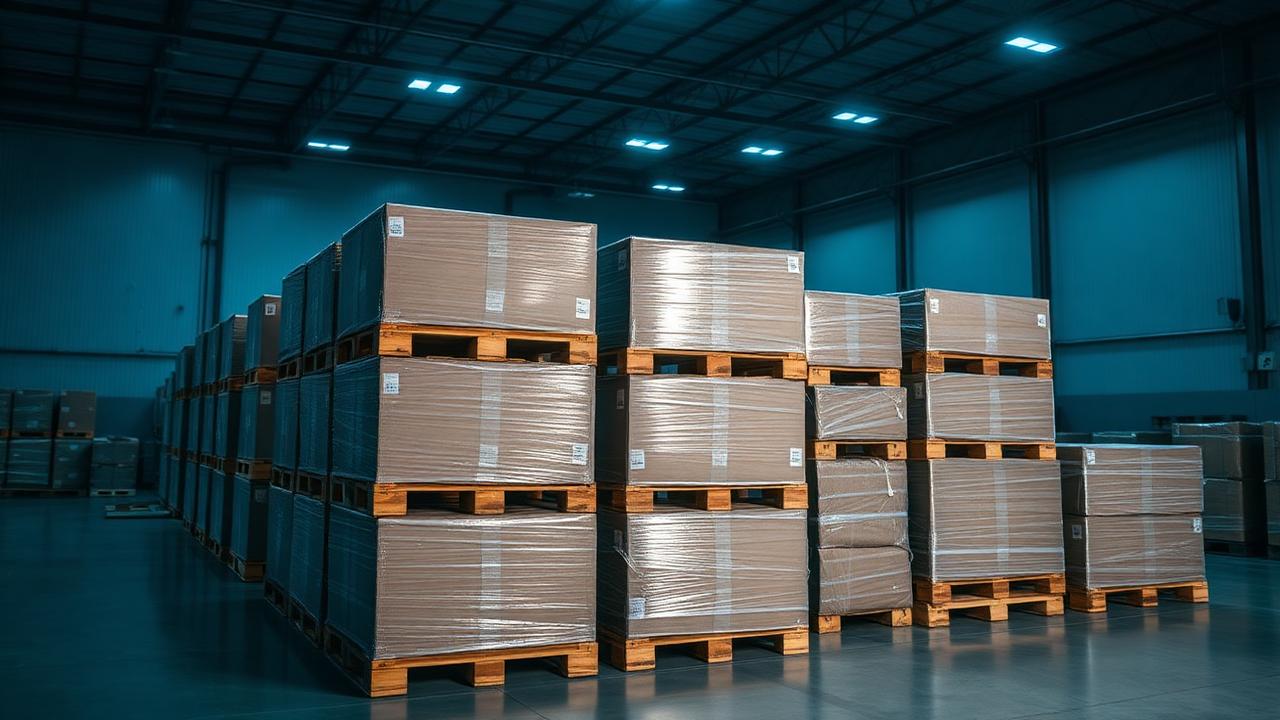
We took delivery of a 620-pound wood pallet wrapped in dirty black stretch film last Tuesday. It was billed as a mixed home improvement lot from a regional distribution center in North Carolina, won for $1,250 on auction. By the time we backed the box truck up to our dock and paid the freight bill, our total out-of-pocket hit $1,725. Understanding the actual profit margins on lowes liquidation pallets requires looking past the glossy original retail totals printed on the manifest.
Retail valuation numbers on customer return manifests are fiction. That $6,200 total retail sticker looks brilliant when you bid $1,250, but three Kobalt mowers are missing battery chargers, a Craftsman pressure washer has a cracked pump casing from winter freezing, and two ceiling fans are missing their mounting brackets. If you calculate your yield based on original retail tags, you will go broke fast.
Understanding Profit Margins on Lowes Liquidation Pallets
Lowe's liquidates inventory through official contract auction portals like B-Stock as well as secondary wholesale suppliers. Most of these loads consist of customer returns, store displays, or overstock items. The average retail store experiences an overall return rate around 14-16%, as detailed in the NRF returns research. In home improvement, those returns skew heavy, bulky, and mechanically complex.
Before bidding, you need to speak the language of the auction sheet. In our liquidation glossary, a manifest is the itemized list of goods included in a lot, showing description, quantity, and original retail value. But uninspected customer returns are fundamentally different from shelf pulls or overstock.
For home improvement inventory, realistic recovery rates fall into tight bands based on sub-category:
- Power Tools and Outdoor Equipment: 30-45% of retail value. These move fast on local channels, but expect a 20-30% defect rate requiring parts swapping or scrap.
- Plumbing Fixtures and Bath Vanities: 20-35% of retail value. High shipping costs mean you must sell these locally, which drags down speed.
- Lighting and Ceiling Fans: 15-25% of retail value. Missing hardware kits are common, making full-price resale tough.
- Hardware, Fasteners, and Hand Tools: 25-40% of retail value. Easy to package, easy to ship, but low individual item values mean high labor per dollar earned.
Calculating Real Profit Margins on Lowes Liquidation Pallets
To understand your net return, you cannot just subtract auction cost from gross sales. You need a complete accounting of landed freight, processing labor, replacement parts, channel commissions, and payment processing fees.
Here is a worked line-item breakdown from a representative 24-unit Lowe's power tool and seasonal equipment lot bought out of an East Coast distribution hub.
Cost Basis and Freight
- Winning Auction Bid: $1,250.00
- Auction Buyer Fee (10%): $125.00
- LTL Freight Shipping: $285.00
- Liftgate Accessorial Fee: $65.00
- Total Landed Cost: $1,725.00
Gross Sales Revenue
- 12 Tested Fully Functional Units (eBay / Local): $1,840.00
- 5 Minor Defect Units (Sold as-is with missing accessories): $420.00
- 4 Repairable Units (Parts added: $85 spent on switches and cords): $510.00
- 3 Scrap / Unsalvageable Units: $0.00
- Total Gross Sales: $2,770.00
Selling Expenses and Net Math
- Replacement Parts Cost: $85.00
- Platform Fees (Average 13% across channels): $360.10
- Shipping Supplies (Boxes, bubble wrap, tape): $42.00
- Net Cash Flow: $2,770.00 minus $1,725.00 (landed cost) minus $85.00 (parts) minus $360.10 (fees) minus $42.00 (supplies) = $557.90
- Net ROI on Capital Invested: 32.3%
- Overall Profit Margin on Gross Sales: 20.1%
You can run your own lot estimates with our pallet ROI calculator before placing a bid on an active auction. If your net margin projects below 18% after adding realistic shipping and fee estimates, walk away.
Let's break down how different categories within hardware and home improvement liquidate.
| Category | Resale Channel | Processing Time | Defect Rate | Expected Net Margin |
|---|---|---|---|---|
| Cordless Power Tools | eBay, Mercari | Low (10-15 mins/unit) | 15-25% | 25-35% |
| Outdoor Power Equipment | Local Cash, OfferUp | High (30-60 mins/unit) | 25-40% | 20-30% |
| Ceiling Fans & Lighting | eBay, Local | Medium (20 mins/unit) | 20-35% | 15-22% |
| Bath Vanities & Sinks | Local Pick-up Only | Low (10 mins/unit) | 10-20% | 15-25% |
| Gas Pressure Washers | Local Cash | High (45-90 mins/unit) | 30-50% | 18-28% |
Where Lowe's Pallet Flipping Goes Wrong
The fastest way to blow up your margin is ignoring freight accessorials and hazardous materials policies. When you buy a lot containing gas-powered trimmers, mowers, or pressure washers, carriers require all fuel tanks to be completely purged before shipping. If a freight driver smells gasoline on a residential tailgate pick-up, they can refuse the load or slap you with a hazardous handling fee.
Freight costs can double your per-unit cost basis if you do not calculate them beforehand. Standard freight carriers like FedEx Freight charge extra for residential delivery ($50-$100), liftgate service ($50-$75), and limited-access locations ($30-$60). Use our shipping cost calculator before locked-in bids leave you paying $400 in freight for $300 worth of merchandise.
Another common failure mode is failing to budget for missing parts. Home improvement returns often lack essential cables, lithium batteries, safety guards, or assembly hardware. Selling a tile saw without its water tray drops the value by 60%. If you do not have a stockpile of generic power cords, knobs, and fasteners, your reconditioning costs will eat your spread alive. Check our buying decision guide to evaluate whether a manifest has enough margin buffer to absorb missing components.
How to Maximize Your Yield
To pull consistent 25%+ margins out of Lowe's lots, you need a disciplined triage system. Do not list items immediately upon opening the stretch wrap.
Group your batch by condition:
- Plug-and-play complete: Clean, take photos, list on platforms like Facebook Marketplace for local pick-up or calculate shipping for online channels.
- Functional but missing small accessories: Source replacement parts on eBay or sell at a 30% discount as tool body only.
- Non-functional double-ups: Cannibalize two broken string trimmers to build one complete unit, then sell the remaining parts individually like carburetors, housings, and triggers.
- Heavy bulky items: Sell locally on OfferUp or local yard sales to skip high parcel shipping rates.
When reviewing manifests with hundreds of line items, running individual SKU lookups manually takes hours. Using a manifest analysis tool like Pallet IQ helps you calculate expected category recovery rates and flag risky items in seconds. Know your ceiling price before the auction closes by using our maximum bid calculator.
Maintaining solid profit margins on lowes liquidation pallets requires treating returns like raw material rather than finished retail products. Factor in repair labor, know your shipping lanes, and bid strictly based on conservative net payout projections.
Frequently Asked Questions
Where are Lowe's liquidation pallets officially sold?
Lowe's primary corporate liquidations are sold through contract auction marketplaces like B-Stock, as well as contracted regional liquidators and truckload brokers. You will also find uninspected store returns resold through secondary liquidation platforms across North America.
What is a realistic defect rate on customer return tool pallets?
Expect a 20% to 35% defect or missing-parts rate on uninspected customer return tool lots. While some returns are simply open-box items that customers bought by mistake, many were returned because of electrical faults, broken switches, or missing essential components like chargers and batteries.
How do platform fees affect final profit margins?
Selling platforms charge commissions and payment fees ranging from 5% to 15%. For example, standard eBay seller fees run around 13.25% plus a flat $0.30 per order for hardware categories. When you combine platform fees with freight and replacement parts, your total overhead typically takes 35% to 45% of gross sale prices.
Pallet IQ Editorial Team
We buy, grade and resell liquidation pallets, then turn what we learn into the tools on Pallet IQ. Every guide here comes from real manifests, real bids and real sell through numbers.
Written September 8, 2026, last reviewed October 19, 2026