How to Buy Beauty Product Pallets Without Getting Burned
Beauty liquidation looks high-margin until a single leaked bottle ruins half the lot. Here is how to evaluate manifests, spot expired stock, and calculate real profits.
By Pallet IQ Editorial Team
Published · Updated
 Pallet Buying
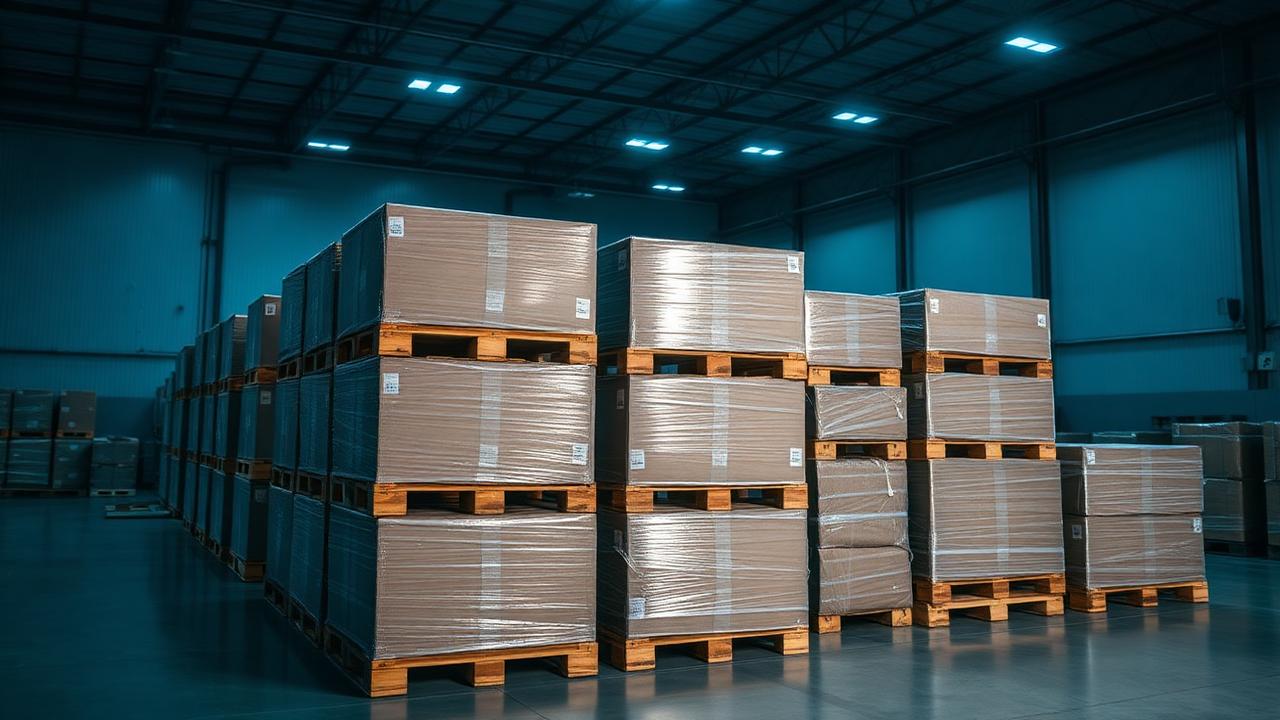
Three years ago, I won a $1,400 shelf-pull beauty manifest out of an Indiana regional distribution center. The paper MSRP claimed $9,200. I was ready to celebrate before the truck even pulled into the driveway. Then the carrier dropped the shrink-wrapped box on my driveway, and I smelled peach bath bomb and spilled glycolic acid from five feet away.
Three crushed bottles of luxury face serum had leaked over forty units of boxed eyeshadow, face creams, and branded mascara. What was left? Half-melted tubes, sticky bottles, expired sunscreen, and a pile of restricted skincare lines I could not even list on Amazon or eBay without getting hit with intellectual property claims. I ended up throwing out a third of the shipment, spending twelve hours cleaning sticky plastic caps with isopropyl alcohol, and losing $850 on that single truckload.
If you want to know how to buy beauty product pallets and actually make money, you have to look past the shiny MSRP totals. Liquidation cosmetics behave differently than tools or apparel. The margins can be massive, but the failure modes are brutal.
Why Beauty Liquidation Is Different (And Dangerous)
Cosmetics and skincare carry some of the highest gross margins in retail. A jar of moisturizer that costs $3 to make retails for $65 at Sephora or Ulta. Because of this artificial markup, liquidators can throw massive MSRP numbers onto a manifest while selling the pallet for 10% to 15% of retail value.
Do not let that spread fool you. The actual resale value of cosmetics depends heavily on four variables that do not affect other categories:
- Expirations and Active Ingredients: Sunscreens, retinol, vitamin C, and acne treatments have hard expiration dates. Once a product passes its expiration date, it drops to zero dollar value. You cannot legally or safely sell expired active skincare.
- Hygiene Seals: Unlike a blender or a pair of jeans, an unsealed tub of body butter is garbage. If the foil seal is peeled back or the box flap is torn open, you cannot resell it on major marketplaces due to health safety policies.
- Physical Liquidation Stress: Liquid products inside plastic or glass containers expand and contract during shipping. A pallet sitting in an unconditioned freight trailer in Texas during July will blow lids right off serum bottles.
- Brand Gating and Intellectual Property (VERO): Major cosmetic conglomerates actively protect their distribution channels. Brands like Estée Lauder, Clinique, MAC, and Urban Decay regularly file eBay VERO claims or require invoice ungating on Amazon that liquidation receipts will not satisfy.
Across the industry, general electronics recover around 25% to 40% of retail value, and tools can fetch 30% to 45%. Beauty pallets vary wildly. Sealed, current-season department store overstock can yield a 35% recovery rate, while unmanifested customer return beauty lots routinely yield under 8% after tossing ruined items.
How to Buy Beauty Product Pallets: Manifest Analysis
When evaluating a beauty manifest, you must look at itemization down to the individual SKU level. A manifest that simply says "1,000 Pcs Assorted Cosmetics" is a trap. You are buying the sweepings of a warehouse floor.
Require manifests with brand names, full product descriptions, UPC codes, and condition codes. When running items through a manifest analysis tool like Pallet IQ, pay attention to the proportion of liquids versus hard goods, as well as the brand mix.
Here is how to classify liquidation beauty condition grades before bidding:
- Grade A (Overstock / Shelf-Pulls): Intact factory packaging, original plastic shrink-wrap present, clean boxes, at least 9 to 12 months before expiration. Expect to pay 12% to 18% of MSRP.
- Grade B (Packaging Damage): The product inside is factory-sealed, but the outer cardboard box is crushed, creased, or missing entirely. Expect to pay 7% to 11% of MSRP.
- Grade C (Customer Returns): Returned goods from retail counters. Expect 40% or more of the pallet to be used, swatched, unsealed, or leaked. Expect to pay under 4% of MSRP, though we recommend avoiding these entirely.
- Grade D (Salvage / Expired): Expired formulations, recalled items, or heavily damaged warehouse accidents. Value is zero.
| Source Type | Typical Condition | Resale Recovery Rate | Primary Risk Factor |
|---|---|---|---|
| Specialty Beauty Retailer (Ulta/Sephora) | Mixed shelf-pulls and damaged boxes | 25% - 35% | High brand gating / VERO claims |
| Department Store Overstock | Pristine overstock, sealed | 35% - 50% | High initial bid cost |
| Big-Box Retailer (Target/Walmart) | Lower-end drugstore brands | 12% - 20% | Low resale price per unit |
| Unmanifested Returns Truckloads | Mixed opened, used, leaked | 0% - 8% | Total loss due to contamination |
Real-World Math: A Fully Worked P&L
To understand whether a beauty lot is worth your time, let us run the actual numbers on a typical manifest.
We will look at a 120-unit mixed prestige beauty shelf-pull lot sourced from a Pennsylvania distribution center. The listed wholesale MSRP total is $4,200.
Here is the cost structure:
- Winning Bid: $520
- Base LTL Freight: $185
- Liftgate Accessorial Fee: $65
- Residential Delivery Accessorial Fee: $55
- Total Landed Cost Basis: $825
Upon processing the shipment, 22 units were unsellable due to broken inner seals, cracked foundations, or past-due expiration dates. That leaves 98 sellable units with an average realistic market value of $16 each across platforms like Mercari, eBay, and Poshmark.
Here is how the numbers play out:
- Gross Resale Revenue (98 units x $16): $1,568
- Marketplace Fees (Average ~13.25% + $0.30/sale): $237
- Merchant Payment Processing (~3%): $47
- Shipping Supplies (Bubble mailers, tape, isopropyl alcohol, poly bags): $45
- Total Platform & Overhead Costs: $329
- Net Revenue After Selling Costs: $1,239
- Less Landed Cost Basis: $825
- Net Profit: $414
Your net margin on this lot is roughly 26% relative to gross sales, yielding a $414 return on an $825 investment.
Now ask yourself the operational question: Is $414 profit worth the six hours required to inspect 120 items, clean sticky packaging, test batch codes for expiration, take photo sets, and package 98 individual orders? If you have a streamlined listing workflow, yes. If you are doing this on a coffee table after work, you might be working for minimum wage.
Where Buying Beauty Pallets Goes Wrong
The fastest way to wreck your inventory budget in this category is ignoring leak propagation.
When a glass bottle of shampoo or liquid foundation breaks at the top of a shrink-wrapped pallet, gravity does the rest. Liquid drains downward through every layer of cardboard below it. Cardboard absorbs fluid, loses structural integrity, collapses, and crushes the lower layers. A single bottle of $10 cleanser can easily destroy $400 worth of boxed eye cream situated underneath it.
The second trap is the batch code trap. Cosmetics rarely print the expiration date clearly on the outer box. Instead, they print a 4- to 6-character batch code (like "A82" or "21341") on the bottom of the container. You have to run every single batch code through fresh cosmetic databases to check the manufacture date. If a serum was manufactured 4 years ago, the active ingredients have degraded, even if the container was never opened. Selling degraded products leads to negative buyer feedback and chargebacks that will get your seller accounts suspended.
Lastly, shipping accessorials will eat small beauty margins alive. Freight lines do not care that your pallet only weighs 180 pounds. If you do not have a commercial dock or a forklift at your drop point, freight companies will tack on a $50-$100 residential delivery fee plus a $50-$75 liftgate charge. Always calculate freight accessorials into your maximum bid before the auction ends.
What We Refuse to Buy (And Why)
We refuse to bid on raw customer return cosmetics loads from general big-box retailers.
When a shopper returns an open bottle of lotion or a swatched tube of lipstick to a big-box store, retail associates throw it into a salvage gaylord. It sits in an unconditioned warehouse for months. Liquids spill, pump lids unlock and pump contents everywhere, and bacteria grows inside open containers.
Processing customer return beauty pallets is disgusting work that yields massive trash volume. You end up paying freight to haul useless garbage straight to your local landfill. Stick strictly to shelf-pulls, overstock, and store closeouts.
Step-by-Step Execution: How to Buy Beauty Product Pallets
If you are ready to source cosmetics profitably, follow this execution sequence:
- Establish your selling channels beforehand. Verify which cosmetics brands you can sell on your active eBay, Mercari, or Poshmark accounts without brand restrictions.
- Filter auctions for manifest clarity. Pass on any lot that does not provide detailed item counts, brand names, and condition definitions.
- Audit the brand composition. Ensure the manifest is not dominated by low-value drug store brands that sell for less than $6 shipped online.
- Calculate landed costs accurately. Add your bid price, marketplace buyer premiums (typically 5% to 10%), LTL freight, liftgate fees, and residential surcharges together.
- Cap your maximum bid at 10% to 12% of true MSRP for shelf-pulls, and never bid higher than 5% of MSRP on mixed condition lots.
- Inspect and clean immediately upon arrival. Isolate leaking items immediately, wipe down intact units with rubbing alcohol, check batch codes, and sort by brand to streamline your listing process.
Buying beauty product pallets requires patience, meticulous cataloging, and a cold eye for condition grades. Focus on sealed overstock, stay strict on your maximum bids, and respect the physical risks of shipping liquids, and this category can turn into one of the most reliable profit drivers in your inventory mix.
Can you sell opened cosmetics from liquidation pallets?
No. Major resale platforms including eBay, Mercari, and Amazon explicitly ban the sale of used or opened cosmetics due to hygiene regulations. Any opened or swatched beauty item must be discarded.
How do you check expiration dates on unmanifested beauty lots?
Look for the batch code stamped on the bottom of the product packaging or container. Enter this code into batch checking sites like CheckFresh or Cosmetic Calculator to pull up the exact manufacture date and estimated shelf life.
Which platforms are best for reselling liquidated beauty products?
Poshmark and Mercari are ideal for mid-tier and luxury beauty shelf-pulls sold as individual units or small brand bundles. eBay works exceptionally well for high-end skincare and multi-packs, provided the brands do not actively enforce strict VERO restrictions.
Pallet IQ Editorial Team
We buy, grade and resell liquidation pallets, then turn what we learn into the tools on Pallet IQ. Every guide here comes from real manifests, real bids and real sell through numbers.
Written August 21, 2026, last reviewed October 19, 2026