ROI Calculator for Target Return Pallets: Real Math
I once paid $2,150 for a Target floorcare lot and netted $142 after three weeks of scrubbing vacuums. Here is the exact math you need before bidding.
By Pallet IQ Editorial Team
Published · Updated
 Resale Strategy
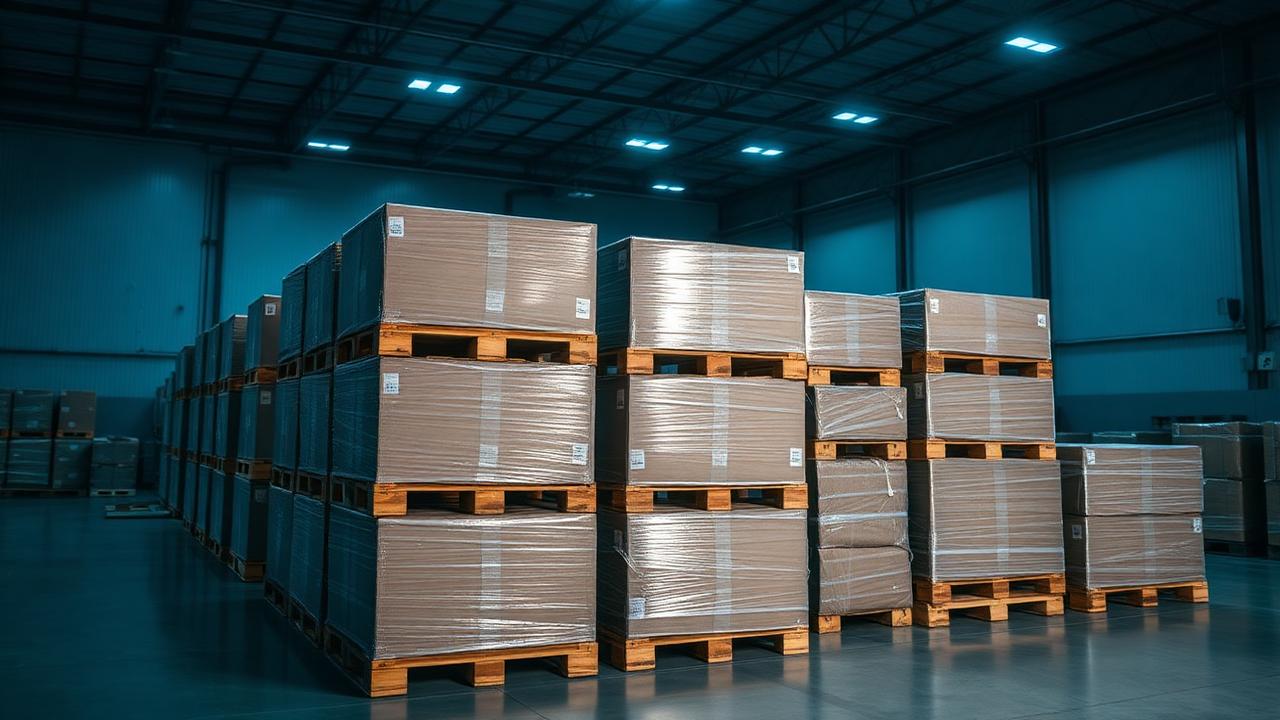
Two years ago, a four-pallet Target return load landed at my dock with a loud hiss from the air brakes. I paid $2,150 on B-Stock for what looked like clean store returns out of an Indiana fulfillment center. Three weeks later, after scrubbing pet hair out of fourteen Dyson rollers and throwing away eight crushed air fryers, my net profit sat at $142. My mistake was simple. I calculated profit using original retail sticker values instead of building an roi calculator for target return pallets that accounted for freight, broken units, platform fees, and disposal costs.
Target returns look gorgeous on paper. Original retail stickers are high, customer brand recognition is strong, and manifest spreadsheets show massive numbers. But if you buy liquidation inventory based on retail sticker prices, you will run out of cash. Winning buyers run precise math before placing a single bid.
Understanding Target Return Recovery Rates
Target return loads come in two main flavors: store returns and target.com online fulfillment returns. Store returns carry higher damage rates because shoppers drag boxes across customer service counters, rip open tape, and steal power cords. Fulfillment returns are often just opened boxes or carrier refusals.
In our experience, general merchandise from Target averages a 22-32% real-world recovery rate against original retail value. If a manifest claims $10,000 in original retail price, expect to collect between $2,200 and $3,200 in gross revenue after testing and cleaning.
Different categories hit very different resale numbers. Electronics and small appliances clear higher dollar values per unit, but they carry heavy defect rates. Bedding and soft goods have low defect rates, but they take up massive storage footprint and sell slowly.
Before bidding, check our recovery rate report to see historical performance averages across retail store categories. Knowing these baseline numbers stops you from paying Grade A prices for Grade C store salvage.
Why You Need an ROI Calculator for Target Return Pallets
Calculating return on investment is not just subtracting your purchase price from estimated sales. Real profit gets squeezed by invisible operational expenses that hit your checking account after the freight truck leaves.
First, LTL freight eats margins quickly. Shipping four pallets across three states costs between $350 and $700 depending on fuel surcharges. If your delivery address lacks a loading dock or forklift, freight carriers bill extra charges. FedEx Freight charges $50 to $100 for residential delivery and another $50 to $75 for a liftgate. Check these numbers in our shipping cost calculator before finalized bidding.
Second, marketplace fees take a fixed slice of every dollar you collect. Selling on eBay costs around 13.25% plus $0.30 per order in final value fees. Amazon seller central takes 15% in most home categories. Even local pickup on Facebook Marketplace costs time and fuel.
Third, non-sellable units carry a real cost. You cannot sell broken glass, missing vacuum hoses, or sanitized health items. You pay labor to inspect them and commercial dump fees to throw them away. If 20% of your pallet is trash, your cost basis per sellable unit jumps by 25% instantly.
If you want to look up unknown liquidation terms before reviewing a manifest, check our plain-english liquidation glossary.
Building an ROI Calculator for Target Return Pallets That Works
To build a working profit formula, you need five core input variables. Never bid on a Target lot without filling in all five fields:
- Landed Cost: Winning auction bid plus buyer premium, state sales tax, and total LTL freight charges.
- Expected Manifest Realization: Total retail value multiplied by category recovery percentage (use 28% for mixed store returns as a safe baseline).
- Resale Platform Fees: Average selling platform cut across your target channels (use 15% as a standard baseline).
- Shrink and Scrap Rate: Percentage of manifest items deemed un-sellable trash (use 15-20% for store returns).
- Direct Variable Expenses: Replacement parts, poly bags, box tape, and local pickup gas money.
Here is the exact formula for net profit:
Net Profit = Gross Realized Resale - Landed Cost - Marketplace Fees - Parts and Disposal Costs
Net ROI = (Net Profit / Landed Cost) * 100
If your calculated Net ROI is under 35%, walk away. Liquidation carries too much risk for single-digit or low double-digit margins.
Worked P and L on a Target Return Lot
Let us run a real example through this formula. Imagine a 4-pallet Target small appliance and home lot out of a regional distribution center in Alabama. The manifest lists 68 total units with an aggregate MSRP of $11,200.
Here is how the P and L breaks down:
- Winning Auction Bid: $1,400
- Marketplace Buyer Premium (10%): $140
- LTL Freight Charges: $380
- Liftgate Accessorial Charge: $65
- Residential Delivery Accessorial: $55
- Total Landed Cost: $2,040
Now let us look at real gross sales performance across the 68 items:
- 42 units tested working and listed on eBay: $2,850 gross sales
- 10 units sold locally for cash on Facebook Marketplace: $420 gross sales
- 6 units salvaged for parts: $80 gross sales
- 10 units trashed (broken plastic, missing major motors): $0 gross sales
- Total Gross Revenue Collected: $3,350
Now calculate variable selling costs and platform fees:
- eBay seller fees (13.25% + $0.30 x 42 orders): $390.22
- Replacement power cords and generic packaging boxes: $45.00
- Dump fees for 10 trashed units: $15.00
- Total Expenses: $450.22
Here is the final net summary:
- Gross Revenue: $3,350.00
- Less Landed Cost: -$2,040.00
- Less Expenses and Fees: -$450.22
- Net Cash Profit: $859.78
- Net ROI: 42.1%
This load was a solid win because the bid stayed under $1,400. If the auction bidding had run up to $2,100, landed cost would have reached $2,740, collapsing net profit to just $159.78. That is less than $3 an hour for processing labor.
Run your own numbers through our online pallet ROI calculator or use our maximum bid calculator to lock down your absolute bid ceiling before auction timers hit zero.
Target Return Grade Breakdown
Not all Target return loads perform the same. Target categorizes loads differently across auction houses, and knowing how grades behave keeps your expectations tied to reality.
| Target Manifest Grade | Real Recovery Range | Trash/Scrap Rate | Average Labor Hours | Primary Resale Channel |
|---|---|---|---|---|
| Grade A Overstock | 45-60% of MSRP | 2-5% | 1.5 hrs / pallet | Amazon / eBay |
| Grade B Store Returns | 25-35% of MSRP | 12-20% | 4.0 hrs / pallet | eBay / Mercari |
| Grade C Salvage / Unmanifested | 10-18% of MSRP | 25-40% | 6.5 hrs / pallet | Local Cash / Flea Market |
Notice how Grade C salvage loads require four times the physical labor while returning less than half the resale value. Processing time is a real expense. If you spend 26 hours testing broken microwaves across four pallets, your effective hourly rate plummets fast.
Where Target Pallet Deals Go South
Target returns fail buyers in predictable ways. The most common pitfall is customer swap fraud. Retail returns frequently feature brand-new Dyson boxes containing an eight-year-old rusted Hoover vacuum inside. Target customer service workers rarely open boxes during store returns, so the manifest lists a $499 Dyson while your pallet contains junk.
According to national NRF returns research, retail return fraud costs sellers billions annually, and liquidation buyers sit at the bottom of that chain. Expect 5% of manifest line items to contain outright wrong products.
Another failure point is missing high-value parts. Coffee makers arrive without carafes, blenders arrive without lids, and air purifiers arrive without custom filters. Buying replacement parts individually destroys profit margins quickly.
Finally, freight miscalculations wreck new buyers. If you bid on four pallets assuming a $200 delivery fee, and the actual freight invoice arrives at $550 due to fuel surcharges and liftgate fees, your projected margin disappears before the truck arrives.
Test marketplace take-rates in our marketplace fee calculator so you do not underestimate platform commission deductions.
When analyzing lots with hundreds of line items, using a manifest analysis tool like Pallet IQ helps flag high-risk categories and estimate scrap rates automatically.
Running your figures through an roi calculator for target return pallets before you submit a bid keeps your warehouse clear of un-sellable trash and keeps your bank account healthy.
What recovery rate should I expect on Target return pallets?
Target store returns average a 22-32% real-world recovery rate against original retail value. Target overstock loads perform higher, usually returning 45-60% of MSRP.
How do I calculate freight costs for liquidation pallets?
LTL freight costs depend on weight, distance, and accessorial fees. Expect to pay $0.80 to $2.50 per mile plus extra fees like $50-$100 for residential delivery and $50-$75 for liftgate service.
Are unmanifested Target pallets worth buying?
Unmanifested Target pallets carry heavy risk and scrap rates up to 40%. They should only be purchased at pure salvage pricing, typically $100 to $250 per pallet, and sold through local cash channels.
Pallet IQ Editorial Team
We buy, grade and resell liquidation pallets, then turn what we learn into the tools on Pallet IQ. Every guide here comes from real manifests, real bids and real sell through numbers.
Written September 8, 2026, last reviewed October 19, 2026