Making Money with Grocery Liquidation Pallets
Grocery liquidation can yield fast cash or a garage full of expired cereal. Here is how we evaluate short-dated food manifests before putting money down.
By Pallet IQ Editorial Team
Published · Updated
 Inventory Sourcing
The back doors of the box truck swung open at 7:15 AM, and the smell hit us before the driver even dropped the liftgate. Extra virgin olive oil. Four gallons of it had cracked open near the top layer of pallet two, soaking through thirty cases of organic granola bars and dripping down into a stack of boxed cake mixes.
We paid $1,150 for that four-pallet load out of a regional fulfillment center in Pennsylvania. By the time we hosed down the plastic tote bins, scrubbed the glass off the salvageable cans, and tossed three trash bags of oil-soaked cardboard into the dumpster, we had lost $400 in direct product value and wasted an entire Saturday.
If you want to know how to make money with grocery liquidation pallets, you have to accept one cold fact right away: you are not buying pristine retail stock at a 90% discount. You are buying operational mistakes, canceled orders, bruised boxes, and approaching expiration dates. The margins can be incredible, often hitting 40% to 60% net profit, but only if you know how to price the garbage before you pay for the load.
Grading Grocery and Consumable Salvage
Unlike consumer electronics or apparel, food items carry hard expiration clocks and strict safety regulations. Liquidators sort grocery stock into rough grade buckets, even if the auction listing calls everything general overstock.
- Grade A (Clean Overstock): Canceled retail orders, seasonal packaging flips, or excess warehouse stock. Every unit has at least 6 to 12 months before its best-by date. Boxes are clean, cases are sealed, and resale recovery hits 40% to 50% of retail value.
- Grade B (Short-Dated): High-quality inventory sitting within 30 to 90 days of the expiration printed on the label. Big-box retailers refuse to place these on store shelves. You can buy these for pennies on the dollar, but your selling window is narrow.
- Grade C (Damaged Packaging): Smashed master cartons, dented cans, torn box flaps, or loads where a single liquid leaked onto surrounding cases. The product inside is usually fine, but you cannot list it on strict online platforms.
- Grade D (Expired or Salvage Pulls): Past-date food, broken safety seals, or items pulled directly off retail shelves after failing to sell. Unless you own a local flea market stall or a discount bin store selling items for $1, this grade is a money pit.
Where Grocery Reselling Actually Works
Selling liquid food items requires a specific channel strategy. You cannot throw a dented box of cereal on Amazon FBA. Amazon will ban your seller account for listing items within 50 days of expiration or items missing original packaging seals.
eBay works well for high-value specialty items: keto snacks, imported coffee pods, gluten-free baking mixes, or discontinued sodas. Buyers on eBay hunt for specific dietary brands and accept short dates if the price is right. eBay charges around 13.25% plus $0.30 per transaction, so single cans of soup are not worth your time. You must bundle them into multi-packs.
For standard pantry staples, canned goods, condiments, household cleaners, and paper products, local selling rules the board. Local bin stores, flea market booths, Facebook Marketplace bundles, or your own brick-and-mortar discount store are where volume moves. Cash sales mean zero marketplace fees, zero shipping costs, and immediate liquidity.
| Sales Channel | Best Product Types | Typical Margin Range | Main Risk Factor |
|---|---|---|---|
| eBay | Specialty dietary, coffee pods, bulk health snacks | 35% - 50% | High shipping costs for heavy liquid items |
| Local Flea Market / Bin | Dented cans, short-dated pantry, general household | 45% - 70% | Slow movement on obscure or low-demand brands |
| Facebook Marketplace | Bulk paper products, laundry detergent, multi-packs | 40% - 60% | No-shows and heavy time spent messaging buyers |
| Discount Retail Shop | Sealed Grade A overstock, branded snack multi-packs | 30% - 45% | Overhead costs and local health department permits |
Fully Worked P&L: A Real Grocery Pallet Audit
Let us look at a real single-pallet pull from an LTL (Less-Than-Truckload) auction out of an Ohio distribution center. This was a 1,100-unit manifested lot containing mixed specialty pantry items, protein powders, and boxed snacks.
Upfront Costs:
- Winning Bid: $480.00
- Buyer Premium (10%): $48.00
- LTL Freight Charge (240 miles at $1.85/mile): $444.00
- Liftgate Accessorial Fee: $65.00
- Residential Delivery Fee: $55.00
- Total Landed Cost: $1,092.00
Manifest Processing and Inventory Audit: Upon opening the pallet, we spent three hours sorting units by expiration date and condition. Here is what came out of the stretch wrap:
- 750 units were Grade A overstock with 8+ months of shelf life.
- 200 units were Grade B short-dated items (expiring within 45 days).
- 100 units were Grade C damaged outer packaging but sealed internal contents.
- 50 units were Grade D broken jars, leaked sauce, or past-date items thrown straight into the trash.
Revenue Realization:
- Online Sales (eBay): Bundled 600 Grade A specialty items into 100 6-pack listings. Total sales: $1,800.00. Shipping collected: $600.00. Actual postage cost: $550.00. eBay fees (13.25% + $0.30 per order): $318.00. Net online revenue: $1,532.00.
- Local Cash Sales: Bundled the 200 short-dated items and 100 damaged-box items into local grab bags sold via Facebook Marketplace and a weekend garage sale. Total cash collected: $450.00. Platform fees: $0.00.
- Trash Loss: 50 units written off completely ($0.00 revenue).
Final P&L Summary:
- Gross Revenue: $2,250.00
- Total Out-of-Pocket Cost (Landed Cost + Actual Shipping Paid + Platform Fees): $1,960.00
- Net Cash Profit: $290.00
- Return on Investment (ROI): 26.5%
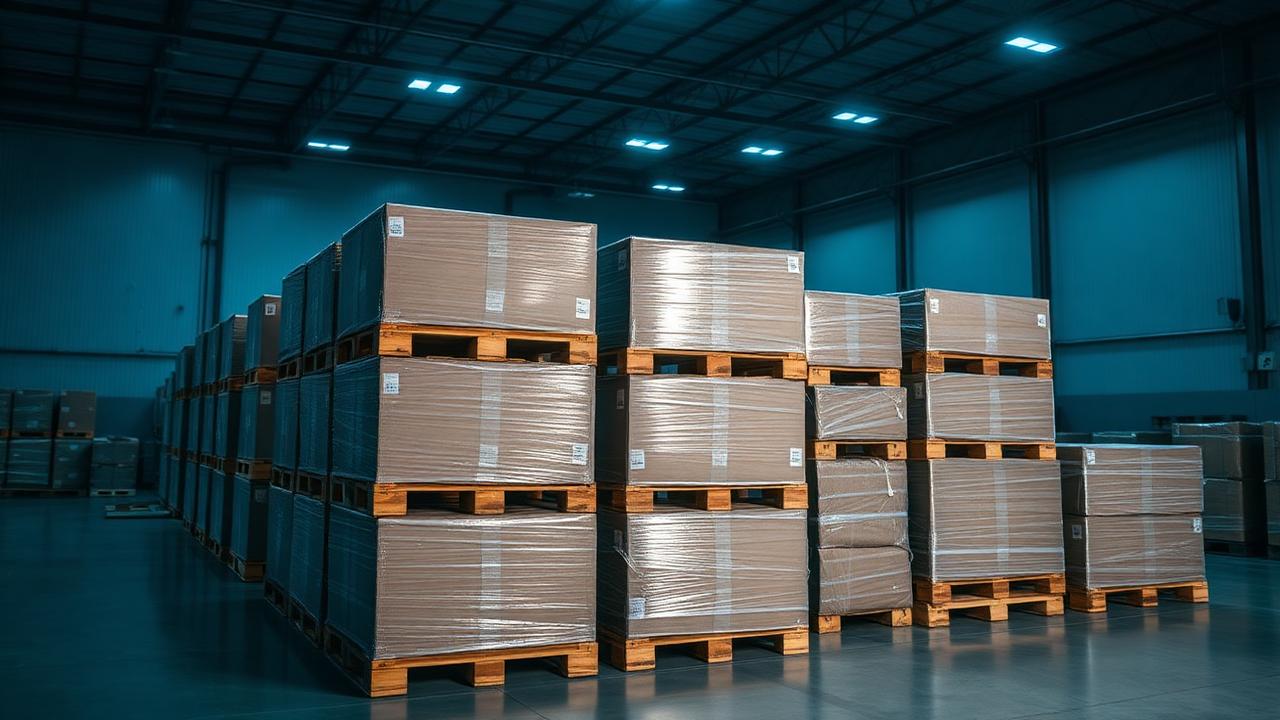
Notice how freight destroyed the margin on this single pallet. The freight fees ($564 total) exceeded the purchase price of the inventory. If we had picked this up ourselves with a trailer or bought a full 26-pallet truckload where freight scales down to $40-$60 per pallet, the net profit would have jumped to over $700.
How to Make Money with Grocery Liquidation Pallets Without Getting Burned
To make this model work consistently, you need a process that minimizes hand labor and catches bad lots before you bid.
First, scan the manifest for product weight and liquid density. Heavy, low-cost liquids, like gallon jugs of vinegar, pasta sauce jars, or canned soda, will kill your margins on freight. You want dry pantry goods, spice packs, high-end condiments, specialty coffee, and organic health snacks. High dollar-to-weight ratio is the golden rule.
Second, check the facility location. If you are paying $2.00 a mile for LTL freight across three state lines, single-pallet purchases rarely make sense. Look for regional liquidation hubs within a two-hour drive so you can do your own pickups using a pickup truck or utility trailer.
Third, run every manifest through a manifest analysis tool like PalletIQ before placing a bid. You need to instantly know the average retail price per item across the entire load. If a manifest has an average retail value under $4.00 per unit, you cannot afford to sell those items individually online. They must go straight to local bulk channels.
Fourth, build a local network of volume buyers. If you buy three pallets of grocery salvage a week, you cannot spend every afternoon meeting individual buyers for $5 boxes of crackers. Find local bin store owners, discount grocers, or flea market regulars who will buy your Grade B and C leftovers in bulk for flat cash sums.
Where This Business Goes Wrong
The most dangerous failure mode in grocery liquidation is pest infestation. It takes one compromised box of pancake mix from a poorly managed warehouse to ruin your entire storage space.
We learned this lesson the hard way on a 1,200-unit dry goods lot out of a facility in Georgia. Two cases of organic flour had grain weevils inside. Within ten days of storing those pallets in our shop, the bugs migrated into three adjacent pallets of boxed cereal and crackers. We had to throw away $1,400 worth of sellable inventory, pay an exterminator $350 to spray the unit, and spend forty hours inspecting every single cardboard box in our facility.
Now, every dry good pallet gets broken down outside or in a dedicated receiving staging area. Cardboard master cartons are inspected at the seams for fine dust, tiny holes, or webbing before any item moves into main storage. If a single case shows sign of infestation, that entire case goes straight into the outdoor dump bin.
Frequently Asked Questions
Can you legally sell expired food items?
Federal law in the United States does not prohibit the sale of food past the best-by or use-by date, with the critical exception of infant formula. However, individual state laws and local health department regulations vary widely. Online platforms like eBay and Amazon strictly prohibit listing items past their printed expiration dates, and local consumers will quickly demand refunds if you sell them spoiled product. Stick to selling short-dated inventory before it expires.
What is the best way to move short-dated items fast?
Group short-dated items into high-value bundles priced at 50% to 70% off retail value. Post them on local marketplaces like Facebook Marketplace or OfferUp as bulk family snack packs. Clear photos showing the brand names and exact best-by dates build trust and draw quick cash buyers who want cheap food for large households.
How much space do I need to start buying grocery pallets?
Do not store grocery salvage in a hot garage or a damp basement. Temperature fluctuations spoil food quickly, and humidity destroys cardboard packaging. You need a clean, climate-controlled space with at least 300 square feet to process single pallets efficiently, or a 1,000+ square foot warehouse space if you plan to buy full LTL loads or truckloads.
Pallet IQ Editorial Team
We buy, grade and resell liquidation pallets, then turn what we learn into the tools on Pallet IQ. Every guide here comes from real manifests, real bids and real sell through numbers.
Written August 13, 2026, last reviewed October 19, 2026