How to Buy Shoe Liquidation Pallets: Operator Guide
Buying footwear pallets looks easy until you open a gaylord full of unboxed size 14 left shoes. Here is how we actually source, analyze, and profit on liquid footwear.
By Pallet IQ Editorial Team
Published · Updated
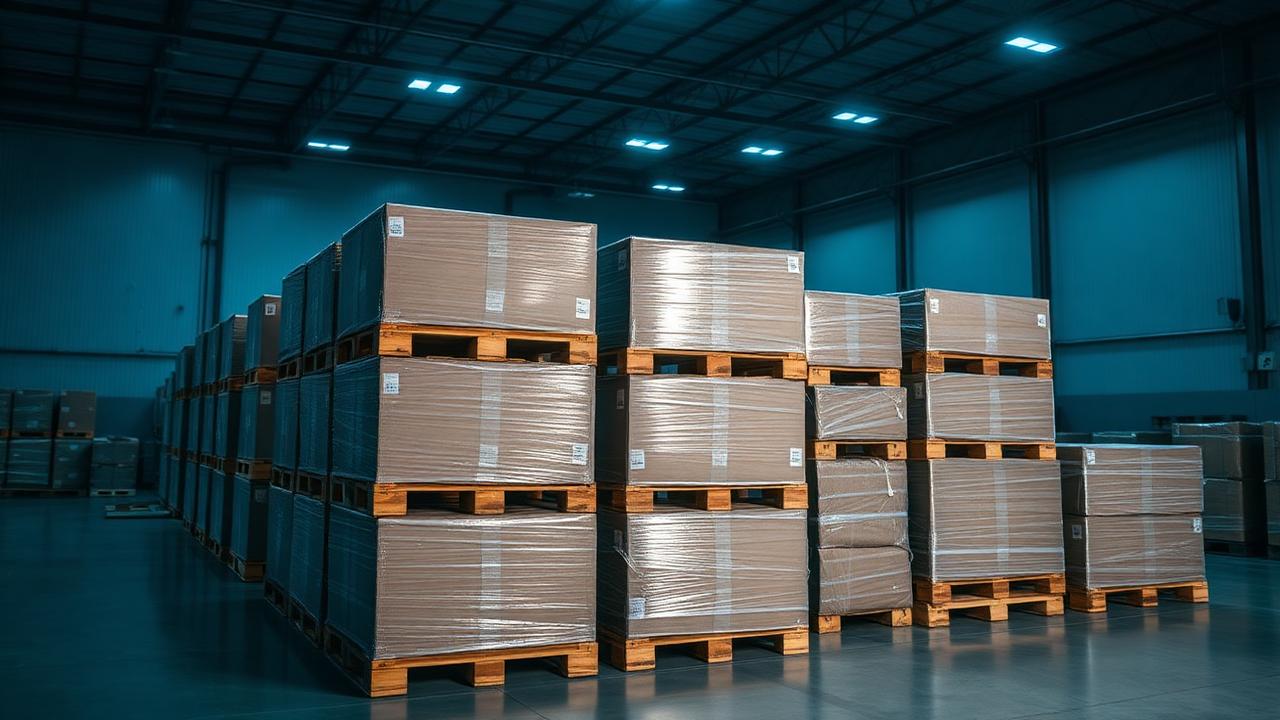 Inventory Sourcing
Three summers ago, we bought a 140-pair footwear lot originating from an East Coast distribution hub. The manifest promised "premium brand athletic footwear." On paper, the numbers looked like pure profit: $1,200 bid, estimated original retail around $9,500. Then the truck pulled up, and the driver lowered the skid onto my driveway.
Half the original boxes were crushed like accordions. Out of 140 pairs, twelve were single shoes without a mate. Another eighteen were size 13.5 and size 14 running shoes that took seven months to move on Poshmark at deep discounts. By the time we paid listing fees, shipping supplies, and linehaul overhead, our net return was $112 for forty hours of sorting, wiping soles, and taking photo angles.
If you want to survive learning how to buy shoe liquidation pallets, you have to treat footwear like a numbers game played with incomplete information. Footwear carries higher return rates and stranger inventory traps than almost any other category on resale marketplaces.
How to Buy Shoe Liquidation Pallets: Manifests and Grading
Footwear liquidation lots generally come from three pipelines: shelf pulls, customer returns, and online fulfillment overstock.
Shelf pulls are merchandise that sat on retail store racks past their seasonal window. The original boxes are usually included, though they might have clearance stickers, marker marks on the soles, or wear from customers trying them on in the store aisle. Expect a recovery rate around 30% to 45% of original retail price on these.
Customer returns are far riskier. Shoes returned through ecommerce portals have often been worn on asphalt, washed in laundry machines, or swapped out by dishonest buyers who kept the new pair and stuffed their old shoes back into the box. Category recovery rates on return-grade footwear drop down to 15% to 25%.
Understanding grade designations keeps you from burning working capital:
- Grade A (Overstock / Clean Shelf Pulls): Original retail boxes intact, minimal box wear, true matching pairs, no visible sole wear.
- Grade B (Box-Damaged / Display Models): Includes light customer try-on wear, heel creasing, or missing box lids. Perfect for platforms where boxes do not dictate value.
- Grade C (Raw Customer Returns): Unboxed shoes, noticeable wear, dirt, missing insoles, or mismatched sizes that require deep cleaning.
- Grade D (Salvage): Single shoes, broken zippers, snapped heels, or counterfeit swaps.
When you scan a manifest, look closely at the size distribution. A lot packed with sizes 6 to 10 in women’s or 8 to 12 in men’s will liquidate twice as fast as a lot dominated by extra-small or extra-large outliers.
Transport, Platform Fees, and The Real Margins
You cannot evaluate a footwear pallet without running the total freight numbers first. Footwear is bulky. A pallet containing 100 to 150 boxed pairs fills a standard 48x40x60 gaylord or skid stack, weighing anywhere from 300 to 500 pounds.
LTL (Less-Than-Truckload) freight rates fluctuate between $0.80 and $2.50 per mile depending on fuel surcharges and lanes. If you operate out of a residential garage without a loading dock, carrier accessorials will eat your margins fast:
- Liftgate service: $50 to $75
- Residential delivery fee: $50 to $100
- Limited-access delivery: $30 to $60
Add those accessorials together, and you have added $150 to $235 in shipping overhead before a single shoe gets processed.
Selling channels take their cut next. eBay charges roughly 13.25% plus a $0.30 order fee. Poshmark takes a flat 20% commission on sales over $15. Mercari charges cash-out fees and buyer-facing service costs that depress listing prices. Facebook Marketplace takes 5% on shipped items, though local pickup eliminates fees entirely for low-grade salvage.
Full P&L Breakdown: A 120-Pair Department Store Lot
Here is a realistic line-by-line financial breakdown for a mixed footwear pallet sourced from a department store liquidation portal.
Acquisition & Inbound Expenses:
- Winning Bid (120 pairs): $1,400.00
- Linehaul LTL Freight: $280.00
- Liftgate & Residential Accessorials: $110.00
- Total Cost Basis: $1,790.00 ($14.92 unit cost)
Manifest Breakdown & Realized Resale Revenue:
- 12 Pairs Grade D (Single shoes / ruined): $0.00 (Trash / local bundle dump)
- 38 Pairs Grade A (Boxed athletic brands like Brooks, Nike, On): Sold at $55.00 avg = $2,090.00
- 45 Pairs Grade B (Unboxed fashion boots & sandals): Sold at $32.00 avg = $1,440.00
- 25 Pairs Grade C (Outlier sizes 5.5 / 13, light wear): Sold at $18.00 avg = $450.00
- Gross Revenue: $3,980.00
Fees & Supplies:
- Selling Platform Fees (eBay/Poshmark ~15% avg blend): $597.00
- Transaction Fixed Fees (108 sales x $0.30): $32.40
- Shipping Supplies (Poly bags, shoe boxes, tape): $129.60 ($1.20 per unit)
- Total Variable Costs: $759.00
Net Results:
- Net Profit: $3,980.00 - $1,790.00 - $759.00 = $1,431.00
- Net Margin: 35.9%
- Return on Investment (ROI): 79.9%
- Average Hold Time: 75 days
This lot makes money because the cost per pair stayed under $15 and over 30% of the manifest contained tier-one athletic footwear. If this same pallet was 120 pairs of unbranded private-label flats, the gross revenue would cut in half and push the lot into a net loss.
Sourcing Platforms Compared
Different liquidators source from different retail pipelines. Here is how the major procurement channels stack up for footwear buyers.
| Sourcing Channel | Average Condition | Primary Brand Types | Freight Setup | Typical Cost (% of Retail) |
|---|---|---|---|---|
| Direct Retailer B2B Auctions | Mixed Returns / Shelf Pulls | Name Brands & Athletic | Customer-Arranged LTL | 12% - 18% |
| Wholesale Liquidation Brokers | Mixed Overstock | Department Store / Fashion | Fixed Flat-Rate Shipping | 18% - 25% |
| Unmanifested Truckloads | Salvage & Raw Returns | Fast Fashion / Private Label | Dedicated Truckload | 5% - 10% |
| Regional Liquidator Warehouses | Manifested Shelf Pulls | Out-of-Season Casual | Local Pickup (Zero Freight) | 20% - 30% |
How to Buy Shoe Liquidation Pallets with Clean P&Ls
If you want consistent profits, run every potential bid through a rigorous pre-purchase audit. Never guess what a pallet is worth based on retail MSRP numbers provided by the liquidator. Retail MSRPs on footwear are inflated artifacts from six months ago.
Start by pulling the manifest into a spreadsheet or a manifest analysis tool like PalletIQ to check model numbers against active sold listings on eBay and Mercari. Pay attention to current supply. If eighty sellers are offering the exact same pair of liquidation sneakers for $29 shipped, your realistic payout is around $18 after shipping costs.
Look at brand density. A pallet containing 20 pairs of Hoka, Brooks, or Jordan models covers the purchase cost of the entire skid. The remaining 80 pairs of mid-tier dress shoes or sandals become pure profit margin.
Filter for box state. Shoes listed as New with box sell 40% faster and command a 25% price premium over New without box items. If the manifest notes damaged or missing boxes, automatically adjust your estimated resale values down by one-third across the board.
Where This Goes Wrong: The Single-Shoe and Size-14 Trap
Footwear liquidation fails in predictable ways. The primary hazard is unmanifested lot buying.
When you buy unmanifested return gaylords, you are taking on the retailer's trash sorting operation. Distribution centers process returns quickly. Processing clerks toss loose shoes into giant cardboard boxes without checking if both shoes in a box belong to the same style or size. You will routinely receive a size 8 left boot paired with a size 9.5 right boot.
Another common pitfall is the size tail. Outlier sizes, under size 6 for women or over size 13 for men, move slowly. They occupy shelf space and lock up working capital for six to twelve months. If 40% of your pallet falls into these outlier sizes, your actual velocity drops to a crawl.
Finally, watch out for dry rot and material degradation on aged overstock. Synthetic leather on cheap boots crumbles if stored in non-climate-controlled warehouses for multiple seasons. Inspect sole flexibility immediately upon delivery.
What is the average profit margin on shoe liquidation pallets?
Net profit margins typically range from 25% to 40% after accounting for freight, marketplace commissions, packing supplies, and unsellable pairs. High-tier athletic lots produce better margins, while generic department store footwear leans closer to 20%.
Can you sell shoe liquidation items without the original boxes?
Yes. Unboxed shoes sell well on platforms like Poshmark, Mercari, and eBay under "New without box" or "Pre-owned" conditions. However, unboxed footwear commands roughly 20% to 30% lower prices and takes longer to sell than boxed inventory.
How do you deal with single shoes or mismatched pairs in a pallet?
Single shoes and mismatched pairs should be sorted immediately during intake. You can sell single athletic shoes on eBay to adaptive athletes or buyers looking for replacement shoes, or bundle unusable pairs together as local craft and salvage lots to recover base costs.
Final Thoughts
Learning how to buy shoe liquidation pallets successfully comes down to strict manifest math and realistic resale expectations. Inspect brand splits, budget for freight accessorials, discount unboxed inventory, and walk away from unmanifested return lots until you have the warehouse space to process bulk salvage.
Pallet IQ Editorial Team
We buy, grade and resell liquidation pallets, then turn what we learn into the tools on Pallet IQ. Every guide here comes from real manifests, real bids and real sell through numbers.
Written August 16, 2026, last reviewed October 19, 2026