How to Flip Beauty Product Pallets for Profit
Beauty pallets look like high-margin gold until you pull a box of exploded shampoo and expired retinol. Here is how working resellers evaluate, process, and turn cosmetic lots into cash.
By Pallet IQ Editorial Team
Published · Updated
 Inventory Sourcing
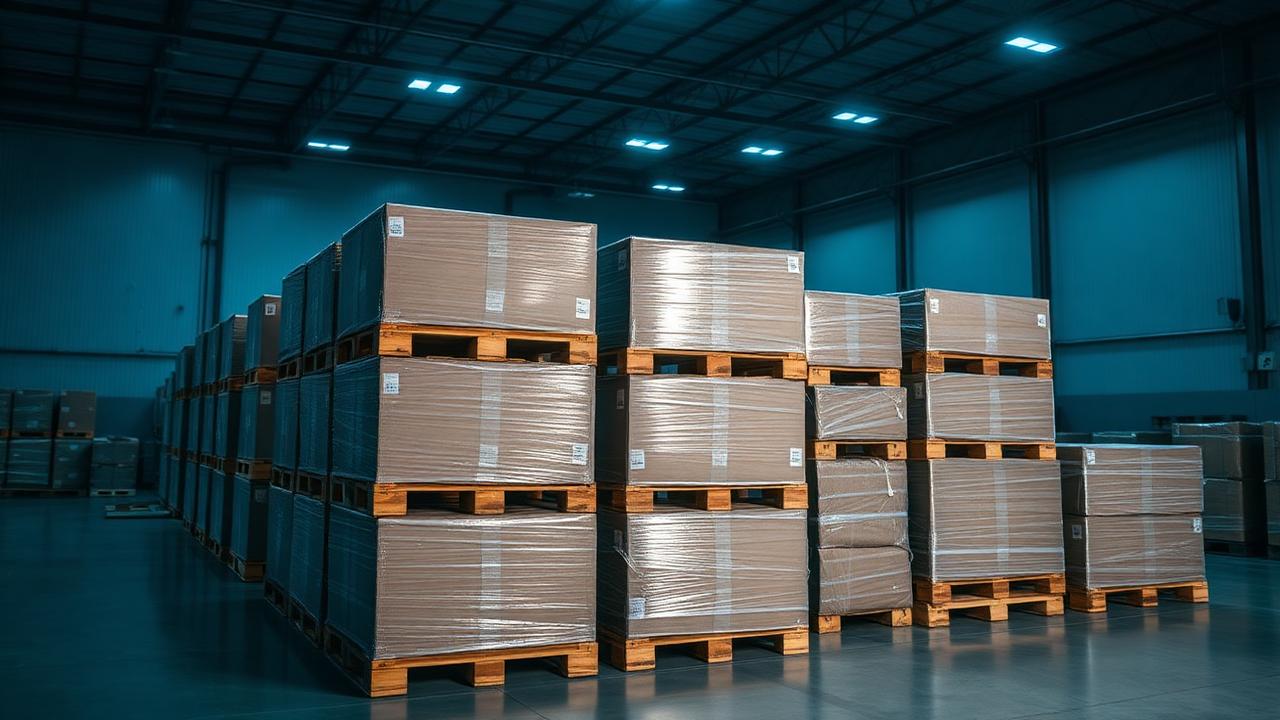
We took delivery of a two-pallet lot out of an Atlanta distribution hub last spring. Four thousand units of boxed skin creams, lip oils, and premium shampoo. On paper, it was a home run: $1,200 bid price for $18,000 in original retail value. Then we opened box three. A single bottle of purple toning shampoo had burst in transit, coating eighty surrounding items in sticky indigo dye. Half the lot was ruined or required forty-five minutes of scrubbing per bottle.
That haul taught us the main rule of cosmetic liquidation: high retail value means nothing if the goods are expired, exploded, or impossible to ship legally. If you want to know how to flip beauty product pallets, you need to understand that this category carries higher margins than apparel, but far higher landmines than electronics. Here is how we evaluate, process, and sell these loads without taking a loss.
Understanding Beauty Lot Grades: Shelf Pulls vs. Store Returns
Beauty liquidation generally falls into four distinct sourcing buckets. Buying blind without knowing which bucket you are looking at is the fastest way to lose your shirt.
Grade A shelf pulls are overstock items removed from retail shelves to make room for new seasonal inventory. The packaging might have price stickers or mild shelf wear, but the factory seal is intact. Expiration dates are usually six to twelve months out. These yield the highest recovery rate, typically 35% to 45% of original MSRP.
Grade B customer returns are items brought back by retail shoppers. In the beauty world, this is a minefield. Hygiene regulations mean any open cosmetic product cannot be resold as new. Expect 20% to 30% of a customer-return pallet to go straight into the trash because of missing safety seals, pump test sprays, or swatched lipsticks.
Salvage and master-case liquidations are bulk lots of damaged, near-expiry, or discontinued inventory. You will see these sold in giant cardboard gaylords. Recovery rates here sink to 10% to 15%, and your main buyers will be local flea market sellers or lot-bundle bargain chasers.
Brand Gating and Shipping Restrictions
Before you place a bid on a pallet of high-end serum or prestige mascara, check where you can actually sell it. Amazon is notoriously strict about cosmetic gating. If you do not have direct invoices from authorized distributor channels, you will not be able to list major brands like L'Oréal, Neutrogena, or Estée Lauder on Amazon. Receipt slips from liquidation auctions do not count as invoices.
Instead, most beauty resellers rely on eBay, Poshmark, and Mercari. Poshmark is exceptional for high-end skincare bundles, while eBay handles volume bulk listings for drugstore brands cleanly.
Pay attention to shipping rules, too. Perfumes, body sprays, and nail polishes contain alcohol or pressurized propellants. That makes them Hazardous Materials (HazMat) under US Postal Service rules. You cannot ship perfume via air transport like USPS Priority Mail. It must move via ground transit (USPS Ground Advantage) with the proper ORM-D or Hazardous Materials shipping label. Factor these longer delivery times into your cash-flow calculations.
Realistic P&L: Breaking Down a 400-Unit Beauty Lot
Let us look at a real-world unit economy example. Suppose you win a single 400-unit shelf-pull lot consisting of mixed drug-store and mid-tier cosmetics (think e.l.f., Maybelline, CeraVe, and Burt's Bees).
Purchase and Freight Costs
- Winning Auction Bid: $750.00
- Buyer's Premium (10%): $75.00
- LTL Freight (300 miles, commercial to residential): $185.00
- Residential Delivery + Liftgate Accessorial Fees: $85.00
- Total Landed Cost: $1,095.00
Processing and Shrink
- Total units received: 400
- Expired items (trash): 30 units
- Damaged / leaked items (trash): 20 units
- Opened / unsealed items (local bundle discount): 30 units
- Sellable Grade-A Units: 320 units
Resale Projection and Net Profit
If you average the 320 sellable units across eBay and Poshmark by bundling items into 2-packs and 3-packs, your average sale price works out to $11.00 per unit gross revenue.
- Gross Sales (320 units x $11.00): $3,520.00
- Marketplace Platform Fees (approx. 13.5% avg): -$475.20
- Poly mailers, bubble wrap, tape: -$65.00
- Cost of Goods Sold (Landed Cost): -$1,095.00
- Net Profit: $1,884.80
- Return on Investment: 172%
This P&L assumes you filter out dead inventory immediately. If you try to list leaky or unsealed products online, your return rates and buyer claims will swallow that profit margin in three weeks.
Comparing Beauty Sourcing Categories
To help you decide where to allocate your capital, here is how the primary cosmetic liquidation tiers stack up against each other.
| Sourcing Tier | Primary Contents | Expected Yield | Primary Resale Outlets | Risk Level |
|---|---|---|---|---|
| Target / CVS Overstock | Shelf pulls, seasonal displays, clean box | 35% - 45% recovery | eBay, Mercari, Poshmark | Low |
| Department Store Returns | High-end skincare, perfumes, open items | 20% - 30% recovery | Poshmark, Local Bundles | Medium-High |
| Drugstore Master Gaylord | Unmanifested shampoo, soap, mixed hygiene | 15% - 25% recovery | Flea Market, Local Whatnot | High |
| Liquidation Liquidity Sales | Closeouts, near-expired inventory | 10% - 20% recovery | Discount Retail, Flea Market | Extreme |
How to Flip Beauty Product Pallets Without Getting Burned
When you are starting out, stick strictly to manifested loads. A manifest analysis tool like PalletIQ helps you check itemized UPCs against current marketplace values before you drop cash on an auction. If a manifest shows 300 units of liquid foundation, but 200 of those units are in a single shade that nobody wears, the overall MSRP value on the auction listing is meaningless.
Next, master batch codes. Cosmetics do not always print expiration dates clearly on the tube. Instead, manufacturers print a 4- to 6-character batch code on the bottom crimp or container base. Use sites like CheckFresh or CheckCosmetic to run these codes. If that high-end anti-aging serum was manufactured four years ago, the active ingredients are degraded, and the product is rancid.
When processing inventory:
- Wipe down every single bottle with isopropyl alcohol to remove warehouse dust and sticky residue.
- Group identical low-dollar items (like lip liners or nail polishes) into multi-packs of three to five items to offset base shipping costs.
- Store inventory in temperature-controlled spaces. Storing cosmetics in an unconditioned garage during August will melt lipsticks and separate lotions, turning your inventory into garbage.
How This Goes Wrong: The Expiration and Leak Catastrophe
The most common failure mode in beauty flipping is what we call the cascade leak. Liquidation freight moves fast, and truck drivers drop pallets hard. If a manifest contains heavy liquid items like shampoo or body wash sitting on top of paper-boxed face creams, one crushed bottle will seep downward through three layers of boxes.
We once watched a reseller lose $800 on a single lot because twenty bottles of glycolic face wash burst during transport. The wash melted the cardboard packaging of 150 boxed eye creams beneath it. The eye creams were fine inside their glass jars, but because the retail boxes were ruined, they could no longer be sold as new shelf pulls. Their market value dropped from $24 each down to $6 each overnight.
Always inspect the outer shrinkwrap of a pallet at delivery. If the bottom of the pallet looks wet or stained, document it on the Bill of Lading (BOL) before signing for the shipment. That paper trail is your only leverage for freight damage claims.
Can you sell opened cosmetics on eBay or Poshmark?
No. Both platforms strictly forbid selling used or unsealed cosmetics due to health and safety regulations. You can sell items that have scuffed outer packaging, provided the internal seal or hygiene foil is intact. Unsealed or swatched items should be thrown out or kept for personal use.
How do you ungate major cosmetics brands on Amazon?
You need wholesale invoices showing the purchase of at least 10 units of the brand's products directly from the manufacturer or an authorized distributor. Liquidation invoices and auction receipts are rejected by Amazon's seller approval team.
What is a normal recovery rate on beauty liquidation pallets?
A realistic net recovery rate on manifested shelf-pull beauty lots ranges between 30% and 45% of original retail value after accounting for fees, freight, and discarded expired product. Returns-heavy lots often net under 20%.
Learning how to flip beauty product pallets profitably comes down to ruthless grading, tight processing, and realistic margin expectations. Keep your shipping costs tight, check your batch codes, and never bid on unmanifested returns expecting grade-A inventory.
Pallet IQ Editorial Team
We buy, grade and resell liquidation pallets, then turn what we learn into the tools on Pallet IQ. Every guide here comes from real manifests, real bids and real sell through numbers.
Written August 15, 2026, last reviewed October 19, 2026