How to Resell Kitchen Liquidation Pallets for Profit
Small kitchen appliances carry high return rates and heavy freight costs. Here is how we break down manifests, test units, and actually make money on kitchen liquidation pallets.
By Pallet IQ Editorial Team
Published · Updated
 Liquidation Reselling
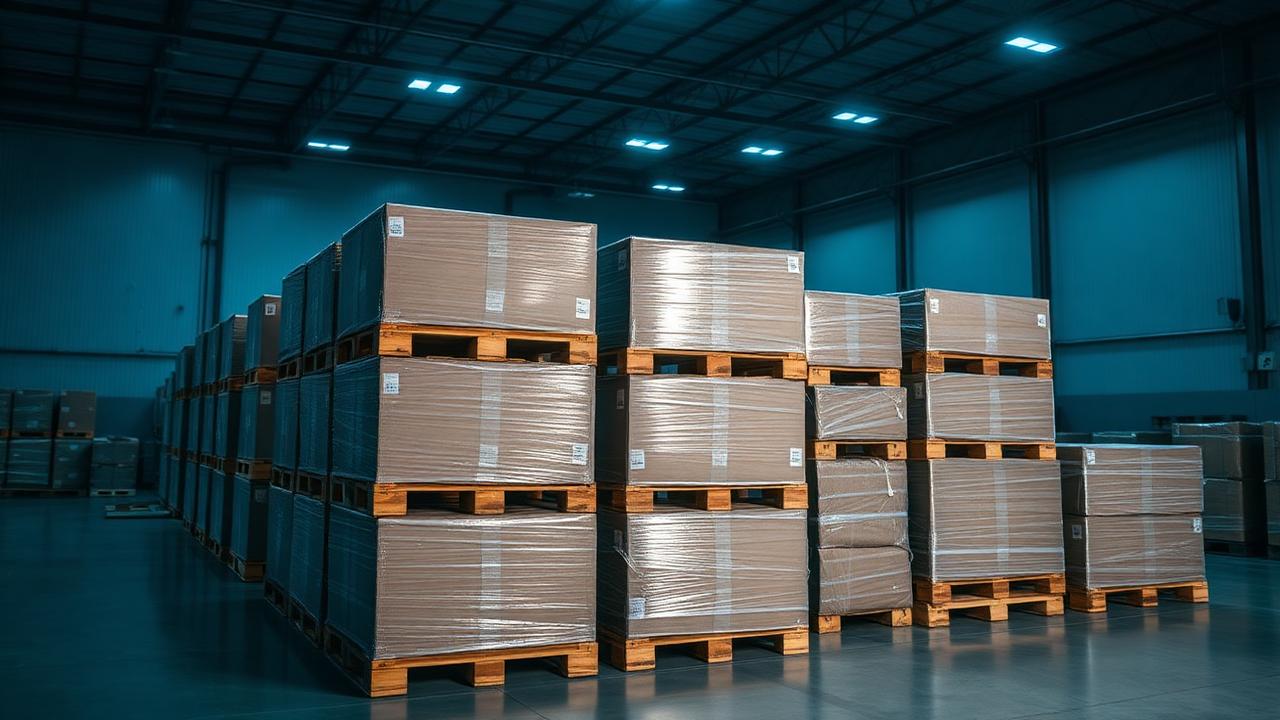
Two months ago, a liftgate truck backed into our bay and unloaded a 36-unit small-appliance pallet originating from a major retailer's return center in Columbus. On paper, the manifest looked clean: air fryers, espresso machines, high-end blenders, and countertop toaster ovens. The total original retail value sat at $4,100, and our winning bid was $520. By the time we wiped down grease traps, sourced three missing power cords, and tossed two dead espresso machines into the scrap bin, we realized learning how to resell kitchen liquidation pallets is less about buying cheap inventory and more about managing physical processing time.
Kitchen gear is unique in the resale market. Unlike apparel, people expect electrical items to work right out of the box. Unlike tools, kitchen inventory arrives covered in dried soup, coffee grounds, and mystery crust. If you do not have a systematic way to test, clean, and price these units, your workspace will quickly turn into an expensive graveyard of half-broken air fryers.
Understanding Kitchen Liquidation Grading and Recovery Rates
When you buy liquidation inventory, expected recovery rate is your true compass. Recovery rate is the percentage of the original retail price (MSRP) you capture as gross revenue after selling the item. Across the industry, general categories perform differently. Apparel generates a brutal 8% to 15% recovery, tools pull 30% to 45%, and consumer electronics land between 25% and 40%. Small kitchen appliances sit right in the 25% to 35% bracket.
You cannot evaluate a lot without knowing the inventory grade. Every liquidator uses slightly different labels, but the physical reality breaks down into four tiers.
- Grade A (Overstock/Shelf Pulls): Unopened boxes, customer clean, 100% complete. Expect to recover 45% to 55% of MSRP on these, but bid prices will reflect that efficiency.
- Grade B (Customer Returns - Light Use): Opened boxes, cosmetic blemishes, missing manuals, fully functional core units. Expect 30% to 40% recovery.
- Grade C (Customer Returns - Heavy Use/Missing Parts): Visible food residue, missing crumb trays, dented stainless steel, stripped gears. Expect 15% to 25% recovery.
- Grade D (Salvage/Raw Returns): Untested, unmanifested junk. Fire hazards, cracked glass carafes, clipped cords. Recovery rarely clears 10% after labor costs.
If a lot claims to be "Grade A/B Mix," assume 60% of the pallet is Grade B and 20% is Grade C. The remaining 20% will be un-sellable trash or missing vital components like blending pitchers.
Freight Costs: The Silent Profit Killer
You can win a pallet of Instant Pots for $200 and still lose money before the truck even leaves the hub. Freight pricing destroys small-scale buyers who fail to account for accessorial charges.
Less-Than-Truckload (LTL) freight currently runs between $0.80 and $2.50 per mile, depending on diesel prices and lane density. But the base linehaul rate is only half the invoice. If you operate out of a residential address without a dedicated loading dock or forklift, carriers slap extra fees on your bill.
- Residential Delivery Fee: $50 to $100
- Liftgate Service Fee: $50 to $75
- Limited Access Fee: $30 to $60
- Re-notification/Appointment Fee: $15 to $35
A $250 freight quote instantly swells to $435 because you needed a liftgate truck to drop the pallet at the end of your driveway. Suddenly, your cost basis per unit increased by $7 before you even cut the shrink wrap.
Comparing Retailer Kitchen Pallet Sources
Not all return streams are built equal. Retail chains handle reverse logistics differently, resulting in vastly different pallet contents.
| Source Retailer | Primary Product Mix | Common Defects | Average Salvage Yield |
|---|---|---|---|
| Big Box Retailer A | Air fryers, toaster ovens, pressure cookers | Missing inner baskets, food residue | 75% Functional |
| Wholesale Club B | High-end espresso machines, stand mixers | Broken glass carafes, shipping dents | 82% Functional |
| Online Marketplace C | Off-brand coffee makers, milk frothers | Dead heating elements, open boxes | 60% Functional |
| Department Store D | Premium cookware sets, cutlery, blenders | Missing individual pots/knives, damaged retail boxes | 88% Functional |
Wholesale clubs generally yield higher recovery per unit because their member return windows are generous, meaning items are often returned simply because the customer changed their mind, not because the heating element burnt out.
A Worked P&L for Kitchen Liquidation Lots
Let us run the math on a mid-sized manifest to show how margins actually behave. This is a real-world scenario based on a 24-unit mixed small-kitchen lot purchased from a regional liquidation broker.
The Purchase Basis
- Original Total MSRP: $3,200
- Winning Bid (14% of MSRP): $448
- Buyer Premium (10%): $44.80
- LTL Freight Charges: $190.00
- Residential + Liftgate Accessorials: $110.00
- Total Landed Cost: $792.80
- Landed Cost Per Unit: $33.03
The Manifest Reality Check
After unboxing, inspecting, plug-testing, and running water through the coffee systems, the 24 units broke down as follows:
- 5 Units Functional but Missing Accessories: Sold locally on Facebook Marketplace at a discount (e.g., an air fryer with no crisper tray).
- 2 Units Salvage/Parts Only: Sourced parts off them to fix other units or sold assemblies (e.g., Vitamix motor base kept, cracked pitcher discarded).
- 2 Units Completely Dead: Internal board short, scrapped for scrap metal/copper wiring.
Financial Realization
We sold 15 prime units online across platforms charging roughly 13.25% plus a $0.30 transaction fee (like eBay). Five units sold locally for cash with zero fees. Two units sold for parts.
- Online Sales Gross (15 units): $1,240.00
- Local Sales Gross (5 units): $225.00
- Parts Sales Gross (2 units): $50.00
- Total Gross Revenue: $1,515.00
Now we subtract the real costs to see what is left.
- Total Landed Inventory Cost: $792.80
- Marketplace Platform Fees (~13.25% + per-order fees): $168.90
- Out-of-Pocket Shipping Costs (net of buyer payments): $145.00
- Cleaning & Packaging Supplies (bubble wrap, boxes, degreaser): $35.00
- Total Expenses: $1,141.70
- Net Cash Profit: $373.30
We generated a 47% Return on Investment (ROI) relative to total cash outlay. However, processing took 7 hours of total labor across receiving, testing, scrub-cleaning, photographing, listing, and packing. That equals roughly $53.32 per hour of shop labor. It is a solid win, but if five more units had been broken, that hourly rate would have collapsed to minimum wage.
How to Resell Kitchen Liquidation Pallets Without Wasting Time
If you want to know how to resell kitchen liquidation pallets consistently without drowning in broken plastic, you need an aggressive sorting protocol.
First, triage your space. Do not pull everything off the pallet at once if you are working out of a single-car garage. Stage four distinct zones: Receiving, Testing/Cleaning, Photo/Listing, and Shipping Bin Storage.
Second, test smart. Keep a bucket of soapy water, heavy-duty degreaser, a multi-bit screwdriver set, a kill-a-watt meter, and universal replacement power cords near your bench. Plug every appliance in. Verify that heating coils actually draw current. An indicator light coming on means nothing if the element inside the air fryer stays cold.
Third, pick the right sales channel for the item weight.
- Heavy Items (Stand Mixers, Countertop Ovens): Sell locally via Facebook Marketplace or OfferUp. Shipping a 30-pound KitchenAid mixer across country eats $25 to $40 in UPS fees, killing your margin.
- Light, High-Value Items (Blender Bases, Specialty Juicers): Sell on eBay or Mercari. They fit in standard boxes, weigh under 10 pounds, and carry national demand.
- Incomplete Units: Pull the power cord, knobs, stainless bowls, or replacement blades. List them individually on eBay as OEM replacement parts. A replacement lid for a Ninja blender often sells faster and for a higher net margin than the entire broken blender setup.
When evaluating high-density manifests with hundreds of line items, using a manifest analysis tool like Pallet IQ helps flag low-margin, heavy-weight items before you place a bid you regret.
How This Goes Wrong: The Glass and Heating Element Trap
The failure mode in small appliances is predictable. It breaks down into three specific points of failure: cracked glass, burnt heating coils, and missing proprietary attachments.
Take coffee makers and blender packages. Liquidators often throw pallets around with forklifts. Heavy motor bases crush delicate glass carafes inside flimsy retail boxes. You open the lot to find 10 working blender bases, but all 10 glass pitchers are shattered into dust. Replacement pitchers bought from the manufacturer cost $30 each, which completely eliminates your upside.
Another trap is burnt-out heating coils in air fryers and toaster ovens. Customers often run these units, overheat them by clogging ventilation, and return them when the internal thermal fuse blows. If you do not know how to test thermal fuses with a multimeter or replace a $2 inline fuse yourself, you end up tossing a $120 retail appliance into the recycling pile.
Finally, beware of missing proprietary accessories. An air fryer without its basket drawer is useless to a retail buyer. A food processor without its center spindle shaft is scrap plastic. Always inspect manifest photos closely. If you see open-box items with loose parts rolling around the stretch wrap, lower your maximum bid by at least 25%.
Final Rules for Buying Kitchen Inventory
Learning how to resell kitchen liquidation pallets successfully requires maintaining discipline over your bid fingers. Never bid based on total retail MSRP alone. Calculate your max bid by starting with a conservative 30% gross recovery estimate, subtract fully loaded freight costs with all accessorials included, subtract platform fees, and back into your number.
Set hard limits. If your math dictates a maximum bid of $400, stop at $400. The resellers who go broke in this business are the ones who get competitive on auction timers, overpay for freight, and end up scrubbing dried cheese out of $20 toaster ovens for three dollars an hour.
FAQ
What tools do I need to test liquidized kitchen appliances?
You need a standard digital multimeter, a kill-a-watt monitor to measure electrical draw, safety gloves, heavy-duty citrus degreaser, micro-fiber towels, replacement 3-prong power cables, and a heat gun for label removal.
Is it better to buy unmanifested or manifested kitchen pallets?
Always buy manifested lots when starting out. Unmanifested kitchen pallets are typically raw returns or salvage dumps with low recovery rates under 15%. Manifests allow you to calculate estimated weight, brand concentration, and resell potential before risking your capital.
Where is the best place to sell refurbished kitchen appliances?
Heavy appliances sell best on local marketplaces like Facebook Marketplace or OfferUp to avoid high shipping fees. Portable high-value items and OEM replacement parts sell fastest on eBay and Mercari, where you reach national buyers searching for specific model numbers.
Pallet IQ Editorial Team
We buy, grade and resell liquidation pallets, then turn what we learn into the tools on Pallet IQ. Every guide here comes from real manifests, real bids and real sell through numbers.
Written August 17, 2026, last reviewed October 19, 2026