How to Flip Overstock Pallets Without Losing Your Shirt
Overstock sounds easy until a carrier drops three pallets of slow decor on your driveway. Here is how we evaluate manifests, budget freight, and flip overstock lots for real profit.
By Pallet IQ Editorial Team
Published · Updated
 Liquidation Reselling
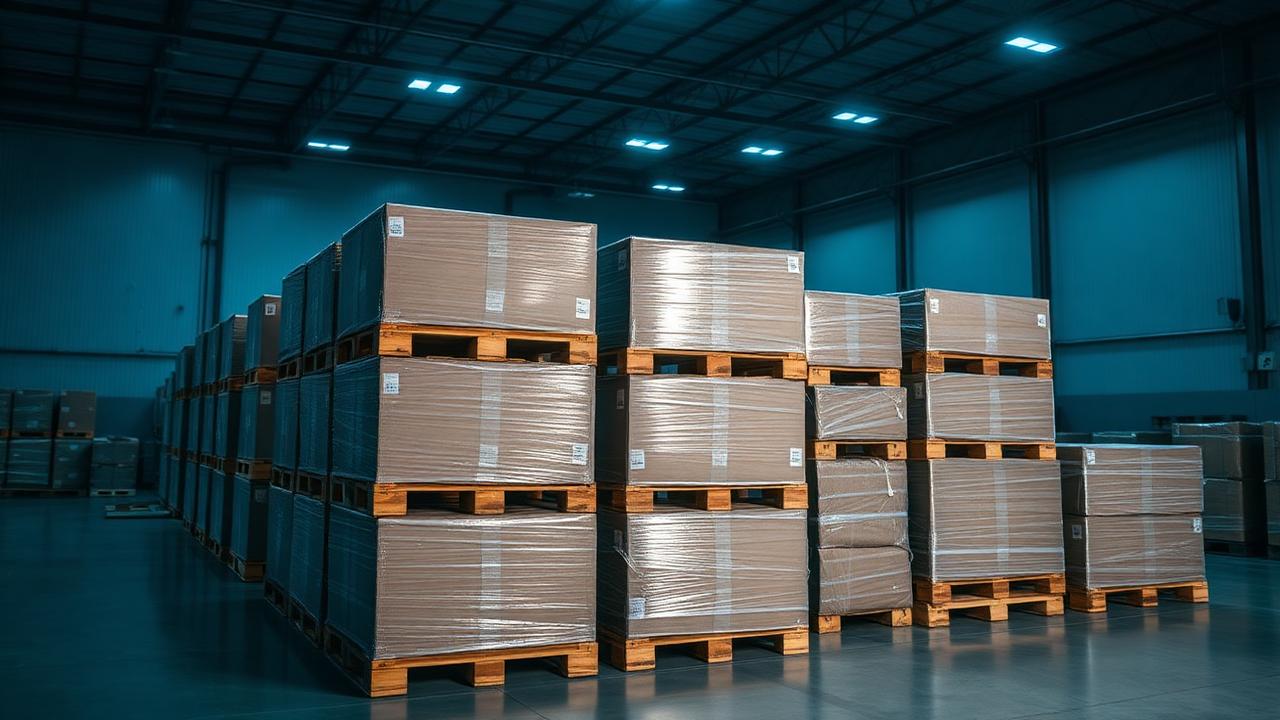
Three years ago, I bought four pallets of excess patio accessories out of a distribution center in Columbus, Ohio. I assumed overstock meant mint condition, ready to ship, and simple profit. I paid $1,400 for the lot and another $420 in freight, only to realize two pallets contained sun-faded cushion sets and missing hardware packs. We still cleared $600 net profit, but it took three months of warehouse space and twenty customer messages to move it all.
Learning how to flip overstock pallets profitably comes down to cold math, channel selection, and realizing that overstock is not pristine wholesale inventory. It is excess stock a retailer paid to clear off their balance sheet. If you understand how to price that risk, overstock is the most predictable category in secondary retail.
Why Overstock Pallets Beat Customer Returns
Many new resellers jump straight into customer returns because the original MSRP totals look massive. A $10,000 retail manifest for $800 sounds incredible until you open the boxes and find broken screens, missing power bricks, and greasy air fryers.
Overstock is different. These items never left the warehouse or spent time in a consumer's home. They represent excess buy units, seasonal end-of-life runs, or packaging updates.
You pay more for overstock than raw returns. Expect to pay 15-25% of original MSRP for solid overstock lots, compared to 8-15% for uninspected customer returns. The trade-off is processing speed. You spend less time cleaning, testing, and writing custom descriptions for individual items.
Grade A overstock should arrive in factory-sealed master cartons. Grade B overstock might show minor shelf wear, price stickers, or crushed exterior boxes from warehouse transfer shifts. Both grades bypass the multi-hour testing phase required for returns.
How to Flip Overstock Pallets: Calculating True Margins
Never buy a lot based on total MSRP alone. High MSRP numbers hide slow-moving items. A pallet containing two hundred $15 retail phone cases has a $3,000 MSRP, but you will spend five years selling them for $4 each on eBay after shipping and fees.
When evaluating a manifest, filter for item density and velocity. Look for units that sell routinely on secondary marketplaces for $25-$80. Below $20, shipping costs devour your margins. Above $100, buyer fraud and returns eat your profits.
Here is a real P&L from a recent 48-unit overstock kitchen appliance lot sourced out of a regional facility in Indiana.
- Original Total MSRP: $4,800
- Purchase Cost (18% of MSRP): $864.00
- LTL Freight Shipping (320 miles): $215.00
- Residential Delivery + Liftgate Accessorials: $110.00
- Total Landed Cost: $1,189.00
- Cost Basis Per Unit: $24.77
Now, let us look at the real-world resale math across 48 units. We assume a 90% sellable rate to account for damaged packaging or unexpected missing accessories.
- Sellable Units: 43 items
- Average Market Selling Price (55% of original MSRP): $55.00
- Total Gross Revenue: $2,365.00
- Average Platform Fees (eBay ~13.25% + $0.30 per sale): $326.00
- Outbound Shipping Supplies & Subsidies ($4.00 per item): $172.00
- Total Net Revenue: $1,867.00
- Net Profit: $678.00
- Return on Cash Invested: 57.0%
Notice that freight represented nearly 27% of the initial cash outlay. If you forget to calculate freight accessorials like liftgate charges, your projected 57% ROI drops into the low 30s instantly.
Comparing Inventory Categories for Resale
Before placing bids, compare the operational requirements of overstock against other liquidation types.
| Inventory Class | Purchase Price (% MSRP) | Expected Recovery Rate | Processing Time Per Unit | Risk Profile |
|---|---|---|---|---|
| True Overstock | 15-25% | 45-60% | 5-10 minutes | Low |
| Shelf Pulls | 12-20% | 35-50% | 10-15 minutes | Low to Moderate |
| Customer Returns | 8-15% | 25-40% | 20-45 minutes | High |
| Salvage / D-Grade | 3-8% | 10-20% | 30+ minutes | Extreme |
Overstock wins on processing speed. You can manifest, photograph, and list a 50-unit overstock pallet in a single afternoon because you are creating template listings for duplicate items.
Step-by-Step Execution: How to Flip Overstock Pallets Across Channels
To keep cash flowing, do not rely on a single marketplace. High-volume resellers divide inventory across channels based on size, weight, and market demand.
1. Build Master Listings on Core Marketplaces
Use eBay for mid-tier items, brand-name small appliances, and vintage excess stock. eBay offers national reach and handles calculated shipping well for items over three pounds.
For lightweight items under one pound, platforms like Mercari or Poshmark often yield higher net margins due to flat-rate shipping structures.
2. Move Heavy and Bulky Items Locally
Shipping a 40-pound air purifier cross-country costs $35 to $50 via ground carriers. That wipes out your margin. Sell oversized items locally via Facebook Marketplace or OfferUp.
Price local items at 40-50% off retail, require cash or Zelle on pickup, and meet in public parking lots or out of your shop bay. Local cash sales eliminate platform commission fees and shipping risk entirely.
3. Lot Up Low-Value Items
If your overstock pallet includes thirty identical $10 items, do not list them individually. Create multipacks of three or five units, or sell them as a single wholesale bundle to flea market vendors. Your time has a dollar value. Spending ten minutes to package a item that nets $1.50 is how reselling businesses die.
Using a manifest analysis tool like Pallet IQ helps you catch these low-margin traps before you submit a final bid on a lot.
How Overstock Flips Fail: The Three Main Failure Modes
Flipping overstock looks simple on paper. In practice, three specific operational errors destroy reseller margins.
Accessorial Freight Surprises
When buying LTL (Less-Than-Truckload) freight, contract rates assume you have a commercial building with a loading dock and a forklift. If the carrier arrives at your home or self-storage unit with a 53-foot box truck and no liftgate, they will refuse delivery or apply sudden fees.
A residential delivery fee adds $50-$100. A liftgate fee adds another $50-$75. Limited-access location fees add $30-$60. Suddenly your freight bill jumps from $200 to $400, instantly wiping out the profit margin on a single-pallet buy.
Manifest Mismatch and Quantity Phantom Listings
Liquidators sometimes use stock images or outdated manifests. A manifest might list fifty units of high-end blender models, but the pallet arrives containing fifty base-model food processors from the same brand family.
Always check manifest terms. If a lot is sold as unmanifested or fully capped with non-recourse clauses, bid as if 30% of the value is missing. Never pay Grade A overstock prices for unverified spreadsheets.
Long-Tail Capital Stagnation
Overstock items are often overstock for a reason. The original retailer overbought because consumer demand dropped. If you buy three pallets of obscure smart-home hubs, they might carry a high market value, but only five people a month search for them.
Your cash gets tied up in inventory sitting on racks. If an overstock item does not move within 45 days, drop the price by 15% every two weeks until it clears. Liquidation reselling relies on velocity over max payout per item.
Frequently Asked Questions
Where can I buy legitimate overstock pallets without a business license?
Many major liquidation platforms require a state resale certificate, but sites like Liquidation.com, Direct Liquidation, and Bulq allow individual buyers to create accounts. However, buying without a resale certificate means paying local sales tax on the pallet purchase, which adds 6-10% to your upfront cost basis.
What is the difference between shelf pulls and overstock?
Overstock inventory never reached the retail sales floor and remained in master cartons at a distribution hub. Shelf pulls were displayed in retail stores, touched by customers, and pulled off shelves due to store resets, clearance cycles, or minor package damage. Shelf pulls carry higher damage rates than overstock.
How much cash do I need to start flipping overstock pallets?
You should start with at least $1,500 to $2,000 in dedicated working capital. This covers a single 1-2 pallet order ($500-$900), LTL freight delivery ($250-$450), basic shipping supplies like boxes and tape ($100), and a cash buffer for unexpected freight accessorials or buyer returns.
Final Strategy for Long-Term Resale Profitability
Mastering how to flip overstock pallets requires discipline over excitement. Stick to categories you understand, audit manifests thoroughly before bidding, and factor every freight fee into your max bid calculation. Treat liquidation like a volume logistics business, keep your cash moving, and let the real numbers dictate what you buy.
Pallet IQ Editorial Team
We buy, grade and resell liquidation pallets, then turn what we learn into the tools on Pallet IQ. Every guide here comes from real manifests, real bids and real sell through numbers.
Written August 26, 2026, last reviewed October 19, 2026