How to Flip via Trading Pallets: Real Numbers and Strategy
Liquidators make overstock sound like easy cash until a carrier drops four crushed mystery boxes in your driveway. Here is the math and process we use to turn actual profit.
By Pallet IQ Editorial Team
Published · Updated
 Liquidation Reselling
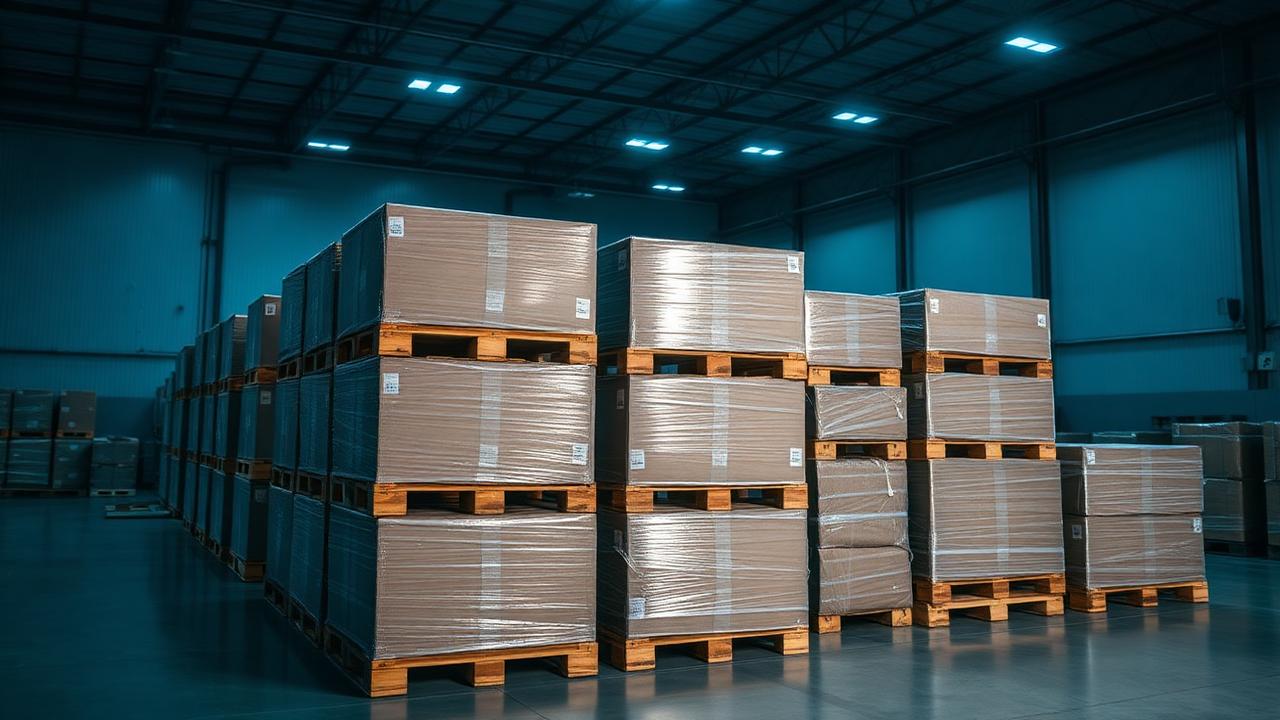
A freight truck backed down my residential driveway three years ago and dropped off a 48-unit load of customer returns out of a Charlotte fulfillment center. I had paid $1,400 at auction. The manifest looked clean on paper: air purifiers, vacuum cleaners, and high-end blenders. By midnight, I had opened half the boxes. Two vacuums were caked in pet hair, three blenders had burned-out motors, and one box contained a literally broken brick wrapped in bubble wrap. That single shipment taught me the harsh reality of liquidation. If you want to know how to flip via trading pallets and make actual money, you have to throw away retail logic entirely.
Flipping pallets is not about buying cheap and marking up MSRP. It is a game of risk management, recovery rate calculation, and freight logistics. You are acting as the cleanup crew for massive retailers who find it cheaper to write off inventory than to inspect it themselves. Once you accept that reality, you can build a predictable, profitable business.
Hard Rules for How to Flip via Trading Pallets
Every load you evaluate falls into a specific manifest grade. Knowing what these grades mean in practice will save you thousands of dollars.
Grade A inventory consists of customer returns that were never opened, shelf pulls, or overstock. Expect 60-80% of the items to be instantly sellable as new or open-box.
Grade B covers light cosmetic wear, damaged outer packaging, or missing manuals. Your sellable yield drops to 50-70%, but your purchase price is significantly lower.
Grade C items are raw customer returns. These are uninspected, uncleaned, and untreated. Expect 25-40% scrap or broken parts. This is where most beginners lose their capital because they pay Grade A prices for Grade C junk.
Grade D is salvage. Unless you own a dedicated repair shop with a supply of cheap spare parts, stay away from Grade D lots completely.
| Category | Expected Recovery | Primary Resale Platform | Main Risk Factor |
|---|---|---|---|
| Power Tools | 30-45% of MSRP | eBay, Local Cash | Missing batteries, broken chucks |
| Consumer Electronics | 25-40% of MSRP | eBay, Mercari | Remote locks, dead motherboards |
| Small Appliances | 20-35% of MSRP | Facebook Marketplace | High freight costs, missing accessories |
| Apparel & Soft Goods | 8-15% of MSRP | Poshmark, eBay | Stains, torn tags, wrong sizing |
Categories carry completely different recovery expectations. Electronics recover 25-40% of their original MSRP on average because technology depreciates quickly and return rates on broken items are high. Tools recover better, often hitting 30-45% of MSRP, because contractors care more about functionality than scratched paint. Apparel sits at the bottom of the ladder, usually recovering just 8-15% of listed retail value due to extreme over-saturation and sizing issues.
Calculating Real Costs Before Bidding on Trading Pallets
You cannot determine your target bid without knowing your total landed cost. Your winning bid at an online liquidation auction is usually only 50-60% of what you actually pay to get the inventory onto your workbench.
First, add the buyer's premium. Most liquidation auction platforms charge between 10% and 15% on top of your final bid price. If you win a pallet for $1,000, your subtotal is instantly $1,100 to $1,150.
Next comes LTL (Less-Than-Truckload) freight. Rates fluctuate, but you should budget between $0.80 and $2.50 per mile depending on fuel prices and lane density. Moving a single 400-pound pallet across three states can easily cost $300 to $600.
Then come the accessorial fees. If you do not have a commercial warehouse with a loading dock, the freight carrier will charge you extra:
- Residential delivery fee: $50 to $100
- Liftgate service fee: $50 to $75
- Limited-access fee (schools, storage units, rural roads): $30 to $60
Finally, factor in marketplace selling fees. eBay takes roughly 13.25% plus a $0.30 fixed fee per order. Amazon takes around 15%. Mercari charges 10%. Local cash sales on Facebook Marketplace avoid platform fees entirely, but they require time, messages, and meeting buyers in parking lots.
Real P&L Breakdown: A 24-Unit Power Tool Return Lot
To see how this works in practice, let us walk through a real-world scenario. You are looking at a 24-unit lot of raw power tool returns out of a distribution center in Columbus, Ohio. The total original MSRP listed on the manifest is $6,800.
- Winning Bid: $850
- Buyer's Premium (10%): $85
- Freight (340 miles): $629
- Residential Delivery + Liftgate Accessorials: $140
- Total Landed Cost Basis: $1,704
Now look at expected sales yield. Based on historic tool category recovery, you expect to recover roughly 38% of total MSRP across the load:
- Gross Resale Revenue: $2,584
- Platform Fees (eBay average 13.25% + fixed fees): $348
- Replacement Parts / Testing Supplies (batteries, chargers, cords): $60
- Outgoing Shipping Cost (paid by buyers or built into price): Net Zero
- Net Revenue After Fees: $2,176
Subtract your total landed cost basis ($1,704) from your net revenue ($2,176). Your net profit on this single pallet flip is $472.
That represents a 27.7% return on your invested capital. Is that a good buy? If you can process, clean, test, and list those 24 items in under 8 total hours of labor, yes. If that lot requires 30 hours of repair work, you are working for below minimum wage. Margin dollar depth matters just as much as margin percentage.
How to Flip via Trading Pallets When Sourcing and Inspecting Lots
Reading manifests is a skill learned through costly mistakes. The worst mistake you can make is relying on unmanifested lots when you are starting out. Unmanifested loads are almost always mystery boxes containing items that other resellers already sorted through and rejected.
Stick to fully manifested lots. Scan the descriptions for high-value core items. A single $600 DeWalt table saw can cover the cost of an entire tool lot, making the remaining 20 smaller drills pure profit.
Watch out for manifest inflation. Sellers often use the highest original retail price an item ever had five years ago. A gen-1 smart speaker might be listed on the manifest at its original $200 launch MSRP, even though it currently sells brand new on retail shelves for $45. Run realistic current market searches for the top 20% of items on any manifest using completed sold listings on eBay or a manifest analysis tool like Pallet IQ.
When the truck arrives, inspect the shrink wrap before signing the bill of lading. If the plastic wrap is clear, double-wrapped, and dirty, it likely came straight from the retailer. If the shrink wrap is thin, black, torn, or loosely knotted, someone has already gone through that pallet. Note any external damage on the delivery receipt before the driver leaves. If items are missing or smashed, your carrier claim relies entirely on that initial signature.
Where Liquidation Pallet Flipping Goes Terribly Wrong
The most common failure mode in this business is cash flow lockup caused by inventory bloating. Beginners buy three pallets, process the five best items from each load, and leave the remaining 80% of slower-moving inventory sitting in their garage.
They lock up all their liquid capital in Grade C items that take six months to sell. When a genuinely high-margin lot pops up on an auction site, they do not have the funds to place a bid. You must move low-value inventory fast. If an item sits for 45 days, drop the price. If it sits for 90 days, bundle it into a local cash yard-sale lot and sell it at cost to free up your capital and floor space.
Another major trap is neglecting the cost of processing labor. Testing, cleaning, photographing, measuring, and packaging items takes considerable time. A mixed lot of 150 small kitchen gadgets might look cheap at $300, but listing 150 individual $10 items will consume dozens of hours for tiny net returns.
Frequently Asked Questions
Do I need a commercial warehouse to start flipping pallets?
No. Many resellers start out of a standard two-car garage or a ground-floor storage unit. However, you must ensure your delivery location can accommodate a 53-foot tractor-trailer. If a full-sized truck cannot physically fit down your street, you will need to arrange a terminal pickup at the carrier's local freight hub.
What is the safest merchandise category for beginners?
Hardlines like power tools, lawn equipment, and small hardware items are generally safer than consumer electronics or clothing. Tools are mechanical, relatively durable, easy to test, and retain solid resale value even when visibly scratched or missing original boxes.
How do I handle unmanifested liquidation lots?
Treat unmanifested lots as salvage until proven otherwise. Bid only a fraction of what you would pay for a manifested lot, assuming a 15-20% usable yield. If you cannot afford to lose the entire purchase amount on a bad load, avoid unmanifested pallets entirely.
Final Steps for Long-Term Reseller Profitability
Mastering how to flip via trading pallets requires patience, ruthless accounting, and strict discipline at the auction clock. Set your maximum bid based on landed costs and historical category recovery rates, then walk away if the bidding crosses your limit. Treat every pallet as a collection of individual financial transactions rather than a jackpot lottery ticket, and your resale operation will stay profitable month after month.
Pallet IQ Editorial Team
We buy, grade and resell liquidation pallets, then turn what we learn into the tools on Pallet IQ. Every guide here comes from real manifests, real bids and real sell through numbers.
Written August 27, 2026, last reviewed October 19, 2026