How to Make Money with Toy Liquidation Pallets
I bought a 142-piece Target toy lot that looked like free cash on paper. Here is how to actually turn a profit when half the retail boxes show up crushed.
By Pallet IQ Editorial Team
Published · Updated
 Liquidation Strategy
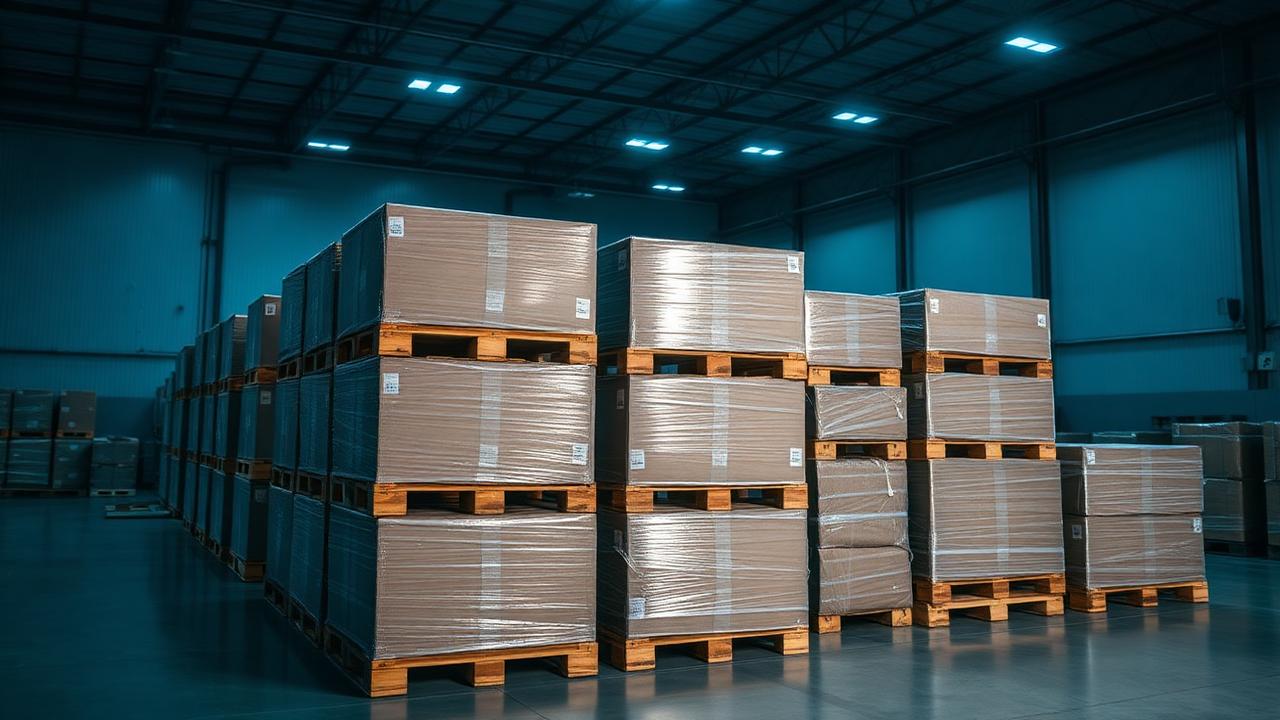
In late October, a freight driver dropped a 48x40 skid wrapped in black stretch film outside my garage door. It came from a regional distribution center in Indiana. 142 units of mixed Hasbro, Mattel, and Spin Master inventory. Total landed cost came to $810, $550 for the lot bid and $260 in LTL freight with a liftgate fee. On paper, the manifest showed $4,100 in original retail value. In reality, twenty minutes with a utility knife revealed three crushed Transformers boxes, a Paw Patrol tower missing its elevator track, and four board games taped shut with yellow packing tape.
If you want to know how to make money with toy liquidation pallets, throw out the retail sticker price immediately. You are not buying $4,100 worth of pristine store inventory. You are buying a sorting project. Your profit lives in the gap between your landed cost per unit and how fast you can turn complete, functional items into cash before storage fees eat your margins.
Toys are a high-volume, high-return category. Parents buy impulse items online, kids snap delicate plastic tabs within five minutes of unboxing, and relatives buy duplicate holiday gifts. Retailers process millions of these items every quarter. Instead of paying an associate $18 an hour to test a $25 Star Wars figure to see if the lightsaber still glows, the return center sweeps it into a gaylord box and sells it on a liquidation marketplace.
To build a consistent flipping business, you need to understand category recovery rates. While liquidation electronics might recover 25% to 40% of original MSRP and power tools hit 30% to 45%, customer return toys usually land lower. Expect a realistic gross recovery of 20% to 35% on customer return lots, and 35% to 50% on clean overstock or shelf pulls.
Grading in this niche dictates your listing strategy:
- Grade A (Overstock / Shelf Pulls): Factory sealed, minimal box wear, no store return stickers. These carry the highest recovery but cost more upfront.
- Grade B (Like New Returns): Open box, minor carton damage, item intact with all accessories present.
- Grade C (Used / Damaged): Torn polybags, crushed window boxes, missing non-essential accessories, heavy store tape residue.
- Grade D (Salvage / Parts): Non-functional electronics, missing crucial components, cracked hard plastics.
| Source | Typical Grade | Avg Box Condition | Expected Recovery Rate | Best Sales Channel |
|---|---|---|---|---|
| Target Customer Returns | B/C Mix | 40% Crushed | 25-35% MSRP | eBay / Local Facebook |
| Walmart Overstock | A/B | 90% Intact | 35-45% MSRP | Mercari / eBay |
| Amazon Uninspected Returns | C/D | High Missing Parts | 15-25% MSRP | Bin Store / Flea Market |
| Department Store Closeouts | A | Pristine | 40-50% MSRP | Poshmark / eBay |
Never bid on a skid based solely on the wholesale purchase price. Freight will crush your margins if you ignore landed cost calculations.
Less-Than-Truckload (LTL) freight currently runs anywhere from $0.80 to $2.50 per mile depending on diesel surcharges and lane density. If you lack a commercial dock, carriers charge accessorial fees. A residential delivery fee runs $50 to $100. Liftgate service adds $50 to $75. Limited access delivery hits you for another $30 to $60. That $300 bargain pallet suddenly costs $500 before you cut the first band of plastic strap.
Let's break down a real-world P&L on a 110-unit Target return skid to see how the numbers actually work.
P&L Breakdown: 110-Unit Mixed Toy Return Skid
Cost Basis
- Auction winning bid: $520.00
- Buyer premium (10%): $52.00
- LTL Freight (180 miles): $210.00
- Liftgate accessorial: $55.00
- Residential delivery accessorial: $50.00
- Total Landed Cost: $887.00 ($8.06 per unit)
Manifest Yield & Sales Performance
- Original Manifest MSRP: $3,850.00
- Tier 1 (42 Units - Grade A/B): Complete in clean boxes. Listed on eBay and Mercari. Average sale price: 50% MSRP ($962.00 gross).
- Tier 2 (38 Units - Grade C): Complete with crushed boxes. Sold via local Facebook Marketplace bundles and Mercari. Average sale price: 30% MSRP ($460.00 gross).
- Tier 3 (18 Units - Grade D/Incomplete): Missing pieces or minor cracked plastic. Grouped into three bulk "as-is" repair lots on eBay. Total sale: $110.00 gross.
- Tier 4 (12 Units - Trash): Broken plastics, corroded battery terminals, missing core parts. Discarded: $0.00.
Total Gross Revenue: $1,532.00
Selling Fees & Expenses
- Marketplace fees (eBay ~13.25% + $0.30 per transaction across 65 sales): $222.50
- Outbound shipping boxes & poly mailers: $45.00
- Outbound shipping label subsidies (where buyer shipping fell short): $115.00
- Total Operating Expenses: $382.50
Net Results
- Net Revenue: $1,532.00 - $382.50 = $1,149.50
- Less Total Landed Cost: $887.00
- Net Cash Profit: $262.50
- Return on Investment (ROI): 29.6%
This lot was a passably good buy, but the margin was tight. If freight had cost $100 more, the profit would have dropped below acceptable labor returns. To protect yourself, always calculate your maximum bid using landed cost as a hard ceiling.
Where Toy Liquidation Lots Go Wrong
Small mistakes compound fast in toy resale. The single biggest trap is missing pieces in high-value sets.
A LEGO set marked with a $120 MSRP is worth zero dollars on standard platforms if Bag 3 is missing. A $90 Monopoly Collector Edition with half its pewter tokens gone becomes an instant loss. If you list open-box sets without counting components, buyers file Item Not As Described (INAD) claims. You lose the sale, the outbound shipping cost, and the return shipping fee.
Another trap is volumetric shipping weight.
Barbie Dreamhouses, KidKraft wooden kitchens, and ride-on electric trucks look fantastic on manifests because their original retail prices are high ($150 to $300). But shipping an oversized 32-pound box across four shipping zones costs $45 to $70 via UPS Ground. Unless you sell these items locally for cash, outbound carrier rates destroy your profit.
Watch out for dead lithium batteries and corroded terminals.
Remote-controlled cars and interactive plush toys sit in non-climate-controlled warehouses for six months. Alkaline batteries left inside toys leak acid across copper contacts. If you do not clean the terminals with vinegar and an old toothbrush, the item is trash. Always factor testing labor into your workflow.
Finally, respect seasonality.
Buying toy pallets in November is expensive because every casual seller wants holiday inventory. Buying toy pallets in late January is cheap because warehouses need to purge leftover holiday returns. If you have the storage space, buying returns in Q1 and holding clean inventory until October yields significantly higher margins.
Strategies on How to Make Money with Toy Liquidation Pallets
Run every raw manifest through a manifest analysis tool like Pallet IQ before bidding. Strip out single blind-bag items, low-dollar party favors, and unmanifested bulk lots. Focus your valuation on recognizable name brands: Nerf, LEGO, Barbie, Fisher-Price, Hot Wheels, and Marvel. Generic private-label toys from big-box stores carry almost zero resale demand on secondary markets.
When processing a fresh skid, separate items immediately into three streams:
- Individual Online Listings: Mint-in-box items with an MSRP over $35 go straight to eBay or Mercari. Take clear photos of box corners and barcode stickers.
- Local Cash Bundles: Crushed-box items, large playsets, and items under $20 MSRP move best in local multi-item bundles on Facebook Marketplace. Price them at 30% of retail, meet in a safe public spot, and take cash or digital payments. You skip shipping supplies, platform fees, and return risks entirely.
- Parts & Repair Lots: Never throw away broken name-brand toys immediately. A Nerf blaster missing its battery tray can still sell to a modder. A defective American Girl doll sells to restorers for parts. Group broken items by brand and sell them as salvage lots to clear your floor space.
Keep your processing space clean. Test electronics with a fresh set of rechargeable batteries, keep a roll of Goo Gone handy for store stickers, and never guess on completeness.
When you master manifest evaluation, control freight expenses, and match each item to its ideal sales channel, mastering how to make money with toy liquidation pallets comes down to disciplined execution and strict cost management.
Can you sell liquidated toys on Amazon?
Only if they are Grade A overstock with undamaged original packaging. Customer returns with open seals, crushed boxes, or store stickers cannot be listed as New on Amazon. Attempting to sell returned inventory as New leads to buyer complaints, authenticity checks, and account suspension. Stick to eBay, Mercari, Poshmark, and local channels for open-box or box-damaged toy returns.
What is the average recovery rate on toy return pallets?
Expect to recover 20% to 35% of the total manifest MSRP in gross sales on mixed customer return skids. Clean overstock and shelf-pull pallets yield higher, averaging 35% to 50% of MSRP. Always use conservative recovery estimates when calculating your maximum auction bid.
How do you handle missing pieces in liquidated board games or LEGO sets?
Do not guess. Count every piece against the instruction sheet or manifest inventory list. For open LEGO sets, weigh sealed internal bags or sell the lot by weight as loose bricks. For rare or vintage board games, sell individual replacement pieces, like special cards, money packs, or replacement movers, on eBay to maximize your return on incomplete sets.
Pallet IQ Editorial Team
We buy, grade and resell liquidation pallets, then turn what we learn into the tools on Pallet IQ. Every guide here comes from real manifests, real bids and real sell through numbers.
Written August 22, 2026, last reviewed October 19, 2026