How to Buy Untested Pallets Without Losing Your Shirt
Untested customer returns can offer high margins or leave you with a garage full of scrap. Here is how real resellers evaluate lots, calculate true freight costs, and run the numbers.
By Pallet IQ Editorial Team
Published · Updated
 Liquidation Strategy
Three years ago, I unloaded a 48x40 skid off a freight truck that set me back $1,150. It came out of an Indiana regional distribution center (RDC) and contained 42 "untested" power tools. Eight of the DeWalt angle grinders had their cords cleanly cut off, a dead giveaway that a store employee marked them for recycling before someone threw them on a pallet anyway. Five lithium batteries were completely dead. After sitting in my garage for 20 hours testing motors and listing clean parts, I cleared $140 over my total outlay. Hourly wage: about seven dollars.
Learning how to buy untested pallets isn't about finding hidden treasure chests full of brand-new iPads. It is an exercise in cold, hard statistical risk management. You are buying trash that might contain treasure, and if you don't calculate your breakeven point before placing a bid, freight alone will swallow your profit margin whole.
What Untested Customer Returns Actually Mean
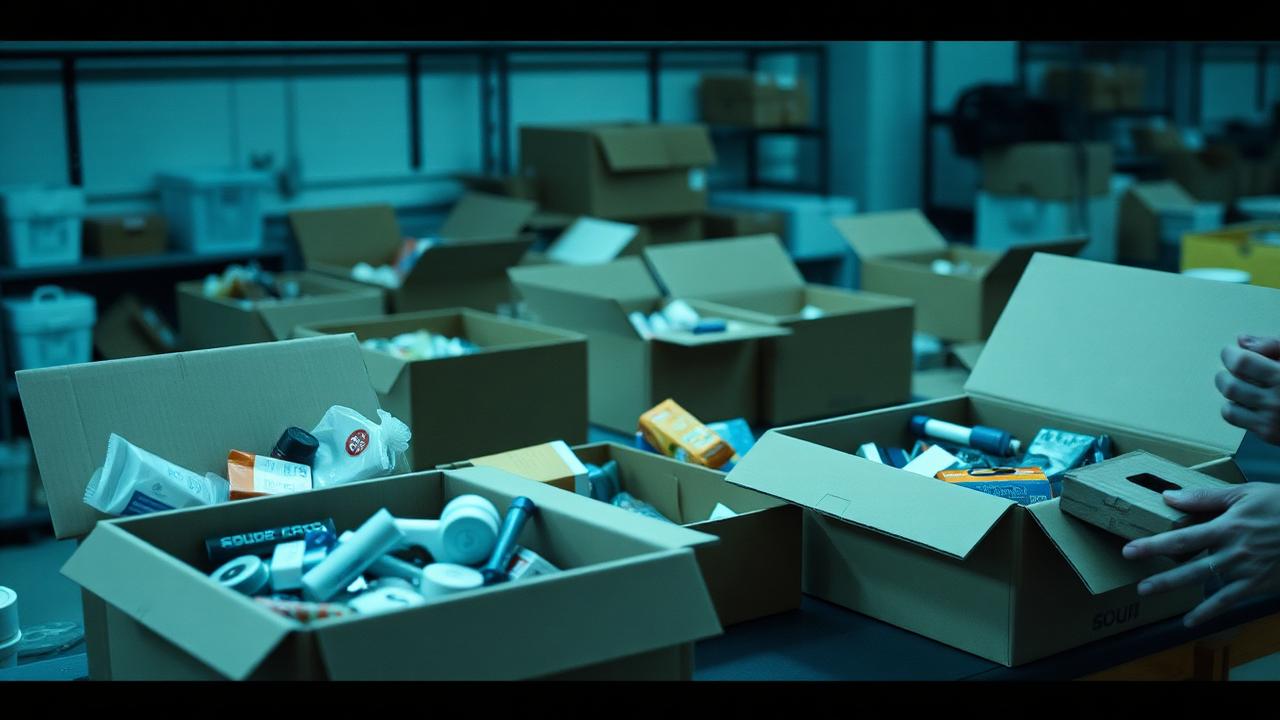
When a liquidation site labels a lot as untested customer returns, it means nobody at the warehouse plugged the item in, turned it on, or checked if the box actually contained the item on the label. High-volume retailers process millions of returns every quarter. They do not pay workers $18 an hour to test a $40 toaster. They shove the box into a Gaylord box, wrap it in stretch film, and auction it off as a raw lot.
Liquidation grades usually break down into four distinct tiers:
- Shelf Pulls / Overstock (Grade A): Items never purchased by a consumer. Packaging might have sticker residue or dented corners, but recovery sits high at 75% to 90%.
- Tested Working (Grade B): Inspected by a third-party processor. Everything powers on, but you pay a massive premium on your cost basis.
- Untested Customer Returns (Grade C): Raw returns. Some items are unopened because the buyer changed their mind. Others are shattered or swapped with the customer's ten-year-old broken unit. Expect a 25% to 45% usable recovery rate depending on the category.
- Salvage / Scrap (Grade D): Confirmed broken or hazardous gear sold purely for parts or raw metal recycling.
If you buy raw untested stock, you are operating firmly in Grade C. Expect damage. Expect missing power cables. If you expect perfection, you will end up bankrupt.
The Rules for How to Buy Untested Pallets
I refuse to touch raw untested apparel or unmanifested mystery boxes from small liquidators. Apparel returns are a nightmare. Clothing often comes back stained, missing tags, or smelling like a pet store, driving real recovery down to a miserable 8% to 15%.
If you want to master how to buy untested pallets profitably, stick to categories with high component value or modular repairability:
- Power Tools & Outdoor Equipment: 30% to 45% recovery rate. Even dead lawn mowers or corded saws hold value for parts like carburetors, handles, housings, and armatures.
- Consumer Electronics: 25% to 40% recovery rate. High risk of missing power supplies or lock-screen activation locks, but high individual dollar yields.
- Small Home Appliances: 35% to 50% recovery rate. Espresso machines, vacuums, and air purifiers are frequently returned simply because the customer couldn't figure out the controls.
Calculating the True Cost: Freight, Accessorials, and Fees
Your bid price is only half the bill. Freight will destroy your margins faster than bad inventory if you ignore accessorial charges, the extra fees carriers slap on top of standard Less-Than-Truckload (LTL) shipping rates.
If you do not own a commercial building with a loading dock or a forklift, expect these additions to your standard $0.80 to $2.50 per-mile shipping rate:
- Residential Delivery Fee: $50 to $100
- Liftgate Service Fee: $50 to $75 (required if you don't have a loading dock)
- Limited Access Fee: $30 to $60 (applies to storage units, farms, or tight residential streets)
Once you process and test the inventory, marketplace selling fees strip away another chunk. eBay takes roughly 13.25% plus $0.30 per order. Amazon takes around 15%. Mercari lands at 10%. Factor in shipping supplies at $2 to $4 per package, and your true cost basis jumps quickly.
P&L Breakdown: A Real Untested Appliance Lot
Let's run a realistic profit and loss calculation on a single 32-unit mixed small-appliance lot out of a Georgia distribution hub.
Cost Basis Breakdown:
- Winning Auction Bid: $450.00
- Buyer Premium (10%): $45.00
- LTL Freight Charges: $185.00
- Residential & Liftgate Accessorials: $110.00
- Total Out-of-Pocket Investment: $790.00
Expected Inventory Yield (32 Units Total):
- 14 Units (43.7%): Grade A/B (Fully functional, complete in box). Resell average: $55 each = $770.00
- 8 Units (25.0%): Minor defects or missing parts (Sold for parts/repair). Resell average: $28 each = $224.00
- 4 Units (12.5%): Missing major components (Harvested for power cords and filters) = $80.00
- 6 Units (18.8%): Total trash or E-waste scrap = $0.00
Gross Resale Revenue: $1,074.00
Resale Fees & Net Profit:
- Marketplace Fees (eBay ~14% avg): $150.36
- Shipping Box & Packing Material Cost: $35.00
- Net Payout from Sales: $888.64
- Net Profit: $888.64 - $790.00 = $98.64
My Verdict on This Lot: Pass instantly. You are taking on $790 in capital risk and spending 12 hours of labor sorting, cleaning, testing, and listing for a sub-$100 net profit. To make raw returns worth your labor, your projected net profit must hit at least 1.5x your total cash investment. If the bid was $250 instead of $450, the math swings back in your favor.
| Liquidation Type | Avg Purchase Price (% Retail) | Expected Recovery Rate | Labor & Prep Required | Primary Risk Factor |
|---|---|---|---|---|
| Raw Untested Returns | 8% - 18% | 25% - 45% | Heavy (Testing, Cleaning, Sorting) | High Trash Ratio & Missing Parts |
| Tested Working | 25% - 40% | 80% - 90% | Light (Basic Wipe-Down) | Low Margins After Platform Fees |
| Overstock / Shelf Pulls | 20% - 35% | 75% - 85% | Moderate (Sticker Removal) | Saturated Seller Competition |
Execution Checklist: How to Buy Untested Pallets
Never bid on a raw lot blind. When you evaluate an auction listing on platforms like B-Stock, Direct Liquidation, or Liquidation.com, follow this step-by-step audit:
- Inspect the Manifest Line by Line: Look for high-value anchor items. If a single $600 espresso machine makes up 40% of the total retail value of the pallet, assume that item is completely broken. If the math only works if the anchor item is pristine, walk away.
- Run Manifest Data Through Software: Feeding raw spreadsheets into a manifest analysis tool like PalletIQ saves hours of manual searching. It helps you quickly cross-reference historical eBay sold prices against original retail claims so you aren't bidding based on inflated MSRPs.
- Check Origination Facilities: RDCs in higher-income zip codes often show lower rates of malicious customer fraud than general liquidation consolidators. Consolidators often skim the best items off pallets, manifest what is left, and sell you the residue.
- Factor in Seasonal Hazards: Don't buy raw untested pressure washers in November or air conditioners in September. Holding broken, seasonal inventory for six months eats up space and drains working capital.
How This Goes Wrong: The Brick-in-a-Box Failure Mode
The absolute worst failure mode in untested liquidation is customer return fraud. Retail stores accept returns at customer service desks manned by overworked employees who rarely open the box.
A buyer purchases a $400 Dyson vacuum, takes it home, puts their old, burnt-out $30 dirt-bag vacuum inside the Dyson box, and returns it for a full refund. The retail clerk slaps a return sticker on the tape and throws it in the Gaylord.
When you buy that untested pallet, you are paying freight on that burnt-out dirt-bag vacuum. You open the box expecting $250 in resale value and end up with trash you have to pay your city to haul away. If an entire pallet turns out to be fraudulent swaps, which happens on unmanifested customer return loads from big-box home improvement stores, your actual recovery rate can plummet to under 10%.
Are untested pallets worth the risk for new resellers?
No. If you have less than $2,000 in operating capital, do not touch raw untested customer returns. Start with shelf pulls or overstock where recovery rates are predictable. Untested lots require cash reserves to absorb dead pallets when an entire load turns out to be scrap metal.
How do I deal with heavy freight charges on a single untested pallet?
Buy locally or arrange local warehouse pickup whenever possible to skip LTL carrier accessorial fees. If pickup isn't an option, combine orders. Shipping two or three pallets on the same LTL bill drastically reduces your freight cost per unit compared to shipping a single skid.
What tools do I need to test raw electronics or power tools?
At a minimum, keep a digital multimeter, a variable bench power supply with multiple barrel jack attachments, wire strippers, basic hand tools, isopropyl alcohol (99%), and a dedicated circuit-breaker-protected power strip. Never plug an untested electrical appliance directly into an unprotected wall outlet.
Knowing how to buy untested pallets is about expecting bad news on every skid and pricing your bids so that bad news doesn't clean out your bank account. Run the math first, account for every freight accessorial, and leave yourself a wide buffer for trash.
Pallet IQ Editorial Team
We buy, grade and resell liquidation pallets, then turn what we learn into the tools on Pallet IQ. Every guide here comes from real manifests, real bids and real sell through numbers.
Written August 10, 2026, last reviewed October 19, 2026