How to Make Money with Target Return Pallets
Learn how to calculate true landed costs, filter high-margin small appliances from junk apparel, and turn Target return pallets into cash.
By Pallet IQ Editorial Team
Published · Updated
 Liquidation Strategy
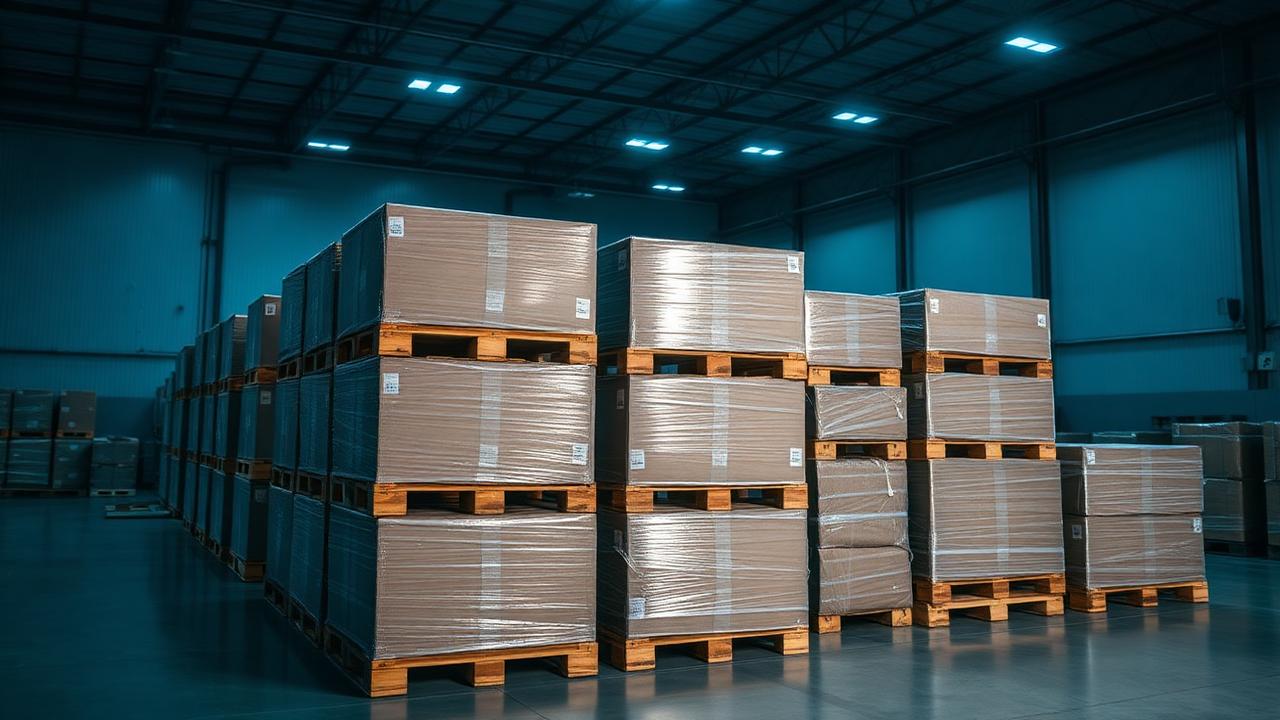
Two winters ago, I unloaded a 48-unit Target home decor lot off an LTL truck behind a rented bay in Spartanburg. The manifest promised $6,400 in retail value. I paid $920 for the lot and $310 in freight. By the time I scraped off the red store stickers, tested six Ninja Air Fryers, and realized four of them had grease-baked heating elements and missing crisper trays, my $1,230 investment turned into a three-month exercise in breaking even. If you want to know how to make money with target return pallets, you have to stop looking at MSRP and start auditing what actually comes out of the shrink wrap.
Target liquidation isn't like Amazon or Walmart. Target’s private labels, like Threshold, Brightroom, Cat & Jack, and Heyday, fill up a massive portion of these loads. Those brands carry zero search volume on eBay compared to Sony or DeWalt, but they can pay your rent if you clear them locally. Here is how working resellers pull actual cash out of Target return loads without getting swallowed by freight fees and broken plastic.
Target Return Grades and Reality Ratings
Target returns generally enter the secondary market through platforms like B-Stock, Liquidation.com, or directly through regional freight brokers sourcing from Target Regional Distribution Centers (RDCs). Understanding the condition codes on the manifest dictates whether you make 30% net or end up dumping half the pallet into a commercial dumpster.
- A/B Grade (Overstock and Shelf Pulls): These are items removed from store shelves to make room for new seasonal inventory. Packaging might have sticker residue or slight shelf wear, but the product inside is unused. Expect recovery rates around 35% to 45% of original retail.
- Customer Returns (Uninspected): Items brought back to store customer service desks. Target accepts almost everything back, including broken small appliances and worn clothing. Recovery on general home goods sits around 25% to 35%, while electronics drop to 20% to 30%.
- Salvage / C/D Grade: Raw junk, store displays, and open-box items with missing parts. Unless you own a repair shop or run a dollar-table bin store, steer clear. Recovery rarely tops 10% to 15%.
Apparel from Target deserves special attention. Target's Cat & Jack kids line has a generous return policy that allows parents to return worn, outgrown clothes up to a year after purchase. When you buy a Target clothing pallet, you will find stained onesies and worn-out leggings mixed in with brand-new tagged items. That is why apparel recovery sits at a miserable 8% to 15% of MSRP unless you sort loads meticulously and sell in bulk bundles on Facebook Marketplace or Poshmark.
How to Make Money with Target Return Pallets: The Real Math
Let’s look at a realistic profit and loss breakdown for a 52-unit Target Small Appliance & Kitchen return load shipped from a distribution center in Indiana to a residential garage in Ohio.
The manifest lists total retail value at $4,800 across 52 items, including brands like Instant Pot, Ninja, Keurig, and Threshold.
- Pallet Purchase Price: $750 (Winning bid)
- LTL Freight Base Rate (320 miles): $240
- Liftgate Accessorial Fee: $65
- Residential Delivery Fee: $55
- Total Cost Basis (COGS + Freight): $1,110
Now let's project realistic resale figures instead of dreaming about MSRP.
- Scrap / Unsellable (20% of units): 10 units are completely broken, missing vital parts like blender blades, or infested with food residue. Value: $0.
- Local Cash Resale (40% of units): 21 items (air fryers, toaster ovens, microwave units) sold on Facebook Marketplace at 40% of retail. Total: $960. No marketplace fees.
- Online Resale (40% of units): 21 premium or light-weight items listed on eBay at 50% of retail ($960 gross sales).
- eBay Marketplace Fees (~13.25% + $0.30/order): -$133.35
- Outbound Shipping Subsidies / Boxes: -$145.00
- Net Online Revenue: $681.65
Let's total the cash. You collect $960 from local sales and $681.65 net from eBay. Your total gross cash back is $1,641.65. Subtract your total cost basis of $1,110. Your net profit is $531.65.
That represents a 47.8% return on capital invested over a three-week processing cycle. It is solid money, but notice how easily it could have turned negative if freight cost $200 more or if 35% of the pallet had been trash instead of 20%.
Manifest Analysis: Spotting Winner Lots vs Garbage
Never bid on an unmanifested Target lot unless you are paying absolute scrap prices, under $200 a pallet. When reviewing a manifest, skip the line items for soft goods or house-brand home decor priced under $15 retail. A $12 Threshold mug costs the same to store and handle as a $90 Keurig, but the Keurig returns real dollars per unit of labor.
Look specifically for high-density lots containing kitchen counter appliances, floor care (Dyson, Shark, Hoover), and seasonal outdoor goods. Scan the manifest for generic descriptions like "Assorted General Merchandise." That is broker code for whatever was scraped off the warehouse floor.
Before placing a bid, run the item list through a manifest analysis tool like PalletIQ to instantly pull actual sold comps across eBay and Mercari rather than relying on inflated Target MSRPs. If the average historic sold price across the lot is lower than 35% of retail, your margins will vanish into shipping costs.
Comparing Target Return Categories
Not all Target pallets perform the same. Here is how the four major Target return categories stack up for an independent reseller:
| Category | Resale Channels | Realistic Recovery % | Labor Intensity | Risk Level |
|---|---|---|---|---|
| Small Appliances | Local FB Marketplace, eBay | 30% - 45% | Moderate (Testing required) | Medium |
| Target Apparel (Cat & Jack, Universal Thread) | Poshmark, Mercari, Local Bundles | 8% - 15% | Very High (Sorting, hanging) | High |
| Home Decor & Bedding (Threshold, Opalhouse) | Local Flea Market, FB Marketplace | 20% - 30% | Low | Low |
| Electronics & Media (Heyday, Sony, Nintendo) | eBay, Mercari | 25% - 40% | High (Serial checking, testing) | High (Fraud / Missing parts) |
How to Make Money with Target Return Pallets Without Getting Burned
The biggest trap in Target liquidation is the freight invoice surprise. Beginners calculate their profit based on the winning auction price, forgetting that moving a 400-pound pallet across three state lines requires commercial transport.
If you do not have a commercial address with a loading dock or a forklift, carriers hit you with accessorial charges. A residential delivery fee adds $50 to $100. A liftgate service fee adds another $50 to $75. If the driver has to pull into a narrow cul-de-sac, you might face a limited-access charge of $30 to $60. Suddenly, your $300 freight quote becomes $525, wiping out half your expected net margin before you even cut the shipping straps.
Another point of failure is blind brand loyalty. Target's store electronics brand, Heyday, looks great on a manifest. You see 50 units of Heyday Wireless Earbuds billed at $29.99 retail each, totaling $1,500 in paper value. In reality, open-box Bluetooth earbuds from a store brand sell on eBay for $6 to $8 with free shipping. After paying $4.50 for USPS Ground Advantage and paying eBay fees, you lose money on every single unit shipped.
How This Goes Wrong: The Cat & Jack Failure Mode
Let's talk about how a reseller loses $1,500 in a single week.
A seller buys three bulk gaylords of Target customer return apparel billed at $12,000 MSRP for an $800 winning bid. Freight costs $450 because it takes up three pallet spaces on the trailer. Total investment sits at $1,250.
When the gaylords arrive, the seller finds 800 clothing items. But 450 of those items are worn kids' clothes with grass stains, stretched necklines, and missing tags, returned under store policies. Another 150 items are mismatched shoes or single boots.
That leaves 200 sellable items (mostly tagged or clean Threshold pieces). To list 200 clothing items on Poshmark takes roughly 20 hours of measuring, prepping, photographing, and drafting listings.
If those 200 items sell for an average of $8 each over six months, total gross revenue is $1,600. After platform fees (~20%), net revenue drops to $1,280.
The reseller made $30 net profit for 20 hours of painstaking work, paying themselves $1.50 an hour. That is the exact failure mode of unvetted soft goods loads.
The Final Verdict
Target returns offer incredible volume and consistent product pipelines if you stick to hardlines, small appliances, and verified shelf pulls. Learn how to calculate true landed cost including every single LTL accessorial, discount manifest MSRP by at least 65%, and prioritize local cash sales to eliminate platform fees. If you follow those rules, knowing how to make money with target return pallets becomes a predictable, repeatable business model rather than a gamble.
Where do Target return pallets actually come from?
Target return pallets originate at regional distribution centers (RDCs) across North America. Returned store items and shelf pulls are grouped into gaylords and pallets, then auctioned through official liquidation partner sites like B-Stock, or brokered in truckload lots to independent liquidation warehouses.
Do you need a business license to buy Target liquidation?
Yes, most official liquidation platforms hosting Target inventory require a valid state resale certificate and business tax ID. This allows you to purchase tax-exempt for resale purposes. Some third-party liquidation brokers sell to public buyers without a license, but they charge higher markup prices.
What is the best platform to sell Target returns?
For bulky items, home goods, and small appliances, local platforms like Facebook Marketplace and OfferUp yield the highest net profits because you eliminate shipping fees and platform commissions. For lightweight brand-name goods or high-end electronics, eBay and Mercari offer faster sell-through rates despite platform fees.
Pallet IQ Editorial Team
We buy, grade and resell liquidation pallets, then turn what we learn into the tools on Pallet IQ. Every guide here comes from real manifests, real bids and real sell through numbers.
Written August 6, 2026, last reviewed October 19, 2026