How to Resell Furniture Liquidation Pallets Profitably
Oversized freight and missing hardware can destroy your profit margins. Here is how we evaluate furniture lots, handle missing pieces, and make real money selling locally.
By Pallet IQ Editorial Team
Published · Updated
 Liquidation Strategy
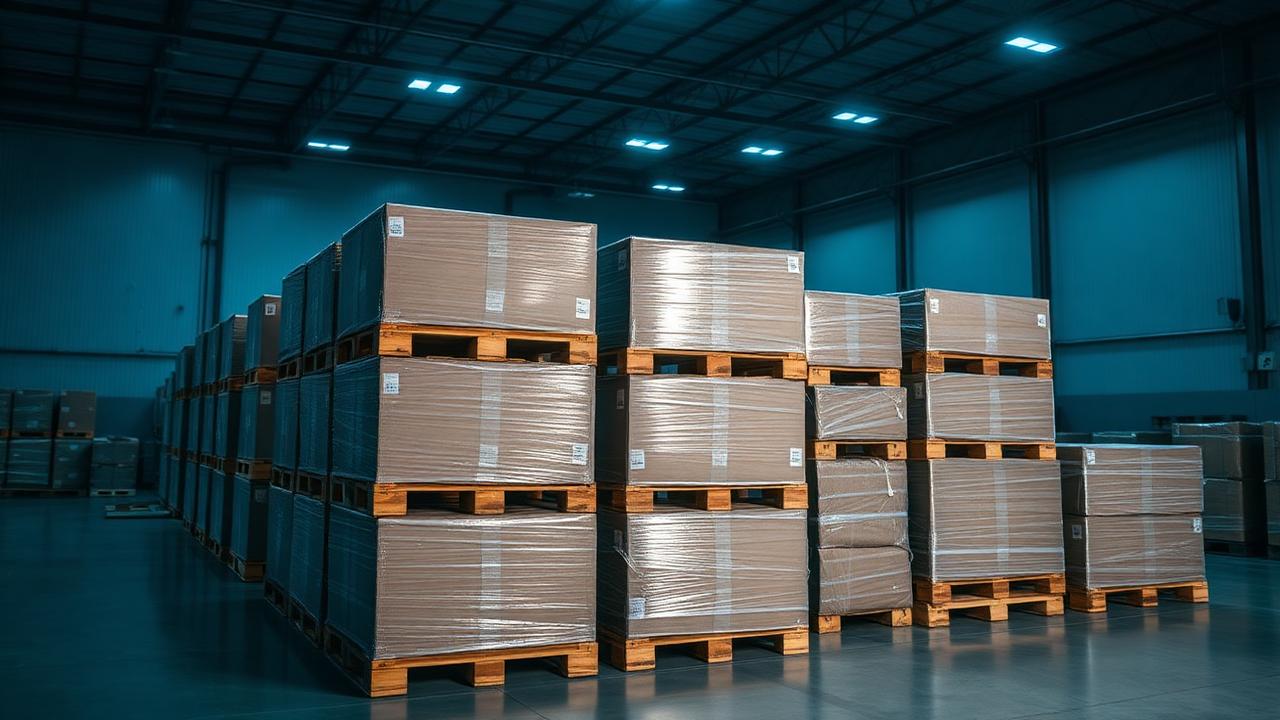
Three years ago, I swallowed a $1,180 LTL shipping bill on a four-pallet lot out of a Plainfield, Indiana regional distribution center thinking I had hit the jackpot. The manifest listed eight modular sofas and twelve dining tables. What actually backed up to my shop was a mountain of crushed particle board, six torn boxes missing hardware bags, and two sectional corner pieces without their matching couches.
I lost $640 and thirty hours of backbreaking labor on that run.
If you want to know how to resell furniture liquidation pallets without burning through your savings, you have to throw out any romantic ideas about flipping pristine designer couches. Furniture liquidation is brutal, physical work. It takes up massive floor space and carries high shipping costs. Yet, if you understand how to navigate freight, inspect manifests, and source replacement hardware, it offers some of the highest absolute dollar profits per unit in the entire liquidation secondary market.
How to Resell Furniture Liquidation Pallets Without Getting Wrecked by Freight
Freight will kill your profit margins faster than broken particle board. Furniture is light on density but high on volume, meaning you are paying to ship air unless you buy smart.
When buying furniture liquidation pallets, you will almost always deal with Less-Than-Truckload (LTL) shipping. LTL rates typically range from $0.80 to $2.50 per mile depending on fuel surcharges and lane density. But the base rate is only half the story. Accessorial fees, extra services added by the carrier, will destroy a lean margin if you do not calculate them beforehand.
Always budget for these specific line items:
- Liftgate fee: $50 to $75. Required if you do not have a commercial loading dock or forklift.
- Residential delivery surcharge: $50 to $100. Charged whenever a freight truck enters a non-commercial zone.
- Limited access fee: $30 to $60. Common for storage units, farms, or tight downtown streets.
If you buy a single furniture pallet for $300 and pay $250 in shipping and accessorials, your cost basis per item doubles before you even cut the shrink wrap. We rarely buy single furniture pallets unless they are local pickup. To make the math work, buy two to four pallets at a time from the same origin warehouse. Freight scales efficiently; shipping three pallets rarely costs three times as much as shipping one.
Grading Furniture Lots: Overstock vs. Customer Returns
Not all furniture lots are created equal. Liquidation inventory generally falls into four grade categories:
- Grade A (Overstock/Shelf Pulls): Factory-sealed cases. The box might have a shipping label tear, but the wood inside is untouched. Expect 35% to 45% recovery relative to retail MSRP.
- Grade B (Open Box/Like New): Customer opened the box, realized it did not fit their living room, and sent it back. Hardware is usually present, but panels may have minor cosmetic scuffs. Recovery runs 25% to 35%.
- Grade C (Used/Damaged): Genuine customer returns. Expect missing assembly screws, cracked veneer, or split dowels. Recovery drops to 15% to 25%.
- Grade D (Salvage): Crushed boxes, shattered glass doors, missing major structural legs. Avoid these unless you need raw parts or hardware.
For flat-pack furniture, think Target, Wayfair, or IKEA style, target Grade A overstock or Grade B open-box lots. Customer-returned flat-pack furniture has a high defect rate because buyers rarely pack components back into the box correctly. Unprotected panels rub against each other during return transit, turning a $200 bookshelf into scrap wood.
Before bidding, run the manifest through a manifest analysis tool like PalletIQ to calculate realistic yield based on historic box-damage ratios. If a lot lacks a itemized manifest, treat it as Grade C, regardless of how clean the top box looks in the auction photos.
A Real-World Furniture Pallet P&L
Let's look at the actual numbers on a medium-sized flat-pack furniture lot bought from a major online retailer's liquidation program. This was an 8-unit mixed lot (Grade B open box and Grade A overstock) shipped 220 miles to our facility.
Expenses
- Winning Auction Bid: $380.00
- LTL Freight Base Rate: $185.00
- Liftgate Fee: $55.00
- Residential Delivery Fee: $50.00
- Replacement Hardware / Mending Plates: $28.00
- Total Cost Basis: $698.00
Resale Revenue (Local Cash / No-Fee Digital Payments)
- Unit 1: 4-Drawer Oak Dresser (Grade A): Retailed $290. Sold local for $170.00
- Unit 2: Mid-Century TV Console (Grade B, minor scuff): Retailed $340. Sold local for $195.00
- Unit 3: Pair of Counter Stools (Grade A): Retailed $160. Sold local for $95.00
- Unit 4: Executive Office Desk (Grade B, missing screws): Retailed $220. Replaced screws, sold for $130.00
- Unit 5: Entryway Shoe Bench (Grade A): Retailed $110. Sold local for $65.00
- Unit 6: Glass Top Coffee Table (Grade C, shattered glass): Written off as $0. Frame sold for scrap/parts: $15.00
- Unit 7: 5-Shelf Bookcase (Grade B, minor panel dent): Retailed $130. Sold local for $70.00
- Unit 8: Upholstered Accent Chair (Grade A): Retailed $210. Sold local for $125.00
Net Result
- Gross Resale Revenue: $865.00
- Total Expenses: $698.00
- Net Cash Profit: $167.00
- Return on Investment (ROI): 23.9%
Notice that unit 6 was a total loss on the core item. That happens. If our freight costs had been $100 higher, our entire profit margin would have vanished. Controlling shipping costs is the entire game in furniture liquidation.
Comparing Furniture Liquidation Sources
Different inventory sources come with vastly different defect profiles and logistics demands. Here is how the major channels compare:
| Source Channel | Inventory Condition | Avg. Cost % of MSRP | Primary Resale Channel | Freight Risk |
|---|---|---|---|---|
| Target Overstock | Grade A / B | 18% - 24% | Facebook Marketplace | Low to Medium |
| Wayfair Returns | Grade B / C | 12% - 18% | OfferUp / Local Pickup | High (High Defect) |
| Big Box Hardware (HD/Lowe's) | Grade A / B (Vanities/Patio) | 22% - 30% | Craigslist / Local | Medium |
| High-End Boutique Returns | Grade B / C (Assembled) | 8% - 15% | Consignment / Local Showroom | Extreme (Oversized) |
Step-by-Step: How to Resell Furniture Liquidation Pallets for Real Cash
1. Build a Hardware Toolkit
Never try to liquidate furniture without a dedicated hardware stash. Customer returns are constantly missing cam locks, wooden dowels, feet levelers, and hex bolts. Keep a metric and imperial bolt assortment kit in your shop, along with wood filler, touch-up markers, and corner braces. Spending $2 on a universal hardware kit transforms a useless box of wooden panels into a sellable $120 desk.
2. Assemble Items High-Value Items
Flat-pack furniture sitting in a crushed box commands bottom-dollar pricing on local marketplaces. Buyers assume missing parts. If you spend twenty minutes assembling that 4-drawer dresser, placing a fake plant on top, and taking clean photographs in natural light, you can double your asking price. Pre-assembled furniture solves a major pain point for local buyers who hate assembly work.
3. Focus Entirely on Local Distribution Channels
Do not try to ship individual furniture pieces on eBay or Mercari. Dimensional weight charges will destroy you. Focus 90% of your selling efforts on local channels:
- Facebook Marketplace: Unquestioned king for local furniture sales.
- OfferUp: Excellent for suburban areas and college towns.
- Craigslist: Ideal for heavy solid wood, office desks, and patio furniture.
- Local Consignment Shops: Great for higher-end, fully assembled accent chairs or entry tables.
Offer local drive-way delivery for an extra $20 to $40 fee if you own a pickup truck or trailer. This single service add-on increases conversion rates significantly and offsets your original freight costs.
How This Goes Wrong: The Particle Board Trap
The most common failure mode in furniture liquidation is purchasing customer-returned, particle-board furniture without space to process it. Particle board (MDF) is held together by resin and compressed wood fibers. Once a cam lock blows out of an MDF panel during a bad customer return, the structural integrity of that panel drops to zero.
Unlike solid wood, you cannot simply sand down or glue shattered particle board back together without it looking like a patch job. If you buy a pallet of heavy MDF units and lack the floor space to assemble and store them, your workshop quickly becomes a graveyard of useless, heavy wood panels that cost money to dispose of at the local dump.
Protect yourself by limiting unmanifested MDF lots. Prioritize solid wood, metal frame desks, outdoor patio sets, and upholstered seating whenever possible.
Frequently Asked Questions
How do I handle missing hardware in liquidation furniture?
Buy metric and imperial hex bolt assortments, wood dowel packs, and universal shelf pegs in bulk online. Keep wood glue, furniture touch-up pens, and L-brackets on hand. If specialized bracket hardware is missing, list the item as "open box - missing hardware" at a discount, or order the specific missing pack directly from the manufacturer's replacement parts site if the margin justifies it.
Is it better to sell liquidation furniture assembled or in the box?
If the box is factory-sealed (Grade A overstock), sell it in the box. Buyers like knowing all parts are present. If the box is opened or damaged (Grade B or C), open it, verify the parts, assemble the unit, and list it staged. Assembled furniture commands a higher price locally because it eliminates assembly hassle for the buyer.
Where is the best place to sell resold liquidation furniture locally?
Facebook Marketplace drives the highest volume for local furniture resale. OfferUp is a strong secondary channel. For maximum velocity, price items competitively, take photos in clean, well-lit spaces, and offer local driveway delivery for a small add-on fee.
Understanding how to inspect manifests, control freight expenses, and repair minor hardware issues is the entire key to building a sustainable operation. Once you master those logistics, knowing how to resell furniture liquidation pallets becomes one of the most reliable profit drivers in your reselling business.
Pallet IQ Editorial Team
We buy, grade and resell liquidation pallets, then turn what we learn into the tools on Pallet IQ. Every guide here comes from real manifests, real bids and real sell through numbers.
Written August 8, 2026, last reviewed October 19, 2026