How to Inspect Via Trading Pallets Before Buying
A veteran reseller breaks down how to inspect Via Trading pallets on-site and on paper, turning mystery returns into predictable resale profit.
By Pallet IQ Editorial Team
Published · Updated
 Sourcing Guide
We pulled a 48-by-40 pallet off a dock in Lynwood three summers ago thinking we scored a goldmine. The top layer showed crisp, retail-ready Ninja blenders and Keurig coffee makers. Once we cut the black stretch wrap back at our warehouse, the truth surfaced. The core was crammed with unboxed toaster ovens missing power cords, smashed air fryers, and loose plastic lids. That single $750 purchase taught us a brutal lesson about buying liquidation inventory. If you do not know how to inspect via trading pallets before hand over cash, you are effectively gambling on trash.
Sourcing liquidation stock from established liquidators like Via Trading offers a reliable stream of customer returns, overstock, and shelf pulls. However, raw inventory behaves differently than retail stock. You need a systematic process to evaluate loads whether you visit a facility in person or review manifests online. Here is how working resellers audit these loads, protect their cash flow, and separate high-margin inventory from landfill weight.
Understanding Via Trading Inventory Grades
Before you evaluate a physical lot, you must understand what you are actually looking at. Liquidators sort inventory into distinct categories, and each comes with a different risk profile. If you get confused by the trade jargon, check our liquidation glossary for standard definitions.
Customer returns carry the highest variance. Retail chains bundle items returned by shoppers for various reasons, including buyer remorse, minor defects, missing pieces, or total failure. Electronics returns generally yield a 25-40% recovery rate relative to original retail value, while small kitchen appliances usually land around 20-35%.
Overstock and shelf pulls are far safer. These items were removed from store shelves to clear room for new seasonal lines or changing package designs. Boxes might have price stickers, store clearance tags, or light shelf wear, but the merchandise inside is almost always functional and complete. Apparel overstock typically sees lower overall margin per unit, recovering 8-15% of original retail, but the labor required to process and test the items drops to nearly zero.
Crucial Steps on How to Inspect Via Trading Pallets
When standing on the warehouse floor in Los Angeles or reviewing high-resolution lot photos online, your first line of defense is visual inspection. Do not just glance at the lot and guess. Follow a strict physical audit protocol.
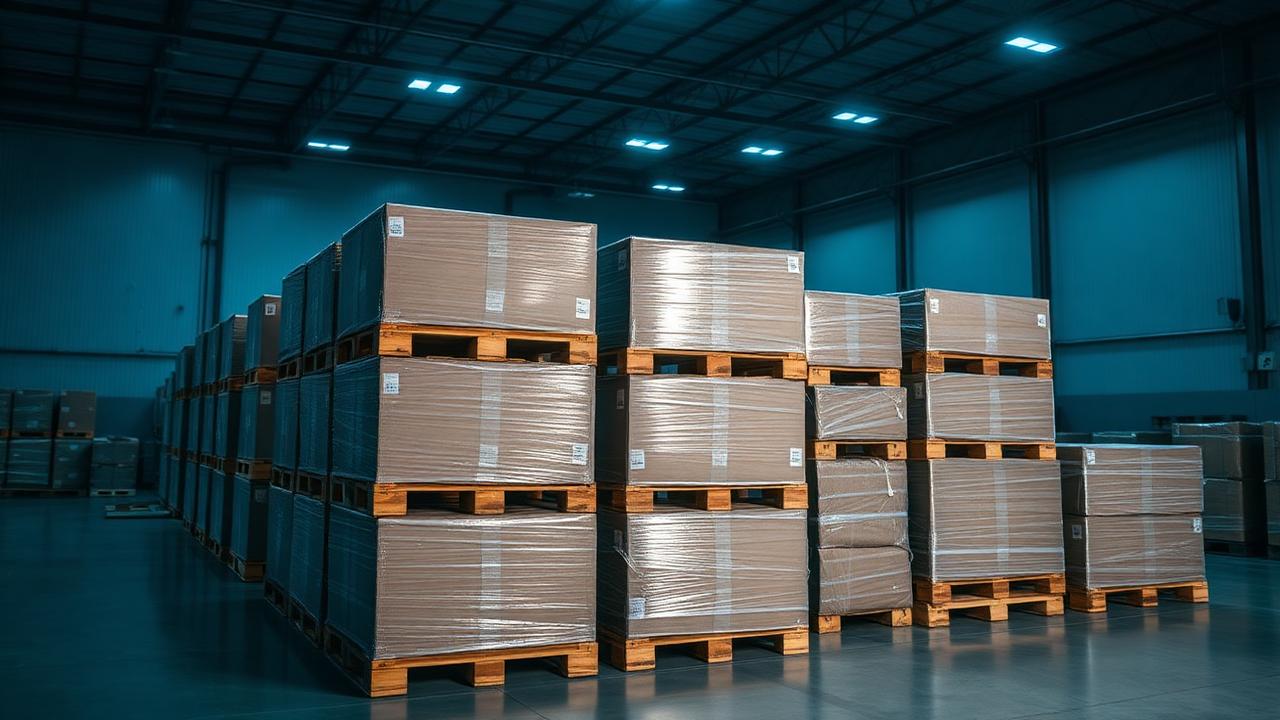
First, check the shrink wrap. Clean, tight, clear wrap usually indicates a lot that was wrapped at the retail distribution center and left untouched. Dark black wrap or loosely re-taped film often signals that someone already processed or consolidated the load. Look for double-wrapping, where new stretch film covers torn, dirty layers underneath. That pattern usually means the load was moved multiple times or picked over.
Second, inspect the box geometry. Look at the lower corners of the bottom boxes on the skid. If the bottom boxes are crushed, bent, or sagging, the heavy items inside have likely suffered severe impact damage during transit. Water stains or soft cardboard point to bad warehouse storage conditions, which often ruins paper manuals, electrical components, and original packaging.
Third, scan for original return license plate stickers. Retailers like Target, Walmart, and Amazon attach small barcode tags to returned items. If these stickers are present on every box, you are looking at raw, unsearched returns. If the retail stickers are scraped off or systematically covered with generic warehouse labels, someone might have already screened the lot for high-value items.
Physical vs Manifested Checks: How to Inspect Via Trading Pallets
Some lots ship fully manifested, listing every item, UPC, and stated retail price. Other lots are completely unmanifested mystery loads sold at a flat price per skid. You need a different evaluation strategy for each format.
For unmanifested lots, you must rely entirely on visible brand density and category grouping. If you can see three high-end kitchen appliances on top, do not assume the hidden interior contains twenty more. Assume the core consists of mid-tier store brands. Calculate your maximum offer assuming only the outer visible units are re-sellable. Run those numbers through a maximum bid calculator before committing your capital.
For manifested lots, your job is auditing the paperwork against market reality. Liquidators generate manifests using original retail prices (MSRP), but MSRP is irrelevant to a reseller. You care only about current secondary market pricing. Run the UPCs through a manifest analyzer to strip away inflated retail values and calculate true market velocity.
Watch out for heavy SKU concentration. A manifest listing 150 units sounds great until you realize 110 of those units are identical phone cases for a model released five years ago. High SKU variety with strong secondary market demand beats a bulk block of dead stock every single time.
| Lot Grade | Average Recovery Rate | Testing Labor Needed | Primary Resale Channel | Risk Level |
|---|---|---|---|---|
| Shelf Pulls | 45-60% | Minimal | eBay / Mercari | Low |
| Overstock | 50-70% | None | Amazon / eBay | Very Low |
| Customer Returns | 20-40% | High | Local Cash / Whatnot | High |
| Salvage / Mixed | 10-25% | Extensive | Flea Market / Parts | Extremely High |
Worked P&L: Auditing a 40-Unit Small Appliance Lot
Let us run the real math on a typical 40-unit customer return lot sourced out of a regional warehouse. This scenario shows how freight, fees, and realistic recovery rates turn a seemingly profitable lot into a tight-margin deal.
Purchase and Freight Costs
- Winning lot bid: $600.00
- Wholesale sales tax / processing fee: $48.00
- LTL freight (250 miles): $180.00
- Liftgate and residential delivery accessorials: $90.00
- Total Cost Basis: $918.00
Unexpected freight charges eat profits faster than damaged inventory. Always check carrier accessorial fees using a shipping cost calculator before placing a bid, especially if you lack a commercial loading dock. Standard LTL rates run $0.80-$2.50 per mile, but residential drop-offs quickly add $50-$100 extra.
Inventory Audit and Recovery Realities
Out of 40 small appliances on the pallet:
- 18 units are tested, cleaned, complete, and fully functional (resellable as Used - Good).
- 8 units have cosmetic dents or missing original boxes but work fine.
- 7 units are missing key accessories like glass lids or power cables (sold as-is for parts).
- 7 units are completely broken, dead on arrival, or crushed beyond repair (salvage/trash).
Revenue Breakdown by Resale Channel
- 18 Prime Units sold on eBay at $45.00 average: $810.00
- 8 Cosmetic/B-Grade Units sold locally on OfferUp at $25.00 cash average: $200.00
- 7 Parts/Incomplete Units sold on eBay as a lot: $85.00
- 7 Salvage Units: $0.00
- Total Gross Revenue: $1,095.00
Marketplace Fees and Out-of-Pocket Expenses
- eBay selling fees (~13.25% + $0.30 per order across 19 transactions): $112.70
- Shipping supplies, bubble wrap, boxes, and cleaning solvent: $35.00
- Outbound shipping costs are covered by buyers, so net selling expense is $147.70.
Plugging these numbers into a marketplace fee calculator gives us a total net payout of $947.30 from our sales channels.
Net Profit and Decision
- Net Revenue: $947.30
- Less Total Cost Basis: $918.00
- Net Dollar Profit: $29.30
- Return on Investment: 3.2%
Running this calculation through a pallet ROI calculator proves that paying $600 for this specific load was a mistake. To hit a target ROI of 35% ($321 net profit), your maximum bid on the pallet should have been $380, not $600. The math leaves zero room for error when you overpay for freight or misjudge scrap rates.
How This Sourcing Route Goes Wrong
The most common failure point for new liquidation buyers is misjudging the physical volume and dimensional weight of the load. Carriers do not bill purely on scale weight. They bill on dimensional weight, as outlined in guidelines like UPS dimensional weight rules. If you order three light, bulky apparel skids, you might pay freight for 1,500 pounds even if the pallets weigh only 400 pounds combined.
Another major trap is neglecting testing labor. A high-unit lot of unmanifested electronics looks like a steal at $5 per piece. But if every unit requires twenty minutes of cleaning, cord sorting, testing, and multi-angle photography, your hourly return drops below minimum wage. Factor your time into the cost basis before you place a bid.
Finally, resellers get burned by assuming customer return manifests represent working items. Returns are not overstock. Expect 20-30% of raw electronic customer returns to require repair, re-packaging, or complete salvage. If you budget for zero scrap, your margin vanishes on the first lot.
Final Audit Checklist
Knowing how to inspect via trading pallets keeps your cash flow healthy and prevents your warehouse from turning into an expensive junk yard. Inspect the physical wrap, audit manifests against real secondary market prices, account for every freight fee, and build a mandatory 25% scrap rate into your financial modeling.
Liquidation reselling rewards discipline over enthusiasm. Run the numbers, inspect the shrink wrap, and walk away from deals that do not leave enough profit margin on the table.
Can you inspect Via Trading pallets in person before bidding?
Yes. Buyers can visit physical warehouse locations to inspect available lots in person. You cannot open factory-sealed boxes or break shrink wrap on the floor, but you can visually audit the exterior, inspect box condition, check retail stickers, and review the overall packaging integrity before making a deal.
What is a realistic scrap rate for unmanifested customer return loads?
For general merchandise and small appliance customer returns, budget for a 20-30% scrap rate. Some lots run cleaner with only 10% unsellable stock, but assuming a higher loss rate protects your profit margin if the interior of the skid contains damaged items.
How do freight accessorials affect pallet profitability?
Freight accessorials are additional services provided by carriers, such as liftgate delivery, residential drop-offs, or limited-access delivery. These charges add $50-$150 to your base LTL freight bill. If you fail to account for them upfront, they directly erode your net profit per unit.
Pallet IQ Editorial Team
We buy, grade and resell liquidation pallets, then turn what we learn into the tools on Pallet IQ. Every guide here comes from real manifests, real bids and real sell through numbers.
Written September 8, 2026, last reviewed October 19, 2026