Best Places to Buy Wayfair Liquidation Pallets
Buying Wayfair returns can build a thriving furniture resale business or fill your warehouse with unsellable particle board. Here is where to source these lots and turn a profit.
By Pallet IQ Editorial Team
Published · Updated
 Sourcing Guide
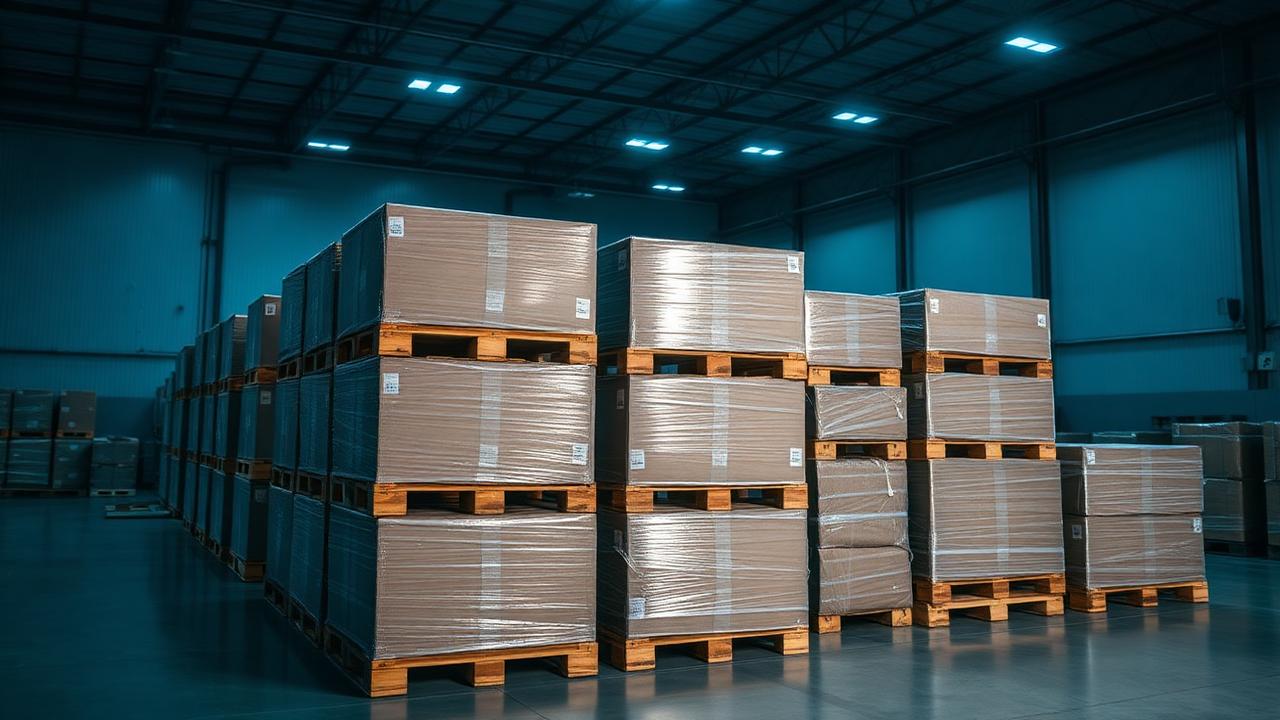
A liftgate dropped an 800-pound skid outside my bay doors last March. It came out of a Wayfair Regional Distribution Center (RDC) in Pedricktown, New Jersey. On paper, the manifest listed 12 units of furniture with an original retail value of $3,400. In reality, two flat-pack entertainment centers had burst open in transit, spilling cam locks and dowels across the wooden pallet. A velvet accent chair had a three-inch tear along the armrest. I paid $410 for the lot and $290 for Less-Than-Truckload (LTL) freight. After four days of sourcing missing hardware at Home Depot and patching upholstery, I cleared $380 in net profit. It was a brutal lesson in furniture liquidation, but it proved one thing. If you know how to buy and rebuild these items, Wayfair inventory holds serious profit margins.
Finding the best places to buy Wayfair liquidation pallets requires understanding how the company offloads returns, overstock, and damaged freight. Wayfair does not operate brick-and-mortar stores to clear out returned goods. When a customer sends back a dining set because the color looked different online, that box rarely goes back onto a retail shelf. According to NRF returns research, retail return rates consistently average over 14%, and bulky home goods suffer even higher return rates due to buyer remorse and shipping damage. Wayfair relies on third-party liquidators and direct auction portals to keep their warehouses clear. Before bidding on your first lot, you need a basic handle on the jargon. Check our liquidation glossary if you are unfamiliar with terms like manifest, accessorial charges, or salvage grade, because misinterpreting these definitions will cost you real money.
The Primary Channel: Wayfair Supply Chain Auctions
When sourcing directly from the source, the single largest official channel is the official Wayfair liquidation marketplace hosted by B-Stock.
This portal handles high volumes of customer returns, buyer's remorse items, and damaged packaging lots directly from Wayfair logistics hubs. B-Stock auctions typically sell inventory by the pallet or full truckload. You will see listings grouped by product tier: furniture, lighting, outdoor goods, and plumbing fixtures.
The advantage of buying on B-Stock is direct access. You eliminate broker markups. Manifests are provided for almost every lot, listing the stock-keeping unit (SKU), original retail price, item description, and estimated condition. However, direct buying requires a valid state reseller certificate. If you do not have a tax ID registered with your state, you cannot bid on the official auction site.
Bidding on official channels means competing with experienced buyers who know exact repair costs. Winning bids on clean Wayfair furniture lots typically land between 12% and 22% of estimated retail value. If you see a pallet bidding past 25% of estimated retail value, walk away unless you are selling in a high-density urban market where local delivery margins are massive.
The Best Places to Buy Wayfair Liquidation Pallets Direct and Secondary
While B-Stock handles official direct sales, secondary brokers and auction houses distribute a huge portion of Wayfair inventory to smaller resellers who cannot take full truckloads or lack resale licenses.
- B-Stock Network (Wayfair Supply Chain): This is the premier source for serious liquidators. Lots range from 2-pallet mixed furniture auctions to 26-pallet truckloads. Condition grades range from Grade A overstock to Grade C customer returns with heavy wear. You arrange freight directly through the platform or send your own carrier.
- Liquidation.com: Liquidation.com frequently lists Wayfair returns and overstock under generic titles like assorted home goods and furniture lots. These auctions are often broken down into smaller 1-pallet or 2-pallet configurations. While bid prices can be lower, shipping costs on single oversized pallets can eat your entire profit margin if you live far from the hub.
- Regional Brokers and Local Liquidation Warehouses: Sourcing from local liquidation warehouses is your best strategy if you want to avoid expensive freight charges. Brokers purchase full 26-pallet truckloads from Wayfair, take on the freight risk, and sell individual pallets to local buyers at a 20% to 30% markup. Searching local auctions lets you inspect the pallet physically before placing a bid. Finding nearby regional hubs is simple if you check pallet liquidators by city to locate wholesale facilities within driving distance.
Comparing the Best Places to Buy Wayfair Liquidation Pallets
To help you decide which channel fits your current warehouse setup, capital budget, and operational capacity, here is how the primary sources stack up against one another.
| Channel | Minimum Purchase | Resale Cert Required | Freight Control | Risk Profile |
|---|---|---|---|---|
| B-Stock (Wayfair Official) | 2 Pallets / Truckload | Yes | Buyer Arranged / Freight Quote | Medium to High |
| Liquidation.com | 1 Pallet | Varies by state | Platform Carrier or Pickup | High |
| Local Regional Brokers | 1 Pallet or Single Unit | Usually No | Local Pickup / Box Truck | Low to Medium |
| Direct Truckload Brokers | 26 Pallets | Yes | Flat-rate Freight Brokerage | High |
Each sourcing channel serves a different stage of your reselling journey. If you operate out of a two-car garage, local brokers let you hand-pick pallets without paying $400 freight bills. If you manage a 3,000-square-foot warehouse with a loading dock, buying direct through B-Stock is the only way to keep your unit cost low enough to generate high margins.
Step-by-Step P&L for a Wayfair Return Lot
To evaluate whether a lot is worth your cash, never trust the stated retail price on a manifest. Wayfair original prices reflect full list prices that customers rarely pay due to constant site discounts.
Let us walk through a real-world financial breakdown of a 14-unit mixed furniture pallet sourced from a regional warehouse.
Raw Lot Numbers
- Listed Retail Value: $3,200
- Winning Bid: $420
- Buyer Premium (10%): $42
- LTL Freight with Liftgate: $265 (estimated using our shipping cost calculator and verified against FedEx Freight standard rates)
- Total Landed Cost Basis: $727
Unboxing Realities and Yield
- 8 items in like-new condition (retail value $1,800): Expected resale at 50% of retail = $900
- 3 items with minor damage or missing hardware (retail value $800): Spent $35 on replacement hardware and touch-up paint. Expected resale at 35% of retail = $280
- 2 flat-pack items with broken particle board panels (retail value $400): Salvage grade. Zero resale value. Stripped for hardware and scrapped.
- 1 item missing the core assembly manual and key structural bracket (retail value $200): Total loss.
Revenue and Expense Breakdown
- Total Gross Sales Revenue: $1,180
- Total Repair Materials: $35
- Selling Fees: $156 (assumes localized Facebook Marketplace sales for heavy pieces and eBay for smaller light fixtures, calculated with our marketplace fee calculator based on current eBay seller fees rates)
- Total Landed Cost Basis: $727
- Net Profit: $262
- Return on Investment (ROI): 36%
Running these figures through a dedicated pallet ROI calculator before bidding prevents you from overpaying. In this case, a $262 profit for roughly 8 hours of sorting, assembling, hardware matching, and listing works out to $32.75 per hour. That is a viable trade, but if the winning bid had reached $550, the hourly wage would have collapsed below minimum wage.
How Wayfair Lots Go Wrong: The Particle Board Trap
The single biggest threat to your profitability when flipping Wayfair inventory is flat-pack furniture constructed from medium-density fiberboard (MDF) or engineered particle board.
Unlike solid wood furniture, engineered wood cannot be easily sanded, stained, or glued back together once a corner collapses in shipping. If an LTL driver drops a 90-pound flat-pack box onto its edge, the structural integrity of the entire cabinet is ruined. The cam lock connectors will rip out of the crumbly interior material, rendering the unit unfixable.
Here is the exact failure mode you must guard against:
- Missing Hardware Bags: Customers open boxes, realize they cannot assemble the item, lose the bag of custom screws, and ship the box back. You are left with 40 wooden panels and no way to put them together.
- Unlabeled Panel Packages: When a customer attempts assembly and gives up halfway through, they throw loose panels back into the box without protective foam. Panels rub against each other during transit, causing deep scratches across finished surfaces.
- Oversized Freight Accessorials: If your delivery location lacks a loading dock or forklift, freight carriers charge extra fees. A residential delivery fee ($75), a liftgate charge ($65), and a limited access fee ($50) can quickly double your shipping bill.
To avoid getting burned, always run the manifest through a tool like Pallet IQ or our internal manifest analyzer to strip out low-value particle board SKUs before putting down a bid ceiling. If a lot consists of more than 40% unbranded flat-pack MDF furniture, lower your maximum bid substantially or skip the auction entirely.
Winning Bidding and Reselling Strategies
If you want consistent profits, treat Wayfair reselling as an assembly and logistics operation, not just a retail trade.
First, set your bid ceiling strictly using a pallet calculator. Never get drawn into emotional bidding wars during the final 30 seconds of an auction. Calculate your maximum landed bid by taking 15% of realistic resale value, subtracting estimated freight and accessorials, and sticking to that cap.
Second, establish a hardware graveyard. When you encounter unfixable salvage units, do not throw away the hardware bags, allen wrenches, shelf pegs, or cam locks. Organize them in drawer bins. The hardware stripped from a scrapped $150 bookshelf will eventually save a $450 sideboard that is missing four key bolts.
Third, write clear, honest descriptions when listing items for sale locally. Buyers on platforms like Facebook Marketplace expect discounts on returned goods, but they despise surprises. Use our marketplace listing generator to draft item descriptions that explicitly state condition grades, minor cosmetic blemishes, and whether the item is fully assembled. Offering local delivery for an extra $30-$50 charge using a pickup truck can double your customer pool for heavy furniture items.
If you are unsure whether a lot meets your criteria, refer to our comprehensive buying decision guide to evaluate seller reliability, manifest quality, and risk factors.
Finding the Best Places to Buy Wayfair Liquidation Pallets for Your Business
Building a profitable inventory pipeline comes down to choosing the right sourcing channel for your workspace and vehicle setup. If you have a box truck and a small garage, buying locally from regional wholesale liquidators eliminates freight risk while giving you hand-picked quality control. If you operate out of a warehouse with a dock, leveraging primary channels like B-Stock provides the volume and low unit cost needed to scale. Avoid broken particle board, factor every liftgate fee into your initial calculation, and always set a firm bidding cap before the auction opens.
Can I buy Wayfair liquidation pallets directly without a resale certificate?
No, official direct channels like B-Stock require a valid state resale certificate and tax ID to register and bid. However, you can buy Wayfair returns without a tax ID by purchasing through local liquidation auctions, secondary brokers, or regional wholesale warehouses that buy truckloads and resell individual pallets to the public.
What is the typical recovery rate on Wayfair customer returns?
Recovery rates on Wayfair merchandise typically range between 25% and 45% of original retail value, depending on product category and condition grade. Solid wood furniture, lighting, and metal outdoor gear yield higher recovery, while flat-pack MDF furniture and open-box plumbing fixtures suffer much lower recovery due to missing parts and transit damage.
How do I handle missing hardware or broken parts on Wayfair furniture?
You have three options for missing hardware: order universal furniture hardware kits online, keep spare cam locks and shelf pins harvested from non-repairable salvage units, or contact third-party hardware suppliers using the assembly manual SKU. For broken particle board panels, scrap the item for parts unless the damage is purely cosmetic and can be concealed on the back or underside of the unit.
Pallet IQ Editorial Team
We buy, grade and resell liquidation pallets, then turn what we learn into the tools on Pallet IQ. Every guide here comes from real manifests, real bids and real sell through numbers.
Written September 2, 2026, last reviewed October 19, 2026