How to Flip Target Return Pallets for Real Profit
Target return pallets look incredible on paper until you realize half the lot is unmanifested Cat & Jack returns. Here is how we actually clear a solid margin on them.
By Pallet IQ Editorial Team
Published · Updated
 Liquidation Reselling
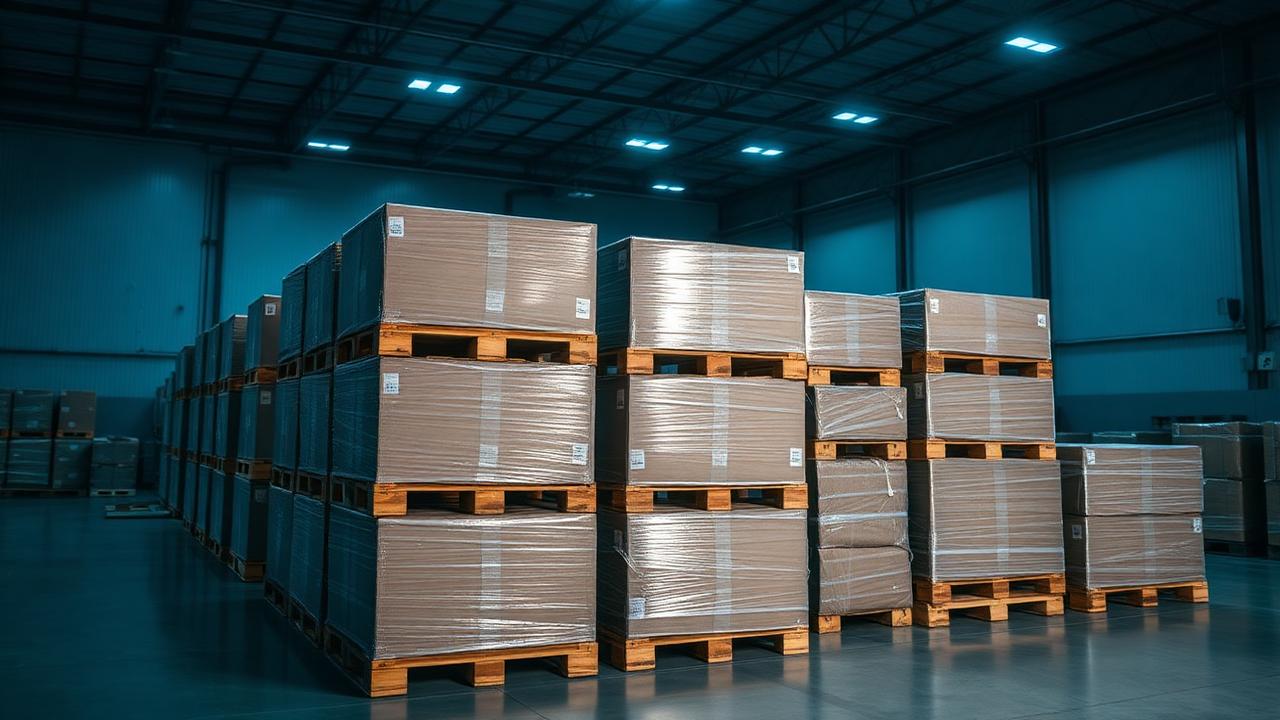
I stood in front of a 4-pallet Target return shipment in our warehouse back in late 2022. It came out of a regional distribution center in Chambersburg, Pennsylvania. We paid a $1,850 winning bid, but freight smashed us with a $150 residential accessorial charge because the driver claimed our driveway had a restricted turning radius. That was a rough morning. Target inventory can be gold or absolute trash. It depends entirely on whether you know how to read between the manifest lines. If you want to learn how to flip target return pallets without burning your working capital, you have to look past the shiny store brands like Threshold and Studio McGee and calculate real recovery rates before hitting the bid button on B-Stock or Direct Liquidation.
Target processes customer returns and shelf pulls differently than Amazon or Walmart. Their private-label brands make up a massive percentage of mixed return truckloads. You will see endless piles of Threshold bedding, Cat & Jack children's clothing, Goodfellow apparel, and Heyday electronics. Some of this stuff moves fast on eBay. Other pieces will sit in your garage for six months until you cut the price below your acquisition cost.
Understanding Target Manifests and Store Return Grades
Before placing a single bid, you need to understand how liquidation houses classify these loads. Grades dictate your realistic recovery margin.
- Grade A/B (Overstock & Shelf Pulls): These are factory-sealed or retail-ready items. Box damage is minimal. Expected recovery rate sits between 40% and 55% of original MSRP.
- Grade C (Customer Returns): Opened boxes, missing power cords, and customer store returns. Electronics and small appliances in this grade yield a 20% to 35% recovery rate, while apparel hovers around 10% to 18%.
- Grade D (Salvage & Store Cleanouts): Heavily damaged items, missing major components, and stripped packaging. Recovery drops below 10%. Avoid these unless you operate a local bin store or sell scrap parts.
Private labels require a different resale mindset. Target's Cat & Jack clothing line has a generous store return policy. Customers routinely bring back heavily worn kids' clothes for store credit. Store associates sweep those returns straight into gaylords heading to liquidation auctions. If you buy an unmanifested apparel lot, expect a portion of it to be stained, torn, or unresellable.
How to Flip Target Return Pallets Without Getting Burned
Sorting speed determines your hourly wage in this business. You cannot list a $20 Threshold lamp on eBay with a 13.25% fee plus $0.30 per order and pay $14 in outbound shipping unless you enjoy losing money. You must cross-list across multiple channels based on weight, brand value, and condition.
- eBay: Reserve this channel for high-value electronics, brand-name small appliances like Ninja or KitchenAid, and rare seasonal items.
- Poshmark & Mercari: Ideal for apparel lines like Universal Thread and Cat & Jack. Bundle apparel items by size to justify shipping fees.
- Facebook Marketplace & Local Cash Sales: Use local platforms for heavy furniture, oversized rugs, Threshold decor, and open-box vacuums. Zero shipping costs and zero seller fees mean you keep the full cash margin.
| Category | Typical Recovery Rate | Primary Sales Channel | Biggest Operational Risk |
|---|---|---|---|
| Small Appliances | 30% - 40% | eBay / Local Cash | Missing parts, greasy returns |
| Target Apparel | 10% - 18% | Poshmark / Mercari | Stained items, worn clothing |
| Furniture & Home | 20% - 35% | FB Marketplace | High LTL freight, crushed boxes |
| Toys & Seasonal | 25% - 45% | Local / eBay | Missing pieces, short sell window |
How to Flip Target Return Pallets: A Worked P&L
Let's walk through an actual 36-unit small-appliance and home lot sourced through a liquidator auction. This breakdown shows where the money actually goes.
Cost Basis & Upfront Expenses:
- Winning Auction Bid: $1,200.00
- Marketplace Buyer Premium (10%): $120.00
- LTL Freight (450 miles): $380.00
- Liftgate Accessorial Fee: $65.00
- Limited Access Delivery Charge: $45.00
- Total Landed Cost: $1,810.00
Manifest Breakdown & Realized Resale:
- Original Total Manifest Retail Value (MSRP): $6,400.00
- Tested Working Units (18 items sold on eBay): $2,100.00 gross sales. Total eBay fees (~13.25% + $0.30 per item): $283.65. Outbound shipping net cost: $190.00. Net eBay Cash: $1,626.35
- Minor Cosmetic Defect Units (10 items sold on FB Marketplace): $850.00 local cash collected
- Damaged or Missing Parts (8 items): 3 items harvested for spare parts on eBay ($90 gross minus $20 fees/shipping = $70.00 net). 5 items scrapped ($0.00). Net Salvage Cash: $70.00
Final Bottom Line:
- Total Net Revenue Generated: $1,626.35 + $850.00 + $70.00 = $2,546.35
- Total Landed Cost: $1,810.00
- Net Operating Profit: $736.35
- Return on Investment (ROI): 40.68%
- Realized Recovery Rate: 39.78% of MSRP
This P&L yielded a decent return, but look at the labor involved. We tested 36 electrical units, scrubbed sticky air fryers, re-boxed furniture, and carried 5 dead units to the dumpster. If freight ran $200 higher, or if 12 units were broken instead of 8, the profit margin would have evaporated. Using a manifest analysis tool like PalletIQ helps you catch these risk factors before you place a blind bid.
Where Target Pallet Flips Go Wrong
The fastest way to destroy your reselling capital is ignoring accessorial freight fees and failing to account for store-level return fraud.
Target store employees work quickly to clear guest service desks. When a customer returns a box filled with heavy bathroom tiles instead of an Instant Pot, it frequently gets taped shut and tossed onto a consolidation pallet. If you buy an unmanifested customer return load, you are taking a massive gamble on store-level inspection standards.
Freight charges represent another hidden landmine. Less-Than-Truckload (LTL) freight typically costs $0.80 to $2.50 per mile based on fuel surcharges and carrier density. However, accessorial fees stack up rapidly:
- Liftgate service: $50 to $75
- Residential delivery add-on: $50 to $100
- Limited access surcharge (storage units, farms, restricted lanes): $30 to $60
If your setup lacks a commercial loading dock and a forklift, expect to pay an extra $130 to $185 per shipment just to get the pallet off the truck.
Where is the best place to buy Target liquidation pallets?
B-Stock's official Target auction portal is the primary direct source for truckloads and mixed lots. Secondary liquidators like Direct Liquidation and regional auction houses buy bulk loads from Target and break them down into individual pallets, though secondary lots often carry higher processing fees and lower overall margins.
What is the average recovery rate on Target return pallets?
Net recovery across mixed Target customer return lots averages between 20% and 35% of manifest retail value. High-demand categories like clean small appliances and seasonal toys can reach 40%, whereas soft goods and mixed apparel typically recover 10% to 18% after accounting for damaged goods.
Do Target return pallets contain salvage or swapped items?
Yes. Customer returns routinely contain open boxes, missing accessories, worn apparel, and swapped items. You should assume that at least 15% to 20% of any customer return lot will be incomplete, damaged, or unresellable scrap.
Mastering how to flip target return pallets requires strict bidding discipline, fast turnaround testing, and a heavy reliance on local cash sales for bulky inventory. Keep your freight expenses low, never rely blindly on manifest MSRPs, and run your numbers carefully before bidding.
Pallet IQ Editorial Team
We buy, grade and resell liquidation pallets, then turn what we learn into the tools on Pallet IQ. Every guide here comes from real manifests, real bids and real sell through numbers.
Written August 9, 2026, last reviewed October 19, 2026