How to Flip Grocery Liquidation Pallets for Profit
Grocery liquidation isn't like flipping electronics. Between short dates and heavy freight, here is how to clear 40% net margins on shelf-stable inventory without taking a loss.
By Pallet IQ Editorial Team
Published · Updated
 Resale Strategy
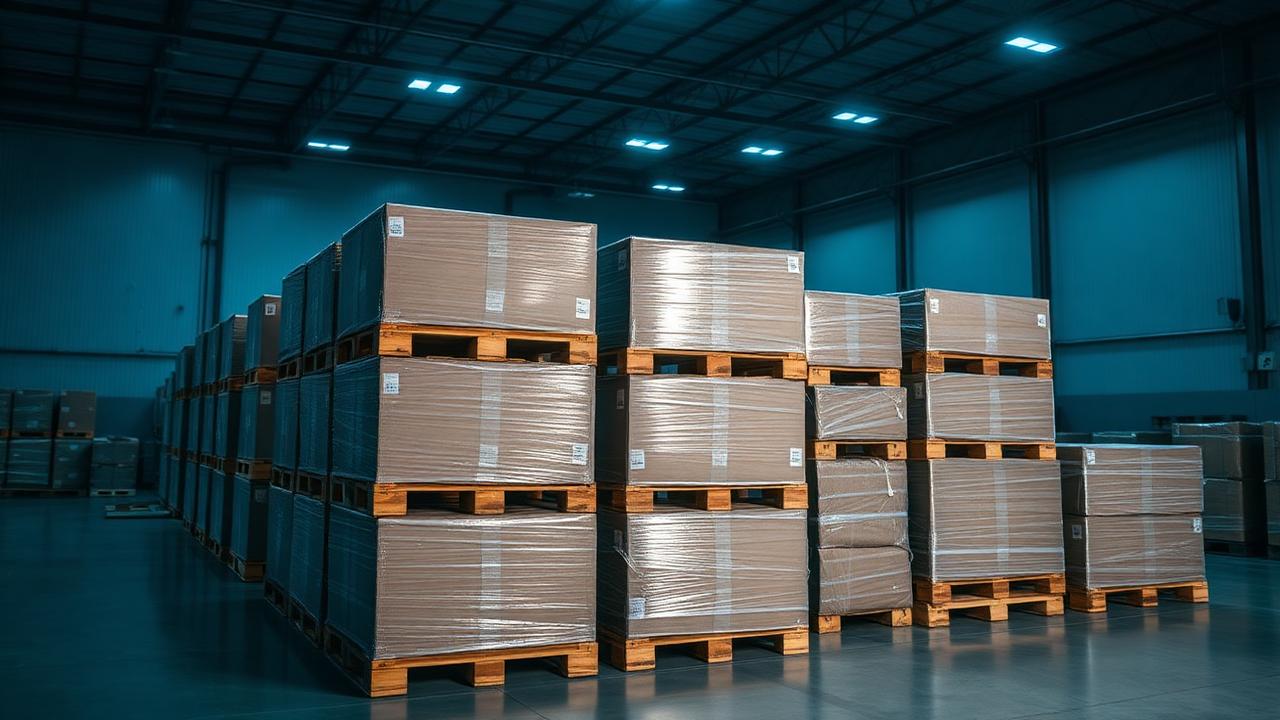
Three years ago, I unloaded a four-pallet shipment of name-brand cereal and granola bars onto my garage floor. I paid $850 for the lot out of a regional distribution center in Pennsylvania. Freight ran another $340 because I needed a liftgate and lived in a residential zone. On paper, the manifest showed $6,400 in retail value. What the broker glossed over in the manifest notes was that 40% of the granola bars had a "Best By" date exactly nine days away. I spent the next week practically giving away boxes at local swap meets just to get my cash back. If you want to learn how to flip grocery liquidation pallets without taking a bath, you have to throw away standard retail playbooks. Grocery behaves differently than consumer electronics or clothing. Shipping is brutally heavy, margins on single items are tight, and time is literally rotting your inventory.
Most newcomers think they will list individual boxes of pasta or cans of soup on eBay. They quickly get crushed by shipping costs. A single jar of marinara sauce might retail for $5, but shipping it cross-country in a padded mailer costs $9. The math fails instantly. Success in grocery liquidation relies on fast local turnover, smart volume bundling, and strict scrutiny of manifest expiration dates before you bid.
Sourcing and Grading Grocery Lots
Grocery liquidation comes down to three main condition tiers: overstock closeouts, short-dated goods, and store returns or scratch-and-dent salvage.
Overstock closeouts are the gold standard. These are items pulled from retail shelves due to packaging redesigns, seasonal rotations, or minor over-forecasting by regional distribution hubs. The shelf life is usually six months to a year out, and unit yields are high. Expect to pay 18% to 25% of manufacturer suggested retail price (MSRP) for clean overstock, with typical category recovery rates ranging from 35% to 50% depending on brand recognition.
Short-dated inventory is where high-volume flippers make real money, but it carries strict time risk. These lots sit between 30 and 90 days from their marked date. Liquidation sources let these go cheap, often 8% to 12% of retail value. You cannot sit on this stock. It must be sold within 14 days of hitting your warehouse or garage.
Salvage and damaged cases are mixed pallets of crushed box goods, torn outer wraps, or loose cans from broken multi-packs. Recovery rates drop to 15-25% here because you will dump 10% to 20% directly into the trash. Only buy salvage if the cost basis is practically zero and you have cheap local bin store outlets.
The Real Math on How to Flip Grocery Liquidation Pallets
Let's run through a real-world unit economic breakdown. Assuming a standard four-pallet lot of mixed shelf-stable snacks, coffee, and dry boxed goods purchased from a wholesale liquidator.
Delivered Cost Basis
Manifest Wholesale Cost (4 Pallets): $800.00
LTL Freight Charge (220 miles at $1.50/mile): $330.00
Residential Delivery Surcharge: $60.00
Liftgate Accessorial Fee: $65.00
Total Cash Basis: $1,255.00
Total Processed Units: 1,200 retail-ready pieces
Average Cost Per Unit Basis: $1.05
Sales Breakdown and Channel Distribution
We route inventory through three distinct channels to balance speed and margin:
- Local Facebook Marketplace Bundles: 600 units sold in themed multi-packs (e.g., 6-packs of premium coffee pods or snack boxes for $15 cash). Total Gross: $1,500.00. Platform Fees: $0.00.
- Wholesale to Local Discount Grocer: 300 short-dated or slower-moving units sold in bulk directly to an independent local market at $1.50 per unit cash. Total Gross: $450.00. Platform Fees: $0.00.
- eBay Multi-Packs: 150 high-value niche units (specialty keto snacks, imported teas) sold as 4-packs at $28.00 per pack with free shipping (37 total orders). Total Gross: $1,036.00. eBay Fees (13.25% + $0.30): $148.37. USPS Ground Advantage Shipping ($8.80 avg): $325.60. Net eBay Cash: $562.03.
- Trash / Unsellable / Damaged Units: 150 units write-off ($0.00).
Net Return Calculation
Total Cash Collected: $2,986.00
Total Selling & Shipping Fees: $473.97
Net Revenue Realized: $2,512.03
Less Initial Delivered Basis: -$1,255.00
Net Operating Profit: $1,257.03
Net Return on Cash Invested: 100.16%
Notice how the local cash channels carry the entire deal. The eBay portion accounted for significant gross revenue, but after market fees and shipping costs, local bundling generated higher net margins per labor hour.
Comparing Grocery Liquidation Sourcing Types
| Lot Type | Typical Cost (% MSRP) | Real Expected Recovery | Primary Risk Factor | Best Resale Channel |
|---|---|---|---|---|
| Seasonal Overstock | 18% - 25% | 35% - 50% | Capital tied up long-term | eBay / Amazon FBM |
| Short-Dated (30-60 Days) | 8% - 12% | 20% - 30% | Expiration date cliff | Local cash / Flea markets |
| Salvage & Mixed Case | 5% - 10% | 15% - 25% | High labor sorting & trash rate | Bin stores / Wholesale buyers |
Sales Channels: How to Flip Grocery Liquidation Pallets Locally
Shipping single boxes of cereal or jars of pasta sauce on eBay will kill your profit margins. Liquid freight charges and weight-based ground shipping eat everything. A 16-ounce jar of salsa costs $7 to $9 to ship via Priority Mail or UPS Ground, far higher than the salsa itself is worth.
To succeed, you need local distribution channels built before the freight truck hits your driveway.
Facebook Marketplace multi-packs work extremely well for household staples. Never list a single $2 box of crackers. Create a "Pantry Restock Bundle" containing two boxes of cereal, three boxes of granola bars, and two bags of pretzels for $20 cash. Buyers feel like they are getting a bargain compared to standard grocery store prices, and you clear $12 to $15 profit per transaction in ten minutes.
Flea markets and swap meets clear volume fast. Renting a table for $30 on a Saturday morning allows you to setup simple flat-rate pricing. Put out tables with signs reading "Everything $2 each or 3 for $5." Bargain shoppers buy full tote bags of dry goods. You can clear two full pallets in six hours using this strategy.
Another option is building relationships with independent discount grocers or Amish country stores. These stores thrive on secondary market deals. If you buy a six-pallet lot and know you cannot move all of it locally through retail, drop two complete pallets directly off at their loading dock for a flat 35% markup over your delivered unit cost basis. You take fast cash, lower your risk, and keep your garage clear.
Before placing bids on complex unmanifested lots, using a manifest analysis tool like PalletIQ helps flag realistic resale values and spot short-date risks across major categories.
How This Goes Wrong: The Expiration Date Trap
The fastest way to destroy your capital in food resale is failing to understand the legal and operational differences between date labels.
Manufacturers use three primary date markers:
- "Best If Used By / Best Before": A quality recommendation from the manufacturer. Food remains safe and fully edible past this date, though flavor or texture may slowly degrade.
- "Sell By": Internal store routing dates for inventory rotation. Products usually have weeks or months of quality life left after this date.
- "Expiration Date / EXP / Use By": A safety threshold. This is critical on items like baby formula, medical nutrition supplements, and infant foods.
Selling expired baby formula is illegal under federal regulation and will get your seller accounts permanently banned on eBay, Mercari, and Amazon instantly. For general dry grocery, while federal law allows the sale of past-"Best By" food, platform policies do not. eBay requires all food items to arrive at the buyer's address before the printed date on the package. If you ship a box of cookies with five days remaining and shipping takes six days, the buyer can open a item-not-as-described case and force a full refund at your expense.
Temperature control during transport is another major failure mode. Dry freight trailers reach over 110 degrees Fahrenheit during summer months. Shipping chocolate, gummies, protein bars with yogurt coatings, or canned carbonated beverages across southern transit lanes in July without refrigerated transport will leave you with melted blocks or burst cans. Always factor seasonal weather into your freight decisions.
Knowing how to flip grocery liquidation pallets comes down to fast turnover, low shipping overhead, and local buyer networks. Keep your shipping local, check dates before bidding, and secure your cash returns before inventory expires.
Pallet IQ Editorial Team
We buy, grade and resell liquidation pallets, then turn what we learn into the tools on Pallet IQ. Every guide here comes from real manifests, real bids and real sell through numbers.
Written August 14, 2026, last reviewed October 19, 2026