Common Mistakes Buying Wayfair Liquidation Pallets
Buying Wayfair returns sounds great until massive boxes of shattered particle board land on your driveway. Here is how to keep your capital safe.
By Pallet IQ Editorial Team
Published · Updated
 Liquidation Strategy
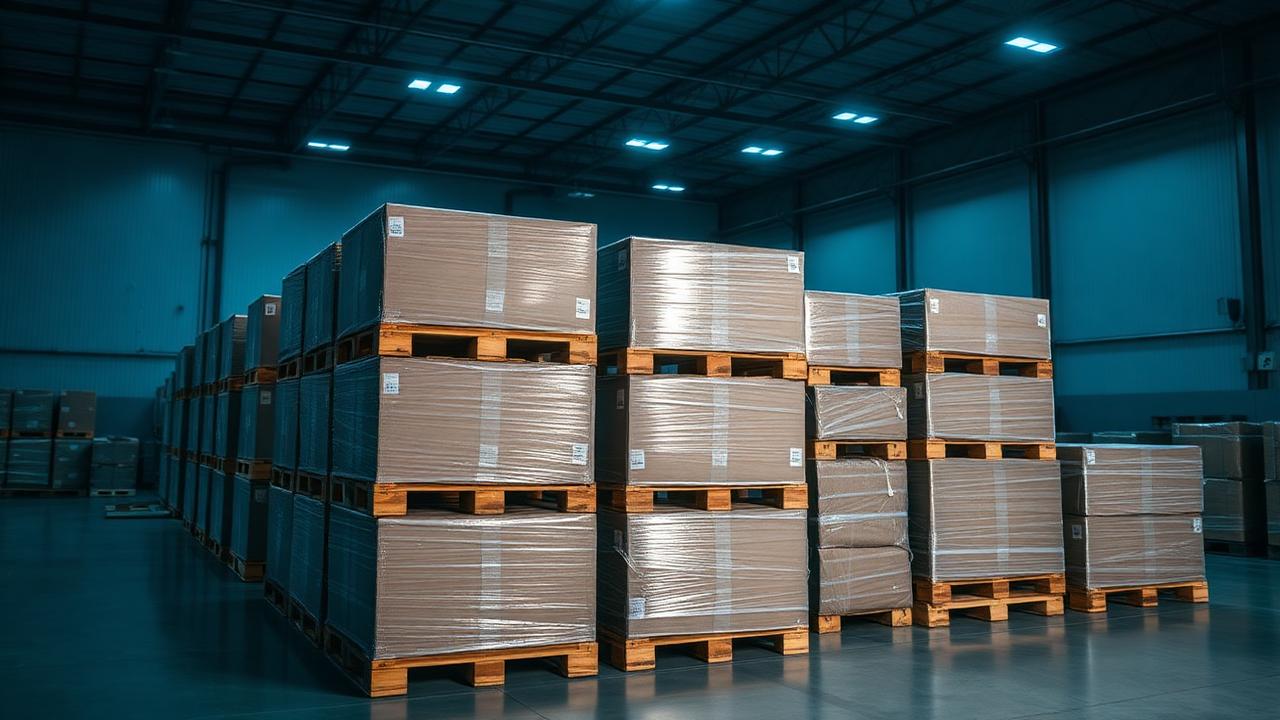
Three years ago, a 480-pound pallet from a Wayfair returns hub in Kentucky landed at my shop dock. It cost $410 at auction, plus $280 in freight. I thought I bought six solid wood dining tables and two sectional sofas. What actually showed up was a mangled stack of particleboard, three missing hardware bags, and a crushed armrest that made one sofa completely unsellable. That single shipment wiped out my profit for the entire month.
Avoiding the common mistakes buying wayfair liquidation pallets starts with understanding that furniture liquidation operates on entirely different math than small consumer goods. When you buy oversized items, freight costs balloon, storage footprint expands rapidly, and item condition becomes harder to predict. According to NRF returns research, retail returns account for hundreds of billions in supply chain friction each year, and bulky home goods carry some of the highest processing overhead in the industry.
If you want to stay profitable, you need to spot the red flags on a manifest before putting your hard-earned cash on the line.
Underestimating Freight and Accessorial Charges
The fastest way to turn a profitable bid into a total loss is ignoring how Less-Than-Truckload (LTL) shipping actually works. Small electronics can ship in a standard box for under twenty bucks, but bulky furniture pallets require freight carriers, liftgates, and specialized delivery arrangements.
Base freight rates typically run anywhere from $0.80 to $2.50 per mile depending on fuel surcharges and carrier lanes. However, the unexpected line items will eat your margin if you do not account for them upfront. If your facility does not have a commercial loading dock or a forklift, you must request a liftgate fee ($50-$85). If your warehouse is located in a rural zone or residential neighborhood, you will trigger a residential delivery accessorial ($60-$120).
Before placing a bid on any lot, plug your destination zip code into a shipping cost calculator so you know your true landed cost. Landed cost is simply the bid price plus shipping, fuel surcharges, and extra carrier accessorials. Never bid assuming freight will be cheap just because the auction starting price is fifty dollars.
Crucial Freight Errors and Common Mistakes Buying Wayfair Liquidation Pallets
Many buyers source Wayfair lots directly through official auction channels like B-Stock. While these platforms offer direct access to inventory, novice buyers repeatedly make the same operational blunders. You can review different sourcing options across our list of liquidation pallets by retailer to see how regional distribution centers handle bulk stock.
Here are the primary errors resellers make when bidding on Wayfair lots:
- Bidding without reviewing parcel dimensions or total pallet weight.
- Assuming flat-pack furniture contains every screw, cam lock, and assembly manual.
- Using estimated retail values (MSRP) to calculate profit instead of realistic secondary market values.
- Forgetting that un-assembled particle board furniture damages easily during carrier transit.
Grade definitions on manifests require careful reading. An A-grade lot consists of overstock or unopened boxes, while C-grade or D-grade lots consist of heavily handled customer returns. In liquidation terminology, a Grade C lot means you should expect cosmetic defects, opened inner bags, and potential hardware loss. If you need help translating condition codes, check out our comprehensive liquidation glossary.
Before submitting your next bid, run the item numbers through a manifest analyzer to spot low-margin items before you commit capital.
Assembly, Condition, and Other Common Mistakes Buying Wayfair Liquidation Pallets
Unlike an Amazon return lot containing brand-name blenders, Wayfair inventory frequently consists of unbranded or private-label home goods sold under names like Zipcode Design, Andover Mills, or Mercury Row. Buyers often look at the original listing price on the website and assume they can resale the item locally for 60% of that price. That is rarely true.
When a customer returns a flat-pack bookcase, they usually cram the wooden panels back into the cardboard shipping box without original foam padding. As that box travels from the customer back to a regional distribution center (RDC), the loose metal screws scrape against the laminated surfaces. When you open the box, the corners of the main panels are often chipped or crushed.
If you have to spend two hours assembling a 6-drawer dresser, replacing missing hex bolts from your own shop inventory, and touch-up painting damaged corners, your hourly labor destroys your net margin. Always price your resale value based on local cash-and-carry demand on platforms like Facebook Marketplace or Craigslist.
If you plan to list smaller decor items online, keep marketplace take-rates in mind. You can quickly double-check your net payout using a marketplace fee calculator before committing to a purchase. Platform commission structures, such as standard eBay seller fees, can eat 13% to 15% of your final gross sale price before shipping expenses.
| Item Category | Average Condition | Secondary Resale Demand | Typical Recovery Rate |
|---|---|---|---|
| Outdoor Furniture Sets | Grade A/B Overstock | High (Seasonal) | 35-50% of MSRP |
| Particle Board Desks | Grade C Customer Returns | Low to Medium | 15-25% of MSRP |
| Solid Wood Dining Tables | Grade B Customer Returns | High | 30-45% of MSRP |
| Upholstered Sofas | Grade C Customer Returns | Medium (Requires Cleaning) | 20-35% of MSRP |
| Lighting & Fixtures | Grade A/B Overstock | Medium | 25-40% of MSRP |
Notice how particleboard furniture has the lowest recovery rate. The labor required to inspect and repair flat-pack items eats your profit margins fast.
Fully Worked P&L Example: A 4-Unit Furniture Lot
To understand why lot math breaks down, let us look at a real single-pallet transaction. Suppose you bid on a manifest from an East Coast warehouse containing four large furniture boxes.
The Purchase & Landed Cost
- Winning Bid: $320.00
- Buyer's Premium (10%): $32.00
- LTL Freight (320 miles): $215.00
- Liftgate Fee: $65.00
- Total Landed Cost Basis: $632.00
Resale Breakdown & Realistic Payouts
- Unit 1: Solid Wood Console Table (Grade B return). Minor scratches on the back edge. Sold locally on Facebook Marketplace for cash. - Gross Sale: $180.00 - Platform Fees: $0.00 - Net Payout: $180.00
- Unit 2: Outdoor Patio Loveseat (Grade A overstock). Complete box, original packaging intact. Sold locally. - Gross Sale: $240.00 - Platform Fees: $0.00 - Net Payout: $240.00
- Unit 3: Executive Office Desk (Grade C return). Missing main hardware kit and instruction manual. Required buying $14 worth of hardware and Spending 90 minutes assembling it to sell as a completed unit. - Gross Sale: $130.00 - Additional Parts Expense: -$14.00 - Platform Fees: $0.00 - Net Payout: $116.00
- Unit 4: 5-Shelf Bookcase (Grade D return). Crushed particleboard side rails. Unsellable as a complete unit; tossed in the shop dumpster. - Gross Sale: $0.00 - Disposal Cost: -$10.00 - Net Payout: -$10.00
Final Profit Calculation
- Total Gross Revenue: $550.00
- Less Landed Cost ($632.00): -$82.00
- Less Out-of-Pocket Parts & Disposal ($24.00): -$24.00
- Final Net Profit/Loss: -$106.00
Running this math through a pallet ROI calculator beforehand reveals that even at a low bid price of $320, the heavy freight costs and high scrap rate on Grade C/D particleboard make this lot a losing proposition. To ensure you never overpay at auction, establish your hard ceiling using a maximum bid calculator prior to bidding.
How This Goes Wrong: The Trash and Storage Trap
The ultimate failure mode in furniture liquidation is running out of physical footprint. Small electronics sit neatly on metal shelving, but three bad Wayfair pallets take up an entire two-car garage or 200 square feet of commercial warehouse space.
When a manifest has a high concentration of crushed MDF (medium-density fiberboard) furniture, you cannot easily part it out. If a side panel breaks on a cheap wardrobe, the entire box becomes junk. Suddenly, you are not just losing the money you spent on the bid, you are paying commercial waste fees to dispose of heavy engineered wood.
Resellers who get trapped in this cycle end up discounting good inventory just to free up floor space for the next shipment. That creates a cash flow chokehold that can shut down a small reselling business within months.
To build a stable purchasing framework instead of guessing, read through our complete buying decision guide.
When evaluating any future auction, keeping these common mistakes buying wayfair liquidation pallets front of mind will protect your working capital and keep your warehouse operational.
Frequently Asked Questions
Are Wayfair liquidation pallets good for beginners?
Generally no. Bulky furniture requires significantly more storage space, heavy lifting equipment, and LTL shipping knowledge compared to small goods like apparel or home electronics. Beginners should usually start with smaller, higher-density inventory lots.
What does private label furniture mean on a Wayfair manifest?
Wayfair sells many products under its own in-house brand names like Laurel Foundry Modern Farmhouse or Latitude Run. These items are manufactured by third-party suppliers, meaning you cannot easily look up a single universal product code (UPC) to find instant resale prices on Amazon.
How do I handle missing hardware in returned furniture packages?
You can purchase universal furniture hardware assortments online that contain standard metric cam bolts, wooden dowels, and hex screws. However, if specialized bracket hardware is missing, you may need to sell the item at a steep discount as-is for spare parts.
Pallet IQ Editorial Team
We buy, grade and resell liquidation pallets, then turn what we learn into the tools on Pallet IQ. Every guide here comes from real manifests, real bids and real sell through numbers.
Written November 4, 2026, last reviewed November 16, 2026