How to Flip Untested Pallets for Real Profit
Raw, unmanifested liquidation pallets can make or break your reselling business. Here is how we sort, test, and price raw store returns without taking a bath.
By Pallet IQ Editorial Team
Published · Updated
 Liquidation Strategy
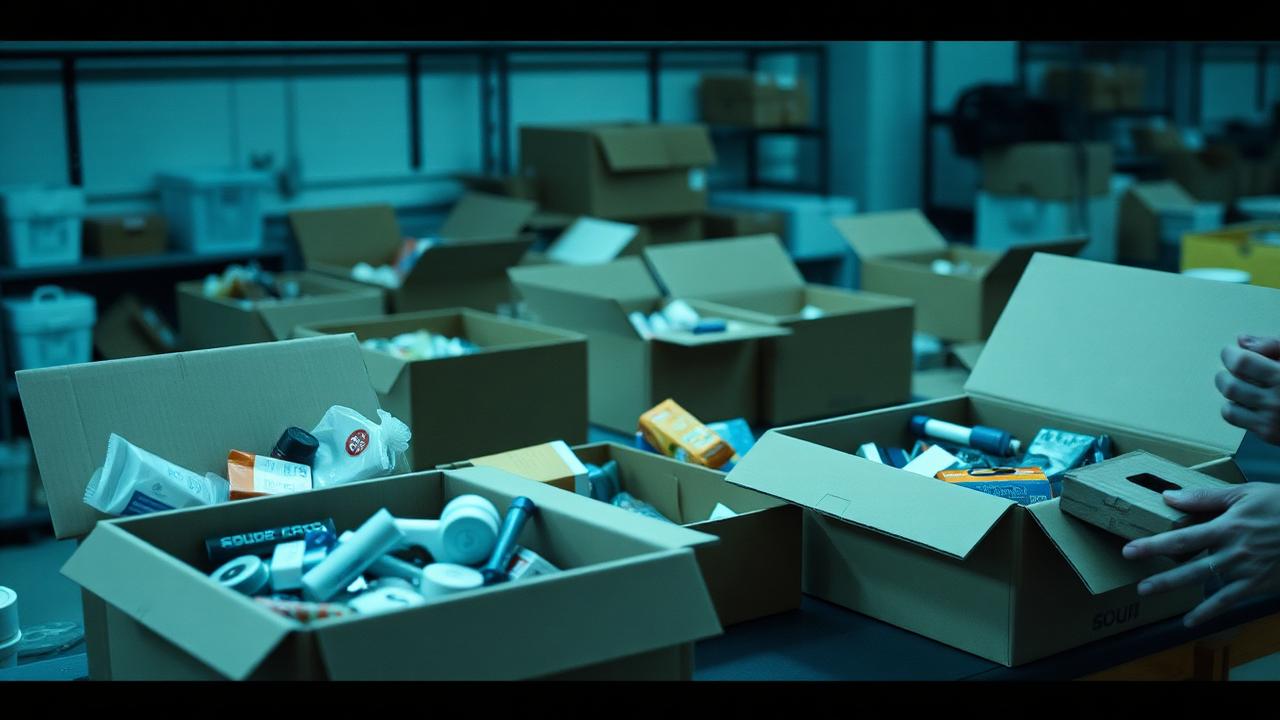
Three months ago, a heavy wooden skid of raw Target returns landed on our garage dock in Charlotte. 48 boxes were wrapped in thick black stretch film, tagged with a plain paper sticker: "Mixed Hardlines - Untested Salvage." Total bill: $650 bid price plus $210 LTL freight, including a $50 liftgate fee because the seller shipped via a standard dry van without a ramp.
We took a box cutter to the wrap and found six broken Ninja blenders, four missing parts, three vacuum cleaners stuffed with dog hair, and eight brand-new Keurig coffee makers still sealed in factory tape. That is raw liquidation in a nutshell.
Learning how to flip untested pallets isn't about finding hidden treasure in every box. It is about cold, calculating risk management. Untested lots, often called raw customer returns or unmanifested liquidation, are inventory that the retailer or liquidator has not inspected, cleaned, or verified. You pay a fraction of wholesale, but you absorb all the scrap. If you do not know how to process, test, and price that chaos, you will lose money fast.
Why Buy Untested Lots Instead of Manifested Pallets?
Manifested pallets sound safer on paper. You get a spreadsheet detailing every item, UPC, and original retail value. The problem? Everybody wants manifested goods. Bidding wars drive those lots up to 30% or 40% of retail value, leaving almost zero margin after marketplace fees and freight.
Untested pallets sell cheaper. A raw lot out of a regional distribution center (RDC) might go for 8% to 15% of retail value. You are trading certainty for margin.
Category matters immensely here. Recovery rates vary widely across retail sectors:
- Power tools and hardware: 30% to 45% recovery rate. Heavy casings hold up well, and buyers buy broken tools for parts.
- Small appliances: 25% to 35% recovery rate. Easy to clean and test, but shipping costs eat profit.
- Consumer electronics: 25% to 40% recovery rate. High resale value on working items, but high trash rate on dropped items.
- Apparel and soft goods: 8% to 15% recovery rate. Heavy stains, missing tags, and wrong sizes make bulk resale tedious.
If you buy an untested apparel load, prepare to sort through hundreds of low-margin items. If you stick to hardlines or power tools, your odds of pulling working inventory go way up.
How to Flip Untested Pallets Without Going Broke
When a raw lot lands on your floor, do not list anything immediately. You need a strict triage process. Group every item into one of four condition grades immediately upon opening the boxes.
Grade A (New / Open Box): Item is complete, functional, and has original packaging. Needs minimal cleaning. Ships directly to eBay or Mercari.
Grade B (Used Working): Item works, but shows wear or lacks non-essential accessories (like a missing manual or extra attachment). Listed with detailed photos showing scuffs.
Grade C (Parts / Repair): Item fails testing or has structural damage. Sold as-is on eBay for parts, or bundled into local repair lots.
Grade D (Scrap / Trash): Contaminated, smashed, or missing core components that render it worthless. Recycled or thrown away.
| Category | Expected Working Yield | Primary Resale Channel | Realized Recovery Rate |
|---|---|---|---|
| Power Tools & Outdoor | 60% - 70% | eBay / Facebook Marketplace | 30% - 45% |
| Small Kitchen Appliances | 40% - 50% | Mercari / Local Pickup | 25% - 35% |
| Consumer Electronics | 30% - 40% | eBay (Parts & Repair) | 20% - 35% |
| Apparel & Footwear | N/A (Damage/Stains) | Poshmark / Whatnot / Flea Market | 8% - 15% |
Work through the lot systematically. Test power functions, verify all wall adapters match original voltage specs, and wipe down surfaces before photographing. Never list a customer return as "New" unless the factory seal is completely intact.
Worked P&L: A $750 Untested Tool Lot
To see if a deal works, you have to run the numbers past the invoice price. Here is a real-world breakdown of a 25-unit unmanifested DeWalt and Ryobi tool return skid acquired from an online auction.
Expense Basis
- Winning Bid: $450.00
- Buyer's Premium (10%): $45.00
- LTL Freight ($1.80/mile): $205.00
- Liftgate Accessorial Fee: $50.00
- Residential Delivery Accessorial Fee: $30.00
- Poly bags, bubble wrap, and tape: $20.00
- Total Investment Cost Basis: $800.00
Resale Yield & Gross Breakdown
- 10 Grade A/B Items: Drills, impact drivers, and blowers (all fully functional). Total gross sales on eBay: $1,150.00
- 6 Grade C Items: Bare tool bodies needing trigger switches or housing repairs. Sold as-is on eBay: $220.00
- 9 Grade D Items: Cracked housings, burned-out motors, and knockoff dead batteries. Total realized value: $0.00
- Total Gross Realized Sales: $1,370.00
Net Calculations
- Marketplace Selling Fees (eBay avg ~13.25% + $0.30 per item): $186.03
- Outbound Shipping Subsidies (Paid by seller on select promotions): $94.00
- Gross Sales ($1,370.00) - Selling Fees ($186.03) - Outbound Shipping ($94.00) = Net Revenue: $1,089.97
- Net Revenue ($1,089.97) - Cost Basis ($800.00) = Net Profit: $289.97
- Return on Investment (ROI): 36.2%
We spent roughly five hours sorting, wiping grease off housings, testing batteries with a multimeter, and creating listings. That breaks down to about $58 an hour for labor. Solid, but far from the fairytale "make $5,000 on a $200 box" videos you see on social media.
Where Flipping Untested Lots Goes Wrong
The biggest trap in raw salvage is ignoring logistics accessorials. LTL freight quotes usually assume you have a commercial dock and a forklift. If you live in a residential neighborhood, carriers will tack on extra fees fast. A $50 liftgate charge and a $40 residential fee can easily turn a profitable skid into a break-even headache.
Another major failure mode is holding onto Grade D scrap. Resellers often store broken items for months hoping to source replacement parts. Unless you run a dedicated repair shop, dead inventory occupies floor space that should go to fast-moving stock. If an item cannot sell as-is within 30 days, strip any high-value parts (like detachable cords or rare accessories) and scrap the rest.
Unmanifested returns also carry brand-gating risks. Amazon will gate you on major brands like DeWalt, Apple, or Sony if you don't have valid brand-authorized wholesale invoices. Liquidation receipts do not count. If you plan to sell raw returns on Amazon, you will get hit with intellectual property complaints. Stick to eBay, Mercari, Poshmark, or local channels like Facebook Marketplace for unmanifested inventory.
Building a System for How to Flip Untested Pallets
Consistency comes down to repeated processes. Build a dedicated testing station in your garage or warehouse before you order your next skid. Keep universal power cords, multimeters, basic hand tools, rubbing alcohol, and goo remover within arm's reach.
When evaluating upcoming auctions, use historical data to estimate yield instead of best-case scenarios. If a seller lists a 500-pound hardlines skid, assume 30% of it is complete trash. Calculate your max bid based on recovering your investment from just half the lot.
Over time, track which source facilities give you high-yielding returns and which ones dump actual trash on buyers. A manifest analysis tool like PalletIQ can help you track real recovery rates across different suppliers and auctions so you never make the same buying mistake twice.
Mastering how to flip untested pallets comes down to disciplined sorting, ruthless liquidation of non-working inventory, and factoring every single freight dollar into your cost basis before you place a bid.
Do I need a reseller certificate to buy untested pallets?
Yes, most reputable auction platforms and wholesale liquidators require a state-issued reseller certificate (tax ID) during account setup. This waives sales tax on the pallet purchase, since you will collect sales tax when selling items to end consumers.
How do I price items when there is no manifest attached?
Search individual items on eBay using the sold listings filter. Base your listing price on the average recent sale price for that exact condition grade (Open Box or For Parts), rather than the original manufacturer MSRP.
Which product categories offer the highest return on raw lots?
Power tools, lawn equipment, and small kitchen hardware yield the highest margins. These categories feature durable metal and plastic components, easy cleaning, and active second-hand buyers seeking replacement parts.
Pallet IQ Editorial Team
We buy, grade and resell liquidation pallets, then turn what we learn into the tools on Pallet IQ. Every guide here comes from real manifests, real bids and real sell through numbers.
Written August 15, 2026, last reviewed October 19, 2026