Common Mistakes Buying Shoe Liquidation Pallets
I once paid $2,400 for a shoe lot only to find 40 single left shoes. Here is how to spot manifest red flags and protect your margins before you bid.
By Pallet IQ Editorial Team
Published
 Liquidation Strategy
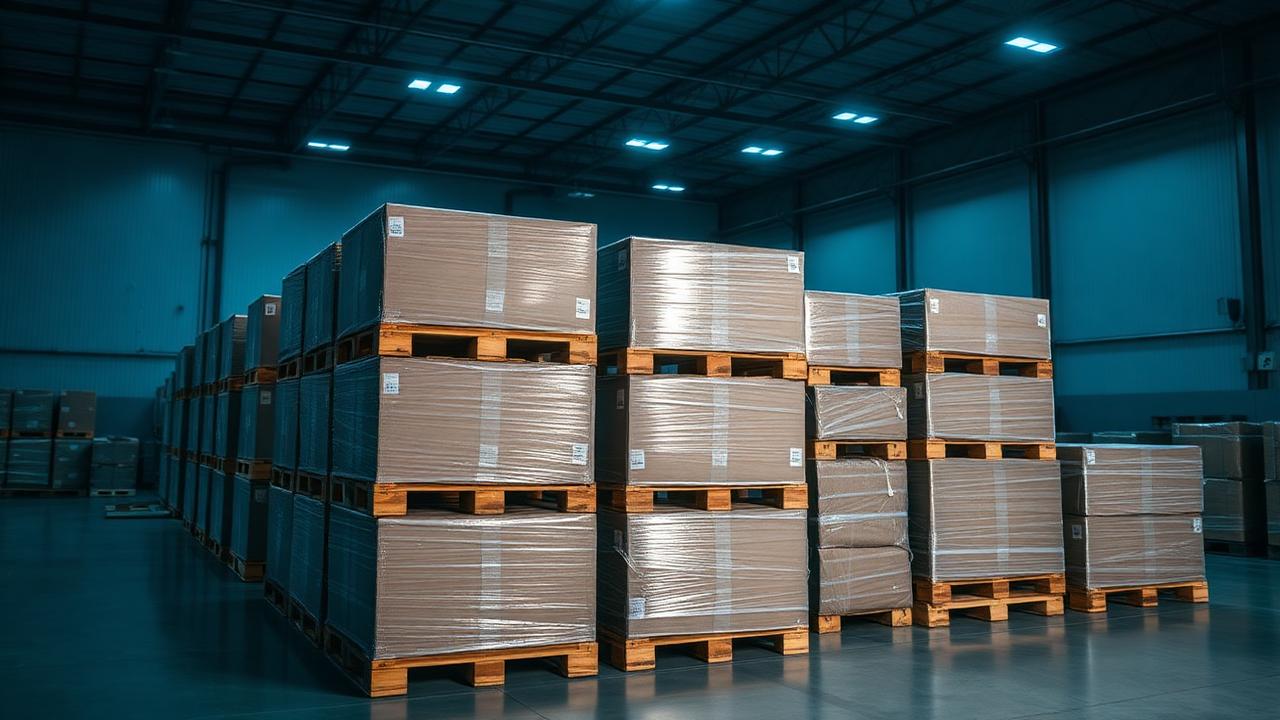
We once wired $2,400 for a 350-pair retail footwear lot out of a Charlotte distribution center. On paper, it looked clean. The seller listed popular brand names with an estimated retail value over $18,000. When the freight driver dropped the two tall pallets on our bay floor, reality hit hard. Forty-two boxes contained only a single left shoe. Another sixty pairs were size 5.5 or size 14, sizes that take months to sell online. After shipping, platform fees, and trash disposal for blown-out soles, we lost nearly $600 on that load. If you want to build a profitable reselling business, learning the common mistakes buying shoe liquidation pallets is the difference between making real money and renting expensive storage space for trash.
Footwear is one of the trickiest categories in wholesale surplus. According to NRF returns research, retail returns across the industry exceed hundreds of billions annually, with footwear sitting near the top for return rates due to sizing issues. But unlike apparel, shoes take up massive physical volume, cost more to ship, and suffer heavily from missing components.
Sizing Pitfalls and Common Mistakes Buying Shoe Liquidation Pallets
The first trap most buyers fall into is treating a shoe manifest like a list of identical commodities. A box of 100 electronics units is relatively uniform. A box of 100 shoes contains 100 individual size, width, color, and condition variables.
If a manifest shows fifty pairs of a popular running shoe, but forty of them are size 5 or 15 EEE, your sell-through rate will crawl. Average core sizes (women's 7-9 and men's 9-11) move in days. Fringe sizes can sit on shelving for over a year, chewing up working capital.
Here are the major sizing and sorting errors to watch for on manifests:
- Mismatched single shoes where a warehouse worker packed two lefts or different sizes into one box.
- Extreme size skews where 70% of the lot consists of sizes that fall outside core consumer demand.
- Missing original boxes, which drops your listing price on channels like Poshmark by 20-30%.
- Mislabeled condition grades, such as shelf pulls marked as new that actually have heavy floor dirt on the outsoles.
When reviewing category data in our recovery rate report, footwear recovery rates generally range between 20% and 35% of original retail value. If your math relies on hitting a 50% recovery rate across an unmanifested return load, your numbers will fail.
Freight, Accessorials, and Footwear Packing Density
Footwear is light, but it is bulky. Standard shoe boxes consume cubic space fast. If a broker stacks a pallet six feet high, you are paying for volume rather than raw weight.
Freight charges can instantly erase your target profit margin if you forget accessorial charges. When booking LTL shipping, carriers like FedEx Freight charge extra fees for liftgates ($50-$75), residential deliveries ($50-$100), and limited-access locations ($30-$60). Running a quick calculation on a shipping cost calculator before placing a bid keeps those surprises off your final invoice.
If your shipping cost exceeds $2.50 per pair on a low-end retail lot, your margins are effectively dead before the truck arrives.
Real Financial Breakdown: Shoe Pallet P&L
Let us look at a realistic profit and loss statement for a single footwear pallet sourced from primary auction sites like B-Stock.
Manifest Details:
- Target Lot: 200 Pairs Customer Return Footwear
- Original Retail Value (MSRP): $14,000
- Winning Bid: $1,400 (10% of MSRP)
- Buyer Premium (10%): $140
- Freight Cost plus Liftgate: $360
- Total Cost Basis: $1,900 ($9.50 per pair)
Expected Inventory Processing and Realized Resale:
- Grade A (Like New / Core Sizes): 80 pairs sold at $45 average = $3,600
- Grade B (Light Wear / Fringe Sizes): 60 pairs sold at $25 average = $1,500
- Grade C (Damaged / Missing Box / Heavy Wear): 30 pairs sold at $12 average on local cash apps = $360
- Grade D (Unsellable Singles / Destroyed): 30 pairs written off = $0
- Gross Resale Revenue: $5,460
Expenses and Net Profit:
- Gross Revenue: $5,460
- Total Cost Basis: $1,900
- Platform Resale Fees (averaging ~13.25% + fixed listing fees on channels like eBay): $750 (reference eBay seller fees)
- Outbound Shipping Subsidies and Materials ($3 per pair sold): $510
- Net Operating Profit: $2,300
By evaluating your numbers through a pallet ROI calculator, you can see that even with 30 unsellable pairs, this lot hits a solid return because the initial purchase price remained low enough to absorb the write-offs.
Sourcing Grade Comparison for Resale Footwear
Understanding the inventory source is vital before placing any bids.
| Inventory Condition | Typical Recovery Rate | Grading Risk | Processing Labor |
|---|---|---|---|
| Overstock / Closeout | 30% - 45% of MSRP | Very Low | Minimal sorting needed |
| Store Shelf Pulls | 25% - 35% of MSRP | Low to Moderate | Cleaning soles, sticker removal |
| Customer Returns | 15% - 25% of MSRP | High | Full cleaning, pair verification, testing |
| Salvage / Mixed Lots | 5% - 15% of MSRP | Extremely High | Heavy trash rate, single shoe risk |
How This Goes Wrong: The Single-Shoe Cascade
The most severe operational failure mode in footwear liquidation occurs when a reseller buys raw, unmanifested return lots without a clear strategy for unsellable inventory.
Consider what happens when you receive 300 pairs of unmanifested returns. You unpack thirty boxes and find fifteen unpairable left shoes. Then you discover twenty pairs with split seams, ten pairs with heavy odor, and forty pairs of single-shoe returns where customers swapped their old shoes into the new box and sent them back to the retailer.
Suddenly, 25% of your total volume produces zero revenue. If your warehouse space is tight, those boxes sit in your aisle while you waste hours trying to match singles or clean stains. Your average turn time stretches from 30 days to 120 days. As cash flow stalls, you lack the capital to bid on clean overstock lots. Using a sell-through calculator helps track your velocity so inventory bloat does not freeze your purchasing power.
Strategy to Avoid Common Mistakes Buying Shoe Liquidation Pallets
To protect your business from bad buys, implement a strict verification routine before committing funds to any shoe lot:
- Demand manifested lots whenever possible. Check every SKU, size, and gender breakdown using a reliable manifest analyzer.
- Factor a baseline 15% trash rate into your bid calculations for customer return loads.
- Calculate total landed cost per pair including freight, buyer fees, and prep labor before setting your maximum bid.
- Diversify sales channels. List pristine pairs on specialized marketplaces, while moving worn or unboxed units through local cash sales.
If you want a complete decision framework for prospective lots, consult our buying decision guide before placing your next auction bid. Staying disciplined with your numbers keeps your resale operation profitable over the long haul.
Frequently Asked Questions
How do I handle single shoes that come in liquidation pallets?
Single shoes are standard in customer return lots. Some resellers batch single shoes by brand and size to sell on specialized odd-pair marketplaces or auction sites. If you cannot match them with another lot within 60 days, write them off and donate or recycle them to clear warehouse space.
What is an acceptable loss rate for customer return shoe pallets?
For raw customer returns, expect a 15% to 25% loss rate due to damage, heavy wear, or single shoes. If you buy shelf pulls or overstock lots, that loss rate should drop below 5%.
Which sales channels are best for liquidating footwear?
Core name-brand shoes in good condition perform best on high-traffic online platforms like eBay and Poshmark. Lower-value pairs, heavy shoes with high shipping costs, or box-less footwear often sell faster on local cash marketplaces to avoid platform and shipping fees.
Pallet IQ Editorial Team
We buy, grade and resell liquidation pallets, then turn what we learn into the tools on Pallet IQ. Every guide here comes from real manifests, real bids and real sell through numbers.
Written October 28, 2026