Buying and Reselling Walmart Liquidation Pallets
I spent $1,400 on a Walmart return pallet out of Cullman, Alabama, and half of it was broken glass. Here is how to actually make money on these lots without losing your shirt.
By Pallet IQ Editorial Team
Published · Updated
 Liquidation Reselling
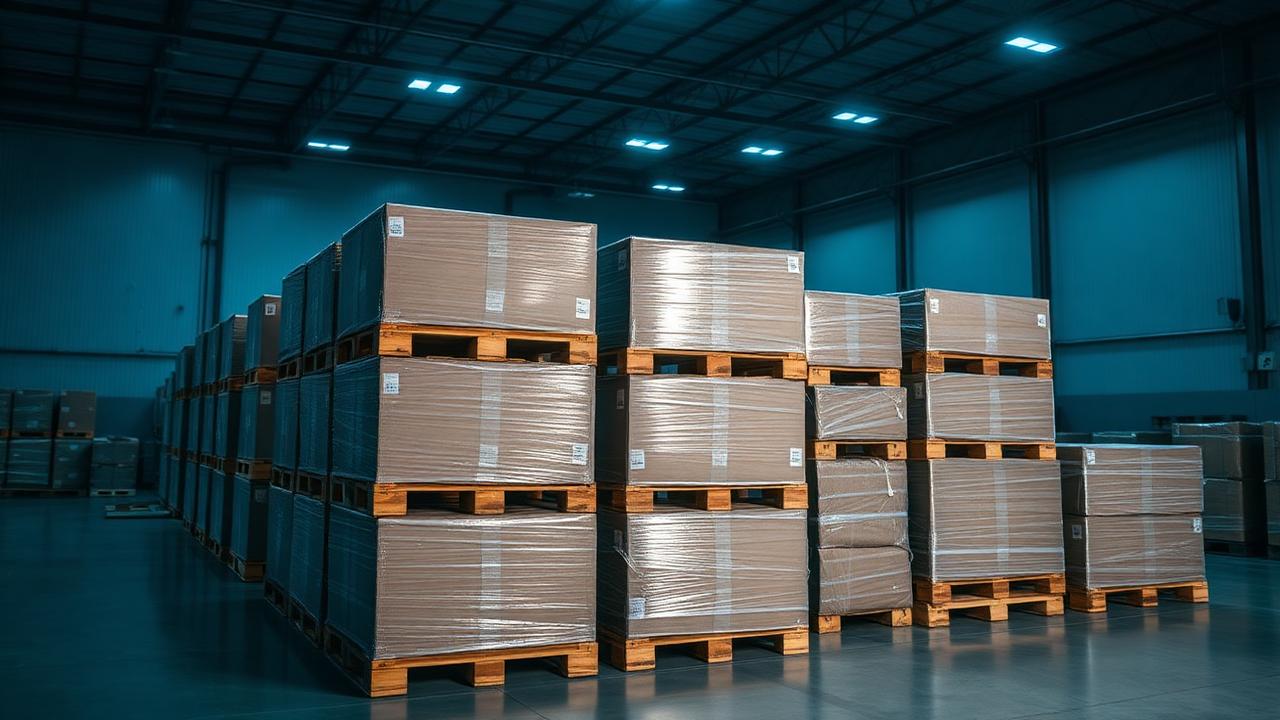
Three years ago, I backed my pickup trailer up to a dock in Cullman, Alabama, to haul away four pallets of Walmart customer returns. I paid $1,250 for the lot, plus $380 in LTL freight. On paper, the manifest showed $9,400 in original retail value. In reality, the top pallet was eight shattered Onn soundbars, three hollowed-out Xbox boxes, and a microwave caked in dried soup. Learning how to resell walmart liquidation pallets starts right there: understanding that retail manifest prices are a complete fiction.
You can make serious money on these truckloads. Plenty of full-time resellers do. But if you trust the sticker MSRP or ignore shipping accessorials, you will end up paying big money just to haul off another company's trash. Here is how the business actually works when you are the one holding the box cutter and trying to turn a profit.
Sourcing and Understanding Return Grades
Walmart sells off inventory through direct liquidation auction portals, primarily via B-Stock and Direct Liquidations, as well as independent regional brokers. Where the pallet comes from in the logistics network dictates what you will find inside.
Goods originating from a Return Fulfillment Center (RFC) are usually raw customer returns sent back from local stores. Regional Distribution Centers (RDCs), on the other hand, frequently mix customer returns with store overstock, seasonal end-cap pullbacks, and heavily damaged warehouse transfers.
Before placing a single dollar on an auction, you need to understand condition grades:
- Grade A/B (Overstock & Shelf Pulls): Unopened boxes, minor packaging wear, or clearance items removed to make shelf room. These yield the highest recovery rates but push auction prices up near 30% to 45% of retail value.
- Customer Returns (Uninspected): The wild west of liquidation. You will find brand-new items buyers brought back because they picked the wrong color alongside swapped-out junk where someone returned an old toaster inside a new box.
- Grade C/D (Salvage & Heavy Damage): Crushed boxes, water damage, stripped components, and non-working electronics. These usually sell for under 10% of MSRP for a reason.
Category selection dictates your survival. If you buy liquidation apparel expecting a 50% recovery rate, you will go broke fast. Electronics might look tempting due to high individual ticket prices, but high return failure rates can destroy your margins.
| Category | Typical Manifest MSRP | Real Recovery Rate | Test/Prep Labor | Best Resale Channel |
|---|---|---|---|---|
| Electronics | $8,000 - $15,000 | 25% - 40% | High (15-20 min/unit) | eBay / Mercari |
| Small Appliances | $4,000 - $8,000 | 35% - 50% | Medium (5-10 min/unit) | FB Marketplace / Local |
| Lawn & Garden / Tools | $5,000 - $10,000 | 30% - 45% | Medium (10 min/unit) | Local Cash / OfferUp |
| Apparel & Linens | $6,000 - $12,000 | 8% - 15% | Low (Bulk sorting) | Bin Store / Flea Market |
| Hardlines & Toys | $3,500 - $7,000 | 20% - 35% | Low (5 min/unit) | Whatnot / Local Sales |
Apparel recovery is notoriously brutal. Walmart's private label clothes, brands like George, Time and Tru, or Wonder Nation, carry very low resale demand online. eBay buyers will not pay $12 for a pre-owned $14 Walmart sweater after paying $6 for shipping. You end up selling apparel for $1 to $2 a piece in bulk or running it through a local bin store. Tools and lawn equipment, conversely, hit a sweet spot: power tools carry a 30% to 45% recovery rate because buyers locally willingly purchase refurbished or cosmetically scratched equipment for 60% of retail.
The Real Math Behind How to Resell Walmart Liquidation Pallets
Never bid based on emotion or the shiny top figure on a manifest. Always run a detailed P&L calculation before clicking "Place Bid".
Let's break down a specific lot: a 4-pallet, 32-unit mixed small-appliance and general merchandise customer return lot coming out of a Georgia RDC.
Here is the cost basis breakdown:
- Manifest Retail MSRP: $8,200
- Winning Auction Bid: $850
- LTL Freight Cost: $310 (350 miles at roughly $0.88/mile)
- Freight Accessorial - Liftgate Fee: $75
- Freight Accessorial - Residential Delivery Fee: $60
- Freight Accessorial - Limited Access Fee: $35
- Total Delivered Cost Basis: $1,330
Once the pallets arrive, you unpack, test, clean, and grade every item. Here is how that $8,200 manifest value converts into realistic cash sales:
- Tested Working / Complete Units (Resold on eBay): $1,450 gross sales
- Local Cash Resale (FB Marketplace / OfferUp for bulky items like air conditioners): $620 gross sales
- Scrap / Trashed / Fraudulent Swaps: $0 (Roughly 35% of manifest MSRP lost)
- Total Gross Revenue: $2,070
Now account for marketplace selling fees, platform cuts, and packing materials:
- eBay Fees (~13.25% + $0.30 per order): -$192
- Amazon Fees (~15% if selling eligible overstock): -$0 (Used eBay/FB for returns)
- Facebook Marketplace Fees (5% or local cash): -$15
- Shipping Supplies (Boxes, bubble wrap, poly mailers, tape): -$45
- Net Profit: $488
A $488 profit on a $1,330 cash risk represents a 36.6% return on investment. That is a typical, healthy outcome for a general merchandise lot. However, if two high-value Ninja blenders had been missing from that lot or contained brick counterweights inside the boxes, your net profit would quickly collapse down toward zero.
Operational Workflow for How to Resell Walmart Liquidation Pallets
When learning how to resell walmart liquidation pallets, your bench efficiency dictates your hourly wage. If you take three hours to test and list a $20 toaster, you are losing money regardless of your gross margin.
First, run the lot manifest through a manifest analysis tool like Pallet IQ before putting money down. Look for value concentration. If 50% of a lot's total manifest MSRP rests in a single 75-inch television, stay away. Liquidation TVs from store returns have an atrocious survival rate, often arriving with shattered internal panels hidden behind spotless exterior glass.
Once the pallets land at your shop, execute a quick three-step triage process:
- Unpack and Group Immediately: Strip off the plastic wrap and split the load into three designated areas: Ready to List (unopened/pristine), Test Bench (appliances/electronics), and Scrap/Parts.
- Run a Fast Bench Test: Set up a dedicated workbench equipped with power strips, water access (for testing irons and coffee makers), and basic tools. Power on appliances, test heating elements, and verify motor operation. Do not spend 45 minutes fixing a $25 air fryer. If an item needs complex repair work, list it "for parts" on eBay or drop it into a local cash clearance pile.
- Route to the Right Sales Channel: Ship small, high-value, light items via eBay or Mercari (where fees sit around 10%). Keep heavy or fragile items, like floor cleaners or microwaves, on Facebook Marketplace or OfferUp for local cash pickup.
Where This Business Goes Wrong
The fastest way to blow up your liquidation business is ignoring freight creep. Beginners see a winning bid of $350 on a four-pallet lot and start calculating their profits immediately. Then they hit the checkout screen and realize freight shipping from a distant warehouse costs $500.
Accessorial charges catch new buyers off guard every single week. Standard LTL freight carriers charge based on dock-to-dock service between commercial addresses. If you deliver to a residential driveway, expect a $50 to $100 residential surcharge. If you don’t have a forklift or dock, you need a truck with a hydraulic liftgate, which adds another $50 to $75. If your neighborhood has narrow streets, you might trigger a $30 to $60 limited access fee.
The second major failure mode is trusting manifest titles without checking for return fraud. Customers return items to Walmart stores with missing cords, swapped-out old models, or missing main units entirely. Customer service desk clerks rarely inspect returned boxes closely. You will frequently find brick-weighted boxes or five-year-old broken vacuums tucked inside current-model packaging.
Mastering how to resell walmart liquidation pallets means building a 20% to 30% manifest scrap rate directly into your initial bidding limits. If the math doesn't work with nearly one-third of the lot thrown in the trash, do not place the bid.
How do I buy direct from Walmart liquidation?
Walmart runs official liquidation portals through platform auction sites like B-Stock and Direct Liquidations. To participate, you must register a business tax ID and submit a state resale certificate to buy tax-exempt.
Do I need a commercial warehouse to process liquidation pallets?
No. Many resellers start out of a garage or basement. However, you must factor residential delivery, liftgate accessorial fees, and storage space into your operational budget.
What is a realistic profit margin on Walmart return lots?
After accounting for freight costs, marketplace fees, packing materials, and unusable scrap, standard net margins range between 20% and 35% on well-bought general merchandise lots.
Pallet IQ Editorial Team
We buy, grade and resell liquidation pallets, then turn what we learn into the tools on Pallet IQ. Every guide here comes from real manifests, real bids and real sell through numbers.
Written August 24, 2026, last reviewed October 19, 2026