Should You Buy Untested Pallets? A Reseller's Reality Check
We spent $1,150 on an untested customer return lot out of Indiana to test raw salvage math. Here is what actually happened when we processed the manifest.
By Pallet IQ Editorial Team
Published · Updated
 Sourcing Strategy
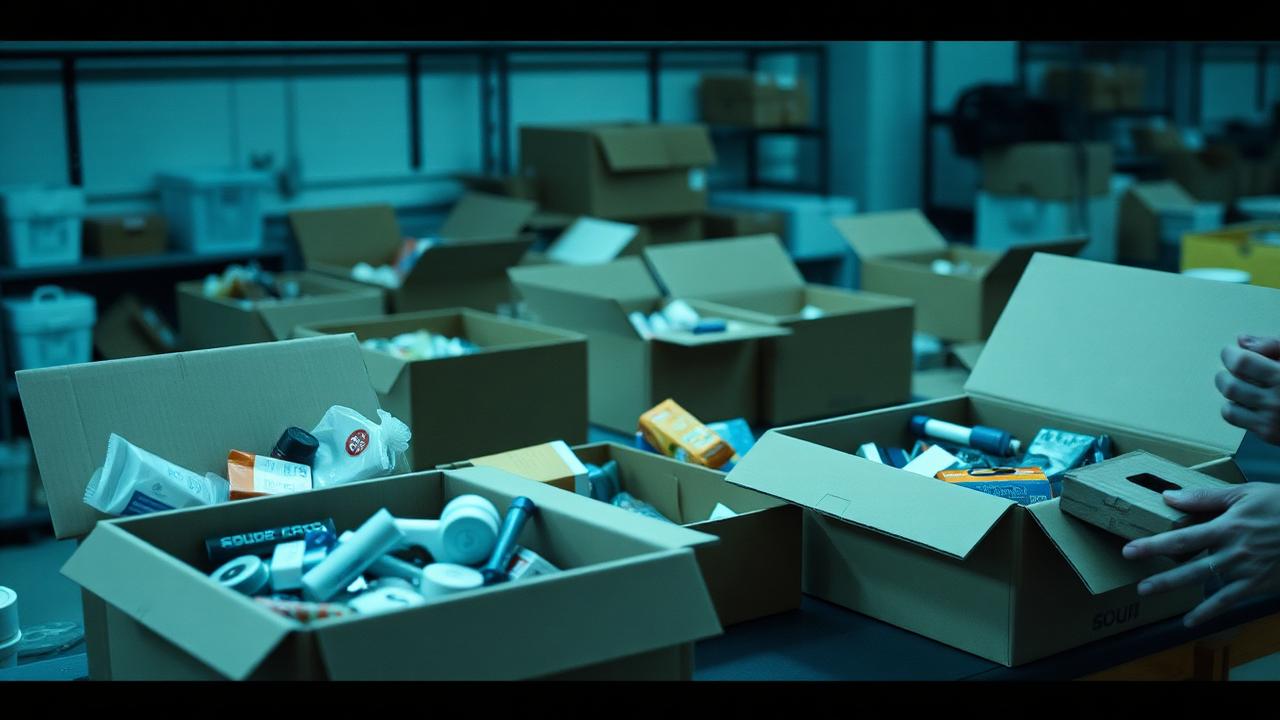
I once paid $1,150 for a 48-unit load of customer returns out of a regional processing hub in Indiana. The manifest listed the load as raw customer returns. No testing had been done. No cosmetic grading existed. When the freight truck dropped the skid at my bay, two boxes were missing their cords, three power tools smelled like ozone, and a top-tier pressure washer turned out to be a box full of dirty bricks.
That load almost broke my week. It also taught me how raw inventory actually works. If you are asking yourself should you buy untested pallets, the honest answer depends entirely on your repair setup, your storage room, and your willingness to process trash for profit.
Untested customer returns are retail merchandise brought back by consumers that the retailer never inspected, plugged in, or restored. The pallet goes straight from the store drop-off desk to an auction listing on platforms like B-Stock or Liquidation.com. You get a higher sticker value per dollar spent, but you take on every scrap of product risk.
Why Untested Pallets Work for Some Buyers and Wreck Others
Untested inventory is where high margins hide, but it is also where cash flow dies if you guess wrong. When a retailer marks a lot as untested returns, they are telling you that they did not waste labor costs checking if the item works. That labor cost falls squarely on your schedule.
Category matters more than lot size. Small home appliances and power tools tend to have a functional yield between 40% and 65%. Electronics carry tighter margins because broken screen glass and locked motherboards cannot easily be fixed on a workbench. According to historical category benchmarks, home electronics usually convert at a 25-40% recovery rate, whereas mechanical tools sit higher around 30-45% recovery.
If you lack the workbench tools or technical skill to test equipment, untested lots will quickly turn your workshop into an expensive junkyard. Buyers who succeed with raw lots treat processing as an assembly line. They test, clean, part out, and list within 48 hours of drop-off.
The True Costs Behind Raw Salvage Auctions
Winning a bid for $400 does not mean your cost basis is $400. Sourcing salvage inventory requires factoring in freight, accessorial charges, platform fees, and disposal costs before you place a bid.
Consider LTL shipping fees. Line-haul freight typically runs $0.80-$2.50 per mile. If you lack a commercial loading dock or a forklift, add $50-$75 for a liftgate service and another $50-$100 for residential delivery. Carrier accessorials detailed by services like FedEx Freight add up quickly, eating into your paper profit before the truck even backs up your driveway.
Before bidding on uninspected lots, run your target lot through a maximum bid calculator to lock in your true ceiling. If you do not calculate your shipping and fee load upfront, a single bad load can wipe out your net profits for the entire month.
| Inventory Grade | Retail Value Yield | Work Required | Average Recovery Rate |
|---|---|---|---|
| Grade A (Overstock) | 70-85% | Clean & List | High (75-90%) |
| Grade B (Tested Working) | 50-65% | Light Cleaning & Repack | Medium-High (60-75%) |
| Grade C (Untested Returns) | 25-45% | Repair, Test, Clean | Variable (30-50%) |
| Grade D (Salvage/Parts) | 10-20% | Strip for Parts | Low (10-25%) |
A Worked P&L: Breaking Down a 40-Unit Tool Lot
Let us look at a real scenario. You win an untested 40-unit power tool lot at auction for a hammer price of $550.
Here is how the numbers stack up once the load touches your warehouse floor:
Hammer Price: $550 Auction Buyer Fee (10%): $55 LTL Freight Charge: $210 Liftgate Fee: $65 Total Landed Cost: $880
Now, you process the 40 items over two days. Here is the actual yield from the bench:
- 15 units are fully functional with light cosmetic wear. You list them on eBay for a total of $900.
- 10 units need basic cleaning, new cords, or missing accessories. You spend $60 on replacement parts and list them for $450.
- 8 units are non-functional but good for spare parts. You package them as component lots for $160 total.
- 7 units are crushed, burned out, or completely missing internal components. Realized value: $0.
Gross Resale Revenue: $1,510 Parts Cost: $60 Net Gross Sales: $1,450
Now factor in platform commissions. Selling on eBay costs roughly 13.25% plus $0.30 per item based on standard eBay seller fees. Selling 33 working items generates roughly $205 in transaction fees and $180 in outbound shipping subsidies.
Gross Sales: $1,510 Minus Landed Product Cost: $880 Minus Repair Parts: $60 Minus Marketplace Fees: $205 Minus Outbound Shipping Costs: $180 Net Realized Profit: $185
Your net margin on this lot sits right at 12.2%. You made money, but you earned every cent on the workbench. Plug your raw numbers into a pallet ROI calculator before committing capital to make sure the time investment matches your target hourly wage.
Deciding If Should You Buy Untested Pallets Makes Sense for Your Warehouse
If you operate out of a garage with limited storage, untested pallets can paralyze your operation. You need space to sort good units, store scrap parts, and stage items waiting for testing.
Ask yourself these questions before placing a bid on an untested lot:
- Do you have dedicated workbench tools and diagnostic gear to safely test electrical components?
- Can your cash flow support a load where 40% of the total units must be thrown away or stripped down?
- Do you have a secondary sales channel for lower-tier items, like selling locally via cash-and-carry rather than paying shipping fees?
You can run candidate manifests through a manifest analyzer to spot high-risk items like gas-powered units or unmanifested mystery boxes before committing your funds.
If you want predictable cash flow with fast listing cycles, stick to overstock or tested working lots. If you enjoy fixing hardware, have room for scrap, and want low entry costs, buying raw customer returns can yield steady profits.
How This Goes Wrong: The Scrap Death Spiral
The most common way buyers fail with raw returns is by letting bad inventory linger in their workspace. They pay $800 for a skid, pull out the top 20% of good units, double their money on those, and then leave the remaining 80% of broken items stacked against the back wall.
That dead weight traps your capital and consumes valuable square footage. If an untested unit cannot be fixed within 15 minutes or sold for parts within 30 days, scrap it or bundle it as a wholesale lot for someone else to fix. Do not let scrap take over your workspace.
Before placing your next bid, walk through our full buying decision guide to verify that your business model aligns with the specific risks of buying uninspected merchandise.
How much of an untested pallet is usually complete trash?
On average, expect 15-30% of an untested return pallet to be broken beyond repair or missing key components. Higher-end electronics often suffer higher scrap rates, while hand tools and heavy hardware stay on the lower end.
Do retailers remove original accessories from untested returns?
Retailers usually repackage whatever the customer brought back into the store. Missing power supplies, remotes, cords, and instruction manuals are common in raw loads. Always budget a portion of your revenue for sourcing replacement power cables and universal parts.
What platforms are best for selling items pulled from raw returns?
eBay is ideal for functional electronics and specialized spare parts due to its global reach. Local buyers on cash platforms work best for heavy, bulky, or lower-value functional items that are too expensive to ship out economically.
Pallet IQ Editorial Team
We buy, grade and resell liquidation pallets, then turn what we learn into the tools on Pallet IQ. Every guide here comes from real manifests, real bids and real sell through numbers.
Written September 11, 2026, last reviewed September 21, 2026