Common Mistakes Buying Via Trading Pallets: Reseller Guide
Learn how freight accessorials, unmanifested lot traps, and repair labor sinkholes destroy profit margins when sourcing liquidation pallets from Via Trading.
By Pallet IQ Editorial Team
Published
 Sourcing Strategy
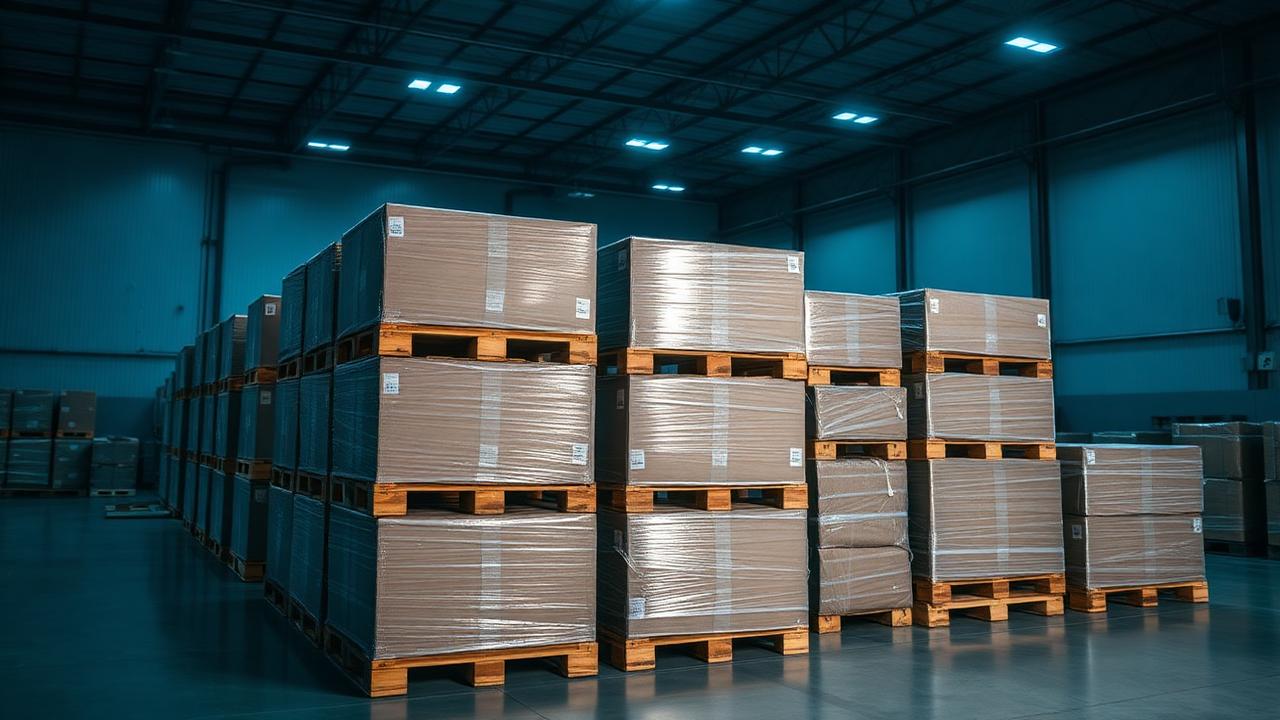
In March 2021, I pulled up to our warehouse dock to unload two unmanifested mystery pallets from Via Trading. The invoice listed $1,150 for 140 pieces of mixed department store overstock. My math on paper looked clean. If I sold each item for $25 on local market apps, I would pocket over $3,500 gross. Reality hit three days later. The freight carrier tacked on a $75 liftgate charge and a $45 residential fee because our industrial park gateway was misclassified. Inside the shrink wrap, 40% of the apparel was missing original store tags, and a quarter of the small home electronics had cut power cords. My actual cost per sellable unit doubled overnight.
Spotting and eliminating the common mistakes buying via trading pallets is what separates full-time resellers from people who end up with expensive garage trash. Via Trading is a massive player in the liquidation space. They handle everything from department store customer returns to wholesale case packs. But if you treat their catalog like a retail shopping list, you will get burned fast.
Common Mistakes Buying Via Trading Pallets: Blind Bidding
The biggest trap new buyers fall into is treating unmanifested lots like guaranteed discount inventory. When you browse liquidation listings, you will notice two clear categories: fully manifested lots and unmanifested truckloads or pallets.
A manifest lists every stock keeping unit (SKU), brand, estimated original retail value, and condition score. An unmanifested lot is just a category descriptor, a unit estimate, and a prayer. If you want to check specific inventory definitions, review our liquidation glossary.
When you buy unmanifested general merchandise, you must adjust your target gross margin down. You are taking on the labor of sorting, cleaning, testing, and cataloging every single unit.
According to our internal recovery rate report, expected resale recovery rates vary wildly across liquidation categories:
- Consumer electronics: 25-40% of original retail value
- Home appliances and cookware: 30-45% of original retail value
- Apparel and soft goods: 8-15% of original retail value
- Tools and hardware: 35-50% of original retail value
If you pay 20% of original retail value for an unmanifested apparel pallet from Via Trading, you are almost guaranteed to lose money after labor and trash removal. Apparel recovery is notoriously low due to missing sizes, stains, and out-of-season styles. Pay 10% maximum on apparel, or walk away.
Freight Traps: Common Mistakes Buying Via Trading Pallets
Freight will kill your margins faster than damaged merchandise. You find a 400-pound pallet of housewares listed for $450 out of Via Trading’s Lynwood, California warehouse. You live in Ohio. You place the bid, win the lot, and then hit the freight checkout screen. Suddenly, your $450 bargain costs $920 delivered.
Less Than Truckload (LTL) freight rates depend heavily on distance, fuel surcharges, freight class, and delivery location specifics. Standard LTL line haul costs run roughly $0.80-$2.50 per mile per pallet depending on regional lanes. But the real surprises hide in accessorial fees.
Carriers like FedEx Freight charge strict extra fees if you do not operate a commercial dock with a forklift.
- Residential delivery fee: $50-$100
- Liftgate service at delivery: $50-$75
- Limited-access location fee (schools, storage units, rural sites): $30-$60
- Redelivery fee (if you miss the driver window): $75-$150
Before you commit your capital to a bid, run the delivery address through our shipping cost calculator. If freight takes up more than 30% of your total payout to the liquidator, your profit margin narrows to a point where one broken item pushes the lot into the red.
Realistic P&L: Analyzing a 48-Unit Small Appliance Pallet
Let us look at a real-world deal structure to understand how cash flows through a liquidation order.
We sourced a 48-unit customer return pallet of mixed kitchen electrics (blenders, air fryers, coffee makers) originating from a major retail distribution center. Here is how the financial breakdown works from purchase order to final cash out.
| Cost & Revenue Line Items | Amount |
|---|---|
| Winning Auction Bid Basis | $680.00 |
| Warehouse Handling Fee | $35.00 |
| LTL Freight (California to Texas lane) | $265.00 |
| Residential + Liftgate Accessorial Fees | $110.00 |
| Total Cash Outlay (Cost Basis) | $1,090.00 |
| Estimated Gross Original Retail Value | $3,400.00 |
| Actual Manifest Recovery Target (32%) | $1,088.00 |
| Realistic Resale Gross (Tested & Working Units) | $1,450.00 |
| Estimated Platform Fees (13.25% + $0.30/sale on eBay) | $206.40 |
| Estimated Outbound Shipping Supplies & Boxes | $85.00 |
| Net Realized Profit | $68.60 |
Look closely at those numbers. On paper, $3,400 of retail merchandise for $680 sounds like a home run. You bought at 20% of retail! But after paying $375 in freight and accessorials, your true delivered cost basis jumped to $1,090 ($22.70 per unit).
Out of 48 returned small appliances, 8 units were missing vital parts or completely dead (scrap). Another 10 units had broken plastic housings. You end up with 30 sellable units.
When selling those 30 items, platform fees take a heavy chunk. Factor in eBay seller fees averaging 13.25% plus $0.30 per order, or sell locally using Facebook Marketplace to cut fee overhead. Use our marketplace fee calculator to project these costs before bidding.
In this scenario, spending $1,090 to make $68 net profit is a terrible deal. Your return on effort is under $3 per hour of sorting and cleaning work. Calculate your expected return with our pallet ROI calculator so you never buy a lot that pays less than your time is worth.
How This Goes Wrong: The Testing and Repair Sinkhole
The most frequent operational failure mode when buying customer return pallets is failing to account for processing time and repair costs.
The National Retail Federation notes in their NRF returns research that consumer returns topped $743 billion in merchandise value in recent years. Retailers do not test these returns before piling them onto liquidation pallets. They dump them into gaylords and ship them out.
Here is how the processing sinkhole happens in practice:
- You buy a pallet of 25 return espresso machines expecting a simple wipe-down and list process.
- You unbox the first unit. It is coated in dried milk and missing the water reservoir.
- You spend 45 minutes searching online for replacement parts, which cost $18 shipped.
- You spend another 30 minutes descaling the heating element.
- You list the item, but your total labor investment per unit hits 90 minutes.
If your shop rate is $25 an hour, you just spent $37.50 of labor on a machine you can only resell for $60 used. Add the $18 replacement part and your original $15 unit acquisition cost, and you lost money on a machine that technically works.
Before buying any customer return lot, run the manifest through a manifest analysis tool like Pallet IQ to evaluate unit condition splits and projected processing hours. Read our complete buying decision guide to build a disciplined review routine before placing bids.
Key Operational Strategies for Sourcing Success
To consistently win when buying pallets from Via Trading or similar platforms, change how you review inventory before submitting bids.
First, check the warehouse location of the lot. Via Trading ships out of multiple facilities, including California and Georgia. Sourcing a pallet closer to your home base cuts freight overhead by 40-60%, turning questionable margins into healthy cash flow.
Second, separate shelf pulls from customer returns. Shelf pulls are overstock items removed from store displays. Boxes might have price stickers or mild shelf wear, but the merchandise inside is complete and unused. Customer returns have a much higher defect rate (20-40% un-sellable or parts-only). Pay a premium for shelf pulls and discount customer returns aggressively.
Third, establish a strict maximum bid ceiling. Calculate your absolute highest bid by taking your realistic gross resale projection, subtracting estimated marketplace fees, outbound shipping costs, desired profit margin, and total inbound freight charges. If the auction exceeds your ceiling by even $5, walk away.
Avoiding the common mistakes buying via trading pallets requires patience, ruthless margin math, and clear operational systems. Stick to your numbers, verify freight charges before bidding, and factor every labor hour into your final P&L.
Are unmanifested pallets from Via Trading worth buying?
Unmanifested pallets can be profitable if you buy them locally to eliminate LTL freight costs and pay no more than 10-15% of estimated retail value. They carry high risk because unit conditions, missing accessories, and brand mixes are completely unverified until you cut the shrink wrap.
How do I avoid high freight charges on Via Trading lots?
Pick up pallets directly from their warehouse facilities if you live nearby, or consolidate multiple pallets onto a single LTL shipment. Adding a second or third pallet to an LTL load significantly reduces the freight cost per unit compared to shipping a single isolated pallet.
What is the typical defect rate on Via Trading customer return pallets?
Customer return pallets generally average a 20-35% defect rate. Defects include missing parts, cosmetically damaged housing, opened internal packaging, or complete electronic failure. Always factor a 30% scrap or parts-only rate into your financial projections.
Pallet IQ Editorial Team
We buy, grade and resell liquidation pallets, then turn what we learn into the tools on Pallet IQ. Every guide here comes from real manifests, real bids and real sell through numbers.
Written November 16, 2026