ROI Calculator for Via Trading Pallets: Sourcing Math
Buying wholesale lots from Via Trading without running real freight and fee math is a quick way to lose money. Here is how working liquidators calculate true profit on California surplus.
By Pallet IQ Editorial Team
Published · Updated
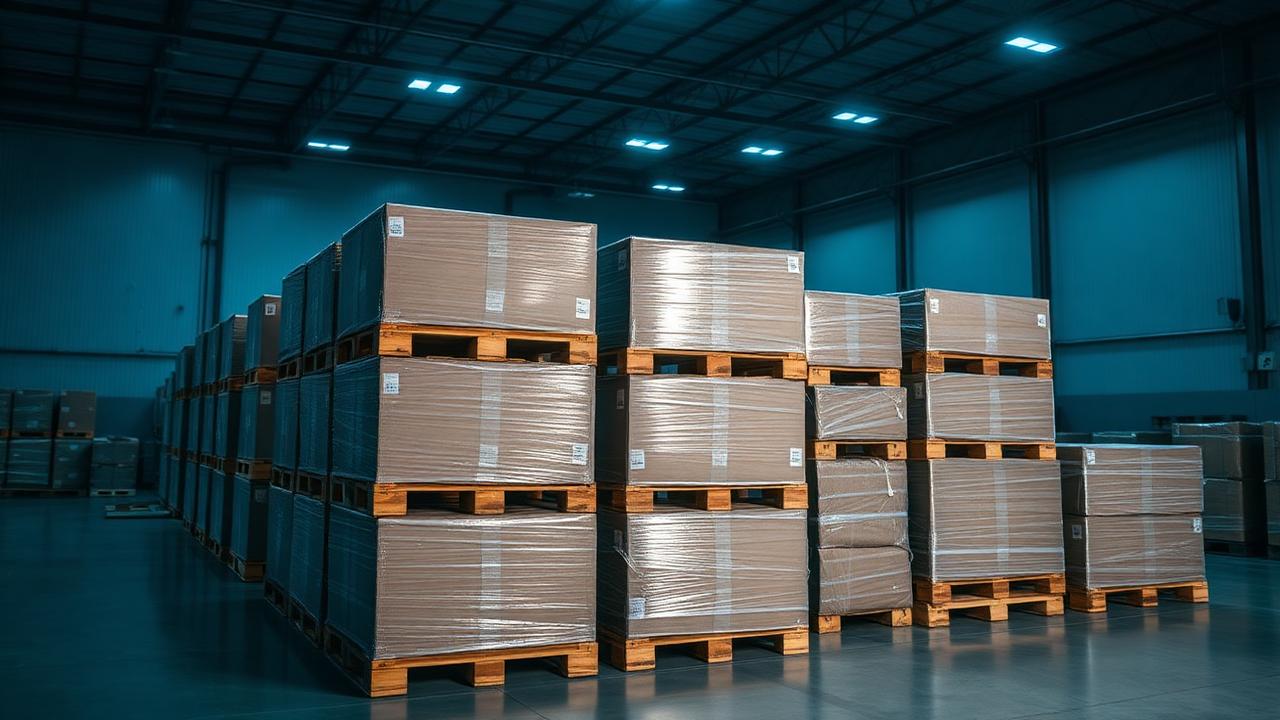 Pallet Evaluation
Three years ago, I bought a four-pallet lot of small kitchen appliances out of Via Trading’s Lynwood warehouse for $1,400. On paper, the estimated retail value sat right around $6,500. I thought I was sitting on a clean 300% return. Then the freight carrier tacked on a $75 liftgate charge and a $45 residential delivery fee because my warehouse curb sat on a tight street. Two blenders arrived crushed, half the air fryers were missing their inner trays, and online marketplace fees ate another 13.25% plus $0.30 per sale. That glorious 300% margin shrank down to a lean $410 net profit for thirty hours of bench-testing labor.
That hard lesson is why you cannot guess your bottom line when buying surplus. You need an accurate roi calculator for via trading pallets that factors in real salvage rates, actual freight accessorials, and total platform take rates before you send a wire transfer.
How Via Trading Lots Differ From Standard Auction Manifests
Via Trading operates high-volume warehouse facilities in Southern California, supplying liquidators, discount store owners, and online sellers. Unlike standard single-unit online auctions where every serial number gets logged on a clean spreadsheet, Via Trading offers a mix of manifested overstock and heavy unmanifested customer return loads. National retail returns have soared past $740 billion annually according to NRF returns research, and thousands of those returned units end up stacked high on pallets in Lynwood.
When you look at a manifested load, you get estimated retail values. But retail value is a ghost number. You will rarely sell a returned toaster or a reboxed vacuum for full original retail price. Across the industry, general merchandise returns yield between 20% and 35% of their original MSRP depending on condition. If you run those manifests through a manifest analyzer, you quickly realize that unmanifested mystery pallets carry even higher variance.
Unmanifested lots require an even bigger discount. You might open a box and find brand-new shelf pulls, or you might find twenty broken coffee makers missing their carafes. That uncertainty makes strict math essential before placing an order.
Building an ROI Calculator for Via Trading Pallets
To build a reliable roi calculator for via trading pallets, you have to separate your gross revenue projections into realistic secondary market tranches. You cannot take a manifest total of $10,000 and simply multiply it by 40%.
Instead, break your lot into three grading tiers:
- Grade A/B (Like New or Open Box): Resells at 45-60% of original retail price.
- Grade C (Used or Missing Accessories): Resells at 20-35% of original retail price.
- Grade D/Salvage (Broken or Parts Only): Resells at 5-10% of original retail price or gets scraped entirely.
Next, calculate your true landed cost. Your wholesale lot purchase price is only part of the equation. Standard Less-Than-Truckload (LTL) freight out of California to the Midwest or East Coast can easily run $1.20-$2.10 per mile. If you do not have a commercial loading dock, FedEx Freight or regional carriers will add liftgate charges ($50-$75) and limited-access fees ($30-$60). Use a dedicated shipping cost calculator before placing your order so these accessorial fees do not wipe out your spread.
Finally, apply selling platform fees. eBay takes roughly 13.25% plus fixed transaction charges according to the official eBay seller fees schedule, while Amazon referral fees hover around 15%. Running your projected sales through a marketplace fee calculator ensures your top-line revenue accounts for payment processing, ad spend, and return allowances.
Worked P&L Example: A 4-Pallet General Merchandise Lot
Let us look at a concrete profit and loss breakdown for a recent four-pallet customer return lot sourced out of California.
Cost Basis:
- Pallet Purchase Price: $1,650.00
- Handling and Documentation Fees: $50.00
- LTL Freight (Los Angeles to Dallas): $480.00
- Liftgate Accessorial: $65.00
- Residential Pickup and Delivery Surcharge: $55.00
- Total Landed Cost: $2,300.00
Manifested Gross Retail Value: $8,400.00
Realistic Secondary Market Gross Revenue:
- Grade A/B Items (40% of lot value, resold at 50% MSRP): $1,680.00
- Grade C Items (40% of lot value, resold at 28% MSRP): $940.80
- Grade D/Salvage Items (20% of lot value, resold as parts at 8% MSRP): $134.40
- Total Expected Gross Revenue: $2,755.20
Platform Fees and Overhead:
- Marketplace Selling Fees (~13.5% avg): $371.95
- Outbound Shipping Supplies ($2.00 per unit across 60 units): $120.00
- Outbound Shipping Subsidies: $210.00
- Total Variable Expenses: $701.95
Net Profit Calculation:
- Expected Gross Revenue: $2,755.20
- Less Variable Expenses: -$701.95
- Net Revenue: $2,053.25
- Less Total Landed Cost: -$2,300.00
- Net Profit / Loss: -$246.75
This lot resulted in a net loss of $246.75. Why? Because the purchase price was set too high relative to the real condition mix and cross-country freight costs. If the buyer had plugged these inputs into a pallet ROI calculator prior to paying, their target bid ceiling would have capped out at $1,100 instead of $1,650. You can review our comprehensive buying decision guide to prevent paying past your profit threshold.
Via Trading vs Direct Auction Platforms
Sourcing from liquidators like Via Trading has distinct pros and cons compared to single-pallet auction sites like Liquidation.com.
| Metric or Feature | Via Trading (Wholesale Lots) | Direct Liquidation Auctions |
|---|---|---|
| Minimum Order Size | 1 Pallet to Full Truckload | 1 Pallet / Box Lots |
| Freight Overhead | High for East Coast, Low for West | Variable by warehouse location |
| Manifest Accuracy | Medium (Many unmanifested options) | High (Itemized CSV manifests standard) |
| Buying Model | Fixed Price & Direct Quotations | Competitive Bidding Auctions |
| Avg Category Recovery | 18-32% of MSRP | 22-35% of MSRP |
Where the Math Breaks Down on Via Trading Manifests
The primary failure mode with Via Trading pallets happens when buyers mistake unmanifested category loads for high-grade liquidation overstock.
Unmanifested loads often carry heavy proportions of missing parts, store display units, or customer-damaged electronics. If your bench technician spends 45 minutes fixing a $30 toaster oven, your bench labor eats the remaining margin immediately.
Second, shipping single heavy items out of a mixed lot across country lanes can trigger dimensional weight surcharges.
Third, buyers frequently forget to adjust their margin expectations down when working with high-volume customer return categories like outdoor equipment or seasonal items.
If you upload a load list into a manifest analysis tool like Pallet IQ, always apply a conservative 15% trash buffer to protect your downside before locking in a purchase order.
Final Checklist for Your ROI Calculator for Via Trading Pallets
Before finalizing any purchase order for California surplus, check every variable. Verify whether you need a liftgate on the LTL delivery. Account for local sales taxes and freight fuel surcharges. Test your purchase limits using a maximum bid calculator so your emotion stays out of the transaction. Utilizing an accurate roi calculator for via trading pallets is the difference between building a sustainable resale business and funding an expensive garage hobby.
How do I estimate freight costs when buying from Via Trading?
Request the total pallet count, total weight, pallet dimensions, and origin zip code from your sales representative. Add accessorial services like liftgate, residential delivery, or limited access prior to getting a quote, as adding them after dispatch carries heavy billing penalties.
What is a realistic recovery rate for unmanifested Via Trading pallets?
Unmanifested general merchandise customer returns usually recover between 15% and 25% of original retail value after accounting for non-functional units and missing accessories. Overstock loads perform better, averaging 35-50% recovery.
Why do my calculated net margins differ from actual profits?
Most resellers fail to account for outbound shipping subsidies, platform return rates (which average 5-10% on electronics), and small shop supply costs like tape, bubble wrap, and corrugated boxes.
Pallet IQ Editorial Team
We buy, grade and resell liquidation pallets, then turn what we learn into the tools on Pallet IQ. Every guide here comes from real manifests, real bids and real sell through numbers.
Written September 3, 2026, last reviewed October 19, 2026