ROI Calculator for Lowe's Liquidation Pallets
Raw retail values on home improvement pallets lie. Here is how to run actual numbers on Lowe's returns before your bidding budget gets wiped out.
By Pallet IQ Editorial Team
Published · Updated
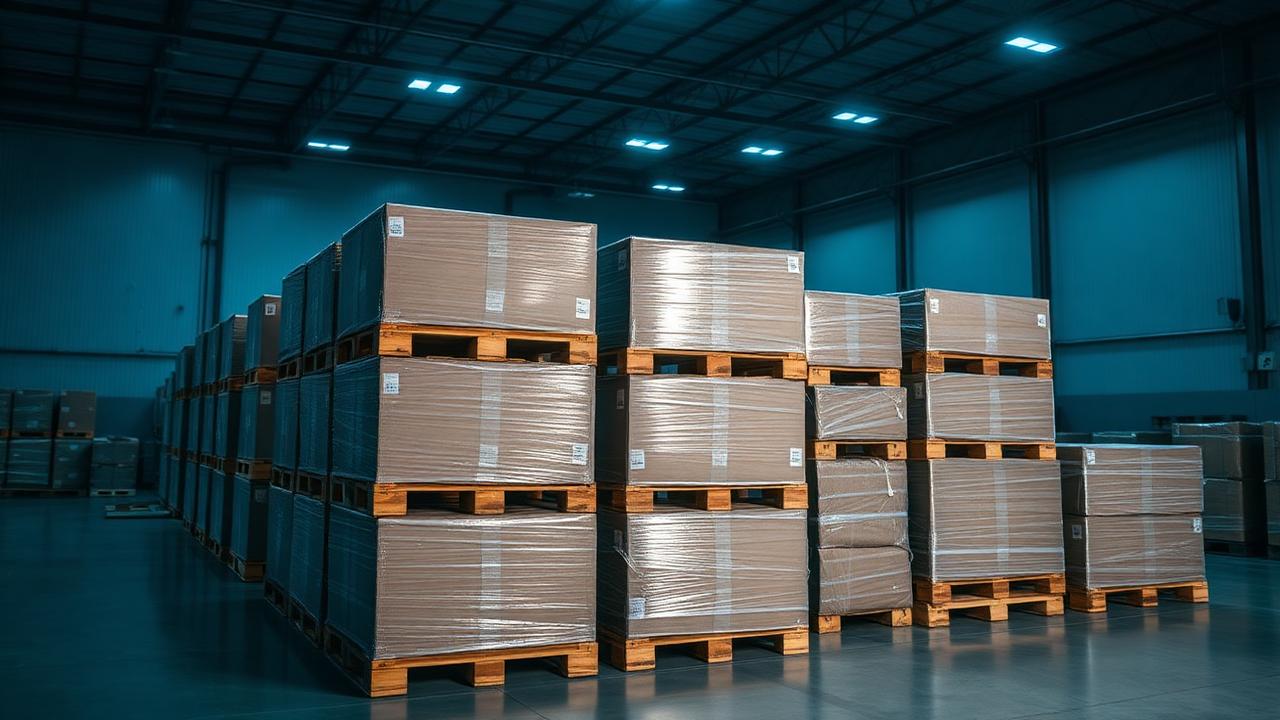 Pallet Evaluation
Last Tuesday, a manifest from a Lowe's regional distribution center in Palmetto, Georgia popped up with a $14,200 total MSRP across 48 units. On paper, $1,100 sounds like a steal for high-end miter saws, pressure washers, and smart thermostats. Then freight hits. You add a $75 liftgate charge, a $60 residential delivery fee, and suddenly your landed cost spikes by 40%. Without a dedicated roi calculator for lowes liquidation pallets, you are guessing blind. Guessing is how resellers turn $2,000 into a pile of stripped Kobalt motors and missing battery compartments.
Hardware and home improvement returns carry unique math. Unlike apparel, where items are light and shipping is cheap, building materials and power tools are heavy. They break in transit. Customers return gas powered miter saws because they forgot to mix oil into two-cycle fuel, seizing the piston before the blade even hit wood. If you bid based purely on sticker value, you will lose money. We have eaten that loss before, and it is a hard teacher.
To consistently hit a profit, you must understand how landed cost, repair labor, testing loss, and channel fees interact. Let us look at the real formulas you need before hitting the bid button.
Demystifying the Numbers on Lowe's Hardware Lots
When you buy through official channels like B-Stock, you receive a manifest. A manifest is an itemized inventory document listing description, item condition, stock keeping unit numbers, and original sticker pricing. Do not trust the listed original price as your expected revenue.
Every category has a realistic recovery rate, which is the percentage of original retail price you actually collect after selling the item. According to our recovery rate report, power tools generally sell for 30-45% of retail. Seasonal patio gear drops to 15-25% if you list it off season. Open box plumbing items often hit under 20% because vital fittings are frequently lost in the return process.
Here are the core numbers you must track before bidding:
- MSRP Basis: Total manufacturer retail value claimed on the seller manifest.
- Landed Cost: Winning hammer bid plus auction house buyer premiums (usually 10%) plus freight.
- Shrinkage & Scrap Rate: The percentage of units that arrive dead, broken, or missing essential components.
- Net Resale Realization: Total actual cash collected after platform selling fees and outgoing postage.
If you skip calculating landed cost, your projections are useless. A $500 pallet with $450 in freight costs $950. That difference eats your entire profit margin on medium value inventory.
Building an ROI Calculator for Lowe's Liquidation Pallets
To figure out your true return on investment, do not use a generic profit margin formula. Liquidation requires a bottom-up calculation that accounts for waste and platform take rates.
First, group the manifest into three condition buckets: Grade A (shelf pull/open box complete), Grade B (used/needs testing or cleaning), and Grade C (scrap, missing parts, or damaged packaging). Assign realistic recovery values to each tier rather than applying one flat percentage across the whole truck load.
Second, add your inbound logistics costs. Less-Than-Truckload or LTL freight charges depend heavily on distance, weight, and delivery options. According to rates from FedEx Freight, adding a liftgate truck service adds $50 to $75, while residential drop-off adds another $50 to $100. Plug these numbers into our shipping cost calculator so you do not get caught off guard when the invoice arrives.
Third, subtract selling fees. Selling a DeWalt miter saw on eBay involves final value fees around 13.25% plus a fixed transaction charge, as outlined on the eBay seller fees page. Selling a heavy lawnmower locally on Facebook Marketplace takes 0% in platform fees if collected in cash, but limits your local market buyer pool.
Use this standard return formula:
Net ROI = ((Gross Realized Resale - Variable Selling Fees - Total Landed Cost) / Total Landed Cost) * 100
If that calculation shows anything below a 40% net yield, pass on the lot. Low-margin hardware lots leave zero cushion for unlisted damage.
Step-by-Step P&L: Applying an ROI Calculator for Lowe's Liquidation Pallets
Let us run through a real-world scenario on a 42-unit mixed customer return lot sourced out of a regional warehouse. The manifest shows an original retail total of $11,500.
Here is how the financial breakdown works from initial bid to final payout.
1. Landed Cost Basis
- Winning Hammer Bid: $1,250
- Buyer Premium (10%): $125
- LTL Freight Charge (420 miles): $310
- Accessorials (Liftgate + Residential): $125
- Total Landed Cost: $1,810
2. Category Realization Breakdown
- Group A (12 New/Shelf Pull Drills & Drivers): $2,800 retail MSRP. Realized at 55% average resale = $1,540 gross revenue.
- Group B (18 Returned Power Tools & Saws): $5,200 retail MSRP. Testing reveals 12 functional units realized at 35% MSRP ($1,820) and 6 non-working units sold together for parts ($250). Group subtotal = $2,070 gross revenue.
- Group C (12 Hardline Plumbing & Lighting Units): $3,500 retail MSRP. Missing parts limit resale yield to 25% MSRP = $875 gross revenue.
- Total Gross Revenue Realized: $4,485
3. Outbound Logistics & Fee Deductions
- eBay Fees & Shipping Subsidies: $540 across online tool sales.
- Local Cash Sales (Zero Fee): $600 worth of bulky outdoor units sold locally.
- Total Deductions: $540
4. Net Profit Decision
- Gross Net Cash In: $4,485 - $540 = $3,945
- Net Profit: $3,945 - $1,810 landed cost = $2,135
- Calculated Net ROI: ($2,135 / $1,810) * 100 = 117.96%
Because the projected net return cleared our 40% threshold comfortably, this lot was a strong buy. You can run these exact formulas dynamically with our custom pallet ROI calculator or set a maximum bidding cap using the pallet calculator.
Comparing Lowe's Liquidation Categories
Not every pallet out of a home improvement distribution center performs equally. Power tools sell fast at high recovery rates, while bulk building materials eat up floor space and bleed profits through high shipping costs.
| Category | Average Recovery Rate | Typical Shrinkage/Scrap | Resale Velocity | Primary Sales Channel |
|---|---|---|---|---|
| Cordless Power Tools | 35% - 50% | 10% - 15% | High (1-2 weeks) | eBay / Whatnot |
| Outdoor Power Equipment | 25% - 40% | 20% - 30% | Medium (Seasonal) | Facebook Marketplace |
| Plumbing & Fixtures | 15% - 25% | 25% - 40% | Low (3-6 weeks) | eBay / Local Direct |
| Ceiling Fans & Lighting | 20% - 30% | 15% - 25% | Medium (2-4 weeks) | Mercari / Local |
| Hardware & Fasteners | 15% - 20% | 5% - 10% | Very Low (Bulk) | Flea Market / Yard Sale |
We steer clear of raw unmanifested plumbing lots. Missing small rubber O-rings or custom mounting brackets instantly turns a $200 faucet into unsellable metal scrap. On the flip side, major brand cordless power tools are easier to test, repair, or part out.
How Lowe's Pallet Deals Go Wrong
The most common way buyers burn capital on hardware returns is ignoring the hidden costs of missing accessories. A customer buys a $400 brushless miter saw kit, keeps the two 5.0Ah lithium batteries and the high speed charger, puts their old dead saw back in the box, and hands it to customer service.
When that box hits your warehouse, you do not just have a used saw. You have a saw without power. Buying replacement OEM batteries at wholesale costs eats $80 per unit instantly. If you do not factor missing batteries into your initial evaluation, your profit margin evaporates on arrival.
Another major point of failure is dimensional freight weight. Pallets containing lawn tractors, jobsite tool boxes, or pressure washer frames take up massive physical volume. Carriers bill these using dimensional weight calculations rather than actual scale weight. If your freight quote assumes a standard 48x40x48 pallet weighing 350 pounds, but the shipment arrives on an oversized 96-inch skid, the carrier will re-class the freight and issue an extra charge weeks later.
Before bidding on large volume items, run your manifest through our buying decision guide to spot oversized dimensional freight traps before they hit your bank account.
Final Evaluation Strategy
Success in home improvement resale comes down to strict discipline during the bidding phase. Never let auction excitement drive your maximum bid up. Set your limit based on conservative recovery rates, factor in freight accessorial charges, and assume at least 15% of return units will require bench testing or scrap processing.
Using an accurate roi calculator for lowes liquidation pallets takes the emotional guesswork out of the bidding process. Run the numbers strictly, stick to your ceiling, and let competitors buy the low-margin junk while you keep the profitable inventory.
What is a good ROI target for Lowe's return pallets?
A healthy target is a minimum 40% to 50% net profit margin after all freight, auction buyer premiums, testing labor, and sales platform fees are deducted. Aiming lower leaves your business vulnerable to unmanifested damage or missing high-value accessories like batteries and charger units.
How do I estimate freight costs on a Lowe's liquidation pallet?
Calculate standard LTL freight rates based on distance and total shipping weight, then always add liftgate ($50-$75) and residential delivery ($50-$100) fees if you do not have a commercial warehouse dock. Using a shipping calculator before placing a bid prevents surprise carrier re-class charges.
Are uninspected customer returns better than shelf pulls?
Shelf pulls carry higher recovery rates (50-60%) and lower scrap rates, but cost significantly more upfront at auction. Customer returns sell at lower price points (15-25% of retail), offering higher potential margins if you have the technical skill to test, clean, and repair power equipment.
Pallet IQ Editorial Team
We buy, grade and resell liquidation pallets, then turn what we learn into the tools on Pallet IQ. Every guide here comes from real manifests, real bids and real sell through numbers.
Written September 9, 2026, last reviewed October 19, 2026