ROI Calculator for Sporting Goods Pallets: Real Margins
We bought a 52-unit Dick's Sporting Goods return lot out of Indiana for $720. Half the fitness gear was missing hardware. Here is how we build realistic P&Ls that actually turn a profit.
By Pallet IQ Editorial Team
Published · Updated
 Liquidation ROI
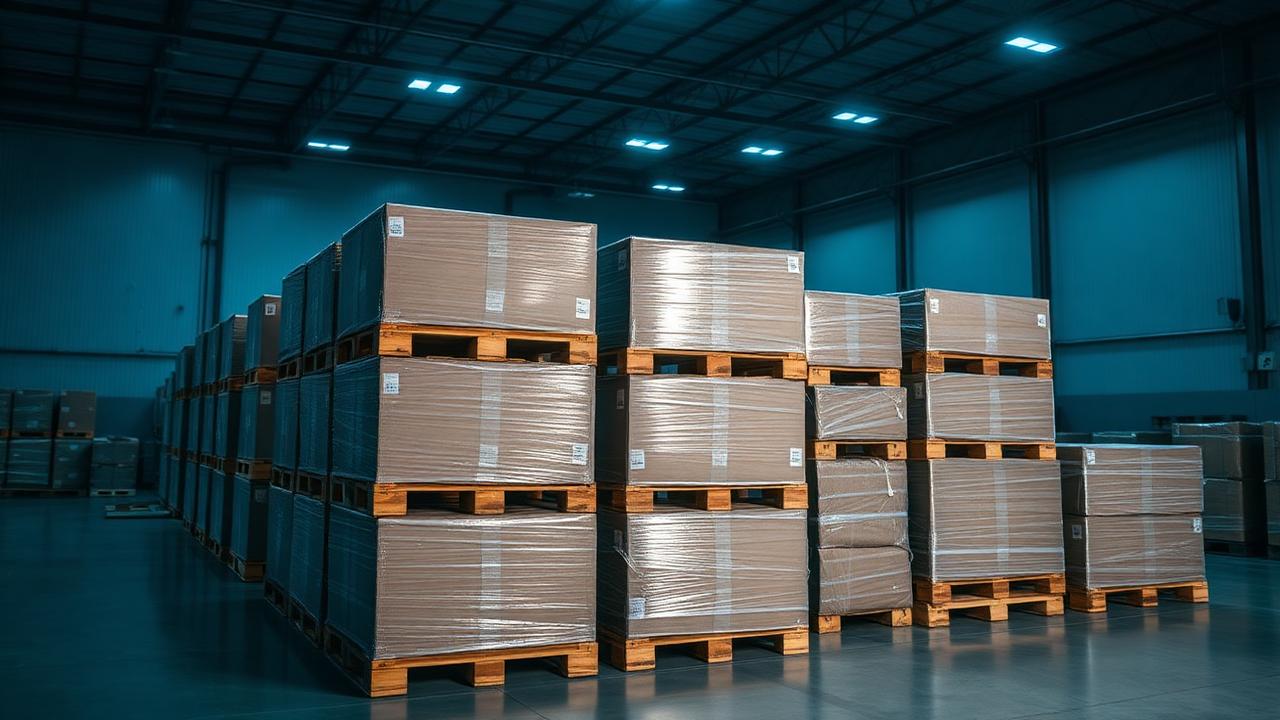
We lost $410 on a 52-unit mixed fitness and outdoor lot coming out of an Indiana regional distribution center. On paper, the manifest listed $5,800 in retail value. We won the auction for $720, paid $285 in LTL freight, and assumed we would clear a tidy $1,500 profit. Then the pallet hit our dock. Three composite baseball bats had structural hairline cracks. A $400 home gym system was missing its main selector pin and two cables. Four inflatable kayaks had pinhole leaks that took two hours of soapy water testing to locate.
That single headache taught us why running an roi calculator for sporting goods pallets is mandatory before placing a single bid on platforms like B-Stock. Sporting goods looks attractive because retail prices are high, but heavy iron, complex multi-component assembly items, and seasonal gear carry specific traps that destroy margins fast.
Real Recovery Rates on Sporting Goods Lots
Retail sports equipment returns sit in a tricky middle ground. According to NRF returns research, consumer returns in hardlines average around 16% annually. In our own warehouse data and published recovery rate report figures, sporting goods lots usually generate a 30-45% net recovery against original retail MSRP.
That 30-45% recovery is not evenly distributed across the pallet. It follows a strict breakdown based on subcategory:
- High-end optics and golf gear: 50-65% recovery. Rangefinders, premium drivers, and GPS watches sell fast on eBay or Mercari with minimal repair work.
- Fitness equipment and weights: 25-35% recovery. Dumbbells and plates are easy cash sales locally, but shipping them individually across the country destroys margins due to freight costs.
- Camping and outdoor gear: 30-40% recovery. Tents, stoves, and backpacks often suffer from missing stakes, broken poles, or soot damage that requires heavy cleaning.
- Team sports and footwear: 20-30% recovery. Used cleats, scuffed helmets, and open-box baseball gloves carry lower demand unless they are pristine brand-name items.
Before bidding, you must check the lot's grade. An A/B grade overstock lot requires almost no testing. A C/D customer return lot means at least 20% of your units will end up in the scrap metal bin or sold for parts.
Using an ROI Calculator for Sporting Goods Pallets Before Bidding
If you only subtract your bid price from manifest MSRP, you are guessing. A proper calculation accounts for three silent profit killers: accessorial freight charges, platform selling fees, and processing labor.
Freight cost is your first major hurdle. LTL freight rates currently run $0.80-$2.50 per mile. If you lack a commercial dock and forklift, carriers like FedEx Freight tack on mandatory extra fees. A residential delivery add-on runs $50-$100, liftgate service costs $50-$75, and limited-access site fees add another $30-$60. That $200 freight quote suddenly becomes $385 before the truck leaves the terminal. You can plug your lane details into a shipping cost calculator to catch these charges beforehand.
Next comes the platform tax. When you resell units, marketplaces take their cut. According to eBay seller fees, final value fees average around 13.25% plus $0.30 per order, while Amazon charges roughly 15% in referral fees. Local cash sales avoid marketplace cuts entirely but take longer to convert.
Before placing a bid, plug your target lot into our pallet ROI calculator to establish your maximum bid ceiling.
Step-by-Step P&L for a Sporting Goods Pallet
Let us walk through a real-world financial breakdown. This lot represents a typical 48-unit customer return sporting goods pallet sourced from a national retail chain.
Lot Inputs
- Manifest Wholesale MSRP: $4,200
- Auction Hammer Price: $620
- LTL Freight Cost: $210
- Liftgate Fee: $65
- Residential Delivery Fee: $55
- Total Landed Cost Basis: $950
Inspection and Inventory Triage
Upon unbanding the pallet, we sorted the 48 items into three resale buckets:
- Trash / Scrap (8 units): Cracked golf club shafts, bent youth bat, ripped inflatable paddleboard. Realized value: $0.
- Local Cash Pickup (15 units): Heavy kettlebells, weight benches, folding soccer goals. Sold locally with zero shipping fees. Total gross: $550.
- Shipped E-commerce (25 units): Golf rangefinders, pickleball paddles, camping lanterns, premium backpacks. Sold on eBay and Mercari. Total gross: $1,280.
P&L Summary Table
| Financial Metric | Dollar Amount | % of Gross |
|---|---|---|
| Total Gross Sales | $1,830.00 | 100.0% |
| Landed Inventory Cost (Auction + Freight) | -$950.00 | 51.9% |
| Marketplace Selling Fees | -$172.00 | 9.4% |
| Shipping Supplies & Box Costs | -$45.00 | 2.5% |
| Outbound Shipping Deficits (Heavy Items) | -$68.00 | 3.7% |
| Net Profit | +$595.00 | 32.5% |
| Return on Investment (ROI) | 62.6% | N/A |
A net profit of $595 on a $950 cash outlay yields a 62.6% ROI. That is a solid win, but notice how close the margin was. If freight had run $150 higher, or if 5 more units were broken, net profit would have collapsed under $300 for 12 hours of testing and listing work.
Sourcing Channels and Resale Outlets Compared
Where you source your sporting goods pallets dictates your operational overhead. High-grade overstock requires almost zero refurbishment time, while unmanifested customer return loads require heavy bench testing.
| Sourcing Channel | Typical Lot Grade | Testing Labor | Expected Recovery Rate | Best Resale Channel |
|---|---|---|---|---|
| Tier-1 Retailer Returns | C/D Customer Returns | High (3-5 mins/unit) | 28-38% | eBay, Local Marketplace |
| Manufacturer Overstock | A/B Overstock | Very Low (<1 min/unit) | 45-60% | Amazon, eBay, Shopify |
| Regional Distributor Surplus | Mixed B/C Lots | Moderate (2 mins/unit) | 35-45% | Whatnot, Local Store |
| Unmanifested Salvage Truckloads | D Grade Salvage | Extreme (10+ mins/unit) | 18-28% | Local Cash, Flea Market |
When evaluating secondary sources, always cross-reference manifest line items with a manifest analyzer to spot high-labor items before you place a bid.
How an ROI Calculator for Sporting Goods Pallets Saves You From Trash Lots
The biggest failure mode in sporting goods liquidation is missing components on complex assemblies. A weight bench without its frame bolts, safety clips, and pulley wheel is unlistable. You cannot sell half an elliptical machine. When you buy a 400-pound multi-gym return lot, you are taking a massive gamble on hardware completeness.
Here are the four specific traps that wipe out sporting goods resellers:
- Dimensional Weight Surprises: Oversized boxes like tent poles, long fishing rods, and golf bags trigger heavy carrier surcharges. A 4-pound fishing rod can bill at a 25-pound dimensional weight rate because the shipping tube exceeds 48 inches.
- Missing Proprietary Parts: High-end exercise bikes and treadmills require specific power bricks and safety keys. Replacing an OEM console plug can cost $45, completely wiping out your item profit margin.
- Seasonal Misalignment: Winning a pallet of youth baseball gear in late July means holding inventory until next March. Your capital stays trapped while storage space fills up.
- Safety and Liability Risks: Scuba gear, climbing harnesses, and football helmets carry serious product liability risks if sold damaged. Scrap questionable safety gear immediately rather than risking a customer injury.
Building Your Bidding Rules
To stay profitable over dozens of loads, build strict bidding guardrails. We never bid more than 18% of manifest MSRP on C/D grade customer return fitness gear, and we cap our bids at 28% for clean A/B overstock camping gear.
Before every auction end-time, run your math through an roi calculator for sporting goods pallets so you know your exact walk-away number. When the auction excitement starts pumping up bids past your limit, walk away. There is always another truck pulling up to the liquidation dock tomorrow.
Once you land a winning lot and complete triage, speed up your listing workflow using an automated marketplace listing generator to get items active across platforms before storage costs eat into your return.
What is a good ROI on a sporting goods return pallet?
A healthy target for customer return sporting goods pallets is 50-70% ROI after accounting for landed freight, marketplace fees, and scrap allowance. On clean overstock lots with minimal testing required, a 35-50% ROI is acceptable because processing labor is drastically lower.
How do you calculate shipping costs on heavy fitness gear?
For items over 50 pounds like kettlebells or weight plates, skip parcel carriers entirely and sell locally via cash-and-carry platforms. For mid-weight items under 50 pounds, weigh and measure the boxed item to calculate dimensional weight, then build shipping buffers into your listing price.
What marketplace is best for selling liquidated sports equipment?
eBay is best for lightweight, high-value items like golf rangefinders and composite bats due to national reach. Local platforms like Facebook Marketplace work best for heavy iron, treadmills, and bulky sports nets that are too expensive to ship.
Pallet IQ Editorial Team
We buy, grade and resell liquidation pallets, then turn what we learn into the tools on Pallet IQ. Every guide here comes from real manifests, real bids and real sell through numbers.
Written September 8, 2026, last reviewed October 19, 2026