Profit Margins on Grocery Liquidation Pallets: The Real Math
We bought three unmanifested dry grocery loads last spring. Here is the exact margin breakdown after accounting for expired units, smashed glass, and steep LTL freight.
By Pallet IQ Editorial Team
Published · Updated
 Liquidation ROI
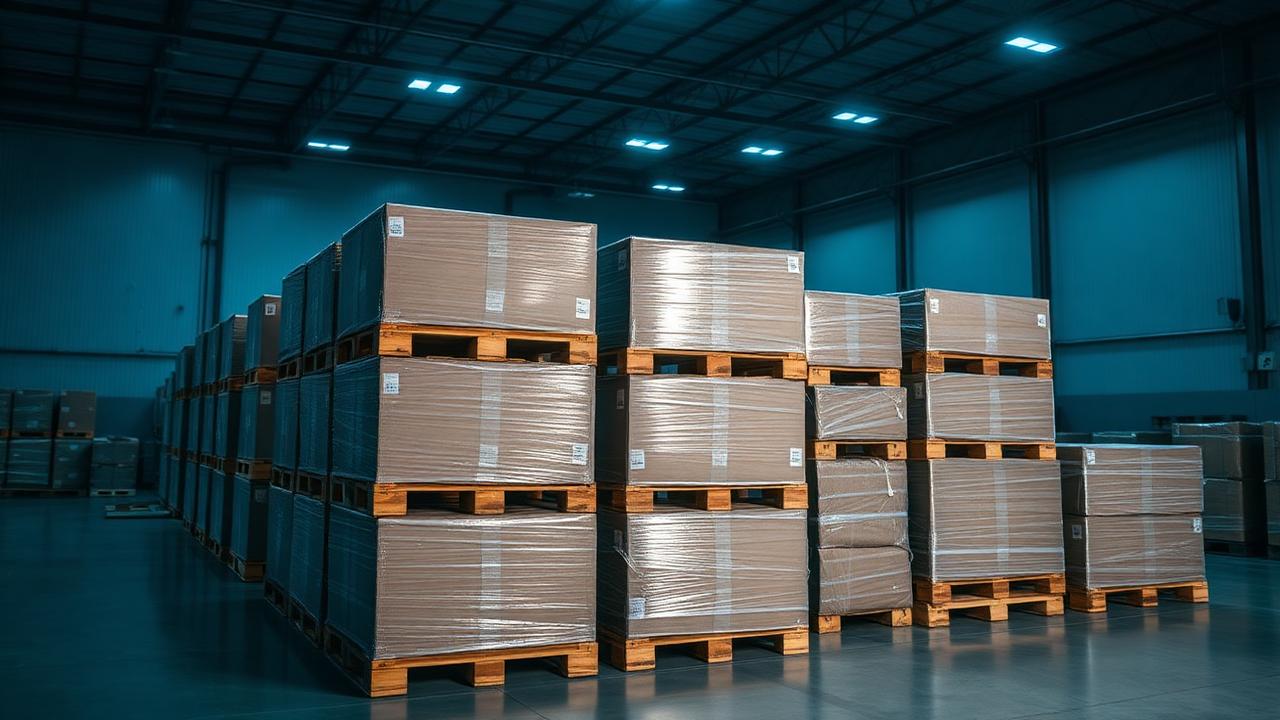
Three pallets of dry grocery sat on our dock in Akron, leaking canola oil onto the concrete. We paid $850 bid price plus $420 in LTL freight with a $75 liftgate charge. When we cut the stretch wrap, 40 percent of the load was dented cans, crushed cereal boxes, and glass sauce jars smashed into sticky sludge.
Calculate your expected return wrong, and food salvage will eat your warehouse space for zero return. Getting healthy profit margins on grocery liquidation pallets requires treating retail manifest values as pure fiction and accounting for aggressive scrap rates before you ever place a bid.
According to NRF returns research, retail returns continue to climb across all categories, but food returns carry strict handling rules. Big box retailers cannot put returned food back on the shelf. They liquidate it in massive mixed loads. If you know how to price those loads, there is reliable money to be made.
Realistic Profit Margins on Grocery Liquidation Pallets
On paper, a grocery truckload looks like an easy 300% return. The manifest shows an MSRP of $12,000, and the opening bid is $900. Reality hits when you sort the boxes.
Realized profit margins on grocery liquidation pallets usually land between 15% and 28% net after factoring in trash loss, platform cut, and shipping costs. Anyone claiming consistent 60% net margins on unsorted grocery returns is either not counting their labor or ignoring their dumpster fees.
Food behaves differently than hardware or electronics. On a tool lot, a broken drill can often be harvested for parts. On a grocery lot, a punctured box of organic flour is just trash. It goes straight into the heavy trash bag.
In our benchmark data, overall category recovery rates tell part of the story. While general electronics hit 25-40% of retail value, dry grocery salvage typically recovers 12-22% of listed MSRP when liquidated locally or online. You can read our broader analysis in the recovery rate report.
Here is how grocery inventory breaks down by load type across the secondary market:
| Load Category | Landed Cost % MSRP | Average Spoilage Rate | Primary Sales Channel | Expected Net Margin |
|---|---|---|---|---|
| Dry Overstock Bulk | 12-18% | 5-10% | Discount Grocer / Local | 25-35% |
| Mixed Customer Returns | 8-14% | 25-40% | Bin Store / Flea Market | 12-20% |
| Short-Dated Specialty | 15-22% | 15-25% | eBay / Mercari | 20-30% |
| Damaged Master Cases | 5-10% | 35-50% | Local Bulk / Scrap | 10-18% |
Notice the difference between overstock and customer returns. Overstock pallets come straight out of a regional distribution center (RDC) because the retailer overbought or the package design changed. Spoilage on overstock is low. Customer return pallets, by contrast, are loaded with damaged master cases, open seals, and items that sat in someone's warm car for three days before being brought back to the store.
The Real Cost Structure of Food Salvage
To protect your cash flow, you must calculate landed cost rather than hammer price. Landed cost is your winning bid plus every dollar spent getting the pallet inside your doors.
Freight is the silent margin killer in food reselling. Food is heavy. A single pallet of canned beans or pasta sauce easily weighs 1,400 to 1,800 pounds. That pushes your shipment into heavy LTL territory quickly.
When booking shipments through services like FedEx Freight, accessorial fees add up fast. If your shop lacks a loading dock, you will pay a $50-$75 liftgate charge. If you operate out of a commercial space in a rural area or a restricted zone, expect another $30-$60 limited access fee. You can plug these figures into a shipping cost calculator before bidding so an unexpected carrier bill does not wipe out your profit.
Then comes sorting labor and waste. Food salvage requires individual inspection. Every unit needs three quick checks:
- Is the primary seal intact?
- Is the item past its expiration date or safe best-by window?
- Does the package show evidence of pest exposure or moisture damage?
Items failing any of those three checks are thrown out. In liquidation terminology, this is your trash rate or scrap allowance. You can brush up on these terms in our liquidation glossary.
Step-by-Step P&L: A Real Grocery Pallet Load
Let's walk through a real P&L from a recent four-pallet dry grocery lot bought on Liquidation.com. The lot contained mixed shelf-stable goods: boxed pasta, canned soups, specialty hot sauces, and bulk snack bars.
Purchase and Freight Costs
- Listed Retail Value (MSRP): $7,200
- Winning Bid: $680
- Buyer Premium (10%): $68
- LTL Freight (380 miles): $390
- Liftgate Fee: $65
- Total Landed Cost Basis: $1,203
Processing and Scrap Breakdown
- Gross Units Received: 1,120 items
- Damaged/Leaking (Immediate Trash): 180 items (16% unit loss)
- Expired Beyond Safe Resale: 110 items (10% unit loss)
- Resalable Grade A (Like New / Long Expiration): 450 items
- Resalable Grade B (Dented Cans / Short Date): 380 items
- Total Resalable Units: 830 items
Sales Channel Execution
We split this inventory across two channels based on item velocity and item weight.
Channel 1: eBay and Mercari (Specialty Hot Sauces, Organic Snacks)
- Units Sold: 180 items (packaged in multi-packs)
- Gross Revenue: $1,150
- Shipping Paid by Buyers: $210
- Actual Shipping Cost: $235
- Marketplace Fees: $152 (using standard eBay seller fees averaging ~13.25% + $0.30 per order)
- Net Revenue Channel 1: $973
Channel 2: Local Discount Bin Store / Direct Cash Sales (Canned Goods, Boxed Pasta)
- Units Sold: 650 items at a flat $1.50 per item average
- Gross Revenue: $975
- Processing & Local Ad Costs: $40
- Net Revenue Channel 2: $935
Final Margin Summary
- Combined Gross Revenue: $2,125
- Less Total Landed Cost: $1,203
- Less Platform & Shipping Leakage: $217
- Less Processing Expenses: $40
- Net Cash Profit: $665
- Net Margin on Gross Sales: 31.3%
- Return on Invested Capital (ROIC): 55.2%
This load worked because the bid stayed low relative to the weight and unit count. If the winning bid had reached $1,100 instead of $680, our net cash would have dropped to $245, making 14 hours of sorting work barely worth the warehouse floor space.
Before you place a bid on similar lots, run your target numbers through a maximum bid calculator to lock in your stop price. You can also test different fee scenarios with a pallet ROI calculator so you do not get burned by platform commissions.
How Operational Mistakes Crush Profit Margins on Grocery Liquidation Pallets
The fastest way to go negative on food liquidation is treating best-by dates as legal hard stops, or ignoring local health rules altogether.
First, learn the legal difference between an expiration date and a best-by date. Infant formula is one of the very few food products regulated strictly by federal expiration mandates. For most shelf-stable groceries, best-by dates indicate peak manufacturer quality, not food safety. However, selling short-dated goods online comes with strict platform rules. List an expired snack box on Amazon or eBay, and your account faces quick suspension.
Second, watch out for liquid glass jars. Mixed dry grocery loads often include salad dressings, pasta sauces, and marinades packed in glass. During LTL transit, pallets get bumped. If one glass jar shatters on the top tier, it leaks down through ten layers of cardboard boxes below it. What was a clean pallet of boxed macaroni becomes a soggy, moldy mess in forty-eight hours.
Third, do not over-rely on online marketplaces for low-dollar items. Shipping a $2.50 can of soup across the country costs $6.00 in ground shipping. You cannot win that math. Heavy, low-value food items must move locally through bin stores, flea markets, or your own brick and mortar outlet. Save online listing space for specialty items, keto snacks, high-end spices, or multi-pack bundles. Using a dedicated listing generator speeds up bundling these items for eBay, but the core strategy must be local velocity for heavy goods.
If you want to evaluate an unmanifested load before bidding, plug the seller photos and unit counts into a manifest analyzer or check our complete buying decision guide to spot risky loads before your cash is committed.
Essential Checklist Before You Bid
Run through this sanity check before buying your next food lot:
- Calculate total freight per pound, not just per pallet.
- Deduct 25% of manifest MSRP immediately for trash and missing items.
- Verify whether the lot contains glass jars or liquid units.
- Check your local county health department rules on selling salvage food.
- Confirm you have a local outlet for heavy, low-value units.
Controlling profit margins on grocery liquidation pallets comes down to discipline. Keep your landed cost below 15% of realistic retail value, budget for a 20-30% trash pile, and move the bulk of your heavy units through local cash channels. Do that, and food liquidation turns into a consistent cash engine for your reselling business.
What is a normal trash rate for grocery liquidation pallets?
For unmanifested customer returns, expect a 25% to 35% trash rate due to broken packaging, open seals, and expired dates. For clean retailer overstock, trash rates typically stay between 5% and 10%.
Can you legally resell expired food items?
Federal law does not prohibit selling food past its best-by date, with the major exception of infant formula. However, major marketplace platforms like Amazon and eBay prohibit selling expired food. Most resellers move short-dated or past-date items through local salvage grocery stores or discount cash channels.
Where is the best place to sell heavy liquidation groceries?
Heavy, low-cost items like canned vegetables, pasta, and bottled waters are best sold locally through bin stores, flea markets, or direct bulk buyers. Shipping individual low-value food items via carrier services will consume all your potential margin.
Pallet IQ Editorial Team
We buy, grade and resell liquidation pallets, then turn what we learn into the tools on Pallet IQ. Every guide here comes from real manifests, real bids and real sell through numbers.
Written September 4, 2026, last reviewed October 19, 2026