ROI Calculator for Salvage Pallets: Real Reseller Math
Wholesale invoices lie, retail MSRP is a dream, and freight line items kill margins. Here is how working resellers calculate true ROI on salvage lots before placing a bid.
By Pallet IQ Editorial Team
Published · Updated
 Pallet Buying Strategy
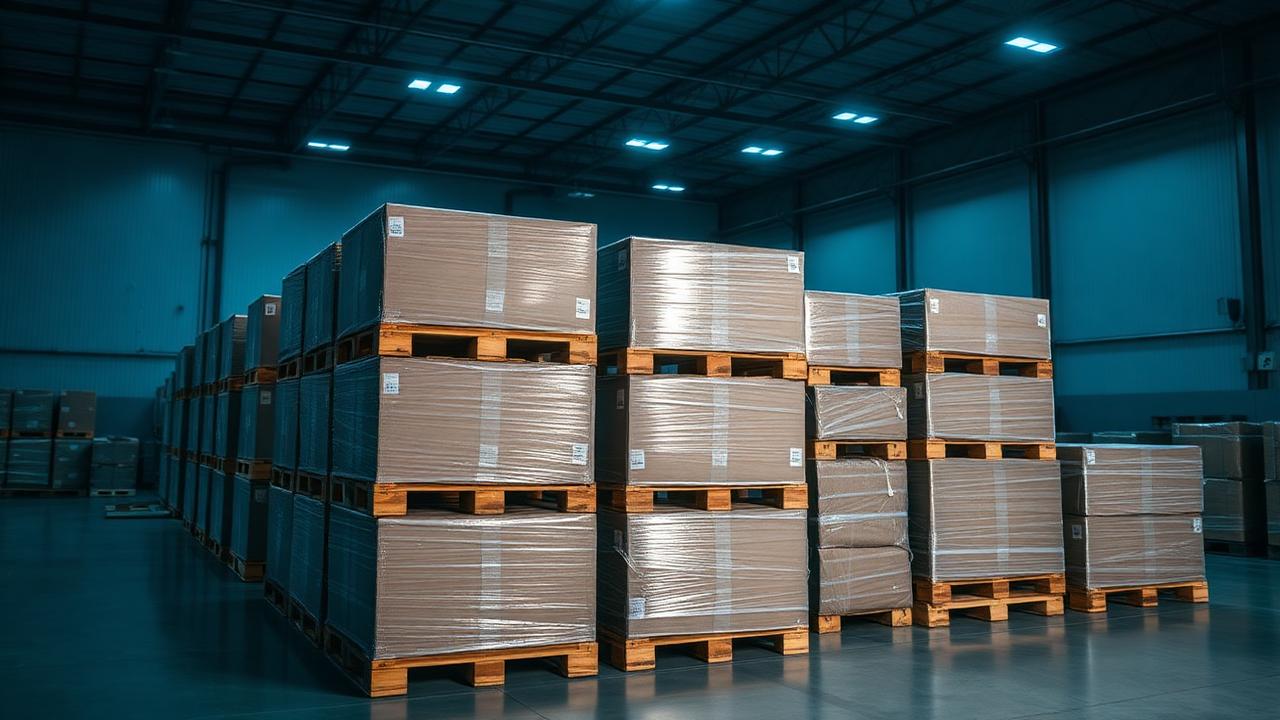
In November 2022, I won a pallet of mixed small appliances out of a Georgia regional distribution center for $410. The manifest listed $3,400 in original retail value. I felt like a genius right up until the LTL carrier handed me an invoice with a $75 liftgate charge and a $60 limited-access delivery fee. My $410 steal became a $695 delivery. Then came the bench testing. Out of 28 toaster ovens, air fryers, and espresso machines, seven were completely dead, four were missing critical parts, and two were packed in boxes filled with dirty paper towels.
That hard lesson is why you cannot rely on retail MSRP when buying customer returns. If you rely on basic math without a custom roi calculator for salvage pallets, you will lose your shirt on shipping fees, broken trash, and marketplace commissions.
Let us look at how real operators calculate actual yield before hitting the bid button.
Why Math Fails Without an ROI Calculator for Salvage Pallets
Retail return volumes continue to hit record highs according to the NRF returns research. Retailers need this stock gone, so they pack it onto skids and push it out through liquidators like B-Stock or Direct Liquidation. The sticker MSRP looks tempting, but MSRP is a vanity metric in liquidation.
When you look at our recovery rate report, consumer electronics generally yield 25-40% of retail value, while apparel drops to a painful 8-15%. Tools and home hardware do better, often sitting at 30-45%. If you bid 20% of MSRP on an apparel pallet, you are already underwater before paying freight.
Before putting cash down on any lot, you need to understand the full cost chain. You start with your bid price. Next, you add freight, storage, labor, and platform commissions. Finally, you discount for expected scrap. Using a standardized pallet ROI calculator lets you test realistic resale scenarios rather than best-case fantasies.
To stay profitable, every reseller needs to understand standard liquidation glossary terms like LTL (Less-Than-Truckload), manifest accuracy, and accessorial fees.
How to Build an ROI Calculator for Salvage Pallets
A working calculator does not need fancy code, but it must account for six specific variables. If your formula leaves out any of these, your net margin calculation is wrong.
- Winning Bid Price: The raw hammer price of the lot.
- Buyer's Premium: Most auction portals take 5% to 10% on top of the hammer price.
- Inbound Freight and Accessorials: The baseline mileage rate plus liftgate fees, residential fees, and fuel surcharges.
- Scrap and Non-Testable Rate: The percentage of units thrown straight into the dumpster.
- Outbound Resale Platform Fees: Commission costs on sales channels like eBay, Amazon, or Mercari.
- Outbound Shipping Costs: Out-of-pocket shipping expenses when you do not charge the end buyer.
Here is how these variables break down in a standard P&L calculation.
Worked Salvage Pallet P&L Example
Imagine you are bidding on a 42-unit mixed kitchenware skid from a national retailer. The manifest shows an MSRP total of $4,200. The current bid is $450.
Let us run the real math through our buying decision guide framework:
- Hammer Price: $450.00
- Buyer Premium (10%): $45.00
- LTL Freight (320 miles): $185.00
- Freight Accessorials (Liftgate + Residential): $110.00
- Total Delivered Cost Basis: $790.00
Now let us look at real expected revenue, assuming an average recovery of 32% of MSRP based on category norms:
- Target Gross Realizable Value: $1,344.00 (32% of $4,200)
- Dead-on-Arrival Scrap Rate (15% loss): -$201.60
- Adjusted Gross Revenue: $1,142.40
Now subtract sales fees and processing expenses:
- Average Marketplace Fees (13.25% + $0.30/item over 35 salable units): -$161.92
- Outbound Packing Supplies ($2.50/unit across 35 items): -$87.50
- Net Sales Revenue: $892.98
Final Profit Calculation:
- Net Sales Revenue: $892.98
- Total Delivered Cost Basis: -$790.00
- Net Dollar Profit: $102.98
- Actual ROI: 13.03%
You spent $790 to make $102.98. You tied up garage space, spent four hours testing appliances, and took on the risk of customer returns for a 13% return. If two more air fryers fail during testing, your profit evaporates. That is why checking your limits with a maximum bid calculator before bidding is essential.
Channel Fee and Net Yield Comparison
Where you sell determines what you keep. Different marketplaces take vastly different cuts of your final ticket price. Check current details via eBay seller fees or Amazon referral fees to keep your model fresh.
| Resale Channel | Standard Commission Rate | Processing Fees | Best Inventory Grade | Typical Sell-Through Speed |
|---|---|---|---|---|
| eBay | ~13.25% | $0.30 per transaction | Grade A, B, and C | Medium (14-45 days) |
| Amazon FBA | ~15% + FBA fulfillment | Varies by weight/size | Grade A New/Open Box | Fast (7-21 days) |
| Mercari | 10% | 2.9% + $0.50 cash out | Grade B and C | Slow (30-60 days) |
| Local (Facebook/Craigslist) | 0% | $0.00 | Grade C and D | Fast for cash (1-14 days) |
Notice how local cash sales bypass fees entirely. Selling heavy appliances locally for cash often beats shipping them across the country on eBay, even if the gross selling price is 20% lower.
Where Salvage Pallet Calculations Go Wrong
The most common failure point for new liquidators is underestimating inbound freight. Carrier quotes fluctuate wildly based on fuel prices and seasonal demand. A lane that cost $140 last month might cost $230 this month. Check logistics data on FedEx Freight or run your estimates through a shipping cost calculator to catch accessorial surprises before placing bids.
Common freight accessorial charges include:
- Residential Delivery Fee: $50 to $100
- Liftgate Service Fee: $50 to $75
- Limited Access Fee (schools, storage units, rural sites): $30 to $60
- Re-delivery Fee: $75 to $150
If you live in a residential neighborhood without a loading dock or forklift, you will pay at least $100 extra per delivery. If you forget to add that to your roi calculator for salvage pallets, your profit on small lots vanishes before you cut the shrink wrap.
Another common mistake is treating Grade C returns like Grade B overstock. Grade A items are shelf-ready open boxes. Grade B items have minor packaging damage. Grade C items are uninspected customer returns with high defect rates. Grade D items are heavy salvage, best used for parts or scrap metal recycling. If you run manifest math expecting Grade A prices on a Grade C return pallet, your calculated ROI is fiction.
Building the Right Bidding Habit
Successful liquidators run the numbers before every single bid. They set strict stop-loss caps and walk away when the auction ticks past their calculated maximum bid limit.
Run your target manifest through an automated tool or build your own roi calculator for salvage pallets in a spreadsheet. Build conservative margins into your scrap rate assumptions. Factor in freight accessorials, outbound packing materials, and marketplace commission tiers. When the math works out to a 30%+ net ROI after all expenses, place your bid with confidence.
How do I calculate salvage pallet freight before bidding?
Get the ship-from zip code from the auction listing, identify your receiving facility capabilities, and estimate the weight. Add standard accessorial charges like liftgate ($50-$75) and residential delivery ($50-$100) to the baseline LTL mileage rate.
What manifest trash rate should I assume for uninspected customer returns?
For uninspected Grade C customer return pallets, plan for a baseline scrap rate of 15% to 20%. For mixed power tools or small appliances, increase that estimate to 25% to cover unfixable motor burnouts and missing components.
What is a good target net ROI for buying liquidation lots?
Target a minimum net return on investment (ROI) of 35% after accounting for freight, buyer fees, scrap, and selling fees. Bidding for tight 10% to 15% margins leaves zero room for carrier surcharges or unexpected broken units.
Pallet IQ Editorial Team
We buy, grade and resell liquidation pallets, then turn what we learn into the tools on Pallet IQ. Every guide here comes from real manifests, real bids and real sell through numbers.
Written October 14, 2026, last reviewed October 19, 2026