ROI Calculator for Shelf Pull Pallets: Profit Guide
Most buyers assume shelf pulls are clean money until freight and dead stock burn their margins. Here is how we run the math before pulling the trigger.
By Pallet IQ Editorial Team
Published · Updated
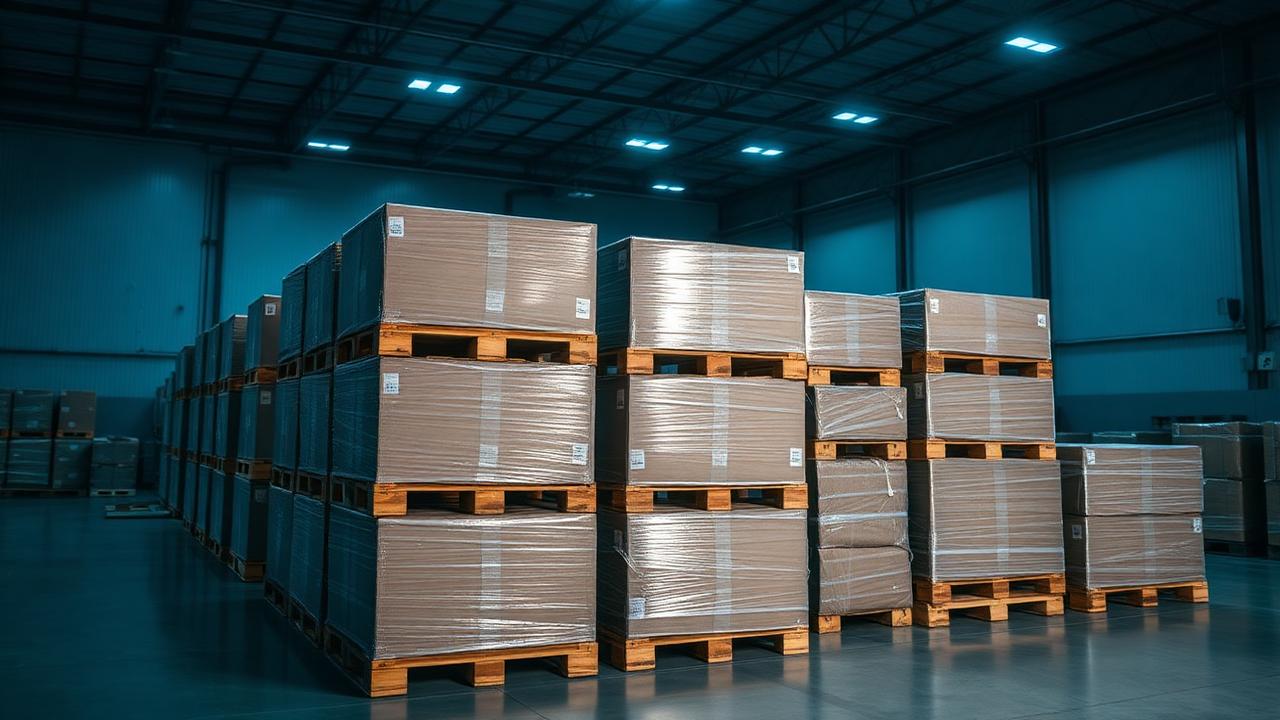 Pallet Buying Strategy
Three years ago, I landed a two-pallet lot of Target overstock health and beauty items out of an Indianapolis distribution center. Paid $1,150. Felt like a genius until I spent 40 hours peeling clearance stickers and throwing away leaked shampoo bottles. By the time I cleared the eBay fees, my real hourly rate was about $4.12.
Shelf pulls sound like the safest buy in liquidation. Unlike customer returns, these units never left the store. They sat on a retail display until the season ended or the packaging changed, then got swept into a Gaylord container. But safe does not mean profitable. If you do not run the numbers through a clear roi calculator for shelf pull pallets, those retail price tags will trick you into overbidding on dead weight.
First, let us get the terminology straight. In our industry, shelf pulls are unhandled by consumers, but they are not pristine case packs. They have price stickers, slightly crushed box corners, and security tags your team has to remove. They rank right below Grade A overstock and well above Grade B customer returns.
According to the NRF returns research, retail returns hit over $740 billion annually, pushing stores to purge inventory aggressively. When big box chains clear room, they dump shelf pulls on wholesale portals like B-Stock.
Why You Need an ROI Calculator for Shelf Pull Pallets
Most novice buyers look at the total original retail value on a manifest and multiply it by 30%. That is a quick way to go broke.
Shelf pull items carry distinct cost drivers that differ from salvage tools or customer return electronics. You are dealing with lower average selling prices (ASPs), higher item counts, and labor-intensive processing times.
Let us look at standard category recovery rates across liquidations. Based on our recovery rate report, electronics might yield 25-40% of original MSRP, while apparel sits lower at 8-15%. Health, beauty, and general shelf pull merchandise usually nets around 30-45% of retail value, provided you do not get crushed on shipping.
When you factor in LTL (less-than-truckload) freight, rates run anywhere from $0.80 to $2.50 per mile. Add a $75 liftgate charge, a $60 residential delivery accessorial, and suddenly a $400 pallet costs $750 to land at your garage door.
Here is how shelf pulls compare to other common liquidation inventory grades:
| Inventory Grade | Consumer Handled? | Packaging Condition | Typical Recovery Rate | Processing Time |
|---|---|---|---|---|
| Grade A Overstock | No | Mint case packs | 40-60% of MSRP | Very Low |
| Shelf Pulls | No | Stickered, minor shelf wear | 30-45% of MSRP | Medium |
| Grade B Returns | Yes | Open box, complete | 20-35% of MSRP | High |
| Grade C/D Salvage | Yes | Damaged, missing parts | 5-15% of MSRP | Very High |
Setting Up Your ROI Calculator for Shelf Pull Pallets
To build or run a mathematical model for shelf pulls, you need four key inputs: landed cost basis, manifest yield, channel fees, and labor footprint.
- Landed Cost Basis: Purchase bid plus freight, buyer premium (usually 5-10%), and accessorial fees.
- Manifest Realized Yield: Discount the manifest value by at least 15-20% for missing units, expired dates, or unsellable packaging.
- Marketplace Take Rates: Factor in selling platform fees. The standard eBay seller fees sit around 13.25% plus $0.30 per transaction. Meanwhile, Amazon referral fees average 15%. You can plug these into a marketplace fee calculator to get exact figures per category.
- Sell-Through Speed: Cash flow relies on velocity. Estimate how many days it takes to liquidate the lot before committing cash.
Let us walk through a concrete P&L example. Suppose you find a 450-unit shelf pull cosmetic and drug store mix manifest from a regional distribution center with a stated retail value of $6,200.
- Winning Bid: $850
- Auction Buyer Premium (8%): $68
- LTL Freight (320 miles + liftgate): $340
- Total Landed Cost: $1,258
Now let us evaluate the expected revenue and expenses:
- Stated Manifest MSRP: $6,200
- Estimated Realistic Resale Value (35% average recovery): $2,170
- Unsellable / Expired Allowance (10%): -$217
- Adjusted Gross Revenue: $1,953
- Marketplace Fees (~14% average): -$273
- Outbound Shipping Subsidies ($1.50/item avg on multi-item lots): -$380
- Net Revenue After Fees & Outbound Shipping: $1,300
- Landed Cost Basis: -$1,258
- Net Dollar Profit: $42
- Net ROI: 3.3%
This real world math shows why you never bid based on raw MSRP. On paper, $850 for $6,200 of goods sounds like a steal. In practice, after accounting for fees, dead inventory, and freight, you make $42 for sorting 450 small items. That is an absolute pass. If you want to evaluate lots with more detail, review our full buying decision guide.
How This Goes Wrong: The Sticker and Expiration Trap
The single biggest failure mode on shelf pull pallets is the labor and expiration bottleneck.
Unlike electronics, where you test one item and list it for $120, shelf pulls often contain hundreds of $8 to $15 items. If a pallet has 500 units of sunscreen, and half of them expire in two months, your window to sell is practically zero. Furthermore, every unit might have a bright yellow store clearance sticker covering the UPC barcode.
If it takes your staff 90 seconds per unit to heat-gun a sticker, wipe sticky residue, check the expiration date, and generate a listing, you are burning 12.5 hours of labor on a single lot. At $15 an hour, that is $187.50 in direct labor costs that completely wiped out your remaining profit margin.
Always audit the manifest with an automated manifest analyzer before placing a bid to flag low-ASP items that eat up labor without generating profit.
Liquidation reselling is not about buying cheap stuff, it is about controlling your yield and operating costs. Relying on an roi calculator for shelf pull pallets before committing your capital keeps you disciplined when auction timers start ticking down to the final seconds.
What is a good ROI for shelf pull pallets?
A healthy target for shelf pull inventory is a net ROI of 40% to 70% after all landed costs, platform fees, and labor overhead are deducted. Anything under 25% net ROI leaves too little margin for error if items are damaged or slow to sell.
How do shelf pulls differ from customer returns?
Shelf pulls are items removed from store shelves due to overstock, seasonal rotation, or packaging changes. They were never owned or used by a retail customer. Returns were purchased, taken home, opened, and brought back, leading to higher damage rates and missing accessories.
Should I lot shelf pull items together or list them individually?
Bundling low-value shelf pulls into multi-item lots or mystery boxes is often the best strategy. Selling a single $8 item on eBay yields almost zero profit after fees and shipping, but bundling six related beauty items for $38 drastically reduces labor and shipping costs per unit.
Pallet IQ Editorial Team
We buy, grade and resell liquidation pallets, then turn what we learn into the tools on Pallet IQ. Every guide here comes from real manifests, real bids and real sell through numbers.
Written September 5, 2026, last reviewed October 19, 2026