ROI Calculator for Direct Liquidation Pallets
Stop bidding on direct retail liquidation lots based on wholesale MSRP numbers. Run the real math on freight, platform fees, and realistic recovery first.
By Pallet IQ Editorial Team
Published · Updated
 Resale Math
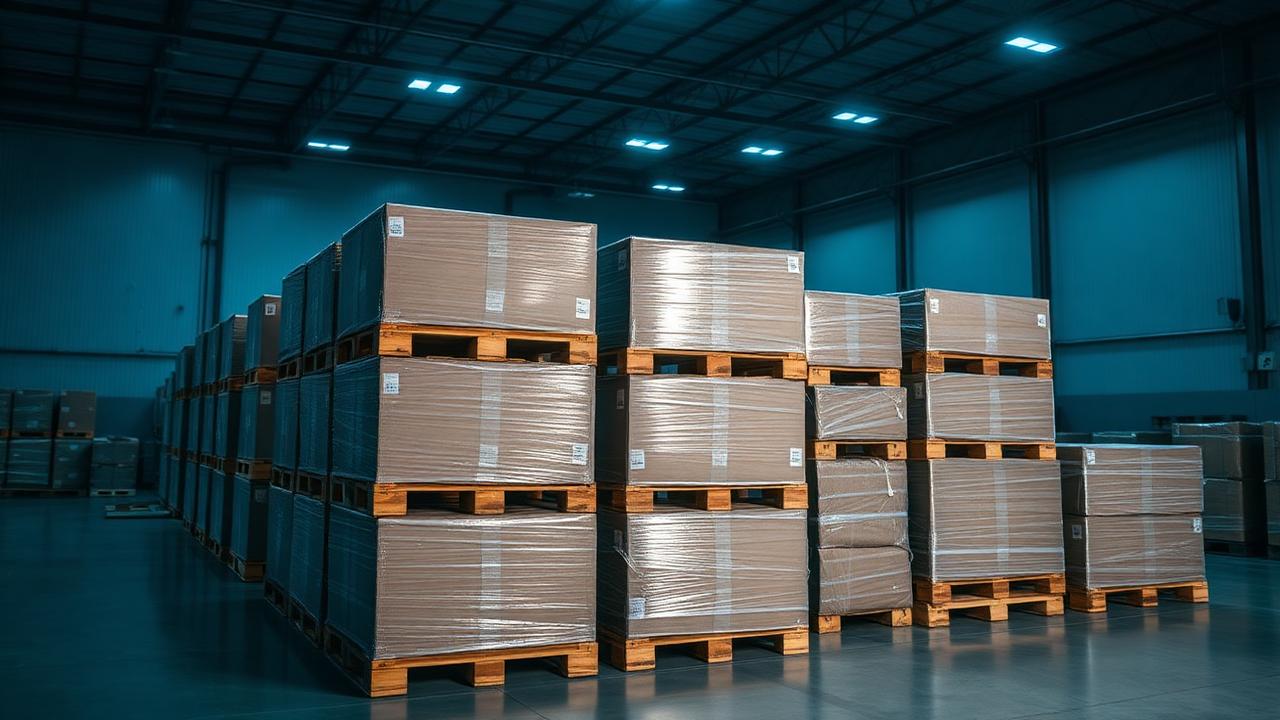
We paid $1,420 for a 48-unit home goods pallet out of a Target regional distribution center in Charlotte, NC back in 2022. The manifest listed $6,800 in original retail value. We figured we would double our money in thirty days. Then the LTL freight invoice landed with a $75 liftgate charge and an $85 residential delivery fee we forgot to budget. Three glass air fryers were crushed into dust. Two high-end blenders were missing their blades. By the time we paid platform commissions and spent twenty hours testing motors, our actual net profit was $42.
That miserable check was a wake up call. Running a profitable reselling operation requires cold math before you hit the bid button. Using a reliable roi calculator for direct liquidation pallets keeps you from confusing gross revenue with actual cash in your bank account.
Direct buying sounds clean on paper. You bypass middleman brokers, purchase straight from retailer auction portals like B-Stock, and get fresh inventory. But direct lots come with direct headaches. Retailers list manifest values based on full original retail price, not what buyers will pay today on eBay or Facebook Marketplace. If you do not deduct freight, scrap rates, and platform take rates upfront, you are just working for free.
Why You Need an ROI Calculator for Direct Liquidation Pallets
Liquidation is not retail arbitrage. When you buy a clearance item off a shelf, you know it works, the box is intact, and your fee structure is predictable. Direct liquidation loads are a mix of store stock surplus, shelf pull items, and raw customer returns. According to recent NRF returns research, retail return rates consistently top 14% across major chains, with e-commerce returns running even higher.
When you buy directly from a retail distribution center, the manifest is your only map. But that manifest tells you what the retailer charged six months ago, not what a liquidation buyer can collect today.
A proper calculation model shifts your focus from gross manufacturer suggested retail price to net cash recovery. Without this discipline, a $10,000 manifest looks like a home run even when it is destined to lose money.
Category recovery rates vary wildly. Based on historical benchmark data in our category recovery rates report, expect vastly different cash returns depending on what you buy:
- Consumer electronics: 25-40% of original retail value
- Power tools and outdoor equipment: 30-45% of original retail value
- Home appliances and cookware: 20-35% of original retail value
- Apparel and soft goods: 8-15% of original retail value
If you bid 20% of manifest value on an apparel lot expecting to sell every item at 50% off retail, you will wreck your cash balance fast. An ROI calculation model forces you to plug in actual market resale prices before you commit funds.
The Hidden Costs That Kill Liquidation Margins
Most failed buyers do not lose money because they overbid on the base price. They lose money because freight accessorials and selling expenses eat their gross margin alive.
Freight and Accessorial Surprises
Less Than Truckload freight, commonly called LTL freight, is the single biggest variable in direct liquidation. Rates currently range from $0.80 to $2.50 per mile depending on fuel surcharges and carrier capacity. But the base linehaul quote is rarely your final cost.
Carriers add accessorial fees for anything outside a standard commercial loading dock. As detailed in standard carrier rules like those from FedEx Freight, common accessorial charges include:
- Liftgate service: $50-$75 per delivery
- Residential delivery fee: $50-$100 per shipment
- Limited access delivery: $30-$60 for farm, storage unit, or downtown locations
- Re-consignment or redelivery fees: $75-$150 if you are not present when the truck arrives
A $300 single-pallet bid easily turns into a $650 delivered cost once freight and residential accessorials attach. You can estimate your freight hit ahead of time with a specialized shipping cost calculator.
Marketplace Selling Fees
You are not selling these goods for zero cost. Every resale venue takes a bite out of your final transaction price:
- eBay: ~13.25% plus a $0.30 per-order transaction fee, as outlined in official eBay seller fees
- Amazon seller fees: ~15% category referral fee plus individual seller or professional account fees
- Mercari: 10% flat selling fee on completed sales
- Local sales like Facebook Marketplace or Craigslist: 0% platform fee, but offset by high buyer flake rates and labor time
Always verify your venue margins with a dedicated marketplace fee calculator before finalizing your max bid.
Scrap and Shrinkage
Not every unit on a return manifest works. Unmanifested lots or lower condition grades carry an automatic scrap rate. You must write off non-working units, missing parts, and counterfeit items as pure losses. If ten units on a forty-unit lot are unsellable, your cost basis per working unit jumps by 33% instantly.
Setting Up Your ROI Calculator for Direct Liquidation Pallets
To evaluate direct lots accurately, you need to understand condition grading. Retailers grade lots using standard industry classifications. If you are unfamiliar with terms like manifest, linehaul, or accessorial, review our plain English liquidation glossary.
| Condition Grade | Description | Expected Recovery Range | Typical Scrap Rate | Labor Needed |
|---|---|---|---|---|
| Grade A (Overstock) | New, unopened store stock or excess inventory. Factory sealed boxes. | 40-60% of MSRP | 1-3% | Low |
| Grade B (Shelf Pulls) | Open packaging, store displays, or minor box damage. Item clean and complete. | 30-45% of MSRP | 5-10% | Moderate |
| Grade C (Customer Returns) | Used items returned by retail customers. Functional state unknown. | 20-35% of MSRP | 15-25% | High |
| Grade D (Salvage/Shatter) | Damaged goods, missing major parts, heavy cosmetic flaws. | 10-20% of MSRP | 30-50% | Very High |
When building your financial model, use a simple formula that captures every dollar flowing out of your business:
Net Profit = Total Expected Resale Value - Purchase Price - Total Freight - Platform Fees - Shipping Costs Out - Processing Expenses
Desired ROI = (Net Profit / Total Cash Invested) * 100
If total cash invested is $1,000 and net profit is $350, your return on investment is 35%. Never measure return against the purchase bid alone. Freight is part of your cost basis.
A Worked P&L Example: 32-Unit Small Appliance Lot out of Georgia
Let us run a real-world scenario. You are eyeing a 32-unit mixed small-appliance lot coming out of a retailer regional distribution center in Fulton County, Georgia.
Manifest Summary:
- Total MSRP: $4,800
- Condition Grade: Grade C (Customer Returns)
- Unit Count: 32 appliances (air fryers, espresso machines, toaster ovens)
- Your Winning Bid: $580
Cost Basis:
- Winning Bid: $580.00
- Auction Buyer Premium (10%): $58.00
- LTL Freight (Georgia to Ohio warehouse): $240.00
- Liftgate Service Accessorial: $60.00
- Residential Delivery Accessorial: $65.00
- Total Cash Invested: $1,003.00
Realistic Resale Analysis: Grade C returns in home appliances typically recover 28% of MSRP after testing.
- Estimated Gross Sales (28% of $4,800): $1,344.00
- Units expected sellable: 25 units
- Units scrap or parts-only (22% scrap rate): 7 units
Selling Expenses:
- Average resale platform fee (13.5% across eBay/Mercari): $181.44
- Outbound shipping costs paid by seller (discounted rates): $210.00
- Packing supplies ($2 per working unit): $50.00
- Total Selling Expenses: $441.44
Net Profit Calculation:
- Gross Realized Sales: $1,344.00
- Less Total Cash Invested: $1,003.00
- Less Total Selling Expenses: $441.44
- Net Profit: -$100.44
Decision: Pass on this lot.
Even though you won a $4,800 manifest for $580 (just 12% of retail price), the freight accessorials and expected scrap rate turned this lot into a $100 loss.
To make a 30% net ROI ($300 net profit) on this lot, your total cash invested could not exceed $602. Subtracting $365 in total freight leaves a maximum allowable purchase bid of $215 including the buyer premium.
Running a quick check in a manifest analyzer flags high-scrap lots like this before you place an emotional bid in the final thirty seconds of an auction.
How Direct Liquidation Buying Goes Wrong
The biggest trap in direct retail auctions is overestimating your testing throughput. We see new buyers purchase three Grade C return pallets at once because the unit cost looks cheap. Then those pallets sit in a two-car garage for six months because testing 100 open-box appliances takes forty hours of skilled labor.
Here are the four specific failure modes that destroy reseller balance sheets:
- Bidding on unmanifested raw returns without a capital buffer. Unmanifested loads are dumping grounds for store level salvage. You might find a pallet of broken microwave transformers that costs $200 to discard.
- Ignoring dimensional weight billing. A pallet of lightweight foam bedding or big plastic coolers might only weigh 150 pounds, but carriers bill it at a 500-pound dimensional rate due to cargo volume.
- Underestimating local market saturation. If five local liquidation stores are dumping the exact same Target clearance vacuum on Facebook Marketplace for $35, your online eBay price of $65 plus shipping will not convert.
- Forgetting cash flow cycle times. If a pallet takes sixty days to fully sell through, your capital is tied up. If you paid with a high-interest credit card, interest charges eat what little margin remained.
Building a Buying Strategy That Doesn't Eat Your Cash Flow
To build a sustainable resale model, set rigid bid limits. Calculate your absolute ceiling before an auction opens and stick to it. Never increase your bid during a live countdown because another buyer pushed the price up.
Focus on categories where your processing speed gives you an edge. If you are great at repairing power tools, Grade C hardware lots offer huge upside because most resellers lack the technical skill to fix a loose armature or replace a switch. If you lack testing equipment, stick strictly to Grade A overstock and Grade B shelf pulls.
Before bidding on any direct lot, run the numbers through an roi calculator for direct liquidation pallets. That simple habit separates professional operators who scale from hobbyists who end up with a garage full of unsellable junk.
What is a good target ROI for direct liquidation pallets?
Aim for a minimum net ROI of 30-40% on total cash invested after accounting for freight, platform fees, and scrap rates. On higher-risk Grade C customer return pallets, target 50% net ROI to cover the risk of unexpected unsellable units.
How do I calculate freight if I do not have a commercial dock?
Always add liftgate and residential delivery fees to your linehaul quote. A standard LTL quote covers terminal to dock delivery. If the driver has to lower the pallet to the pavement with a hydraulic gate at a residence, carriers charge an additional $100-$175 in combined accessorials.
Should beginner resellers buy direct liquidation pallets or start with brokers?
Beginners should start with single, manifested Grade A or B pallets from vetted regional distributors before buying direct mill or distribution center loads. Direct retail auctions often require buying multi-pallet lots or full truckloads, which demand significant storage, capital, and processing bandwidth.
Pallet IQ Editorial Team
We buy, grade and resell liquidation pallets, then turn what we learn into the tools on Pallet IQ. Every guide here comes from real manifests, real bids and real sell through numbers.
Written September 4, 2026, last reviewed October 19, 2026