Furniture Liquidation Pallet ROI: A Real Cost Guide
Furniture liquidation looks like massive profit on paper, but LTL accessorials and missing cam locks will tear your margins apart. Here is how we run the math before bidding.
By Pallet IQ Editorial Team
Published · Updated
 Resale Math
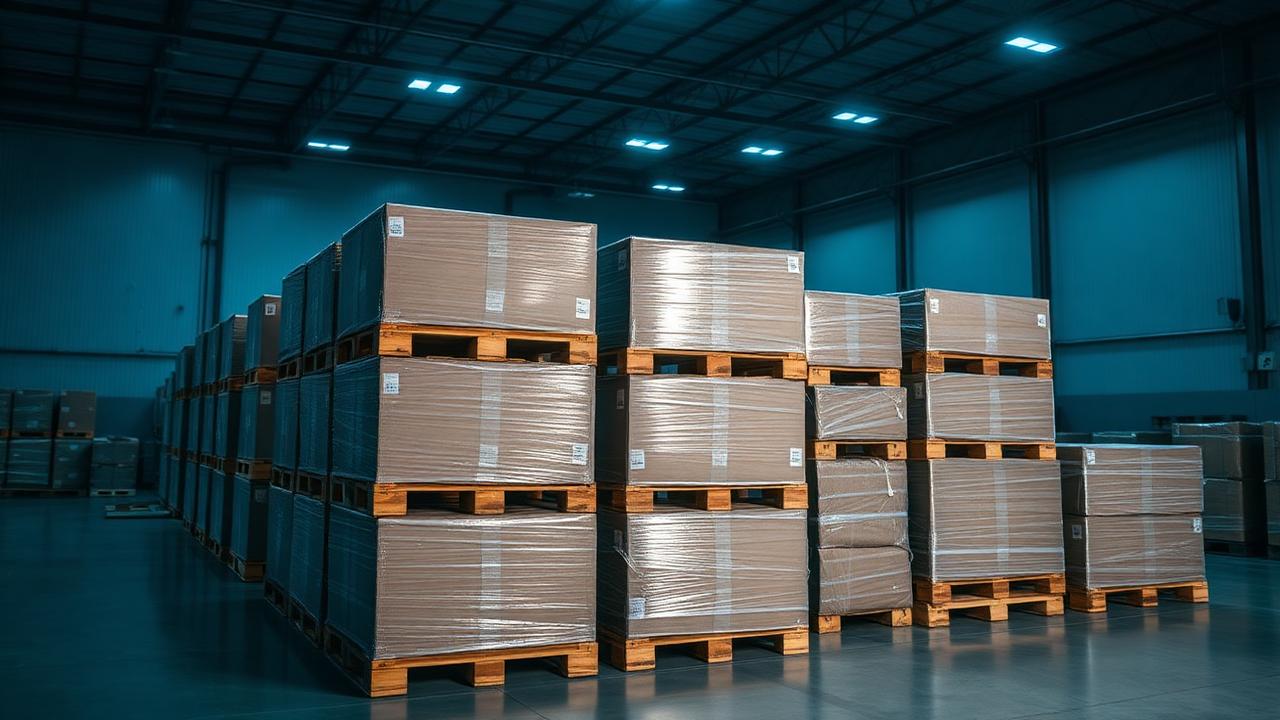
We bought a 14-piece customer return lot out of a Charlotte distribution center for $520. On the manifest, it looked like a standard score. The retail value topped $4,100, filled with modular sofas, accent chairs, and solid pine dining tables. Then the LTL freight invoice arrived. Delivery to a commercial bay without a dock added a $75 liftgate charge, $60 for limited access, and fuel surcharges that pushed total shipping to $610. Before we even cut the shrink wrap, our cost basis had doubled. Using a dedicated roi calculator for furniture liquidation pallets before placing that bid would have saved us from a three-month storage headache.
Furniture liquidation is not like flipping pocket-sized tech or high-end apparel. Bulk dominates this category. A single oversized sectional module can swallow an entire pallet space, and shipping fees scale by volume and weight rather than item count. If your margin model relies on surface-level MSRP discounts, you are bidding blind.
Why You Need an ROI Calculator for Furniture Liquidation Pallets
Most buyers fail in this niche because they apply retail recovery percentages designed for small appliances or apparel. The liquidation glossary defines gross recovery as total resale revenue divided by original MSRP, but furniture behaves completely differently from small box goods. According to our recovery rate report, general consumer electronics often recover 25-40% of retail value, while furniture returns frequently hover between 18-35% due to damage during reverse transit and heavy localized selling constraints.
When flat-pack pressboard items travel back through liquidated returns networks, hardware bags tear open and corners crush. If a dining chair lot arrives missing eight proprietary screws, your item grade drops instantly from like-new to parts-only.
An accurate calculation demands that you subtract freight accessorials, hardware replacement costs, local delivery expenses, and platform fees before you even think about net profit. Running these variables through a dedicated pallet ROI calculator lets you set a realistic maximum bid that protects your bottom line.
The Hidden Costs That Burn Furniture Resellers
Bulky inventory carries expenses that never show up on smaller lots. If you do not factor these variables into your bidding spreadsheet, your actual return on investment will vanish into logistics overhead.
- LTL Freight Accessorials: Freight carriers do not drop an 800-pound oversized skid on your driveway out of goodwill. Standard LTL rates run $0.80-$2.50 per mile, but fees accumulate fast. According to FedEx Freight, residential delivery additions add $50-$100, while liftgate fees cost another $50-$75 per stop.
- Warehouse Footprint: A single bulky furniture pallet occupies roughly 16 to 24 square feet of floor space. If that lot takes 60 days to clear via local pickup, the storage opportunity cost eats away your cash flow.
- Missing Assembly Hardware: Roughly one out of every four flat-pack returns on platforms like B-Stock comes without original assembly hardware or instruction sheets. Budgeting $5-$15 per unit for generic hardware packs or replacement bolts is standard practice.
- Local Delivery Overhead: Most buyers browsing local marketplaces do not own a pickup truck. If you offer local drop-off to close a sale, factor in your fuel and labor hours.
Before finalizing any bid, test your shipping assumptions against a shipping cost calculator to ensure accessorial surcharges do not wipe out your projected resale margin.
How an ROI Calculator for Furniture Liquidation Pallets Prevents Freight Disasters
Resale venues yield widely different net profits for bulky items. You cannot ship a 90-pound sideboard across the country via standard ground without paying more in postage than the item is worth. Your local channels dictate your real margins.
| Resale Channel | Platform Fee Structure | Typical Freight / Logistics Cost | Best Suited For | Resale Velocity |
|---|---|---|---|---|
| Facebook Marketplace | 0% (Local Cash) / 5% (Shipped) | $0 (Customer Pick-Up) | Heavy tables, sofas, assembled dressers | Fast (3-14 days) |
| OfferUp | 0% (Local Cash) / 12.9% (Shipped) | $0 (Customer Pick-Up) | Patio sets, medium flat-pack inventory | Moderate (7-21 days) |
| Craigslist | 0% | $0 (Customer Pick-Up) | Vintage furniture, closeout building lots | Slow (14-45 days) |
| eBay | ~13.25% + $0.30 per sale | Freight standard or local pickup | High-end designer hardware, small accent tables | High (3-10 days) |
Local cash sales avoid standard platform processing fees entirely, making platforms like Facebook Marketplace and OfferUp the primary outlets for oversized furniture liquidation. However, velocity depends on local population density and pricing.
A Worked P&L: 12-Unit Customer Return Furniture Lot
Let us look at a practical scenario. We evaluated a 12-unit mixed customer return lot sourced from a mid-Atlantic retail chain. The manifest listed flat-pack bookshelves, sectional components, office desks, and solid wood coffee tables with a total retail MSRP of $3,800.
Cost Breakdown
- Winning Auction Bid: $650
- Base LTL Freight: $380
- Liftgate Fee: $75
- Residential Access Fee: $60
- Total Landed Cost: $1,165
Recovery & Grading Reality
Upon unboxing, two pressboard bookshelves had broken structural panels and were salvaged for scrap metal/parts ($0 return). Four items were missing hardware bags ($25 total spent at the hardware store for fasteners). Six items were complete and in open-box condition.
Gross Resale Receipts (Local Pickup Sales)
- 4 Open-box complete units sold local cash: $1,050
- 4 Restored / re-hardware units sold local cash: $620
- 2 Minor cosmetic scratch-and-dent units sold discounted: $280
- Total Gross Revenue: $1,950
The Final Net ROI Calculation
- Gross Resale Revenue: $1,950
- Minus Total Landed Cost: $1,165
- Minus Hardware Repairs & Supplies: $25
- Minus Marketplace Transaction Fees: $10
- Net Profit: $750
- Net ROI: 64.3% return on invested capital ($750 net / $1,165 outlay)
In this transaction, the profit was healthy. But if the freight had run $200 higher due to long-distance lane rates, or if two more units had arrived snapped in half, the deal would have barely broken even. Running numbers through our maximum bid calculator before placing the final bid ensures you lock in a safety buffer for damaged goods.
How Furniture Liquidation Deals Go Wrong
The failure mode in furniture liquidation is almost never a lack of buyer demand. People always want discounted tables, chairs, and desks. The failure mode is space and hidden damage.
First, there is structural chipboard shear. When heavy flat-pack cartons drop off a forklift inside a sorting facility, the internal pressboard panels snap near the pre-drilled cam lock holes. You cannot easily patch broken particle board. If you do not inspect manifest descriptors for heavy freight indicators using a manifest analysis tool like Pallet IQ, you run the risk of buying high-weight pallets that contain unsellable powder.
Second, there is warehouse gridlock. A reseller operating out of a two-car garage can comfortably process twenty boxes of liquidated shoes. Put three furniture pallets in that same garage, and your workspace vanishes overnight. If units sit for 60 days because your local market is saturated, your working capital stays locked in wood frames while storage overhead accumulates. Keep your inventory turning by pricing items realistically for your local market from day one.
Before committing capital to your next haul, plugging your lot into an roi calculator for furniture liquidation pallets before bidding keeps your warehouse operational and your net margins secure.
What is a realistic recovery rate for customer return furniture pallets?
You should model gross recovery between 20% and 35% of original retail MSRP. While some complete accent pieces sell for 50% of retail, freight damage, missing hardware, and heavy local pickup discounts pull down your real average across the entire lot.
How do I handle missing assembly hardware on liquidated furniture?
Do not trash the piece. Stock generic metric bolt kits, wooden dowels, and standard cam lock connectors in your shop. Alternatively, list the item on local channels clearly stating hardware is missing and drop the price 25% to let the buyer source their own screws.
Is local pickup always better than shipping resale furniture?
For items over 45 pounds or larger than standard carrier dimensional limits, local cash pickup is almost always more profitable. Individual parcel ground freight for oversized boxes eats up margins through heavy dimensional weight surcharges, making local marketplace sales the most consistent option.
Pallet IQ Editorial Team
We buy, grade and resell liquidation pallets, then turn what we learn into the tools on Pallet IQ. Every guide here comes from real manifests, real bids and real sell through numbers.
Written September 7, 2026, last reviewed October 19, 2026