Real Profit Margins on Electronics Liquidation Pallets
We tested 40 customer return audio lots to calculate actual gross yields, repair costs, and true profit margins on electronics liquidation pallets.
By Pallet IQ Editorial Team
Published
 Buying Strategy
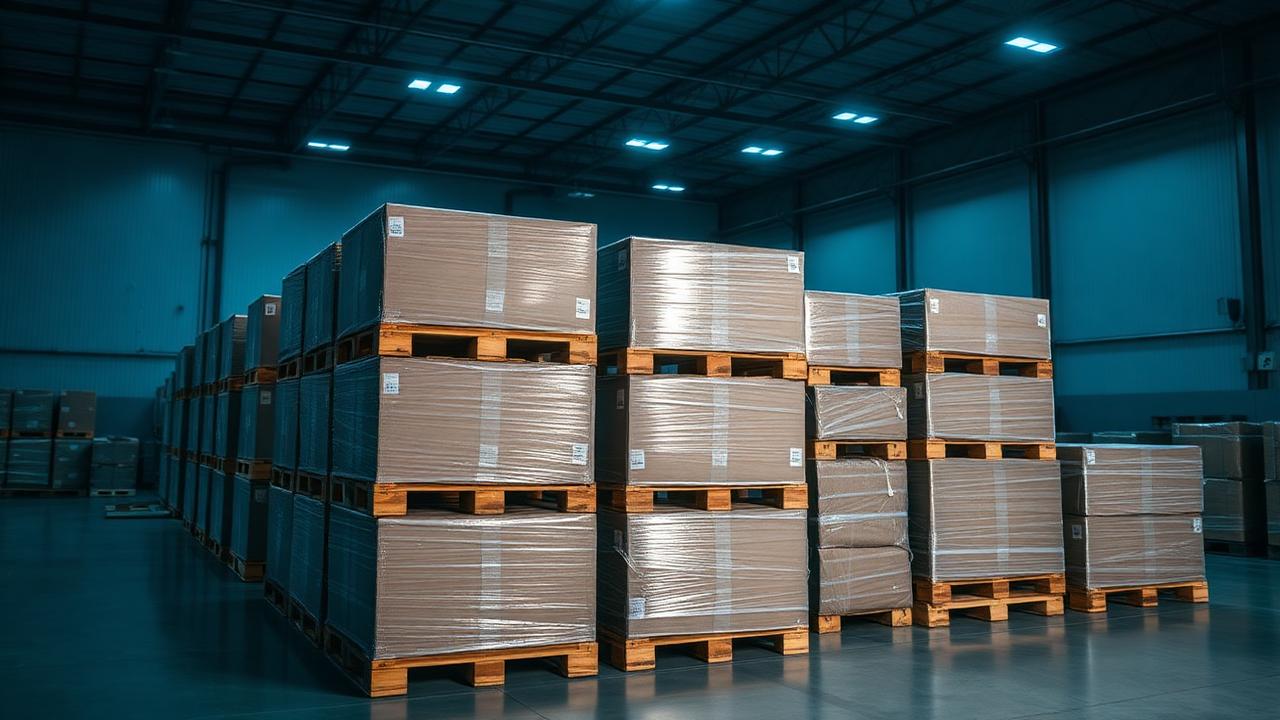
We once took a $3,400 bath on a 42-unit lot of returned soundbars out of a Charlotte facility. The manifest listed original retail value near $14,000, and our bid looked conservative on paper. Then the carrier dropped the pallet at our warehouse gate with half the factory seals broken and three units outright crushed. After spending forty hours testing inputs, replacing lost remotes, and wiping consumer data, our actual cash yield did not even clear the freight invoice. That painful week taught us that calculating real profit margins on electronics liquidation pallets requires looking far past the headline retail numbers.
Consumer electronics sit among the most competitive categories in secondary market reselling. They offer fast turnaround, high dollar density per shelf foot, and consistent search volume across secondary marketplaces. But tech returns also carry high defect rates, rapid depreciation, and unexpected overhead costs that eat your net proceeds fast.
Understanding Grades and Realized Recovery Rates
Every supplier scores salvage merchandise differently, but standard industry tiers give you a baseline for what actually works when you unpack a skid. Before bidding on platforms like B-Stock or direct regional liquidation sales, you must map the offered grade against your internal reconditioning capacity.
Grade A inventory consists of raw overstock, factory-sealed closeouts, or shelf pulls. Packages show minimal handling, accessories remain bagged, and serial numbers match the boxes. Realized returns on Grade A electronics typically land between 35% and 50% of original MSRP.
Grade B merchandise includes open-box returns and store displays. Units generally turn on and show minor cosmetic scuffs. Missing power adapters or documentation are standard here. Expect a realistic recovery rate of 25-35% of retail value.
Grade C items represent heavily used customer returns. You will see scratched screens, dented chasses, and missing proprietary components. According to our internal electronics recovery rates tracking, uninspected customer return lots average a 20-30% gross yield before labor and parts.
Grade D inventory comprises raw salvage, uninspected returns, and customer trade-in drops. Expect at least 30-40% of these units to be completely non-functional or locked to end-user accounts. Net recovery on Grade D tech frequently drops under 15% once scrap disposal fees are accounted for.
Knowing these brackets prevents overbidding. You can check terms in our liquidation manifest reference if you encounter vendor-specific grading acronyms on unknown auction portals.
The Real Cost Basis: Freight, Accessorials, and Fees
Winning an auction for $1,000 does not mean your cost basis is $1,000. Landed cost determines whether your margin survives contact with reality.
Freight costs eat thin margins fast. LTL (less-than-truckload) shipping runs roughly $0.80 to $2.50 per mile depending on fuel surcharges and carrier density. If your delivery site lacks a commercial dock or a forklift, accessorial charges compound quickly. Carriers bill an extra $50-$100 for residential delivery, $50-$75 for a liftgate service, and another $30-$60 for limited-access locations like self-storage complexes.
Pay close attention to volumetric density. A single skid of lightweight LED monitors takes up standard pallet space but bills under UPS dimensional weight guidelines if shipped as individual ground packages later. Run your numbers through a dedicated shipping cost calculator before confirming any bids on remote inventory.
Then factor in listing venue take rates. Channel fees drain your top-line revenue before you clear payroll:
- eBay collects roughly 13.25% plus $0.30 per transaction for most consumer tech categories, as outlined in their official eBay seller fees schedule.
- Amazon individual seller accounts charge a 15% referral fee on consumer electronics, alongside variable closing fees for media items.
- Mercari assesses a flat 10% fee structure on completed sales.
- Local cash transactions via Facebook Marketplace or off-grid buyer networks cost 0% in platform fees, though lower localized demand usually caps your maximum price point.
Plugging these overhead lines into a marketplace fee calculator keeps your estimated net math grounded before you commit capital.
Calculating Profit Margins on Electronics Liquidation Pallets
Let us look at a fully worked P&L from a real 30-unit mixed consumer tech lot sourced through a mid-Atlantic liquidation pipeline similar to Tech Liquidators. This lot contained smart home hubs, wireless headphones, and mid-range audio receivers marked as customer returns.
Initial Financial Inputs:
- Total MSRP listed on manifest: $6,200
- Winning auction bid: $1,150
- Buyer premium (10%): $115
- LTL Freight (400 miles + liftgate fee): $285
- Total Landed Cost Basis: $1,550
Testing and Manifest Processing Yield:
- 18 Units Grade A/B (Fully functional, complete): Sold total = $2,700
- 6 Units Grade C (Functional, minor cosmetic damage or generic replacement cable): Sold total = $540
- 6 Units Grade D (Dead on arrival, account locked, or missing key internal board): Parts scrap total = $110
- Total Gross Revenue: $3,350
Direct Expenses Breakdown:
- Gross Resale Revenue: $3,350
- Platform selling fees (~13% average across eBay/Mercari): $435.50
- Outbound shipping costs paid by seller: $310.00
- Replacement power cables and generic packaging supplies: $85.00
- Net Revenue Received: $2,519.50
Final P&L Performance Metrics:
- Net Profit: $2,519.50 - $1,550 landed cost = $969.50
- Return on Investment (ROI): 62.5% ($969.50 / $1,550)
- Net Profit Margin: 28.9% ($969.50 / $3,350 gross revenue)
Running this calculation through our pallet ROI calculator reveals a healthy payout. However, if five additional units had been unrepairable junk, the net margin would have collapsed below 12%. Electronics require conservative yield estimates.
Resale Channel Performance for Salvage Electronics
The secondary channel you select directly influences your sell-through velocity and final net yield. Here is how the primary resale platforms compare when offloading tech inventory:
| Platform | Net Realization % | Average Velocity | Primary Risk Factor |
|---|---|---|---|
| eBay | 35-45% of retail | 14-21 days | High buyer return rates on used items |
| Amazon (FBM) | 40-50% of retail | 7-14 days | Gating restrictions and account health risk |
| Mercari | 25-35% of retail | 21-35 days | Lower price ceiling on high-end electronics |
| Facebook Marketplace | 20-30% of retail | 3-7 days | Noisy communication and local flake outs |
| Wholesale / Bulk Lots | 15-20% of retail | 1-2 days | Minimal margins requiring heavy volume |
Where Real Electronics Lots Go Wrong
Understanding how to calculate profit margins on electronics liquidation pallets means knowing where phantom costs hide. Here are the three main traps that turn promising manifests into balance sheet write-downs.
First, activation locks and carrier blocks kill unit value instantly. Modern smartphones, tablets, smartwatches, and premium laptops often arrive bound to a previous owner's account. An iPad locked to an iCloud account cannot be resold as a functional tablet on major marketplaces. Unless you possess specialized board-level repair skills or sell strictly for salvaged internal components, an account-locked device loses 80% of its manifest value. If a manifest hides serial numbers, discount your bid sharply.
Second, testing time destroys margin structure. If your process requires a bench technician spending forty-five minutes troubleshooting a single $40 Bluetooth speaker, your labor cost completely wipes out your gross return. Establish a strict five-minute triage rule. If a device cannot be verified, reset, and cleaned within five minutes, route it straight to your parts pile or sell it as an uninspected lot.
Third, incomplete manifest descriptions create unexpected freight issues. A lot listed as 50 items might turn out to be three massive home audio speakers and 47 pairs of cheap earbuds. You end up paying cubic freight rates for low-value gear. Using a proper pallet buying decision guide helps flag skewed manifests before you wire your capital.
Strategy for Sustainable Profit Margins on Electronics Liquidation Pallets
Winning consistently in tech liquidation requires strict operational boundaries. Never bid on customer return lots using original retail prices as your benchmark. Build your maximum bid ceiling backward from a conservative 25% gross recovery estimate, factor in freight, subtract marketplace fees, and leave a buffer for dead units.
Protect your cash flow by avoiding untested categories until you have established steady sales channels for high-demand core inventory like audio equipment, computer accessories, and small appliances. If a lot leaves no margin for error, walk away. There is always another truck rolling up to the dock.
How do you deal with high return rates on liquidated electronics?
Test every item fully before listing and explicitly detail cosmetic flaws, serial numbers, and functional defects in your descriptions. Include photographs of the device powered on. Expect a 5-8% buyer return rate on secondary platforms for functional electronics and factor that loss directly into your initial cost basis.
What is a good net profit margin target for tech pallets?
A healthy target for customer return electronics is a net profit margin between 20% and 35% after accounting for landed freight, listing fees, replacement parts, and labor. Overstock or sealed Grade A pallets may yield lower margins around 15-20%, but they carry much lower processing labor and virtually zero return risk.
Is it better to sell broken items for parts or toss them?
Sell them in bulk lots marked clearly for parts or repair. Technicians, repair shops, and hobbyists regularly purchase non-functional devices on platforms like eBay for circuit boards, screen assemblies, and original outer shells, turning dead weight back into liquid cash.
Pallet IQ Editorial Team
We buy, grade and resell liquidation pallets, then turn what we learn into the tools on Pallet IQ. Every guide here comes from real manifests, real bids and real sell through numbers.
Written October 22, 2026