How to Inspect Direct Liquidation Pallets Like a Pro
Buying direct truckloads sounds sweet until a shrink-wrapped skid of shattered TVs lands on your dock. Here is how we audit manifests and spot bad lots before placing a bid.
By Pallet IQ Editorial Team
Published · Updated
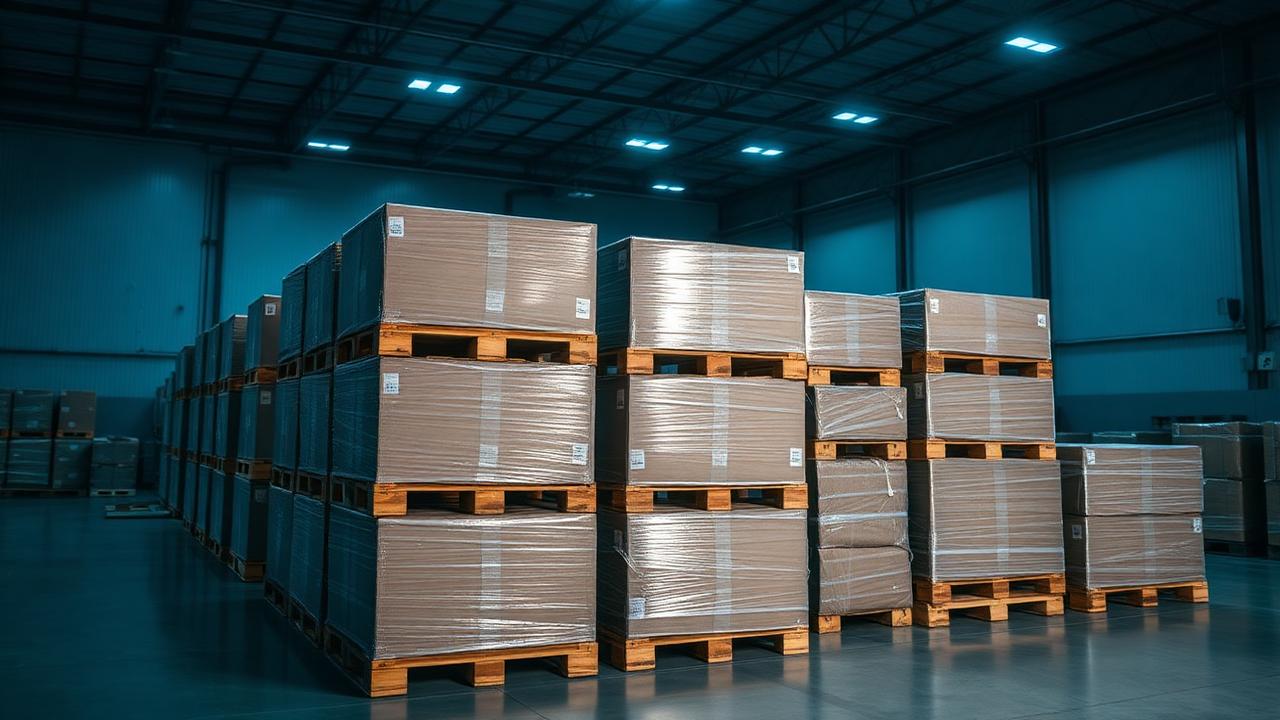 Buying Strategy
Two years ago, we wired $3,200 for what was listed as a high-grade consumer electronics lot out of a regional fulfillment center in Indiana. The manifest looked clean. It listed 84 items, mostly name-brand soundbars, wireless headphones, and smart home hubs. When the LTL driver dropped the skid at our bay, reality set in fast. Half the soundbars were missing their power bricks, three of the smart displays had crushed screens under intact shrink wrap, and someone had replaced an expensive subwoofer with a brick wrapped in bubble film.
That single disaster wiped out our operating margin for the month. Learning how to inspect direct liquidation pallets starts before you ever hand over your hard-earned cash. If you wait until the freight truck drops the gate, you are already gambling. You need a systematic way to audit the paperwork, spot manifest tricks, estimate realistic damage rates, and inspect physical lots on the floor.
According to NRF returns research, retailers faced over $743 billion in merchandise returns in a single year. That wave of inventory flows straight to secondary market auctions, but not every load is built equal. Direct store returns behave very differently from clean overstock skids. Here is how we break down direct skids to protect our working capital.
Why Direct Liquidation Skids Require Strict Audits
Buying direct from primary retail chains cut out middleman liquidators who cherry-pick the best items. That sounds great on paper because your cost per unit drops. However, it also means nobody has filtered out the literal garbage. Direct returns come straight from customer service desks or reverse logistics hubs where workers toss items into Gaylords as fast as humanly possible.
When you buy from platforms like B-Stock, you are looking at raw supply streams. The retail associate at the store counter is not an expert technician. If a customer says a processor is defective because they did not know how to plug it in, the store tags it as damaged and throws it into a skid. Conversely, if a customer swaps an old broken blender into a box for a brand new model and returns it, the store associate often puts it right back on the skid without opening the box. That double-edged reality is why you must inspect every detail.
Every raw skid carries a mix of working customer remorse items, missing accessory units, outright fraud swaps, and completely destroyed junk. Your goal is not to find a perfect pallet. Perfect liquidation pallets do not exist. Your goal is to price the lot so that the junk is paid for by the winners.
How to Inspect Direct Liquidation Pallets via Manifest Audits
Your first inspection does not happen with a box cutter. It happens inside a spreadsheet. Before you place a bid, feed the manifest data through a specialized manifest analyzer to spot red flags instantly.
Start by checking the UPCs and ASINs against real market values, not original retail prices. Retail MSRP is a vanity metric. A vacuum cleaner that retailed for $499 three years ago might sell for $180 refurbished on secondary channels today. If you base your bidding ceiling on original MSRP, your profit margin disappears before you even pay for freight.
Next, look at unit density and variance. If a manifest shows 150 items on a single skid, but the declared total weight is only 120 pounds, something is wrong. Either the item counts are wrong, or you are buying lightweight packing fluff. Pay special attention to generic item descriptions. Terms like "Assorted Hardlines" or "Mixed Electronic Lot" with zero model numbers usually mean the warehouse dumped unsorted customer returns into a bin to clear space.
We categorize every manifest by risk profile before we run numbers through our pallet calculator. Categorizing risk prevents you from bidding clean-lot money on salvage-grade inventory.
| Inspection Vector | Clean Overstock | Customer Returns | Salvage / Scrap |
|---|---|---|---|
| Expected Recovery | 85-95% | 45-65% | 10-25% |
| Packaging Condition | Factory sealed | Opened / Damaged | Missing / Bulky |
| Missing Parts Rate | Under 3% | 15-30% | Over 50% |
| Resale Target | Amazon / eBay | eBay / Local | Local Cash / Parts |
Physical Floor Inspection Rules for Local Pickups
If you are picking up skids directly from a local warehouse or liquidator facility, never load the freight until you perform a five-minute visual audit. Take a flashlight and a notepad to the bay floor.
First, check the stretch wrap. Factory shrink wrap is tight, uniform, and clear. If you see layered wrap, loose hand wrapping, or multiple colors of tape around the middle of the skid, that pallet was built or searched after it left the primary retail facility. Re-wrapped skids often mean someone already picked out the high-value handhelds or small electronics.
Second, inspect the base of the pallet. Liquidators put heavy, lower-value items like boxed furniture or detergent at the bottom to stabilize the stack. Look for leaking liquids, crushed bottom boxes, or broken wooden pallets. A broken pallet base makes unloading with a standard hand pallet jack an absolute nightmare, and leaking chemical goods can ruin electrical items stacked directly below them.
Third, look for serial number tags and store return stickers. Big box retailers use specific colored stickers for return tracking. If every box on the skid has a red store tag marked "Defective / Core Failure," do not bid on that lot as standard returns. Treat it as scrap. If the stickers say "Buyer Disorse / Wrong Color," your expected recovery rate jumps significantly.
The Complete P&L of a Real Direct Return Lot
To see how inspection data turns into a buying decision, let us look at a real 32-unit mixed appliance pallet from a regional retail distribution center. The manifest lists a total retail MSRP of $4,800. The current bid is $450.
Before bidding, we run a full financial audit. You cannot just look at the purchase price. You must account for delivery accessorial fees, platform processing charges, and true selling fees using a pallet ROI calculator.
Here is how the numbers stack up:
Winning Bid: $550 Auction Buyer Fee (10%): $55 LTL Freight Quote: $240 Freight Accessorials (Liftgate + Residential): $125 Total Delivered Cost Basis: $970
Now we apply realistic recovery math based on visual and manifest inspection rules. Out of 32 items:
- 12 items are complete, pristine condition (Resale: $1,440 total)
- 10 items need minor cleaning or missing standard cables (Resale: $600 total)
- 6 items are parts-only or heavy cosmetic damage (Resale: $150 total)
- 4 items are dead scrap / missing main components (Resale: $0)
Gross Resale Revenue: $2,190
Now subtract selling fees and payment processing using a marketplace fee calculator. If selling mostly on eBay, assume an average take rate of 13.25% plus $0.30 per order, as outlined in the official eBay seller fees schedule. Out of 28 sold listings, total marketplace platform fees equal roughly $298. Estimated outbound shipping subsidies or packing supplies add another $180.
Net Resale Revenue: $1,712 Total Delivered Cost Basis: $970 Net Profit: $742 Return on Investment: 76.5%
Because we inspected the item distribution upfront, we knew that four units were total losses. If we had assumed a 100% recovery rate, we would have overbid by $300 and chopped our profit margin in half.
How This Goes Wrong: The Hidden Accessorial Trap
The fastest way to lose money on direct liquidation skids is not bad inventory; it is transportation miscalculations. New resellers spend hours analyzing manifests, only to get killed at checkout by logistics add-ons.
When you order LTL (Less-Than-Truckload) freight from commercial liquidation sites, the base quote assumes you have a commercial warehouse with a raised loading dock and a forklift. If you operate out of a home garage, a storage unit, or a retail store without a dock, freight carriers like FedEx Freight will tag your shipment with accessorial charges.
If the delivery truck arrives and needs a liftgate to lower the skid to ground level, that is an extra $50 to $100 fee. If your address is classified as a residential zone, that is another $60 to $110. If the driver has to push the pallet inside your garage instead of dropping it on the driveway, you get hit with an inside delivery charge. Before placing any bids on remote direct skids, plug your delivery specs into a shipping cost calculator so those extra fees do not eat your profit margin before the freight truck leaves.
Another major point of failure is unmanifested lot buying. Some platforms list "3 Pallets of Assorted Goods" with zero manifest attached. Unless you can physically walk the warehouse floor, touch the boxes, and scan the tags yourself, treat unmanifested lots as C-grade or D-grade inventory. Bidding high on unmanifested returns is the quickest path to a warehouse full of unsellable plastic scrap.
Before taking on risky truckloads, read our complete buying decision guide to establish strict rules for your capital.
Direct Pallet Inspection Checklist
Use this operational checklist every time you review a direct liquidation offer:
- Match the manifest count against the physical pallet count and total load weight.
- Strip out original MSRP numbers and replace them with realistic secondary market prices.
- Factor in a minimum 20% unit loss rate for uninspected customer return manifests.
- Calculate total landed cost including LTL freight, liftgate fees, residential surcharges, and auction buyer premiums.
- Check photos for broken skid bases, loose wrap layers, or torn retail return tags.
- Confirm you have the platform budget and time required to process damaged items.
Ultimately, learning how to inspect direct liquidation pallets comes down to simple math, clear eyes, and strict discipline. Treat every manifest like an unproven claim until your numbers prove otherwise.
What does an A/B/C/D grade scale mean on liquidation manifests?
Liquidation grading standards vary by platform, but generally, Grade A items are factory-sealed overstock with intact packaging. Grade B items are open-box or light customer returns with minor package damage but complete functionality. Grade C items show visible use, missing accessories, or heavy cosmetic wear. Grade D items are non-functional, damaged, or salvage units intended purely for spare parts or scrap recovery.
Can I return a liquidation pallet if the items are worse than listed?
Most direct liquidation sales are strictly final and sold as-is. However, if the delivered pallet has a major manifest discrepancy, such as missing 30% of the declared units or receiving completely wrong categories, you can file a dispute with the auction platform. You must document the dock receipt, take clear photographs of the sealed pallet before unloading, and submit manifest discrepancy claims within 24 to 48 hours of delivery.
How many items on a return skid are usually un-sellable?
On raw direct customer return skids, expect anywhere from 15% to 35% of the items to be un-sellable as complete units. Some of these items can be salvaged for spare parts or sold in local bulk lots, but you should always build your financial bid model around the assumption that at least 20% of the manifest volume yields zero resale revenue.
Pallet IQ Editorial Team
We buy, grade and resell liquidation pallets, then turn what we learn into the tools on Pallet IQ. Every guide here comes from real manifests, real bids and real sell through numbers.
Written September 4, 2026, last reviewed October 19, 2026