How to Profit From Macy's Return Pallets
Macy's liquidation lots look profitable on paper until you land a gaylord full of stained private-label sweaters. Here is how we break down manifests, cover freight, and pull clean margins.
By Pallet IQ Editorial Team
Published · Updated
 Pallet Sourcing
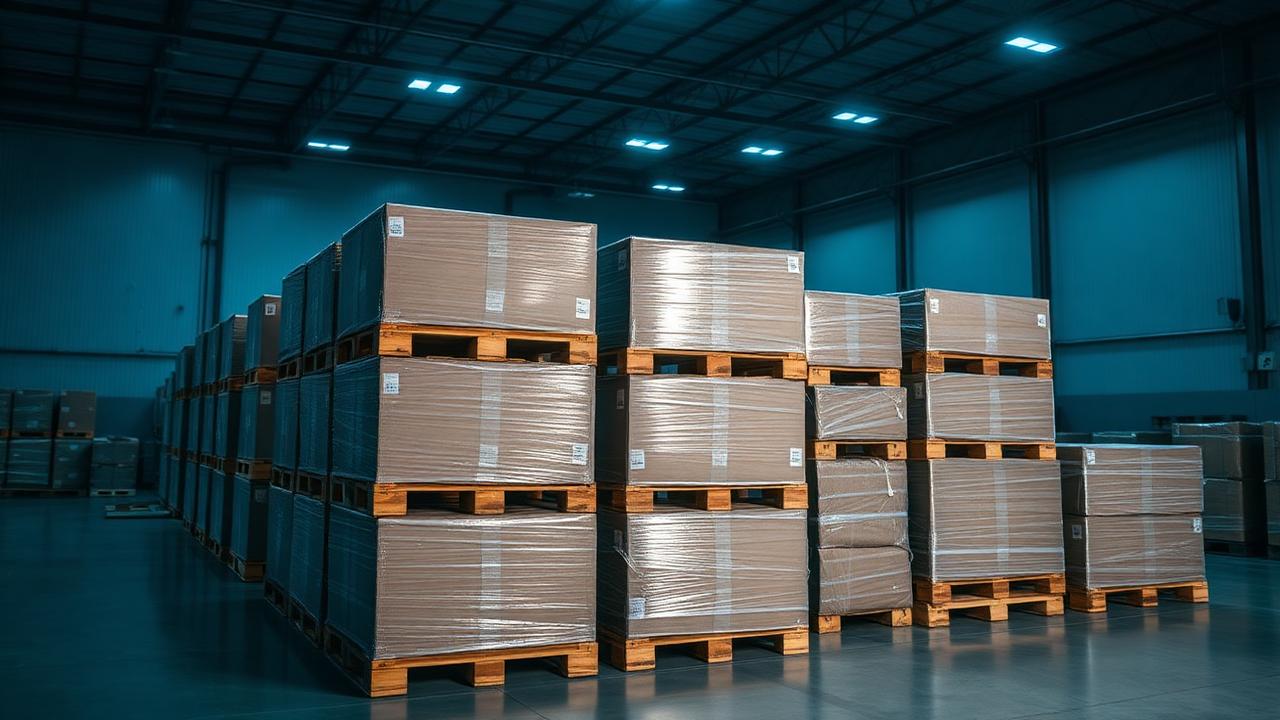
Two years ago, we took delivery of a six-pallet load out of a Macy's fulfillment center in Joppa, Maryland. The manifest showed $28,000 in original retail value. The winning bid was $2,400, and after $620 in LTL freight, we felt like geniuses. Then we cut the shrink wrap.
Inside were hundreds of unboxed store returns, crushed Michael Kors shoe boxes, and dozens of Alfani tops with foundation stains on the collars. It took three weeks, two clothing steamers, and endless eBay listings to break even. Learning how to make money with macys return pallets comes down to knowing exactly what lies behind those bloated original MSRP numbers before you place a bid.
Macy's is a unique beast in the liquidation market. Unlike Amazon, where you get a hyper-random mix of phone cases and air purifiers, Macy's lots are heavily skewed toward apparel, soft home goods, footwear, and small kitchen appliances. If you understand how to grade their inventory and price out freight, these loads yield reliable margins. If you buy blindly based on original retail tags, you will burn cash fast.
Evaluating Lots: How to Make Money With Macys Return Pallets Without Getting Burned
The biggest mistake new liquidation buyers make with Department Store return lots is trusting the original retail prices. Macy's relies heavily on private label brands like Alfani, INC International Concepts, Charter Club, and Bar III. A silk blouse might carry a $98 Macy's tag, but it was likely sold on clearance for $19.99.
When evaluating a manifest, you must separate national designer brands from department private labels. Ralph Lauren, Free People, Calvin Klein, and Levi's hold resale value on platforms like Poshmark and eBay. Private-label items usually do not. You should value Macy's private-label apparel at no more than 5% to 8% of original MSRP when building your bid model.
Category mix dictates your real recovery rate. Here is how different product types inside Macy's loads perform in the secondary market:
| Category | Average MSRP Recovery | Main Sales Channels | Processing Time | Biggest Risk |
|---|---|---|---|---|
| Designer Apparel | 15% - 25% | Poshmark, eBay, Depop | High (steaming, measuring) | Hidden stains, missing tags |
| Private Label Apparel | 5% - 10% | Whatnot, Local Flea, FB | Medium (bagging, hanging) | Low demand, inflated MSRPs |
| Housewares & Kitchen | 25% - 35% | eBay, Local Marketplace | Low (testing electronics) | Missing parts, shattered glass |
| Shoes & Footwear | 20% - 30% | eBay, Mercari, Poshmark | Medium (box checks, wear inspect) | Mismatched sizes, shelf wear |
For kitchenware and small appliances, recovery rates jump significantly. A Ninja blender or Pyrex glassware set returned to Macy's often has nothing wrong with it beyond a torn box. Those items sell quickly on local channels like Facebook Marketplace or OfferUp without eating high shipping costs.
Understanding Grades and Manifest Reality
Liquidation auctions categorize Macy's inventory into specific grades. Knowing these definitions prevents massive surprises at your loading dock.
Grade A/B inventory consists of overstock and customer returns that remain in original packaging. You can expect around 70% to 80% of these items to be ready for immediate resale with minimal cleaning.
Grade C/D inventory includes heavy store returns, salvage, and display models. Expect missing accessories, damaged boxes, and garments with deodorant marks or broken zippers. On Grade C apparel lots, assume a 20% total scrap rate right out of the gate.
Before bidding, use a manifest analysis tool like PalletIQ to calculate your true break-even points across distinct categories rather than relying on global averages.
Fully Worked P&L: Analyzing a 3-Pallet Macy's Home Load
Let's walk through a realistic financial breakdown. This example is based on a 3-pallet lot of Macy's housewares and small appliances purchased via B-Stock, shipped to a residential address with a liftgate.
Cost Basis
- Winning Bid: $1,150.00
- Buyer's Premium (10%): $115.00
- LTL Freight ($1.20/mile, 300 miles): $360.00
- Residential Delivery Accessorial: $60.00
- Liftgate Fee: $50.00
- Total Landed Cost: $1,735.00
Inventory Breakdown & Realized Sales
The manifest listed 112 items with a total original retail value of $12,400. After sorting, testing, and grading every unit, here is where the stock actually went:
- 62 Grade A/B Items (Nespresso machines, Cuisinart food processors, Hotel Collection bedsheets): Listed on eBay and Mercari. Total Gross Revenue: $2,850.00.
- 28 Grade C Items (Open-box fryers, minor cosmetics, missing original boxes): Sold locally for cash on Facebook Marketplace. Total Gross Revenue: $840.00.
- 12 Low-Value / Accessories (Single mugs, individual pillowcases): Bundled into a single local lot. Total Gross Revenue: $60.00.
- 10 Broken / Salvage Items (Shattered glass lids, dead power units): Scrapped/Trash. Total Gross Revenue: $0.00.
- Total Gross Realized Revenue: $3,750.00
Operating Expenses & Fees
- eBay & Mercari Seller Fees (Average 13.25% + fixed transactions): $377.60
- Outbound Shipping Subsidies (where free shipping was offered): $190.00
- Boxes, Poly Mailers, Bubble Wrap, Tape: $65.00
- Total Selling Expenses: $632.60
Final Margin Calculation
- Gross Revenue: $3,750.00
- Total Landed Cost: $1,735.00
- Selling Expenses: $632.60
- Net Profit: $1,382.40
- Net Margin: 36.8%
- Return on Investment (ROI): 79.6%
This load was a solid hit. Notice that the gross sales hit $3,750 on a $12,400 MSRP manifest. That represents a real-world recovery rate of 30.2% against original retail. If we had assumed a 50% recovery rate during bidding, we would have overpaid for the lot and squeezed our net profit down to zero.
The Real Sourcing Channels for How to Make Money With Macys Return Pallets
You do not buy return pallets directly from a Macy's department store manager out of the back door. Macy's liquidates through direct contract auction sites and vetted regional brokers.
The primary official channel is the Macy's Direct Liquidation marketplace, hosted on the B-Stock network. Here, you buy directly from Macy's regional distribution centers. Facilities located in Maryland, Ohio, and California frequently push out truckloads and multi-pallet lots.
When buying off B-Stock, pay close attention to the origin facility. Freight will ruin your profit margins if you ship four pallets from California to Pennsylvania. A $1,200 freight bill destroys any pricing edge you had on the bid.
Secondary brokers also buy Macy's truckloads, break them down, and resell individual pallets. Be cautious here. Brokers sometimes manifest the best designer items for their own retail channels and re-palletize the bottom-tier private label softgoods for smaller buyers. Always ask for a full itemized manifest with UPCs before handing over cash to a broker.
How This Goes Wrong: The Three Major Failure Modes
Profiting off Macy's liquidation isn't guaranteed. Resellers regularly lose money on these loads for three specific reasons.
1. The Apparel Sorting Bottleneck
Apparel takes immense labor. If you buy a 500-piece Macy's clothing pallet, every single garment must be inspected for tears, deodorant marks, missing buttons, and makeup stains. Stained items need spot cleaning or steaming. Each item requires photography, measurements, and individual storage tagging.
If you value your shop labor at $20 an hour, spending 30 minutes prepping a Charter Club top that sells for $12 on Poshmark means you lost money before paying platform fees.
2. The LTL Freight Surprise
Shipping single or double pallets via Less-Than-Truckload (LTL) carriers is expensive. If you lack a commercial building with a loading dock or forklift, accessorial fees will pile up quickly. Residential fees ($50-$100), liftgate fees ($50-$75), and limited-access fees ($30-$60) turn an affordable $250 freight quote into a $450 surprise bill instantly.
3. The Counterfeit and Brand Protection Trap
Customer returns occasionally contain swap-outs. A customer buys an authentic designer handbag at Macy's, returns a high-grade knockoff in its place, and the store employee misses it during customer service processing. If you list that counterfeit bag on eBay or Poshmark, your seller account risks permanent suspension.
Inspect every designer logo, date code, hardware weight, and stitching pattern on high-end items before listing them online.
Maximizing Sales Channels for Macy's Goods
Different items in a Macy's load belong on different selling platforms. Diversifying your distribution channel keeps inventory moving fast:
- Cross-list designer apparel (Poshmark, Mercari, eBay) to maximize eyes on brand-name goods.
- Sell bulk private-label clothing in multi-item lots on live-auction apps like Whatnot, or clear them at local flea markets.
- Keep bulky cookware and heavy kitchen appliances local using Facebook Marketplace or OfferUp to eliminate fragile packing and heavy shipping costs.
- List complete, boxed shoes on eBay with detailed photos of the soles and inner linings.
By matching each item to the correct sales channel, mastering how to make money with macys return pallets requires ruthless processing discipline, realistic MSRP discounting, and tight control over your shipping costs.
Where can you buy official Macy's liquidation pallets?
The standard primary source is the Macy's Direct Liquidation auction site on the B-Stock network. You can also source Macy's inventory through reputable regional liquidation brokers who purchase full truckloads directly and contract out smaller pallet lots.
Do you need a resale certificate to purchase Macy's return loads?
Yes. Official liquidation platforms like B-Stock require a valid state sales tax license or resale certificate during registration. This allows you to purchase tax-exempt inventory intended for resale.
What is a realistic profit margin on Macy's return inventory?
A disciplined reseller targeting mixed home goods or vetted footwear should aim for a net margin of 25% to 35% after freight, fees, and waste. Apparel loads yield wider variance, ranging from 15% to 40% depending on your labor efficiency and brand mix.
Pallet IQ Editorial Team
We buy, grade and resell liquidation pallets, then turn what we learn into the tools on Pallet IQ. Every guide here comes from real manifests, real bids and real sell through numbers.
Written August 10, 2026, last reviewed October 19, 2026