How to Make Money With Via Trading Pallets
A veteran reseller breaks down real lot numbers, hidden freight fees, category yields, and how to actually profit on Via Trading liquidation pallets.
By Pallet IQ Editorial Team
Published · Updated
 Resale Strategy
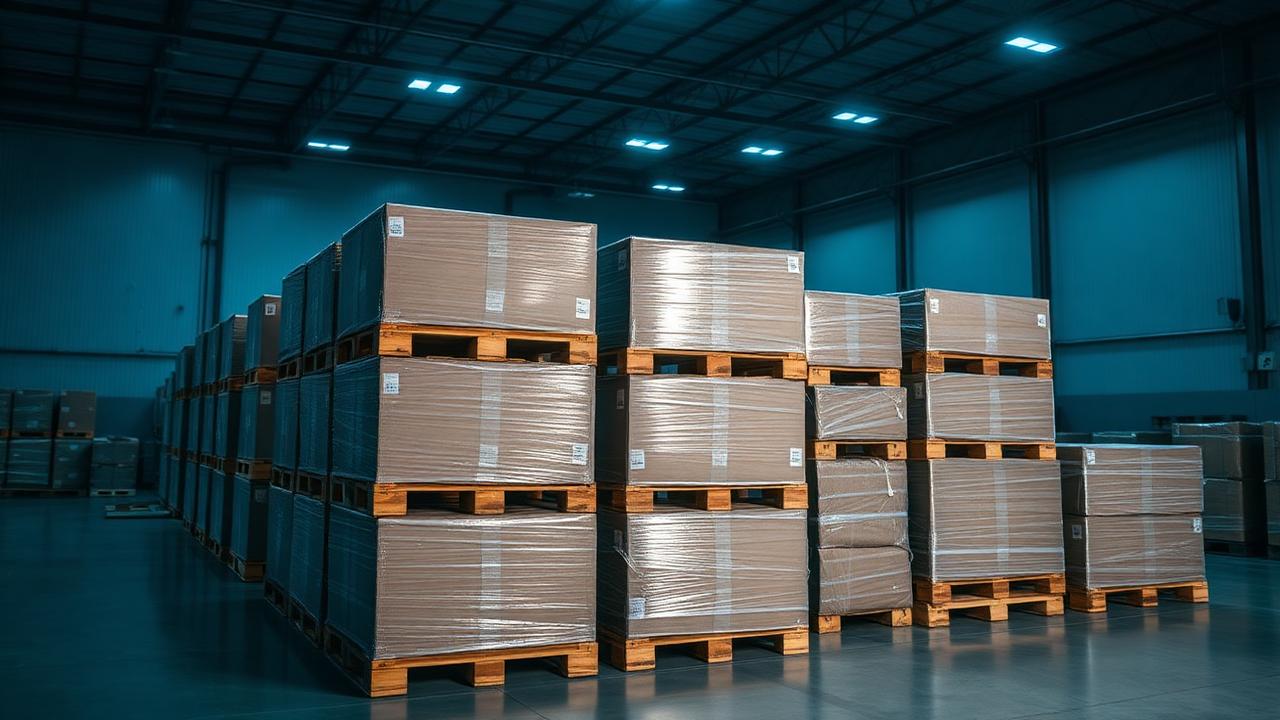
My first load out of Via Trading’s Lynwood warehouse was a four-pallet mystery mix of department store returns. I paid $1,850 for the merchandise and $420 for Less-Than-Truckload (LTL) freight to a commercial dock in Phoenix. On paper, the retail value was $14,000. In reality, half of pallet three was shattered glassware, missing toaster oven trays, and single shoes without pairs. I cleared $310 after 80 hours of cleaning, testing, and listing. I earned about $3.87 an hour.
That was five years ago. Since then, we have processed dozens of loads from Via. Figure out the math before you place an order. Learning how to make money with Via Trading pallets comes down to evaluating freight, budgeting for unit-level trash rates, and picking categories that match your sales channels.
Understanding Category Math: How to Make Money With Via Trading Pallets
Via Trading is one of the oldest liquidation brokers on the West Coast. They sell everything from single unmanifested apparel boxes to $25,000 high-end electronics truckloads. Not all inventory behaves the same on the secondary market.
If you buy unmanifested department store customer returns (Grade C/D), prepare for a 25% to 35% trash rate. Trash rate isn't just broken items. It includes unsellable parts, missing accessories, damaged packaging, and counterfeit items that slipped through retail customer service counter checks.
On electronics, recovery rates typically hover between 25% and 40% of original manufacturer suggested retail price (MSRP) when sold across eBay (~13.25% + $0.30 fee) or Mercari (10% fee). For tools, recovery rates climb to 30%-45%, especially if you deal in heavy power tools from brands like Milwaukee or DeWalt.
Apparel is a different story. You might pay $1.50 a piece for target overstock, but resale recovery sits at a meager 8% to 15% of original retail. The items take months to move.
We avoid Via's unmanifested apparel pallets completely. Unless you run a physical bin store with massive foot traffic, sorting through 800 medium-sized shirts to list them individually on Poshmark burns labor hours fast. Stick to manifested small appliances, hardlines, or power tools if you sell online.
| Lot Type | Typical Cost Range | Expected Recovery (% MSRP) | Estimated Defect Rate | Recommended Channel |
|---|---|---|---|---|
| Manifested Power Tools | $1,200 - $3,500 | 35% - 45% | 10% - 15% | eBay, Facebook Marketplace |
| Manifested Small Appliances | $800 - $2,200 | 25% - 35% | 15% - 25% | Local Yard Sale, Mercari, eBay |
| Unmanifested General Merchandise | $400 - $900 | 15% - 25% | 25% - 40% | Bin Store, Local Flea Market |
| Overstock Apparel (Box/Pallet) | $300 - $800 | 8% - 15% | Under 5% | Poshmark, Whatnot, Local |
Real-World Numbers: A Worked P&L on a Via Lot
Let's run the math on a real lot. Imagine you are eyeing a manifested two-pallet lot of customer return kitchen electronics out of Via Trading.
Raw Lot Data
- Offered Lot Price: $1,150
- Manifested Retail Value (MSRP): $6,800
- Total Unit Count: 52 units
- Shipping Distance: 450 miles (LTL Freight)
Landed Cost Calculation
- Base Lot Price: $1,150
- Base Freight Rate: $210 ($1.16 per mile)
- Liftgate Fee at Delivery: $65
- Residential Delivery Fee: $75
- Total Landed Cost: $1,500 ($28.85 average landed cost per unit)
Resale Valuation and Yield
Out of 52 units:
- 8 units are complete trash or unsellable parts (15% trash rate) yielding $0.
- 28 units are working Grade B (minor scratches, open box). Average resale on eBay is $55 each. Gross: $1,540.
- 12 units are Grade A / Like New overstock. Average resale is $90 each. Gross: $1,080.
- 4 units require light repair or missing cord replacements ($20 total cost). Average resale is $40 each. Gross: $160.
Gross Sales Total: $2,780
Expenses Breakdown
- Marketplace Fees (eBay ~13.25% + $0.30 per transaction): $382.40
- Packing Materials (Boxes, Bubble Wrap, Tape): $180.00
- Replacement Cords / Parts: $20.00
- Landed Merchandise Cost: $1,500.00
- Total Outlay and Expenses: $2,082.40
Net Profit: $697.60 Net Return on Investment (ROI): 46.5%
Is $697.60 worth the effort? If it takes you 12 hours total to unload, clean, test, photograph, pack, and list 44 sellable items, you are earning $58.13 per hour. That is a solid payout. But if that freight bill jumps to $500 because you forgot to account for accessorial fees, your net drops to $347.60, cutting your hourly earnings in half.
Execution Playbook: How to Make Money With Via Trading Pallets
To keep margins healthy, build a strict processing workflow. Via Trading allows buyers to pick up directly from their Los Angeles facility. If you are local, take advantage of this. Picking up yourself cuts freight out of the equation, boosting net ROI by 15% to 25% instantly.
If you use LTL shipping, compare Via’s internal shipping quotes against third-party freight brokers like Freightquote or Unishippers. Always specify your drop-off site conditions up front. If a freight truck arrives at a residential driveway and needs a liftgate you didn't schedule, the carrier will tack on extra charges to your final bill weeks later.
When pallets land at your facility, follow a strict four-step triage:
- Sort immediately: Separate factory-sealed overstock from open-box customer returns before opening individual boxes.
- Set up a dedicated testing bench: Equipping your bench with multi-meters, plug strips, and basic water hookups lets you test items like coffee makers and vacuums fast. Never list an open-box electrical item as "working" without testing it for 3 full minutes.
- Audit the manifest: Run manifested lots through a manifest analysis tool like PalletIQ or a clean spreadsheet to flag high-value units. List the top 20% of your highest-value items within 48 hours of delivery to recover your initial capital quickly.
- Choose the right channel: Put high-value, small-footprint items on eBay or Mercari. Move bulky, heavy items like air conditioners, pressure washers, or furniture locally on Facebook Marketplace to save on dimensional weight shipping fees.
Where the Margin Dies: How This Goes Wrong
The most common failure mode with Via Trading pallets is inventory backup.
Resellers often get excited and order a new pallet before processing the last one. Soon, the workspace fills up with un-tested electronics, unsorted apparel, and loose parts. Your capital gets locked up on storage shelves. Listing fees and physical congestion take over, slowing down operations.
Shipping size mistakes will also kill your profit margins. An air fryer might weigh 12 pounds, but in an 18x18x18 box, carrier dimensional weight formulas (Length x Width x Height / 139) force it to ship at a 35-pound rate. Offer free shipping on eBay without factoring dimensional weight into your pricing, and shipping costs will eat your margin entirely.
Does Via Trading require a business license or resale certificate?
No. Via Trading sells to individual buyers without a resale tax ID. However, buying without a resale permit means paying local California sales tax on the order. Registering a state resale permit waives sales tax on goods intended for resale, saving 7% to 10% on upfront costs.
Is it better to buy manifested or unmanifested pallets from Via Trading?
Beginners should start with manifested lots. Manifests itemize exact SKUs, quantities, and MSRPs so you can project landed costs and target profit before spending money. Unmanifested loads are cheaper per unit, but carry higher defect rates and unpredictable inventory mixes.
Can you pick up pallets directly from Via Trading to save on freight?
Yes. Via Trading permits customer pickups at their facility in Lynwood, California. You will need a pickup truck, trailer, or box truck capable of hauling freight pallets. Local pickups save $200 to $600 per LTL shipment, making lower-margin unmanifested or small-appliance lots much more profitable.
Making a consistent income off liquidation takes disciplined calculations. Knowing how to make money with Via Trading pallets boils down to running realistic P&Ls, calculating LTL freight accessorial charges beforehand, and avoiding categories with low recovery rates. Focus on landed costs, run fast intake tests, and sell off your top SKUs quickly before buying the next load.
Pallet IQ Editorial Team
We buy, grade and resell liquidation pallets, then turn what we learn into the tools on Pallet IQ. Every guide here comes from real manifests, real bids and real sell through numbers.
Written August 9, 2026, last reviewed October 19, 2026