How to Make Money with Mixed General Merchandise Pallets
Sorting through giant gaylords of store returns isn't clean work, but it pays off if you calculate your real freight costs and price for rapid turnaround.
By Pallet IQ Editorial Team
Published · Updated
 Pallet Sourcing
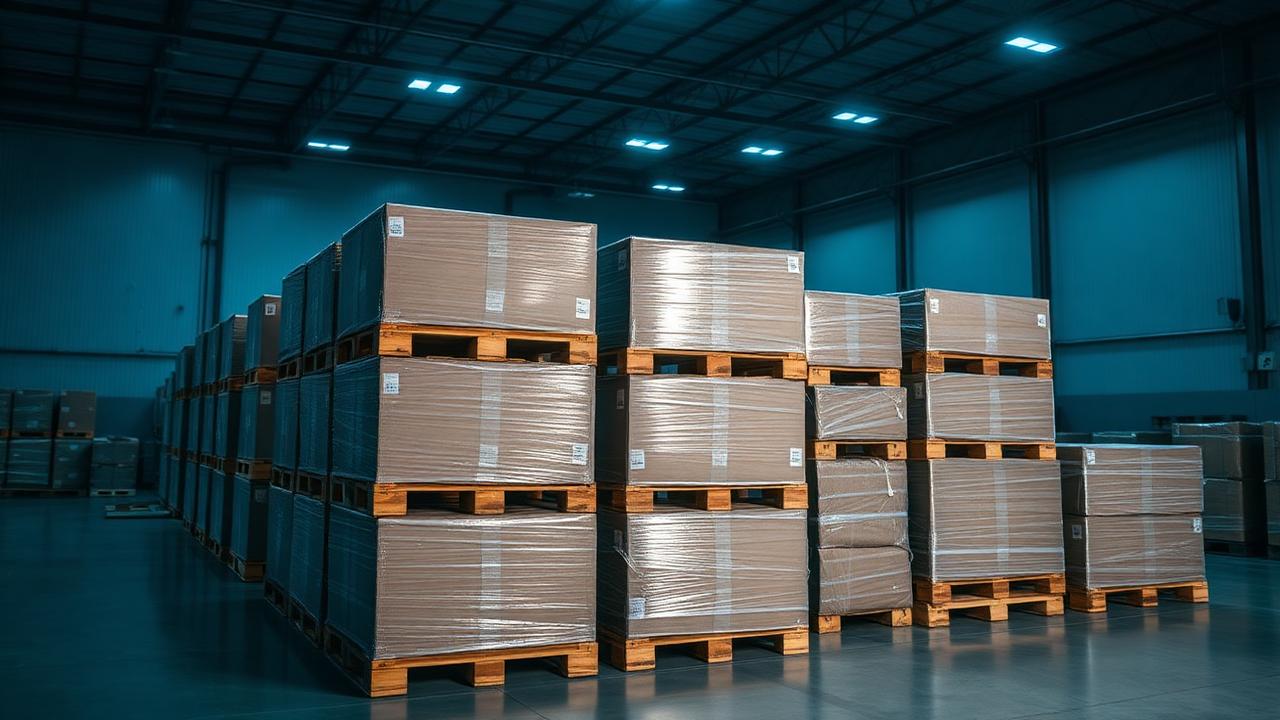
Last November, an LTL freight truck pulled up to my driveway with three seven-foot-tall shrink-wrapped gaylords straight out of an Indiana retail fulfillment center. The driver looked at my residential curb, looked at his 53-foot trailer, and raised an eyebrow. I paid $1,240 delivered for those unmanifested Target shelf-pulls and customer returns. Two days later, my garage smelled like lavender detergent from a leaked bottle, and I was staring at 400 individual items ranging from a untouched $180 Keurig to six smashed plastic storage tubs. If you want to know how to make money with mixed general merchandise pallets, you have to embrace the messy middle ground between fast volume sorting and ruthless trash disposal.
Mixed general merchandise is the bread and butter of the liquidation industry. These loads are rolled up from store returns, overstock, shelf-pulls, and box damage across dozens of categories. You get small appliances, bedding, toys, sporting goods, pet supplies, and seasonal home decor packed tightly into tall corrugated boxes on wooden skids. Because the inventory is diverse, you do not face the single-category crash that hits you when forty identical obscure air purifiers sit on your shelf for six months. However, the labor cost per item is significantly higher.
Understanding Liquidation Grades and Category Recovery Rates
Before bidding on a single lot, you must understand what is actually inside those cardboard boxes and what buyers on eBay, Mercari, and Facebook Marketplace will pay for it. Not every dollar of original retail price translates to resale cash.
Liquidation stock comes in four standard conditions:
- Grade A (Overstock / Shelf-Pulls): Unsold inventory removed from store shelves. Original packaging is intact, though it may feature markdown stickers or minor clearance tags. Target recovery rate sits around 35% to 50% of original retail.
- Grade B (Open Box): Customer returns where the product was opened, inspected, and sent back. The item works, but accessories or manuals might be loose in the box. Expected recovery is 25% to 40% of retail.
- Grade C (Used / Defective): Items showing clear signs of use, missing primary power cords, or bearing visible cosmetic damage. Recovery drops to 10% to 20%.
- Grade D (Salvage / Trash): Broken plastics, incomplete assemblies, and unsellable junk. Yield is zero, and you pay dump fees to discard it.
Recovery rates also vary dramatically by category. Small kitchen electronics and power tools hold a steady 30% to 45% recovery rate relative to MSRP. Household soft goods like sheets, curtains, and rugs fetch only 15% to 25%. Unbranded seasonal decor, costume apparel, and cheap open-box plastic organizers struggle to pull 8% to 15% after you deduct seller fees and shipping expenses.
Sourcing and Freight Breakdown: The Silent Profit Killer
Novice buyers spend hours analyzing item pictures on auction sites, win a pallet for $300, and then gasp when the checkout screen adds $350 for LTL freight. Freight charges are non-negotiable, and they apply whether your pallet contains gold bars or shattered toaster ovens.
Standard Less-Than-Truckload (LTL) base freight charges typically run $0.80 to $2.50 per mile, heavily influenced by regional fuel surcharges and carrier lanes. But the line-haul rate is only part of the bill. Brokerages and carriers add accessorial fees for anything outside a standard commercial loading dock setup:
- Residential Delivery Fee: $50 to $100
- Liftgate Service: $50 to $75
- Limited Access Fee (schools, storage units, rural farms): $30 to $60
- Fuel Surcharges: 15% to 30% of base rate
If you buy a single pallet for $300, and freight costs $300, your true cost basis per item doubles instantly. That is why serious resellers buy multi-pallet lots or full truckloads (24 to 26 pallets). Shipping 10 pallets on a dedicated flatbed or box truck compresses the per-pallet shipping cost from $300 down to $85, saving your margins before you touch a roll of packing tape.
Step-by-Step: How to Make Money with Mixed General Merchandise Pallets
To build a profitable workflow, treat your processing area like a fast-moving processing plant. Space and speed determine your hourly rate.
First, cut the shrink wrap and execute a triage pass. Set up three distinct staging zones in your workspace: Immediate Multi-Quantity Online, Local Cash Sales, and Testing/Repair.
Items that are lightweight, high-value, and easy to pack go straight to your online listing bench. eBay excels for obscure brand items and specific home replacement parts. Amazon works if you hold ungating privileges for brand-new shelf-pulls. Mercari is ideal for small home goods weighing under five pounds.
Heavy, bulky, or low-margin items belong on local marketplaces like Facebook Marketplace or OfferUp. Do not spend $18 to ship an open-box $30 plastic shoe rack. List it locally for $15 cash, meet at a nearby gas station, and keep 100% of the cash with zero platform fees or return risk.
Items requiring testing move to the workbench. Plug in the blenders, fill the coffee makers with water, check the power tools with a multi-meter, and verify remote controls respond. If an item takes longer than eight minutes to test and clean, and has a resale value under $25, move it to a clearance box or sell it in a wholesale mystery bundle.
Real World P&L: A $650 Mixed Merchandise Truck Spot
Let's walk through the actual math of a real unmanifested general merchandise lot bought off a regional retail liquidator to show how to make money with mixed general merchandise pallets without relying on luck.
Purchase and Import Costs
- Winning Auction Bid (2 Skids, 280 total items): $420.00
- Auction Buyer's Premium (10%): $42.00
- Base LTL Freight Charge: $185.00
- Residential + Liftgate Accessorials: $110.00
- Total Cost Basis (Landed): $757.00
Inventory Breakdown & Sales Performance
- Tier 1 (High Value Online): 18 items (Ninja Air Fryers, Nespresso machines, branded smart home hubs). Sold on eBay. Gross revenue: $980.00
- Tier 2 (Mid-Tier Local Cash): 60 items (cookware sets, rug runners, sports gear, curtains). Sold on FB Marketplace. Gross revenue: $540.00
- Tier 3 (Bulk Mystery Bundles): 110 items bundled into 11 mixed boxes of 10 items each. Sold locally to flea market sellers at $25 per box. Gross revenue: $275.00
- Tier 4 (Trash / Unsellable): 92 items (broken plastic bins, missing vital components, stained textiles). Discarded. Gross revenue: $0.00
Total Gross Revenue generated: $1,795.00
Direct Platform Fees & Expenses
- eBay Marketplace Fees (~13.25% + $0.30 per transaction): $135.20
- Out-of-pocket shipping subsidies (calculated over buyer pays): $82.00
- Packing supplies (boxes, bubble wrap, stretch film, tape): $35.00
- Waste disposal cost: $15.00
- Total Platform and Operating Overhead: $267.20
The Final Bottom Line
| Operational Metric | Amount |
|---|---|
| Gross Sales | $1,795.00 |
| Total Landed Purchase Cost | -$757.00 |
| Platform Fees & Operational Overhead | -$267.20 |
| Net Profit | $770.80 |
| Return on Capital Invested | 101.8% |
| Processing Labor Hours | 16.5 hrs |
| Effective Hourly Labor Yield | $46.71/hr |
This breakdown reflects reality: nearly a third of the items were garbage, another third yielded negligible wholesale cash, and just 18 high-performing electronics carried more than half the gross revenue. If you ignore freight, underestimate trash percentage, or overvalue low-tier items, that $770 net profit vanishes.
Comparing Sourcing Channels for General Merchandise
Knowing where to source determines whether you get clean customer returns or combed-over dumpster scraps. Here is how the primary supply channels stack up:
| Channel | Initial Capital Required | Risk Profile | Manifest Accuracy | Average Margin potential |
|---|---|---|---|---|
| Direct Retailer Auction | $1,500 - $5,000+ | Medium | High (Manifested) | 25% - 40% |
| Broker Marketplaces | $500 - $2,000 | High | Mixed | 20% - 35% |
| Local Wholesalers | $300 - $1,000 | Low | Low (Unmanifested) | 30% - 50% |
| Truckload Liquidators | $5,000 - $12,000 | High | Variable | 35% - 60% |
Direct retailer portals offer cleaner inventory, but require higher capital and business verification documents. Local wholesalers save you heavy freight expenses because you can pick up pallets on your own utility trailer, but they often strip out high-value electronics before re-wrapping the skids.
How This Goes Wrong: The Storage and Trash Trap
There is a classic failure pattern in liquidation reselling. It starts when a seller buys three cheap unmanifested pallets, fills their garage to the rafters, and lists the ten best items.
Those ten items sell fast, bringing in $400. The seller feels victorious. But 250 items remain sitting in the garage. Instead of discounting them to move them out fast, the seller hangs on to every open-box lampshade and off-brand phone case, pricing them at top dollar. Three months later, their workspace is completely blocked. They buy a second lot anyway, run out of home space, rent a $200/month storage unit, and suddenly their profit margin turns negative. They are paying cash to store retail garbage.
Avoid this trap by running a strict clearance schedule:
- If a listed item sits on eBay for 30 days without views, lower the price by 20%.
- If it sits for 60 days, drop it to cost-recovery pricing.
- At 90 days, move it into a cash-and-carry mystery box on Facebook Marketplace.
- If it doesn't move in a local bulk bundle within 14 days, scrap or donate it.
Your metric is velocity, not hypothetical maximum value. Inventory that does not move is liabilities sitting on your floor.
Using a manifest analysis tool like PalletIQ lets you process manifests fast before bidding, pointing out dead stock before you pay to ship it to your driveway.
Building a Sustainable Business Model
If you want to know how to make money with mixed general merchandise pallets over the long haul, focus on workflow metrics instead of raw sales revenue. Track your average listing time per item, monitor your true shipping costs down to the penny, and re-invest your early profits into space-saving pallet racking and basic testing gear.
Mixed general merchandise isn't passive income, and it isn't easy money. It requires disciplined sorting, continuous pricing adjustments, and a clear understanding of freight costs. But if you treat it like an operational pipeline, you can turn retail returns into a consistent, scalable resale operation.
How much money do I need to buy my first mixed merchandise pallet?
You should have at least $800 to $1,000 set aside. While you might win an auction bid for $250 to $350, shipping and residential delivery fees will easily add $300 to $400 to your total landed cost basis. You also need cash reserves for shipping supplies and initial box stock.
What is a normal net profit margin for general merchandise pallets?
A healthy net margin after shipping, platform fees, taxes, and trash disposal falls between 25% and 40% of gross revenue. If you process multi-pallet lots locally and minimize freight expenses, your net ROI on invested capital can exceed 80% to 100%.
Should beginners start with manifested or unmanifested loads?
Beginners should start with manifested loads. A manifest lets you calculate expected retail values, identify heavy shipping items, and forecast profit potential before spending money. Unmanifested lots carry higher profit ceilings per dollar spent, but require experience to evaluate visually and price accurately.
Pallet IQ Editorial Team
We buy, grade and resell liquidation pallets, then turn what we learn into the tools on Pallet IQ. Every guide here comes from real manifests, real bids and real sell through numbers.
Written August 11, 2026, last reviewed October 19, 2026