Best Places to Buy Direct Liquidation Pallets
Middlemen wipe out your margin before the truck even rolls. Here is where to source direct from major retailers, dodge broker markups, and protect your cash flow.
By Pallet IQ Editorial Team
Published · Updated
 Pallet Sourcing
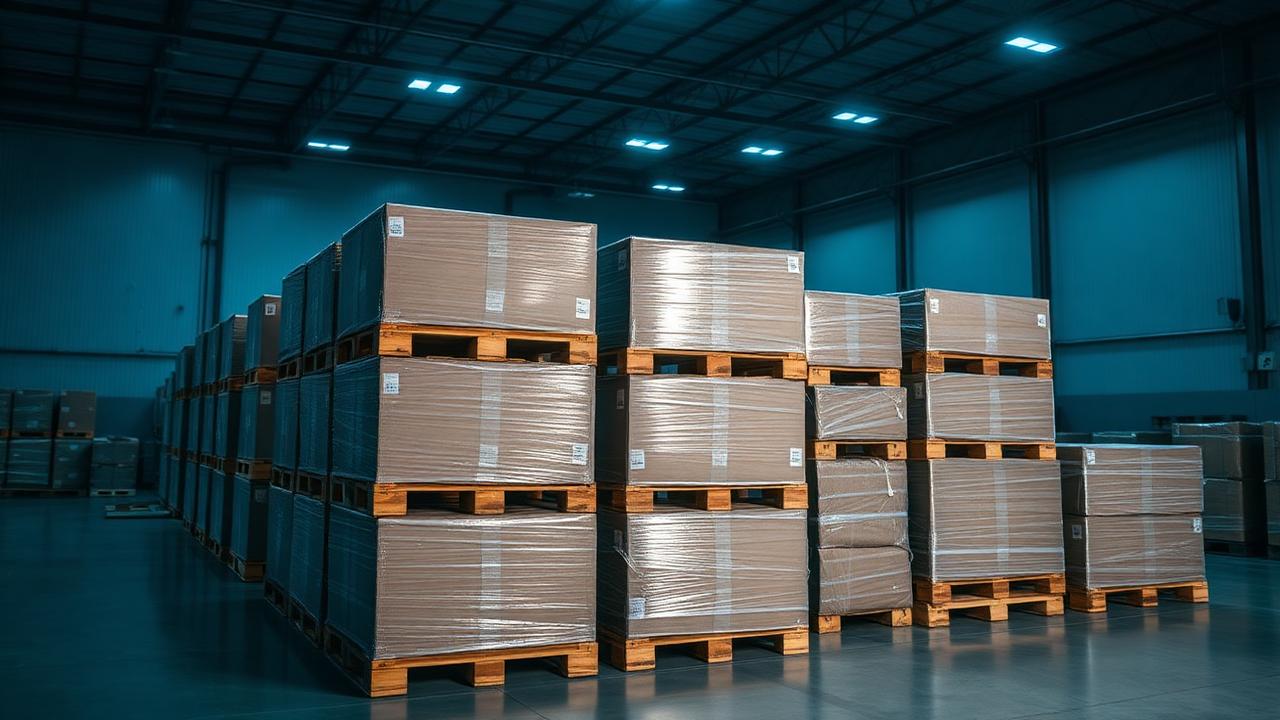
A freight truck backed down my driveway three years ago and dropped a pallet of outdoor power equipment that destroyed my entire quarter. I paid $1,100 to a local broker who swore it was clean customer returns from a big-box store. Half the boxes were stuffed with discarded rags, broken mower decks, and missing engines. The broker had stripped the working string trimmers, repacked the junk, and charged me a $400 markup for the privilege.
That loss forced a change in strategy. If you buy through middleman liquidators, you pay their overhead and take their leftover garbage. Finding the best places to buy direct liquidation pallets means cutting out the broker so you buy directly from the retailer's regional distribution center. According to NRF returns research, retailers faced over $743 billion in merchandise returns in a single year. They do not want this inventory sitting in their warehouses, and they host public auction portals to clear it fast.
To make money in this business, you need to understand where those portals live, how freight changes your math, and when to walk away from a bad manifest.
Direct Retailer Portals vs. Middlemen Brokers
When a customer returns a blender to a store, that unit goes into an unmanifested truckload or gets stacked onto a pallet at a regional hub. Retailers usually handle these items in two ways. They either contract with major liquidators or run their own official auction storefronts.
If you buy from a broker, you buy second-hand or third-hand inventory. Brokers buy full truckloads direct from national chains, unload them at their local warehouse, pull out high-value electronics, and re-strap the rest. They take their cut, then sell the remaining lot to you at a inflated base price.
When you buy direct from retailer portals, you bid on the lot exactly as the warehouse team wrapped it. The price is lower, the manifest detail is higher, and nobody has skimmed the top items. You can check our liquidation marketplace comparison to see how direct channels stack up against secondary auctions.
Most direct retailer portals are operated behind the scenes through B-Stock Solutions. You bid on official sites like Target Restock Auctions, Home Depot Liquidation Auctions, or Walmart Restock Auctions, but the infrastructure is managed by B-Stock. You get direct access to official liquidation stock without dealing with local lot-flippers.
Comparing the Best Places to Buy Direct Liquidation Pallets
Not every retail portal yields the same profit. Some stores generate clean box overstock, while others clear out heavily abused customer returns. Here is how the top direct programs compare for small-to-midscale resellers.
| Retailer Direct Portal | Main Categories | Manifest Quality | Average Recovery Rate | Best For |
|---|---|---|---|---|
| Target Restock Auctions | Small appliances, apparel, home goods | Fully manifest with UPCs | 25-35% | General merchandise sellers |
| Home Depot Liquidation | Tools, hardware, lawn & garden | Partial or fully manifested | 30-45% | Repair technicians and local sellers |
| Walmart Restock Auctions | Mixed electronics, toys, household | Fully manifested | 20-30% | High-volume online marketplace sellers |
| Amazon Bulk Liquidations | Mixed media, small tech, office | Fully manifested | 15-25% | FBA re-packagers and eBay sellers |
| Wayfair Liquidation | Furniture, lighting, home decor | Fully manifested | 20-35% | Regional freight handlers with warehouse space |
If you sell tools, Home Depot direct lots are historically solid. Power tools hold their value even when dirty, and historical recovery rates on tool lots frequently reach 35% or higher. If you prefer high unit counts with lower shipping weights, Target small appliance lots out of their Midwest or Southern distribution centers offer predictable returns.
Before placing a bid on any of these platforms, check our list of liquidation pallets by retailer to pinpoint which regional hubs ship closest to your location.
The Real Numbers: A Direct Pallet P&L Breakdown
Let us look at a real transaction. This was a 42-unit mixed small-appliance lot sourced directly from a Target regional facility in Indiana. The manifest listed countertop mixers, coffee makers, and digital air fryers with a total original retail value of $4,150.
Winning auction bid: $620 Target facility processing fee: $35 LTL freight charge: $240 Residential liftgate delivery fee: $65 Total Landed Cost: $960
Now look at the actual math after processing, cleaning, testing, and listing the items on eBay.
- Total manifest MSRP: $4,150
- Sellable units after testing: 33 items (80% yield)
- Scrapped or broken units: 9 items (20% trash rate)
- Gross resale revenue across 33 items: $1,480
- Marketplace fees at ~13.25% plus $0.30/order per eBay seller fees: $206
- Individual shipping supplies and box costs: $45
- Total gross costs: $960 landed cost + $206 platform fees + $45 packing = $1,211
- Net Profit: $269
That is an 22.2% return on total capital invested. On paper, $4,150 of retail product for a $620 bid sounds like a steal. In reality, freight fees, trash rates, and platform fees eat two-thirds of your expected top-line resale value.
Run your numbers through our pallet ROI calculator before bidding. If your landed cost exceeds 25-30% of original MSRP on mixed returns, your profit margins disappear fast.
How Buying Direct Goes Horribly Wrong
Buying direct eliminates the broker markup, but it introduces a different set of risks. Retailers do not care about your warehouse space or your operating margins. They want dock space cleared immediately.
Here are three specific failure points that catch direct buyers off guard:
- Freight Accessorials Kill the Margin. Less-than-truckload (LTL) carriers love add-on fees. If you ship a pallet to your home or a facility without a loading dock, you get charged extra. A simple $200 LTL quote jumps instantly if you need residential delivery ($50-$100 extra) or a liftgate truck ($50-$75 extra) according to standard FedEx Freight accessorial rules. Always calculate these expenses using our shipping cost calculator before setting your auction limit.
- Manifest Inflation and Phantom MSRPs. Retailers list the original, full MSRP on manifests. If an item was on sale for $40 brand new at Christmas, the manifest will still list it at the launch MSRP of $99. Relying on original retail value to set your bid is a guaranteed way to lose money. Test the real secondary market prices on active platforms using a manifest analyzer tool.
- Volume Overload. Direct auctions frequently ship two, four, or six pallets at once. If you win an eight-pallet lot out of an Amazon distribution point and work out of a two-car garage, you will run out of floor space before you process half the inventory. Speed determines cash flow. If you take three months to list a lot, your capital sits frozen while platform fees and store rent tick away.
How to Bid on the Best Places to Buy Direct Liquidation Pallets
Winning direct auctions requires patience and rigid discipline. Beginners get emotional in the final five minutes of an auction and overpay. Experienced liquidation buyers pick a hard bid ceiling and stick to it.
Start by calculating your absolute maximum bid. Take the total realistic resale value of the manifest, multiply it by an assumed 30% category recovery rate, subtract estimated LTL shipping and platform fees, and set your limit. You can use our automated maximum bid calculator to compute this cap automatically.
When reviewing manifests on sites like Liquidation.com, look at the seller location. Sourcing a $400 pallet from a facility 50 miles away will always beat sourcing a $200 pallet from three states over. Distance is the hidden killer in direct liquidation math.
Once your pallet arrives at your shop, sort fast. Group items into four piles:
- Grade A: New in box, ready for cross-listing using a listing generator.
- Grade B: Open box or dirty, requires 5 minutes of cleaning and testing.
- Grade C: Missing accessories or minor cosmetic flaws, sell locally for cash.
- Grade D: Scrap, keep for spare parts or toss.
Processing a pallet within 48 hours keeps your working capital moving. Stacking uninspected pallets against your warehouse wall leads directly to business failure.
Before you bid on high-volume direct auctions, read through our comprehensive buying decision guide to review all physical storage and labor requirements.
If you stick to verified portal storefronts, calculate complete landed costs upfront, and stay disciplined when bidding on the best places to buy direct liquidation pallets, you can build a consistent, profitable reseller pipeline without ever paying a broker fee.
FAQ
Do I need a business tax ID to buy direct from major retailer portals?
Yes. Almost every official direct liquidation program, including B-Stock storefronts, requires a valid state resale certificate and business tax ID. This allows the retailer to sell inventory to you tax-free for resale purposes. Unlicensed hobby sellers generally cannot buy direct from major chain distribution centers.
Why is direct freight so expensive for single pallets?
LTL carriers charge a flat base price just to back a truck up to a warehouse bay. Moving one 400-pound pallet often costs $200-$300, whereas moving four pallets on the same lane might only cost $400-$450. Direct buying becomes significantly more profitable when you buy multiple pallets per shipment to spread out the freight cost.
How do I know if a direct manifest is unsearched?
When buying directly from official retailer portals like Target, Home Depot, or Walmart Restock, the inventory comes directly from their distribution center floor without passing through an intermediary. While retail employees may consolidate items onto pallets, they are not sorting out valuable tech to resell separately like third-party brokers often do.
Pallet IQ Editorial Team
We buy, grade and resell liquidation pallets, then turn what we learn into the tools on Pallet IQ. Every guide here comes from real manifests, real bids and real sell through numbers.
Written September 1, 2026, last reviewed October 19, 2026