How to Make Money With Beauty Product Pallets
Beauty liquidations offer huge margins, but broken glass and expired SPF can erase your profit fast. Here is how working liquidators evaluate, clean, and flip health and beauty lots.
By Pallet IQ Editorial Team
Published · Updated
 Reseller Strategy
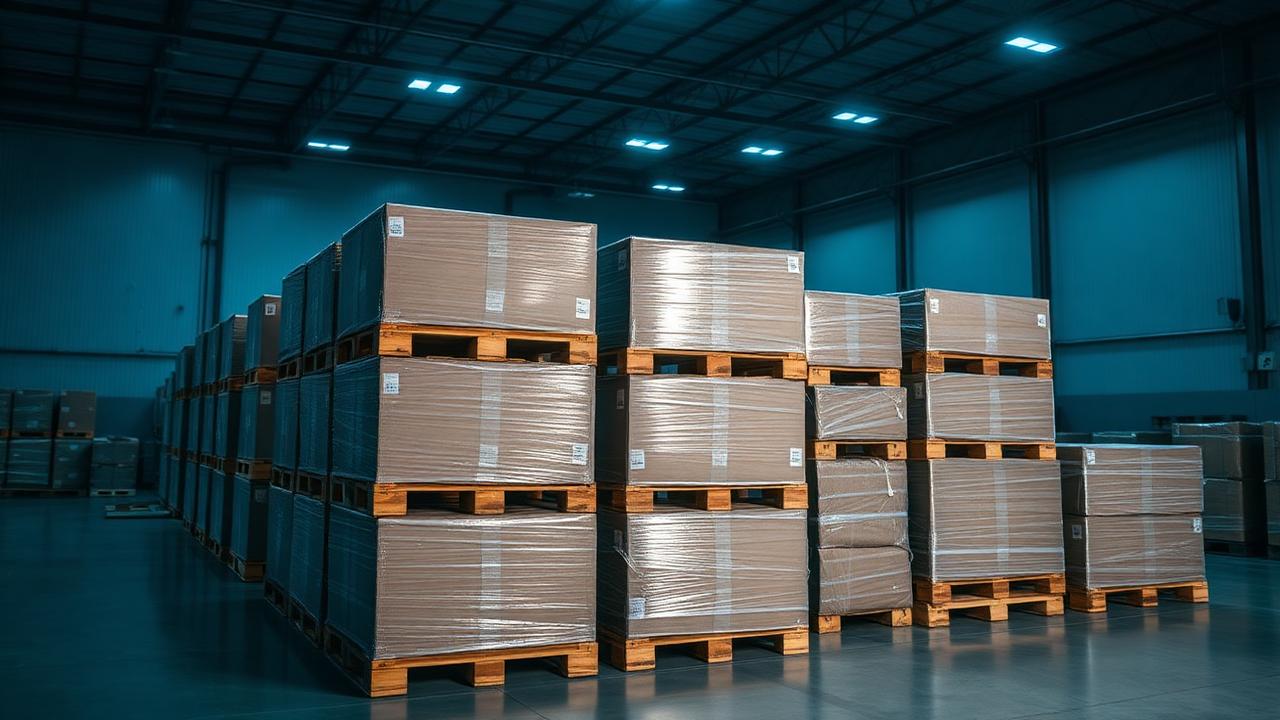
Three years ago, a four-pallet haul of drugstore cosmetics out of an Indiana return center landed on my warehouse driveway. I paid $1,400 for the lot and thought I had hit the jackpot. Then the driver cut the shrink wrap. A single broken bottle of glycolic acid serum had leaked through three tiers of boxes, coating hundreds of mascara tubes in sour, sticky slime. Processing that load took twenty-two grueling hours of wiping down plastic caps with warm water and isopropyl alcohol. That mess was my masterclass in how to make money with beauty product pallets without going broke or losing your sanity.
Beauty product pallets are enticing because retail markup on health and beauty items is absurdly high. A moisturizer that costs three dollars to produce sells for forty dollars at a department store counter. When those items hit liquidation channels, you can often grab them for pennies on the dollar. But cosmetics carry unique risks that do not apply to hard goods like drills or toaster ovens. Liquids spill, powders shatter, active ingredients expire, and major brands defend their trademarks viciously.
Shelf Pulls Versus Customer Returns
If you buy raw customer returns in this category, you are begging for a disaster. People open facial creams, stick their fingers in them, try them once, and return them. You cannot resell a used jar of eye cream on any reputable platform. It is a health hazard and an instant account suspension waiting to happen.
Focus your capital on shelf pulls, overstock, and closeouts. Shelf pulls are items removed from store displays to make room for new inventory cycles or seasonal line changes. The outer boxes might have sticker residue or dinged corners, but the inner seals remain intact. Overstock means the distribution center simply had too many units and needed to clear warehouse bays.
| Source Grade | Intact Seals | Prep Labor Needed | Expected Recovery Rate |
|---|---|---|---|
| Retail Overstock | 95-99% | Very Low | 35-50% |
| Shelf Pulls | 80-90% | Moderate | 25-35% |
| Store Returns | 30-50% | Extreme | 8-15% |
| Salvage / Damaged | Under 30% | High | 5-10% |
How to Make Money With Beauty Product Pallets Without Getting Buried in Damaged Goods
Before you bid on a lot, you have to read the manifest like a detective inspecting a crime scene. A cosmetics manifest usually lists brand names, item descriptions, UPCs, and estimated retail values. Do not trust the estimated retail values. Liquidators often use original manufacturer suggested retail prices from five years ago to make the lot look more valuable than it is.
Look closely at unit concentration. A pallet with two thousand lipsticks sounds fantastic until you realize it contains two thousand units of the exact same shade of bright green novelty lip gloss that failed to sell during Halloween four years ago. You will never move that volume at full price. Diversity of shade and product type matters immensely.
Using a manifest analysis tool like Pallet IQ helps you catch those skew-heavy lots before you place a bid. Look for mix loads that feature balanced ratios of daily staples like shampoo, body lotion, and premium skincare serums.
Check for liquid limitations and glass contents. Pallets packed with glass foundation bottles or nail polish jars have higher loss rates during LTL freight transit. If a freight truck rides rough over two hundred miles of potholed highway, glass-heavy boxes act like hammers against each other.
Calculating Real Returns: How to Make Money With Beauty Product Pallets
Let us run through a real-world scenario from a lot I bought last season. This was a single manifested shelf-pull pallet sourced from a regional pharmacy chain distribution hub.
The Manifest and Upfront Costs
The manifest listed 850 total items with a claimed retail value of $9,200. The winning bid on the liquidation auction site was $1,150.
Freight costs will destroy your profit margins if you do not plan for them. Base LTL freight ran $240. Because my shop does not have a commercial loading dock, I had to pay a $60 liftgate accessorial fee and a $50 limited-access delivery fee. Total landed cost for the pallet came to $1,500.
That puts the average cost basis per unit at roughly $1.76.
Sorting and Unsalable Units
Once the pallet arrived, we sorted every single item into three distinct bins:
- Grade A: Perfect condition, sealed inner packaging, current expiration dates.
- Grade B: Outer box damaged or missing, but inner seal intact and clean.
- Trash: Broken seals, expired active ingredients, leaking bottles, shattered powders.
Out of 850 items, 110 units went straight into the trash or recycling bin. That sounds brutal, but a 13% loss rate is actually quite clean for cosmetics shelf pulls. That left us with 740 sellable items, driving our actual cost basis per sellable unit up to $2.03.
Revenue Breakdown by Sales Channel
We split the inventory across three channels based on item velocity and brand rules.
First, we took 80 high-end skincare serums (brands like CeraVe, La Roche-Posay, and Neutrogena) that had perfect outer packaging. We listed these individually on eBay. They sold over six weeks at an average price of $16.50 per unit.
Gross revenue: $1,320 eBay fees (~13.25% + $0.30 per transaction): $199 Shipping costs (paid by buyers or built into price): $360 Net channel yield: $761
Second, we took 460 mass-market makeup items, mascaras, lipsticks, and eyeliners, and built lot bundles of 10 items each. We sold these on Mercari and through live shopping streams on Whatnot for $25 per bundle.
Gross revenue (46 bundles): $1,150 Platform fees (~10-12% average): $132 Packaging materials (bubble mailers and tissue paper): $46 Net channel yield: $972
Third, we took the remaining 200 items (mostly shampoo, conditioner, body wash, and lower-tier lotion with minor cosmetic box wear) and sold them in bulk to a local flea market vendor at $3.50 per bottle cash.
Gross revenue: $700 Fees and shipping: $0 Net channel yield: $700
Final P&L Statement
- Total Gross Revenue: $3,170
- Total Platform Fees & Supplies: $377
- Freight & Liftgate Charges: $350
- Initial Lot Purchase Price: $1,150
- Total Expenses: $1,877
- Net Profit: $1,293
We turned a $1,500 total cash investment into $2,793 net cash back in eight weeks. That represents an 86% return on investment. But it took about fifteen hours of labor across sorting, cleaning, testing seals, listing, and packing.
Expiration Dates and HAZMAT Restrictions
Cosmetics are strictly regulated, and ignoring safety rules will destroy your business faster than bad freight rates. You must check every product for active ingredients and expiration dates.
Sunscreen, acne treatments, anti-aging creams with retinol, and anything containing SPF are classified as over-the-counter drugs by the FDA. Selling expired SPF products on Amazon or eBay will get your merchant account banned permanently. If a package lacks an explicit expiration date, look for the open-jar symbol printed on the back. It shows a small number followed by an M, such as 12M or 24M. This tells you how many months the product remains safe after opening.
If the outer safety seal is broken, you cannot verify if it was opened. Toss it.
Aerosols present another hurdle. Dry shampoos, hairsprays, and spray sunscreens are hazardous materials due to pressurized flammable propellants. Freight carriers charge extra HAZMAT handling fees for shipping large quantities of aerosols. Furthermore, you cannot ship aerosols using standard air transport options through the postal service. Everything must travel via ground delivery.
Brand Gating and VERO Threats
Major beauty conglomerates protect their authorized distribution networks aggressively. Brands like Estée Lauder, L'Oréal, and Clinique actively monitor online marketplaces for unauthorized sellers.
When you list a premium beauty item on eBay, you run the risk of receiving a VERO (Verified Rights Owner) takedown notice. A VERO notice claims you are selling potential counterfeits or violating intellectual property rights. If you receive too many notices, eBay suspends your account.
To protect yourself, never list liquidation cosmetics as brand new with full manufacturer warranties. Use accurate descriptive language like new old stock, shelf pull, or damaged packaging. Keep your liquidation purchase invoices on hand. While an auction invoice might not satisfy a brand owner demanding an authorized distributor agreement, it proves to platform moderators that you bought legitimate surplus inventory rather than counterfeit goods.
For heavily gated brands, avoid online marketplaces altogether. Sell those items in person at local flea markets, community yard sales, or through local buy-sell-trade groups where brand enforcement attorneys do not operate.
How This Goes Wrong
The most common failure mode in beauty liquidation buying is the liquid container nightmare. A single bottle of acetone or high-concentration peroxide ruptured inside a mixed pallet will dissolve plastic caps, erase printed barcodes, and destroy cardboard containers across half the pallet.
Imagine spending $1,200 on a box load, cracking the top lid, and being greeted by the smell of crushed nail polish remover. The chemical solvents break down the adhesive on labels, turning hundreds of loose items into unidentifiable, sticky cylinders with no scannable barcodes.
When this happens, your cost basis per unit triples instantly because your volume of sellable goods drops from 800 items to 200 items. You spend hours washing bottles in a utility sink, using Goo Gone to lift melted glue, and re-labeling products manually. If you do not account for a minimum 15-20% loss rate on liquid-heavy pallets, your profit margin vanishes before you sell a single tube of lipstick.
Frequently Asked Questions
Can I sell beauty liquidation items on Amazon?
Selling beauty items on Amazon through Fulfillment by Amazon (FBA) is difficult for resellers buying liquidation pallets. The Health & Personal Care category is heavily gated, requiring invoices directly from brand manufacturers or primary distributors. Liquidator receipts rarely clear Amazon gating requirements. Most resellers stick to eBay, Mercari, Whatnot, or local cash sales.
How do I safely clean dirty shelf-pull cosmetics?
Use 70% isopropyl alcohol on a microfiber cloth to wipe down plastic tubes, compact cases, and glass bottles. The alcohol cuts through grease and sticker residue without damaging plastic, and it evaporates quickly without affecting product seals. Avoid using soaked towels near cap seams so liquid does not seep under inner caps.
What equipment do I need to process beauty pallets efficiently?
Get a barcode scanner, an accurate digital scale, 70% isopropyl alcohol, microfiber towels, Goo Gone spray, clear bubble wrap, and a heat gun with shrink bands. Safety bands are critical; if an outer box is crushed but the inner bottle is intact, applying a clear shrink band shows your buyer the item is un-tampered and clean.
Is it better to sell beauty items individually or in bulk bundles?
Sell items worth over $12 individually on platforms like eBay or Mercari. For lower-value cosmetics like drugstore lipsticks, nail polishes, and single eyeliners worth $3 to $5 each, build themed bundles of five to ten items. Bundling saves on platform transaction fees and shipping labor, allowing you to move high unit volumes quickly.
Pallet IQ Editorial Team
We buy, grade and resell liquidation pallets, then turn what we learn into the tools on Pallet IQ. Every guide here comes from real manifests, real bids and real sell through numbers.
Written August 26, 2026, last reviewed October 19, 2026