How to Inspect Shelf Pull Pallets Without Getting Burned
A veteran reseller breaks down how to spot hidden damage, expired goods, and sticker disasters on shelf pull pallets before and after you bid.
By Pallet IQ Editorial Team
Published · Updated
 Liquidation Sourcing
Three pallets of big-box drugstore cosmetics sat on our dock in Jacksonville last October. The auction listing swore everything was pristine overstock. What actually rolled off the LTL trailer was 420 units of liquid foundation with yellow clearance stickers slapped over the barcodes, 60 shattered bottles of nail polish, and a tub of hair gel that had burst under two layers of stretch wrap. We ate a $600 loss on that run. Knowing how to inspect shelf pull pallets before you wire your hard-earned cash is the single biggest skill separating profitable resellers from people holding trash they cannot sell.
Many buyers confuse a shelf pull with a customer return. They are not the same thing. Customer returns have been taken home, opened, plugged in, or worn by a buyer before being dragged back to the service desk. Shelf pulls were pulled straight off the retail rack to make room for new inventory. That sounds clean on paper. In reality, retail workers throw these items into giant gaylords, drag them across regional distribution centers, and stack heavy boxes on top of fragile blister packs. According to NRF returns research, retail inventory churn creates millions of tons of excess stock every year, but getting your cut requires careful inspection.
What Shelf Pulls Actually Look Like on the Floor
Do not expect pristine retail display boxes. A typical shelf pull lot contains stock that sat through three clearance markdown cycles. You will find price tags layered on top of each other, spider wire marks pressed into cardstock, and minor shelf wear from hundreds of shoppers handling the box.
Categories behave differently too. Apparel shelf pulls might have missing hangtags or dust along the shoulder seams from hanging on racks for six months. Category recovery rates reflect this reality. According to our recovery rate report, apparel shelf pulls typically net 12-20% of original MSRP, while small kitchen appliances or power tools pull 30-45%.
If you buy health and beauty shelf pulls, expect liquid leaks and short expiration dates. If you buy electronics, expect broken security seals where store clerks removed anti-theft tags. The stock is usually functional, but the outer packaging takes a beating.
How to Inspect Shelf Pull Pallets Using Auction Manifests
Your first inspection happens on your screen long before a truck drives up to your dock. You have to read between the lines of the manifest provided on platforms like B-Stock or Liquidation.com.
Start by plugging the manifest into a manifest analyzer. A raw CSV file with 500 lines tells you very little until you categorize the items by brand, resale velocity, and estimated item weight. Look for these specific signals on the manifest:
- Generic item descriptions: Words like "Assorted Health & Beauty" without UPCs mean the liquidator is dumping unsorted salvage, not clean shelf pulls.
- High concentration of low-value SKUs: If 70% of the pallet consists of $2 retail stocking stuffers, your labor cost to list them will wipe out your margin.
- Missing expiration dates: Drugstore items without lot numbers or exp dates listed are a major red flag.
- Mismatched retailer sources: Checking liquidation pallets by retailer helps you spot whether a manifest matches standard department store staging or a low-end liquidator's re-sorted scraps.
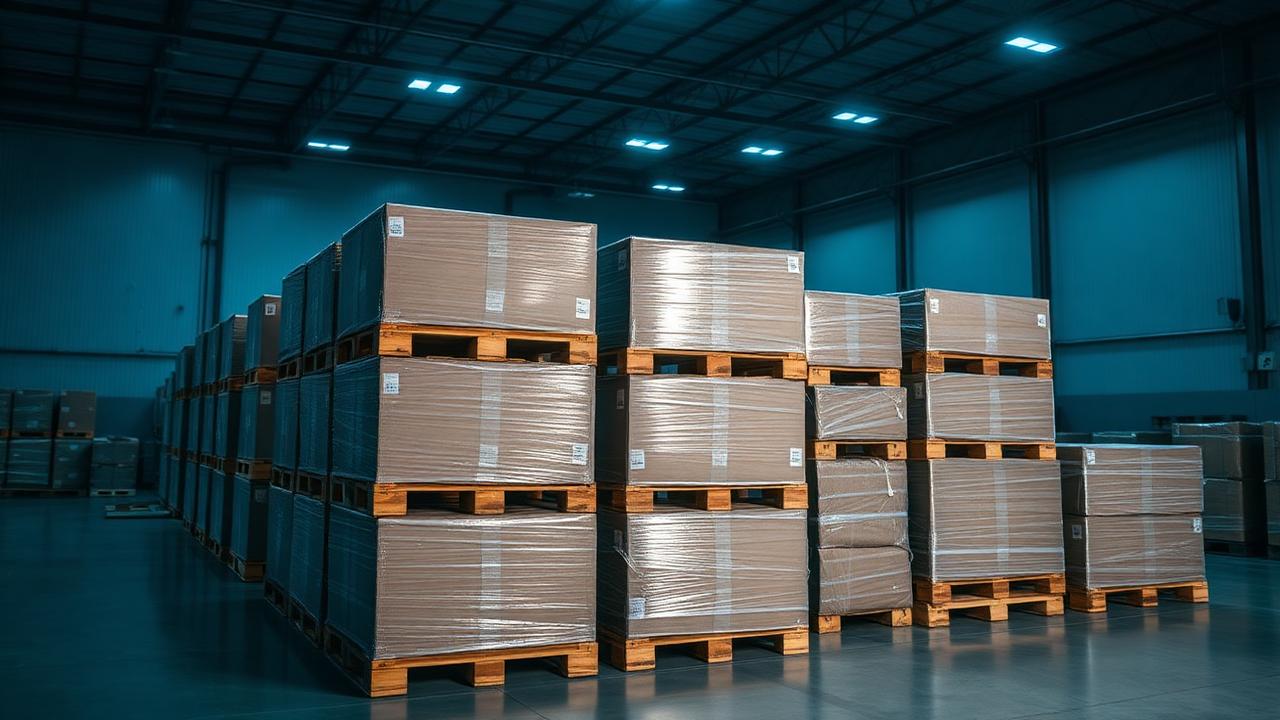
When reviewing photo listings, zoom in on the corners of the pallet. Look at the bottom layer of boxes. If the bottom cartons are crushing inward, the goods inside those bottom three feet are likely crushed too. Look closely at the shrink wrap. Tight, professional machine wrapping with original retailer tape indicates the pallet came straight from the distribution facility. Loose, hand-wrapped stretch film with clear tape means a middleman already picked through it.
How to Inspect Shelf Pull Pallets on the Warehouse Floor
When the freight truck pulls up, your real job begins. You do not just sign the bill of lading and wave the driver goodbye. Once you sign that driver slip clean without noting damage, your freight carrier will reject any claim you file later.
Follow this four-step physical inspection process every single time:
- Check the external wrap before offloading: Stand on the truck bed or dock leveler. Inspect the pallet wrap for tears, wet spots, or retaping. If a liquid bottle broke inside, you will often see dried crust or fluid staining the cardboard at the bottom.
- Inspect the pallet base: Standard wood pallets should be sturdy. Split runners or broken deck boards mean the pallet was dropped or tilted on a forklift, which smashes fragile bottom inventory.
- Cut the wrap and pull sample boxes: Do not just look at the outside corners. Dig three layers deep into the middle of the pallet. That is where bad operators hide damaged goods or lower-value junk items.
- Test seal integrity and clearance labels: Pull ten random items. Check if safety seals are broken. Check if clearance stickers cover the UPC barcode. If a store sticker covers the barcode, factor in the extra labor cost to peel or cover it before reselling.
| Attribute | Grade A Shelf Pull | Grade B Shelf Pull | Grade C Salvage Pull |
|---|---|---|---|
| Packaging Condition | Light shelf wear, 95% intact | Moderate denting, retail stickers present | Heavy box damage, torn blister packs |
| Safety Seals | 98%+ fully intact | 85-95% intact | Under 80% intact, open containers |
| Expiration Dates | 6+ months remaining | 2-5 months remaining | Expired or missing lot codes |
| Resale Channels | Amazon FBA, eBay, Poshmark | eBay, Mercari, Local Flea Market | Local discount bin, salvage lot |
| Target Recovery Rate | 35-50% MSRP | 20-35% MSRP | Under 15% MSRP |
Real Math on a 300-Unit Drugstore Shelf Pull Lot
Let us run a full P&L example so you can see how inspection findings directly hit your bottom line. We recently reviewed a 300-unit shelf pull lot of name-brand skincare and personal care from a major pharmacy chain.
Initial figures on paper:
- Retail value (MSRP): $4,500
- Winning auction bid: $550
- Freight shipping: $210 (calculated using LTL rates from FedEx Freight plus liftgate service)
- Total cost basis: $760 ($2.53 per unit)
Upon physical inspection, we discovered the following breakdown:
- 200 units were Grade A condition (ready for immediate online listing).
- 50 units had heavy sticker residue covering barcodes (required 2 minutes each of cleaning labor).
- 30 units were within 30 days of expiration (could not be sent to FBA, needed quick local bundle sale).
- 20 units were leaked or broken (zero value, thrown in the trash).
Here is the resulting cash flow:
- Grade A Sales: 200 units sold on eBay at $14 average = $2,800 gross sales
- Grade B Cleaned Sales: 50 units sold on Mercari at $10 average = $500 gross sales
- Short-date Bundles: 30 units sold locally in 3 bundles = $120 gross sales
- Total Gross Revenue: $3,420
Now subtract costs:
- Item & Freight Cost Basis: $760
- Marketplace Fees (~13.25% + $0.30 transaction fees via eBay seller fees): $440
- Outbound Shipping Supplies & Labels: $580
- Total Expenses: $1,780
Net Profit: $3,420 minus $1,780 = $1,640 net profit.
You can run your own numbers prior to bidding with our pallet ROI calculator to make sure freight and expected scrap rates do not eat your margin alive. Plug your estimated fee overhead into a marketplace fee calculator before putting down money.
How This Goes Wrong: The Expiration and Sticker Trap
The most common failure mode on shelf pull pallets is ignoring non-visible defects during your initial review. A pallet can look neat and organized, but still wreck your bank account if you miss expiration dates or store tags.
A buyer in our network bought two pallets of premium sunscreens from a liquidation portal. The manifest showed a high retail value. When the shipment arrived, every single bottle was three weeks away from its expiration date. Major platforms like Amazon FBA immediately flag and destroy short-dated topical products. eBay buyers will leave negative feedback or open return requests if you send cosmetics that expire within a month. He was forced to sell the entire lot at a local flea market for $0.50 on the dollar, taking a massive net loss after paying freight.
The second trap is clearance sticker placement. Retailers love using high-tack red or yellow stickers. If those stickers sit over the product UPC, barcode scanners at fulfillment centers will read the wrong code or reject the item entirely. Peeling off 300 sticky labels using Goo Gone and razor blades adds hours of labor. If your labor cost is $20 per hour, spending 10 hours prepping a single pallet cuts $200 directly out of your net return. Always calculate your estimated processing speed with a sell-through calculator before assuming a lot will turn into quick cash.
Final Rules for Buying Smart
Never buy a shelf pull lot based on original MSRP alone. MSRP is a fantasy anchor number created by retail marketing departments. Look at actual historical sold listings on eBay and Mercari to see what real buyers pay for items in distressed boxes.
If you are new to the business, review our comprehensive buying decision guide before placing a bid on your first wholesale lot. If freight costs seem high for your region, check for regional facilities using pallet liquidators by city to source lots closer to home and cut freight in half.
When you master how to inspect shelf pull pallets, you stop gambling on mystery boxes and start running a consistent, predictable liquidation business.
FAQ
Are shelf pull pallets better than customer return pallets?
Generally yes, because shelf pull items were never owned or used by consumers. They usually have lower defect rates (typically 5-10% scrap versus 20-35% on returns). However, shelf pulls often suffer from box wear, clearance sticker residue, and shorter expiration dates on perishable or cosmetic goods.
How do I remove retail clearance stickers without damaging the box?
Use a heat gun or hair dryer on low heat for 5-10 seconds to soften the adhesive before peeling slowly at a 45-degree angle. For glossy boxes, a small drop of lighter fluid or sticker remover on a microfiber cloth dissolves remaining residue without soaking through the cardboard.
Can I sell shelf pull items as "New" on Amazon or eBay?
On eBay, you can list them as "New" or "New (Other)" depending on packaging condition. On Amazon, packaging must be pristine with intact original seals. If the retail box is dented, torn, or stickered, you should list it as "Used - Like New" or sell it on secondary channels like Mercari, Poshmark, or Whatnot to protect your account health.
Pallet IQ Editorial Team
We buy, grade and resell liquidation pallets, then turn what we learn into the tools on Pallet IQ. Every guide here comes from real manifests, real bids and real sell through numbers.
Written September 4, 2026, last reviewed October 19, 2026