How to Flip Walmart Liquidation Pallets for Profit
Walmart liquidation looks tempting until four pallets of smashed toaster ovens hit your driveway. Here is the math on how we actually flip these lots.
By Pallet IQ Editorial Team
Published · Updated
 Resale Strategy
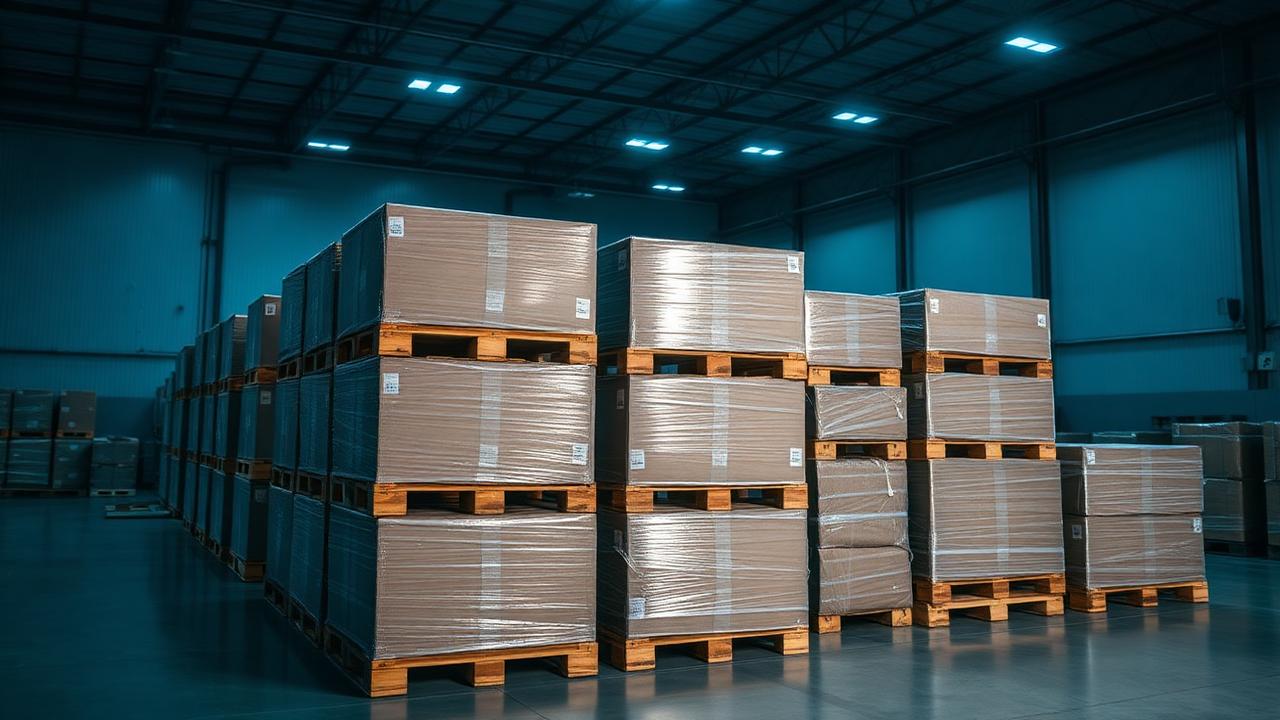
In November 2022, a straight truck backed into our gravel lot to drop off four pallets from a Bentonville, Arkansas distribution center. The manifest promised $14,000 in original retail value across 110 houseware and small appliance units. Our winning bid was $1,450. On paper, it looked like a slam dunk. In reality, thirty percent of the Ninja blenders were missing lids, two air fryers had melted housings, and freight ran us $540 because the carrier tacked on a residential drop charge we forgot to calculate. We made money, but only because we knew how to sell parts and list lower-tier items locally. If you want to learn how to flip walmart liquidation pallets, throw out the dream of effortless profit and start doing harsh math.
Walmart generates millions of dollars in customer returns and overstock every week. Their stock hits the secondary market through primary auction channels like B-Stock Solutions or through regional liquidation brokers. Understanding how to grade these manifests, calculate landed cost, and route inventory to the right sales channel is the difference between making a full-time living and clogging your garage with broken plastic.
Where Walmart Liquidation Originates and How Grades Work
Not all Walmart pallets are built the same. Before you place a single bid, you must understand where the inventory comes from and how the industry grades condition.
Grade A and B lots consist of overstock, seasonal shelf pulls, and box-damage inventory. You pay a higher percentage of original retail value, often 18% to 30% of original MSRP, but you spend almost zero time cleaning or testing products. Most items come in original packaging with all manuals and accessories included.
Grade C and D lots are customer returns and store salvage. Expect 25% to 40% of the lot to be damaged, non-functional, or missing parts. You buy these lots at 8% to 15% of original retail value. These lots yield higher potential margins, but they demand heavy labor for testing, cleaning, and part-sourcing.
How to Flip Walmart Liquidation Pallets Without Losing Money
To build a profitable liquidation workflow, you need to understand category recovery rates before bidding. Electronics usually recover 25% to 40% of original retail value on secondary platforms like eBay, which takes roughly 13.25% plus a $0.30 fee per transaction. Small kitchen appliances average a 20% to 35% net recovery once you factor in shipping costs and testing time. Apparel from house brands like George or Time and Tru is a tough sell. Recovery rates on apparel hover at a dismal 8% to 15%, making clothing pallets unviable unless you sell them in bulk lots locally on Facebook Marketplace or at a physical flea market.
Freight is where amateur liquidators lose their shirts. Never calculate your profit margins based on the winning bid alone. LTL (Less-Than-Truckload) freight rates run from $0.80 to $2.50 per mile depending on current diesel fuel surcharges. Accessorial fees will destroy your margin if you do not account for them upfront:
- Residential delivery fee: $50 to $100
- Liftgate service: $50 to $75
- Limited-access delivery fee: $30 to $60
If you win a pallet for $300 and freight runs $250 plus $125 in accessorial charges, your actual cost basis jumps to $675 before you open a single box.
Real-World Profit and Loss Breakdown
Here is a full financial breakdown of an actual 2-pallet Walmart customer return load purchased through a official auction portal. This lot contained mixed housewares and small appliances.
Lot Overview:
- Category: Mixed Small Appliances (Grade C Return Lot)
- Total Units: 45
- Total Original Retail Value: $3,200.00
- Winning Bid: $420.00
Total Cost Basis:
- Winning Bid: $420.00
- Buyer's Premium (10%): $42.00
- LTL Freight (350 miles): $180.00
- Liftgate Fee: $50.00
- Residential Delivery Fee: $65.00
- Total Landed Cost: $757.00
Sales Proceeds:
- 15 units (Like New / Tested Working): Sold on eBay for $1,250.00 gross. Outbound shipping paid by seller was $180.00. eBay fees totaled $170.12. Net proceeds: $899.88.
- 18 units (Used / Minor Cosmetic Flaws): Sold locally on Facebook Marketplace for $540.00 cash (zero shipping fees, zero platform fees).
- 7 units (Parts Only / Incomplete): Sold as a single lot on eBay for $80.00 gross. Fees and shipping totaled $22.00. Net proceeds: $58.00.
- 5 units (Scraped / Trash / Dead Power Supplies): $0.00 revenue.
Final P&L Numbers:
- Total Gross Sales Revenue: $1,870.00
- Selling Fees & Outbound Shipping: $372.12
- Net Revenue Received: $1,497.88
- Less Total Landed Cost Basis: -$757.00
- Net Cash Profit: $740.88
- Return on Investment (ROI): 97.8%
Notice that 5 units went straight into the dumpster. If we had assumed a 100% yield during bidding, our projected profit would have been drastically overstated.
Comparing Walmart Manifest Grades
| Manifest Category | Typical Wholesale Cost % | Defect & Trash Rate | Primary Resale Channel | Labor Required |
|---|---|---|---|---|
| Overstock / Shelf Pulls (Grade A) | 20% - 35% of Retail | 2% - 5% | eBay, Amazon, Mercari | Low (Inspect & List) |
| Customer Returns (Grade B/C) | 10% - 18% of Retail | 20% - 35% | eBay, Local Marketplace | High (Clean, Test, Repair) |
| Salvage Loads (Grade D) | 5% - 10% of Retail | 40% - 60%+ | Flea Market, Local Bundles | Very High (Teardown & Sort) |
Practical Strategies for How to Flip Walmart Liquidation Pallets
When a pallet drops off at your shop or garage, organization determines your hourly rate. Follow a structured process to maximize speed and prevent inventory bottlenecks.
First, process the manifest immediately. Do not slice shrink wrap open and start pulling items at random. Cross-reference physical product barcodes against the spreadsheet manifest file right away. Using a manifest analysis tool like PalletIQ lets you quickly spot high-value items, gauge historical market velocity, and flag items that aren't worth the labor to test.
Second, build a dedicated testing station. Keep universal power adapters, multimeters, kill-a-watt meters, distilled water for steam appliances, and cleaning solutions within arm's reach. If an item powers up and functions properly, wipe off warehouse dust and sanitize it immediately. Clean products photograph better and fetch a 15% to 20% price premium over dirty listings.
Third, match each item to its optimal sales venue:
- High-value electronics, specialty tools, and complete open-box small appliances belong on eBay or Mercari.
- Heavy, awkward items like microwave ovens, treadmills, or pressure washers belong on Facebook Marketplace, OfferUp, or Craigslist to avoid shipping headaches.
- Low-margin apparel, open-box sheets, and minor home goods move fastest at local yard sales, bin stores, or flea market booths.
How This Goes Wrong: The Failure Modes
The fastest way to blow up your reselling capital is falling victim to the manifest discrepancy cascade. You win an auction based on an estimated $20,000 retail manifest. When the freight carrier arrives, you discover the top eight highest-value items, the $500 vacuums and $400 soundbars on page one of the spreadsheet, are missing entirely or replaced with worthless store-brand items.
Distribution center workers operating under tight processing quotes frequently misread barcodes or consolidate mixed return loads poorly. If you fail to take detailed photos of the pallet shrink wrap, shipping labels, and individual box condition during unboxing, filing a formal dispute with the auction portal becomes almost impossible.
Another silent margin killer is missing accessories. A $250 espresso machine without its portafilter or water tank drops in resale value down to $30 for parts. If you have to buy OEM replacement parts on eBay just to list the machine as functional, your labor and parts costs will eat all the remaining margin.
Where do you buy official Walmart liquidation pallets?
Walmart sells bulk return inventory directly through the official Walmart Liquidation Auctions portal hosted on the B-Stock Sourcing Network. You can also source secondary Walmart inventory through major liquidation companies such as Direct Liquidation, GENCO, and Liquidation.com. Direct purchases via B-Stock require a valid state resale certificate.
Do you need a business license to flip liquidation pallets?
Yes, if you buy directly from enterprise primary platforms like B-Stock. Major portals require a state sales tax exemption license so they do not collect sales tax on wholesale purchases. While smaller local brokers may sell to individuals without a license, they will charge local retail sales tax on your pallet purchase.
What basic equipment is needed to process return pallets?
Essential gear includes a heavy-duty pallet jack (if receiving LTL at a commercial space), safety box cutters, industrial shrink wrap, digital shipping scales, a thermal label printer, basic electronic testing tools, and adequate dry storage space. Storing liquidation pallets outside under tarps ruins box integrity and destroys resale value quickly.
Now that you know how to flip walmart liquidation pallets with a strict mathematical approach, set rigid bidding limits, stick to categories you know how to test, and never budget based on optimistic return assumptions.
Pallet IQ Editorial Team
We buy, grade and resell liquidation pallets, then turn what we learn into the tools on Pallet IQ. Every guide here comes from real manifests, real bids and real sell through numbers.
Written August 11, 2026, last reviewed October 19, 2026