How to Flip Bulq Pallets for Real Resale Profit
Bulq lot prices look cheap until freight fees and dead stock hit your balance sheet. Here is how working resellers read manifests, calculate real margins, and process inventory.
By Pallet IQ Editorial Team
Published · Updated
 Liquidation Sourcing
Three years ago, I bought a 42-unit lot of returned small kitchen appliances sourced out of a regional distribution center in Indiana. I paid $480 for the lot, spent $190 on freight, and assumed I was about to convert a $3,200 retail manifest into $1,500 cash. By week three, my garage held six dead air fryers, four blenders missing their bottom blades, and a pile of broken cardboard. I cleared $110 net profit after spending 22 hours testing, wiping down greasy plastic, and packing boxes. That was my painful crash course on how to flip bulq pallets without going broke.
Bulq is built for access. You do not need a reseller tax certificate for every single state just to browse, and they deliver straight to residential driveways. But easy access creates sloppy math. If you buy based on original manufacturer suggested retail price rather than actual secondary market sales history, you will bleed capital.
Flips do not happen when you list an item. They happen when you buy the pallet.
The Realities of Bulq Conditions and Logistics
Bulq separates inventory into specific condition grades. Understanding these categories keeps you from overbidding on dumpster fire lots.
- New: Case packs or pristine returns. Original retail packaging is intact, unedited, and shelf-ready. Expect to pay top dollar here.
- Like New: Open-box items. Usually customer remorse returns where the box was cut open, inspected, and thrown back in the box. Missing manuals or minor plastic wrap are common.
- Uninspected Returns: The wild west. These items came back from retail customers directly to the warehouse. Some are brand new items someone ordered by mistake. Others are completely burned out motors wrapped in duct tape.
- Scratch & Dent: Functional items with visible physical damage. Scrapes, missing paint, dented metal housings, or damaged retail cartons.
- Salvage: Non-functional or severely damaged goods meant strictly for parts, repair technicians, or scrap recovery.
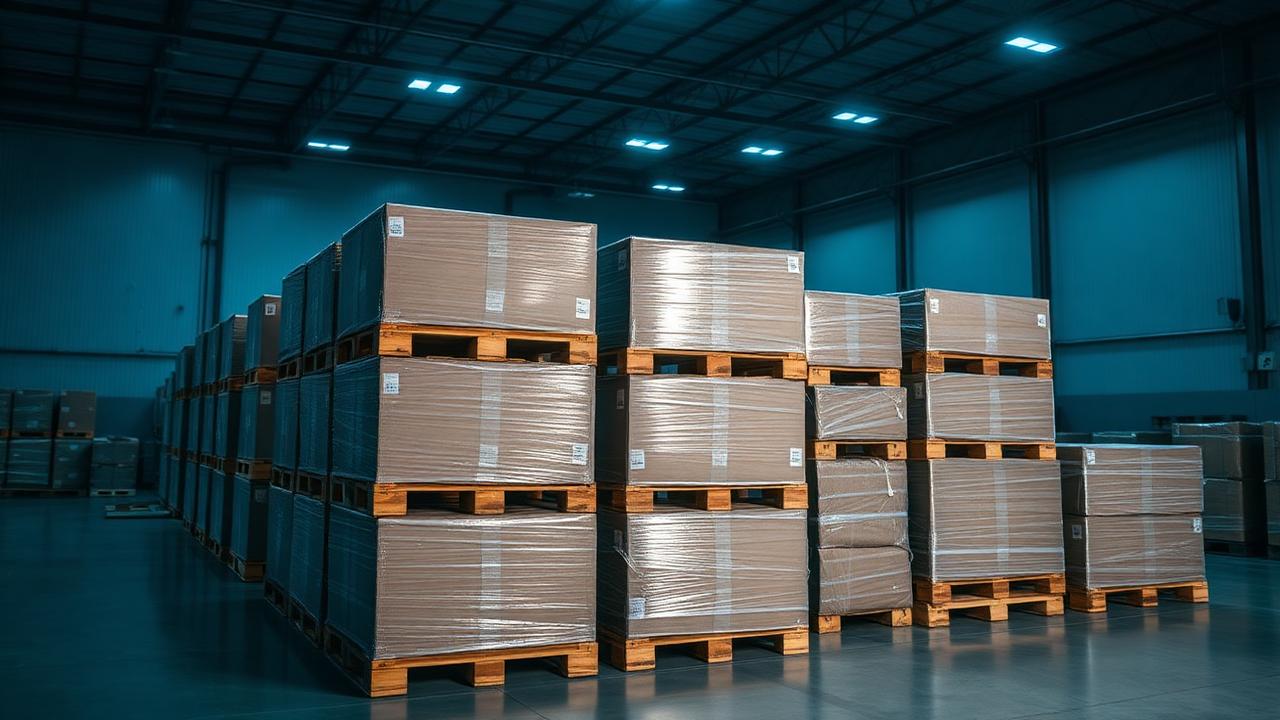
Shipping costs kill more reseller margins than bad inventory. Bulq offers flat-rate shipping on smaller case lots (typically around $30 per case), but full pallets move via Less-Than-Truckload freight. LTL freight rates currently run between $0.80 and $2.50 per mile depending on fuel surcharges and lane density.
If you lack a commercial loading dock or a forklift, accessorial fees stack up quickly. A residential delivery fee runs between $50 and $100. A liftgate service fee adds another $50 to $75. A limited-access delivery fee adds another $30 to $60. If you do not account for these before submitting your bid, your margin evaporates before the truck even backs down your driveway.
Reading Manifests When Learning How to Flip Bulq Pallets
Bulq guarantees 98% manifest accuracy for item count and condition grade. If more than 2% of the lot is missing or radically misgraded, you can file a claim. However, accuracy on item identity does not equal market value.
Ignore the column labeled MSRP. It is a historical ghost number. A vacuum cleaner that retailed for $299 four years ago might sell brand-new on eBay today for $110, while an uninspected return version commands $45.
To figure out what a manifest is actually worth, run the high-value stock keeping units through historical resale databases or a manifest analysis tool like PalletIQ. Pay attention to actual category recovery rates across secondary markets:
- Consumer Electronics: 25% to 40% of retail value
- Power Tools and Hardware: 30% to 45% of retail value
- Small Kitchen Appliances: 20% to 35% of retail value
- Apparel and Footwear: 8% to 15% of retail value
- Home Goods and Furniture: 15% to 25% of retail value
If a $4,000 MSRP consumer electronics pallet carries an asking price of $1,200 plus $250 freight, walk away. At a 30% realistic recovery rate, your gross sales expectation is $1,200. After freight and marketplace platform fees, you are taking a guaranteed loss.
| Resale Channel | Average Platform Fee | Typical Buyer Profile | Best Inventory Types |
|---|---|---|---|
| eBay | 13.25% + $0.30 | National, deal-seekers | Electronics, small appliances, specialized tools |
| Amazon | ~15% | Convenience-focused | Brand new, sealed, original packaging goods |
| Mercari | ~10% total fees | Value shoppers, casual | Clothing, small home decor, compact electronics |
| Facebook Marketplace | 5% (or 0% local cash) | Local pick-up, immediate cash | Heavy tools, bulky furniture, oversized lawn equipment |
A Worked Reseller P&L on a Bulq Pallet
Let us look at the actual numbers from a recent 48-unit Uninspected Returns lot featuring small home electronics and appliances.
The Upfront Capital Investment
- Winning Bid: $620.00
- Freight Cost (LTL distance rate): $165.00
- Residential Accessorial Fee: $50.00
- Liftgate Accessorial Fee: $50.00
- Total Landed Cost: $885.00
Manifest Breakdown and Processing Outcome
Out of 48 manifest line items, our breakdown after physical inspection, testing, and cleaning looked like this:
- 14 units: Fully functional, complete packaging. Sold on eBay. Gross revenue: $980.00
- 18 units: Functional with minor cosmetic flaws or non-original boxes. Sold locally via Facebook Marketplace for cash. Gross revenue: $610.00
- 8 units: Missing key parts or damaged packaging. Sold as a discounted "as-is" local bundle to a flea market vendor. Gross revenue: $140.00
- 8 units: Completely dead, trash, or unfixable salvage. Gross revenue: $0.00
- Total Gross Resale Revenue: $1,730.00
Sales Costs and Platform Fees
- eBay Seller Fees (13.25% + fixed transactions): $134.10
- Out-of-pocket shipping subsidies (calculated shipping overages): $112.00
- Facebook Marketplace fees / local pickup expenses: $0.00
- Bubble wrap, boxes, packing tape: $35.00
- Total Selling Costs: $281.10
Net Reseller Margin
- Gross Revenue: $1,730.00
- Minus Landed Cost ($885.00): $845.00
- Minus Selling Costs ($281.10): $563.90
- Net Cash Profit: $563.90
- Return on Investment (ROI): 63.7%
Notice that eight units, 16.6% of the pallet, went straight to recycling. If we had built our financial projection on 100% yield, our projected margin would have collapsed. Always factor in a 15% to 20% scrap rate on uninspected return lots.
Sourcing and Processing Workflows: How to Flip Bulq Pallets
Speed determines your hourly wage when processing liquidation stock. If you spend two hours researching a $15 item, you are losing money.
Set up a standardized receiving station before the delivery truck arrives. You need a dedicated workbench, a power strip with surge protection, a kill-a-watt meter to check draw, isopropyl alcohol, microfiber towels, Goo Gone, a box cutter, and pre-purchased shipping boxes in common sizes.
Process the pallet in four distinct passes:
- The Triage Pass: Cut the shrink wrap. Group the items into three piles: pristine condition, needs testing, and obvious trash.
- The Testing Pass: Power on electronics. Fill coffee makers with water to test pumps. Check tool chucks and battery chargers. Attach color-coded masking tape to mark functional status.
- The Cleaning and Packing Pass: Remove shipping labels from retail boxes. Wipe off grease and dust. Bag small accessories into poly bags so parts do not get lost.
- The Listing Pass: Photograph items in a bright area with a neutral white background. Write short descriptions focusing on functional condition and missing accessories rather than marketing fluff.
List high-value items on national marketplaces like eBay or Mercari immediately. Move heavy, low-margin, or fragile items to local channels like Facebook Marketplace or OfferUp to save on shipping hassle and instantly recoup your original freight costs.
Where Resellers Burn Out
The primary failure mode in flipping Bulq inventory is holding dead stock too long. Liquidation buyers get attached to what an item *should* be worth. They list a returned food processor for $80 because retail is $160, then watch it collect dust on a shelf for six months.
If an item sits for 30 days without views or offers, cut the price by 20%. If it sits for 60 days, drop it to break-even just to free up cash flow and storage space. Liquidation is a high-velocity cash flow business. Stagnant boxes on your shelves prevent you from buying the next profitable pallet.
Another trap is over-estimating your personal labor capacity. Processing a 50-unit pallet takes anywhere from 8 to 15 hours of solid physical labor. If you work a full-time job and can only dedicate four hours a week to reselling, a full LTL shipment will quickly overwhelm your living space.
Once you learn how to flip bulq pallets systematically, evaluating manifests cold, pricing in freight accessorials, expecting scrap rate, and moving inventory quickly, liquidation becomes a repeatable business rather than a financial gamble.
Does Bulq refund you if items are missing from the manifest?
Yes, Bulq offers a manifest accuracy guarantee. If the total value of missing or misgraded items exceeds 2% of the lot's total value, you can submit a claim through their customer service portal within 7 days of delivery. You must provide clear photos of the items, shipping labels, and a detailed breakdown of the discrepancies.
Are Bulq cases better for beginners than full pallets?
Case lots are significantly safer for new resellers. They ship via standard parcel delivery like FedEx or UPS, eliminating expensive LTL freight accessorials like liftgate and residential delivery fees. Cases require lower upfront cash outlay and fit easily in a closet or spare room while you test your local and online sales channels.
What equipment do I need to unload a Bulq pallet at home?
If you do not have a pallet jack and a smooth paved driveway, request liftgate service at checkout. The delivery driver will drop the pallet onto your driveway using their hydraulic gate and a manual pallet jack. From there, you need a box cutter, work gloves, and a hand truck or rolling cart to break down the pallet and move individual boxes into your workspace.
Pallet IQ Editorial Team
We buy, grade and resell liquidation pallets, then turn what we learn into the tools on Pallet IQ. Every guide here comes from real manifests, real bids and real sell through numbers.
Written August 13, 2026, last reviewed October 19, 2026