Flipping Kohl's Liquidation Pallets for Real Profit
Kohl's inventory looks tempting on paper until you realize half the manifest is Croft & Barrow overstock. Here is how we actually turn a margin on these lots.
By Pallet IQ Editorial Team
Published · Updated
 Liquidation Sourcing
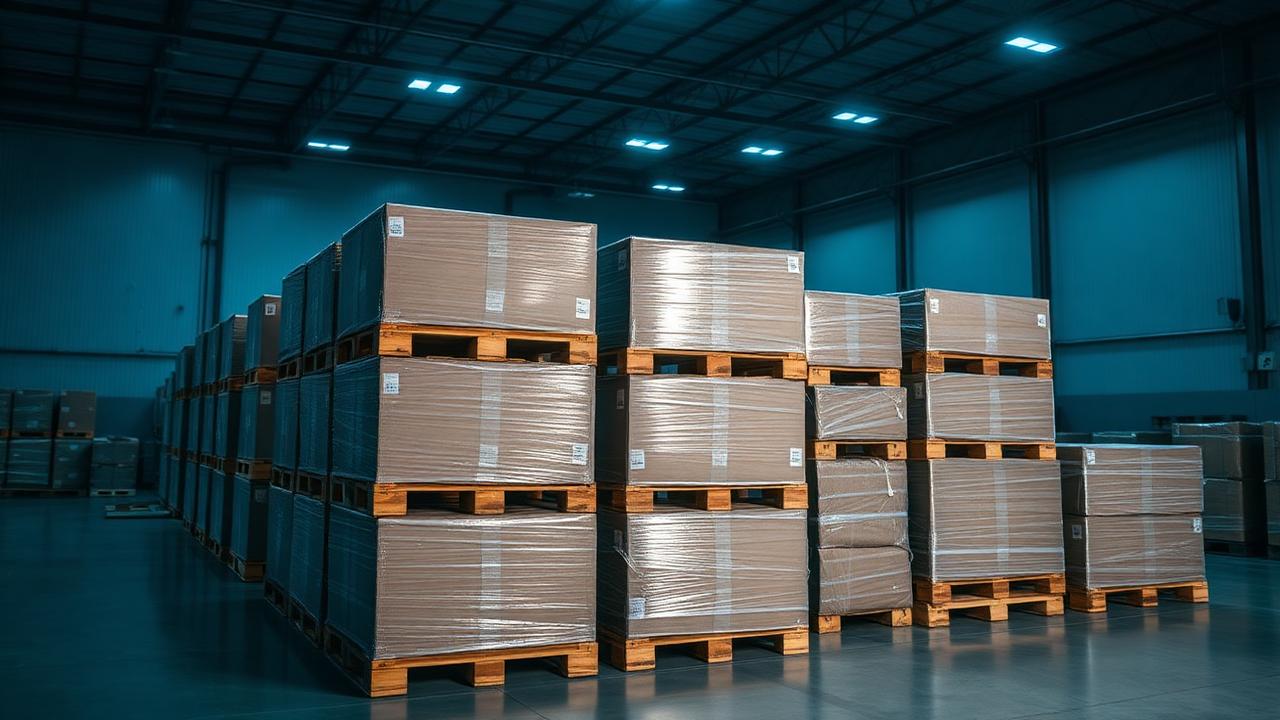
Three years ago, a dry-van trailer backed up to our dock and dumped four tall pallets from a Kohl's regional distribution center in Ohio. We paid $1,450 for the lot plus $420 in LTL freight, expecting a clean mix of Ninja blenders, Levi's jeans, and Keurig coffee makers. What we actually got was two gaylords filled with wrinkled Sonoma t-shirts, eight missing-part air fryers, and forty pairs of Croft & Barrow slacks missing their waist tags.
We made $112 on that entire shipment after three months of listing, washing, and testing. It was a brutal lesson in retail liquidation.
If you want to know how to flip kohls liquidation pallets today, you cannot rely on the total retail value printed on the top of the manifest. Kohl's inventory behaves differently than Amazon or Target returns. The margin exists, but finding it requires knowing how to separate their high-demand national brands from house labels that rot on listing platforms for six months.
What Makes Kohl's Inventory Different
Kohl's relies heavily on proprietary store brands alongside major national names. When you bid on a raw customer return lot or an overstock load, you are getting a mix of both.
Private labels like Sonoma Goods for Life, Croft & Barrow, Apt. 9, Lauren Conrad, and Jumping Beans make up a massive percentage of these manifests. These items carry high original retail tags, often $40 to $60 for a sweater, but their real market value on eBay or Poshmark is $8 to $14. If you price your bids assuming an apparel recovery rate of 30%, you will go broke. Realistic recovery on Kohl's private-label apparel sits at 8% to 15% of original MSRP.
National brands inside those same lots are where you recover your cost basis. Levi's, Nike, Under Armour, Food Network cookware, Shark vacuums, and Calphalon sets pull much higher resale values. Electronics and small appliances routinely see 25% to 40% recovery, assuming the units power on and include essential accessories like cords and lids.
Grading Kohl's Lots Before You Bid
Liquidators generally classify Kohl's inventory across four primary condition grades:
- Grade A (Overstock / Shelf Pulls): Factory sealed or tag-attached items that never left the store floor. High resale rate, minimal prep time.
- Grade B (Customer Returns - Good): Opened box items with minor shelf wear or missing retail packaging. Items are fully operational with minor cosmetic blemishes.
- Grade C (Customer Returns - Salvage Heavy): Items returned after extended home use. Expect dirty toaster ovens, missing vacuum attachments, or apparel with foundation stains.
- Grade D (Untested Customer Returns / Salvage): Mixed loads dumped straight from store collection cages. Up to 30% of this inventory may be unsellable without cannibalizing parts.
How to Flip Kohls Liquidation Pallets Without Losing Your Shirt
The manifest is your only shield against bad lots. Never buy an unmanifested Kohl's pallet unless you are paying scrap-metal prices or getting it for under $150 at a local warehouse pickup.
When reviewing a manifest, run the items through a manifest analysis tool like PalletIQ to instantly split house brands from tier-one national labels. Look for high-density manifest lines, lots that contain 10 units of the same Ninja blender model rather than 80 single-item garments from three seasons ago.
Do not let high total MSRP fool you. A manifest claiming $12,000 in retail value packed with 400 pieces of women's fast-fashion apparel will yield less net cash than a $4,000 manifest containing 35 clean floor-care units.
Analyzing the Numbers: A Real Kohl's P&L
Let's break down a real, single-pallet purchase of mixed Kohl's small appliances and kitchenware sourced through a major liquidation broker:
- Manifest MSRP: $4,850.00
- Winning Bid: $725.00
- Broker Buyer's Premium (10%): $72.50
- LTL Freight ($1.65 per mile across 350 miles): $577.50
- Freight Accessorials (Residential Delivery + Liftgate): $125.00
- Total Cost Basis: $1,499.00
Now let's trace what happens when the pallet lands on your shop floor and gets sorted:
- Total Units on Manifest: 42
- Fully Functional Units (Sellable on eBay/Mercari): 28 units averaging $45 gross sale price = $1,260.00
- Minor Defect Units (Flea Market / Local Sale): 8 units averaging $20 gross sale price = $160.00
- Broken / Salvage Units: 6 units = $0.00
- Gross Resale Revenue: $1,420.00
- Marketplace Selling Fees (Avg 13.25% + $0.30 per transaction on eBay): $175.35
- Outbound Shipping Costs (Subsidized by buyer, net cost to seller): $65.00
- Net Realized Revenue: $1,179.65
- Net Profit / Loss: -$319.35
Notice what happened? That lot was a net loss. The culprit was not the winning bid, it was the $702.50 in total freight costs paired with a 14% salvage rate. To turn a profit on that lot, you needed either local warehouse pickup to kill the freight charge or a purchase price under $350.
Comparing Kohl's Inventory Categories
Different departments inside Kohl's present radically different processing times, fee structures, and profit margins.
| Category | Recovery Rate (% MSRP) | Top Resale Channels | Prep Effort | Risk Profile |
|---|---|---|---|---|
| Small Kitchen Appliances | 25% - 40% | eBay, Mercari, Local | High (Testing/Cleaning) | Moderate (Missing parts) |
| National Brand Apparel | 20% - 35% | Poshmark, eBay, Whatnot | Low (Polybag/Hang) | Low (Sizing returns) |
| Private Label Apparel | 8% - 15% | Flea Market, Local Lots | High (Bulk Sorting) | High (Low demand) |
| Bedding & Soft Home | 12% - 22% | Facebook Marketplace | Low (Visual Check) | Low (Stains/Hygiene) |
| Floor Care / Vacuums | 30% - 45% | eBay, Local Pickup | Very High (Sanitizing) | High (Motor failure) |
Step-by-Step Execution: How to Flip Kohls Liquidation Pallets for Margin
Processing Kohl's inventory requires a disciplined triage workflow the second the shrinkwrap comes off.
First, sort by velocity and channel. Pull out every national brand item immediately. These go straight to your testing bench or staging rack. Clean the item, photograph model numbers, check every knob or strap, and get them listed on eBay or Mercari within 48 hours. This is your capital recovery phase. You want to pay off the cost of the pallet and freight as fast as possible.
Second, bundle low-value house brands. Do not waste individual listings, box inventories, and photo time on a single Croft & Barrow polo shirt. Group same-size Sonoma or Apt. 9 clothing into lot listings of 5 to 10 items on Poshmark or eBay. Alternatively, bag them in clear poly sleeves and move them in bulk at local flea markets or on Facebook Marketplace for $3 to $5 a piece cash.
Third, handle damaged returns with cold logic. If a Shark steam mop is missing its handle and water tank, do not spend three weeks hunting down replacement parts on wholesale sites. List the main motor body on eBay as "For Parts / Repair." Mechanics and tinkerers buy bare tool bodies and vacuum motors all day long. You recoup $15 or $20 on an item you would otherwise throw in the dumpster.
Where Kohl's Pallet Flipping Goes Off the Rails
The single biggest failure mode in flipping Kohl's lots is freight miscalculation combined with seasonal lag.
LTL freight rates fluctuate based on diesel surcharges, distance, and facility access. A quote might look fine at $300 until the carrier adds a $75 liftgate charge because you lack a loading dock, a $50 residential delivery fee, and a $40 limited-access fee because your workshop is in a commercial park with tight turns. That single delivery suddenly costs $465 instead of $300, instantly wiping out your gross margin.
The second trap is buying seasonal clothing out of phase. Kohl's clearancing schedules mean liquidation brokers dump winter puffer jackets and heavy fleece in late March and April. If you buy four pallets of winter coats in April, you are paying cash now to store 300 cubic feet of bulky inventory in your shop until October. Your capital is frozen, your floor space is occupied, and if fashion trends or brand labels update in the fall, your inventory loses value while sitting on the shelf.
When learning how to flip kohls liquidation pallets, treat your space and cash flow as finite resources. If a lot cannot pay for itself within 45 days, pass on the auction and wait for a manifest that fits your processing capacity.
Frequently Asked Questions
Where do brokers buy Kohl's liquidation pallets?
Brokers buy direct contracts through primary liquidation auctions and return logistics hubs. They buy full truckloads, typically 24 to 26 pallets, and break them down to sell as individual pallets to small resellers, marking up each lot to cover their handling and profit.
Do I need a resale certificate to buy Kohl's liquidation lots?
Yes. Most reputable liquidation platforms and direct brokers require a valid state resale certificate before you can place bids or waive sales tax. Buying without a resale certificate means paying local sales tax on top of your bid price, which directly eats into your net margin.
What is the best platform to sell Kohl's returns?
It depends on the item category. Sell national brand electronics, floor care, and cookware on eBay. List brand-name apparel on Poshmark or Mercari. Sell private-label clothing, open-box bedding, and bulky items locally on Facebook Marketplace or at flea markets to eliminate shipping fees entirely.
Pallet IQ Editorial Team
We buy, grade and resell liquidation pallets, then turn what we learn into the tools on Pallet IQ. Every guide here comes from real manifests, real bids and real sell through numbers.
Written August 10, 2026, last reviewed October 19, 2026