Best Places to Buy B-Stock Pallets for Profit
A veteran reseller breaks down which B-Stock auction storefronts deliver real profit margins and which ones will wreck your cash flow with high freight.
By Pallet IQ Editorial Team
Published · Updated
 Liquidation Sourcing
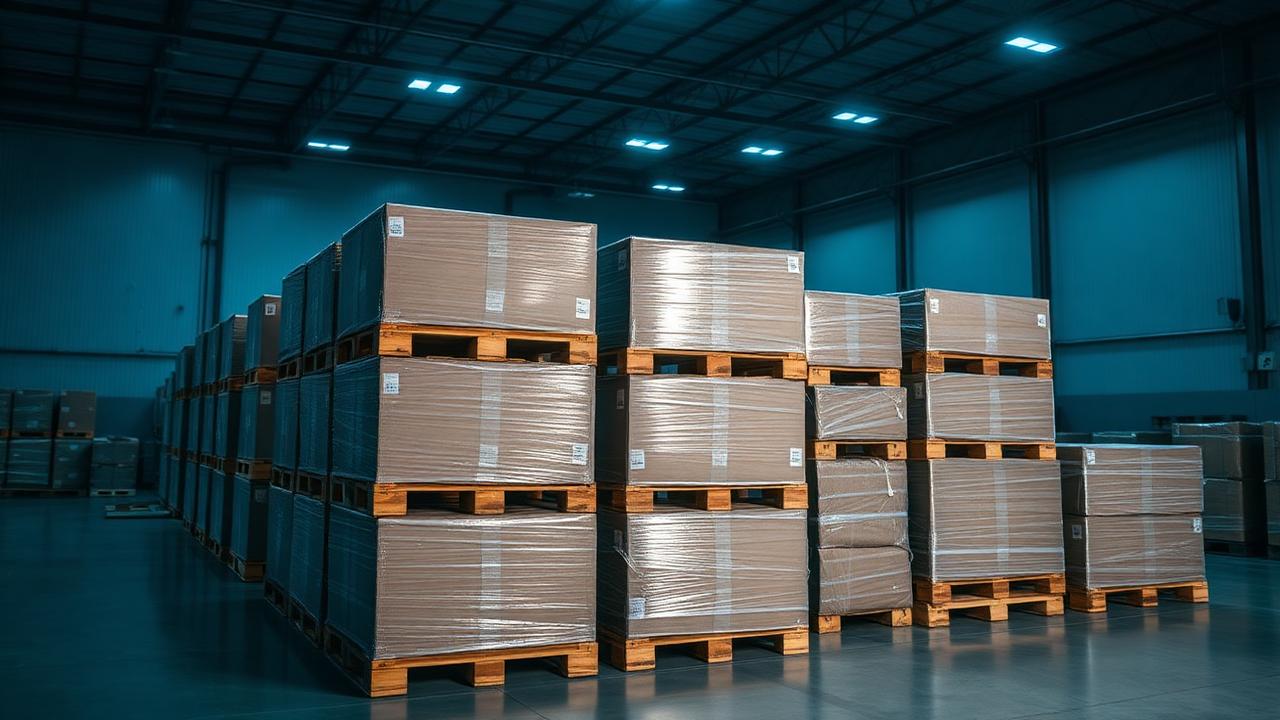
We loaded a 26-pallet truckload out of an Amazon return center in Joliet last March and paid $4,200 in freight alone because the driver sat at the gate for three hours while accessorial fees ticked up. That lot ended up turning a modest profit, but it taught us a hard lesson. Finding the best places to buy b-stock pallets is less about finding secret websites and more about knowing which retailer storefronts wont ruin your cash flow with hidden logistics costs and over-graded junk.
B-Stock is not a single warehouse. It is a network platform that hosts official liquidation storefronts for major retailers like Target, Walmart, Home Depot, and Wayfair. Each storefront operates under its own contract rules, grading standards, and shipping setups. If you buy blindly across the network without knowing how these storefronts differ, you will burn through your sourcing capital fast.
Understanding B-Stock Auctions and Retailer Storefronts
When you register on the main B-Stock Supply network, you get access to both private retailer portals and the open market B-Stock Supply platform. Private portals require individual approval from each brand. Target Auctions, Home Depot Liquidation, and Wayfair Supply operate as separate walled gardens on the network.
Condition grades on B-Stock generally run from Grade A down to Grade D, along with Uninspected Returns. Grade A means pristine, overstock, or box-damaged goods that never left the retail chain. Grade B covers light open-box items with minor cosmetic issues or missing manuals. Grade C and D inventory usually means heavy customer wear, missing core parts, or outright salvage.
Do not expect uniform grading across different retailers. A Grade B lot from Home Depot often looks brand new because it was an online order refusal that sat in a carrier terminal. A Grade B lot from a fast-fashion or budget apparel chain might look like it survived a house fire. You have to know the retailer standard before you submit a bid.
Category recovery rates fluctuate wildly across these portals. Electronics generally resell at 25-40% of original MSRP due to test requirements and missing accessories. Apparel drags behind at 8-15% because listing individual garments takes huge labor hours. Power tools and hardware consistently hit 30-45% of retail price because buyers on eBay and Facebook Marketplace care about function over pristine packaging.
Top Retailer Storefronts: The Best Places to Buy B-Stock Pallets Directly
Not every auction portal on the platform deserves your working capital. Here is how the primary B-Stock storefronts stack up for independent resellers who need predictable returns.
Target Auctions is one of the best places to buy b-stock pallets if you sell across multiple channels. They liquidate mixed merchandise, household goods, and apparel. Their manifests are generally tight, meaning item counts and descriptions align well with what lands on your dock. Freight is managed through B-Stock or prepaid carrier options, which keeps delivery quotes relatively predictable.
Home Depot Liquidation Supply is our top pick for raw recovery value if you have garage space and basic repair skills. These lots consist heavy on power tools, outdoor equipment, and hardware. You will run into heavy freight charges because outdoor power equipment takes up pallet height and floor weight, but the resale velocity on eBay and local marketplaces is higher than almost any other category.
Wayfair Supply offers massive volume, but it comes with serious storage traps. You are buying bulky furniture, vanities, and lighting fixtures. If you lack a commercial dock or a box truck, Wayfair loads will crush you on residential delivery and liftgate fees. However, if you sell locally on Facebook Marketplace or operate a physical discount warehouse, these lots offer high gross margins because the original MSRPs are heavily inflated.
Walmart Restock is a high-volume option with mixed results. You will find small appliance lots, toy loads, and electronics. The trap here is lot sizing. Walmart frequently bundles smaller regional returns into massive truckloads or multi-pallet lots that contain high ratios of broken plastic goods. You need strict sorting processes to clear these loads quickly.
| Retailer Storefront | Avg Recovery Rate | Freight Risk Level | Primary Resale Channel |
|---|---|---|---|
| Target Auctions | 20% - 32% | Medium | eBay, Local Flea Market |
| Home Depot Liquidation | 30% - 45% | High | eBay, Facebook Marketplace |
| Wayfair Supply | 15% - 28% | Very High | Local Warehouse, OfferUp |
| Walmart Restock | 18% - 30% | Medium | Discount Store, Amazon FBM |
| B-Stock Supply (Open Market) | 12% - 25% | Low to High | eBay, Mercari |
The Math Behind B-Stock Profits: Worked P&L Example
To understand whether a lot is worth buying, you must run the complete numbers before the auction clock runs out. Never bid based on retail MSRP alone. Calculate your net profit by subtracting freight, accessorials, marketplace fees, and processing labor from your expected category recovery value.
Here is a real P&L breakdown for a 4-pallet lot of mixed customer-returned power tools sourced from an Indiana regional distribution center.
Order & Logistics Cost Basis
- Winning Auction Bid: $1,400.00
- LTL Freight Charges (420 miles): $380.00
- Liftgate Accessorial Fee: $65.00
- Residential Delivery Accessorial Fee: $75.00
- Total Out-of-Pocket Cost Basis: $1,920.00
Inventory & Resale Projections
- Manifest Retail MSRP: $8,400.00 (42 individual units)
- Target Hardware Recovery Rate (38% realistic): $3,192.00 projected gross revenue
- Manifest Audit Result: 31 units test fully functional, 6 units require minor parts/cleaning, 5 units scrapped for salvage/parts.
Platform Fees & Shipping Costs
- eBay Marketplace Fees (13.25% average + $0.30 per transaction across 37 sold units): $434.00
- Shipping Supplies & Boxes ($2.00 average per unit): $74.00
- Total Selling Expenses: $508.00
Net Profit Calculation
- Gross Sales Recovered: $3,192.00
- Less Selling Expenses: -$508.00
- Net Payout Received: $2,684.00
- Less Total Out-of-Pocket Cost Basis: -$1,920.00
- Final Net Cash Profit: $764.00
- Return on Capital Invested: 39.8%
This lot makes sense because the tool category supports a 38% recovery rate and the freight distance was under 500 miles. If that same lot had to ship 1,500 miles across the country, freight would have pushed past $900, cutting the net profit down to $244. That is too much labor risk for a few hundred bucks.
Using a manifest analysis tool like Pallet IQ before submitting your final bid will highlight which lines carry the real margin and flag items with low resale velocity.
How This Goes Wrong: The B-Stock Trap
The fastest way to lose money on B-Stock is ignoring logistics accessorials. When an LTL carrier brings a pallet to your house or small shop, they do not bring it inside for free. If you do not have a commercial dock or a forklift, you must pay for a liftgate service. That costs $50 to $75 per shipment. If your facility sits in a zone classified as limited-access or residential, add another $50 to $100.
We once watched a new reseller win a two-pallet lot of small electronics out of Georgia for $450. They thought they scored a bargain. Then the freight quote landed at $620 because of residential delivery, liftgate service, and a limited-access detention fee. Their cost basis jumped from $450 to $1,070 before the pallets even hit their driveway. After testing the gear, half of it was dead, and they cleared $800 total sales. They paid $270 out of pocket for the privilege of working twenty hours.
Another major failure mode is bidding on unmanifested loads without a local retail outlet. Unmanifested merchandise means you get a general description like high-value general merchandise and a box count, but no itemized list. If you rely entirely on eBay or Poshmark where every item requires individual testing, photography, and detailed title creation, unmanifested loads will kill your operational efficiency.
Overbidding in the final ten minutes of an auction is the third trap. B-Stock uses dynamic closing. If anyone bids in the final three minutes, the auction extends by another three minutes. New buyers get caught in bidding wars, pushing auction prices up to 50% of MSRP. At 50% of MSRP on customer returns, your profit margin is completely gone once marketplace fees hit.
How to Filter the Best Places to Buy B-Stock Pallets for Your Warehouse Setup
To keep your operation profitable when evaluating the best places to buy b-stock pallets for your specific setup, stick to strict purchasing rules. Stop treating auctions like gambling and treat them like procurement contracts.
First, filter lots by shipping distance. Draw a 500-mile radius around your warehouse or storage unit. Prioritize distribution centers within that circle. Keeping LTL freight under $400 per shipment allows you to absorb higher auction bids while protecting your net margin.
Second, match inventory grade to your operational space. If you operate out of a two-car garage, do not buy Grade C Wayfair furniture or unmanifested Walmart box trucks. You will run out of floor space before you can test and list the inventory. Focus on high-density, small-footprint lots like power tools, small kitchen appliances, or high-end consumer tech.
Third, factor marketplace fees directly into your max bid formula. If you sell primarily on eBay, calculate 13.25% plus $0.30 per item. If you use Amazon FBM, budget 15%. If you liquidate locally via Facebook Marketplace, your platform fees drop to zero, but your selling prices will generally sit 20% lower than online market rates.
Stick to these operational rules, respect the real cost of freight, and never bid past your target price. That is how you turn liquidation auctions into a steady, reliable reselling business.
What condition grade should beginner resellers buy on B-Stock?
Beginners should stick to Grade A or Grade B overstock and open-box lots. Avoid uninspected customer returns or Grade C/D salvage until you have established a reliable workflow for testing, repairing, and harvesting spare parts.
How does freight work on B-Stock auctions?
B-Stock offers both buyer-arranged freight and B-Stock quotes via integrated carriers. You will see estimated shipping costs on the auction page based on your zip code. Always check accessorial options like liftgate and residential delivery before placing your final bid, as these add $100 or more to the final shipping invoice.
Do I need a resale certificate to buy from B-Stock?
Yes. Almost all official retailer storefronts on the B-Stock network require a valid state resale certificate or tax exemption form during account registration. This allows you to purchase inventory without paying upfront sales tax, provided you collect tax or resell through registered marketplace platforms.
Pallet IQ Editorial Team
We buy, grade and resell liquidation pallets, then turn what we learn into the tools on Pallet IQ. Every guide here comes from real manifests, real bids and real sell through numbers.
Written August 31, 2026, last reviewed October 19, 2026