Best Places to Buy Appliance Liquidation Pallets
We bought a 28-unit small appliance lot out of a Georgia warehouse and learned the hard way which sourcing platforms actually deliver clean manifests and workable freight.
By Pallet IQ Editorial Team
Published · Updated
 Pallet Sourcing
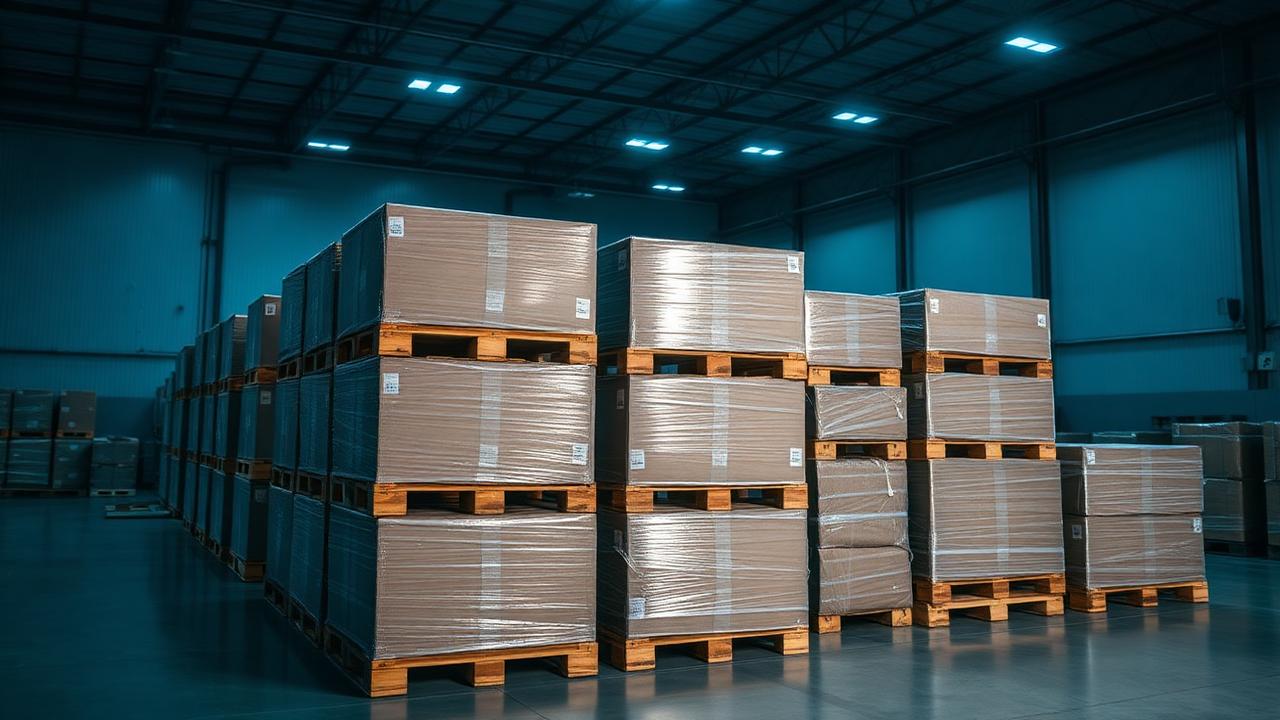
The liftgate dropped three oversized pallets onto my driveway on a humid Tuesday in July. On paper, it was a 28-unit mixed countertop appliance lot out of a Georgia regional distribution center. In reality, four Ninja dual-zone air fryers had cracked housing, three DeLonghi espresso machines had smashed water reservoirs, and two heavy microwaves were missing their internal glass turntables entirely. After paying $1,120 for the lot and $410 in residential LTL freight with a liftgate charge, my margin collapsed before I even wiped down the first unit.
If you want to survive flipping consumer goods, finding the best places to buy appliance liquidation pallets requires knowing where the inventory originates, how each auction site handles manifests, and what the shipping line item actually costs you. Small appliances like toaster ovens, pressure cookers, and high-end blenders can deliver strong returns if you source from reliable platforms. Major appliances like washers and refrigerators require a totally different infrastructure.
The Real Source Channels for Liquidation Appliances
Appliance liquidations flow through three distinct channels: direct retailer liquidation auction portals, general wholesale auction marketplaces, and regional asset recovery liquidators. Each channel has distinct minimum order quantities, freight structures, and grading accuracy.
Understanding the difference between an uninspected customer return (Grade C or D) and a carrier damage or box-damaged lot (Grade B) is essential. In the liquidation glossary, customer returns mean the unit was in a buyer's home, plugged in, used, and possibly returned because it stopped heating. Box-damage lots, on the other hand, are often pristine inventory with a ripped carton.
Here is how the top platforms compare for sourcing appliance inventory:
| Marketplace / Source | Typical Lot Size | Appliance Categories | Freight Model | Best For |
|---|---|---|---|---|
| Home Depot / Lowe's B-Stock | 1 to 26 Pallets | Major & Small Appliances | Buyer Arranged / Prepaid LTL | High volume repair & resale shops |
| Liquidation.com | 1 to 4 Pallets | Small Countertop Appliances | Platform Freight / Local Pick | Small shops & eBay resellers |
| Target / Walmart Direct B-Stock | Truckloads / Multi-Pallet | Mixed Small Appliances | Buyer Arranged Freight | Regional warehouses & high-turn sellers |
| Local Wholesale Brokers | Single Pallets | Mixed Appliances & Housewares | Local Pickup (No Freight) | Beginners minimizing freight risk |
When evaluating these channels, look at where the product sits. Sourcing through B-Stock auctions lets you buy directly from official retail supply chains, which usually means less manifest tampering than buying from a middleman broker who picked through the high-value items first. However, direct retail portals often enforce strict truckload or multi-pallet minimums that require commercial dock access.
For smaller buyers, platforms like Liquidation.com marketplace offer single-pallet auctions. The trade-off is higher freight fees relative to the lot value and higher variance in actual item condition.
Finding the Best Places to Buy Appliance Liquidation Pallets
To narrow down the best places to buy appliance liquidation pallets for your business model, you have to align your operational space with the physical size of the merchandise.
Countertop appliances (coffee makers, air fryers, food processors) ship well and fit on standard 48x40 pallets. They sell fast on platforms like eBay or Mercari. Major white goods (washers, dryers, French-door refrigerators) take up massive warehouse footprints, require two-person handling, and depend heavily on local Facebook Marketplace or local showroom sales.
According to the NRF returns research, retail return rates consistently exceed 14% across general merchandise, with appliances suffering higher return rates during holiday quarters. That volume spills directly into the secondary market, creating constant supply across several major liquidation hubs.
If you are shipping via LTL (Less-Than-Truckload), always calculate your accessorial charges before submitting a bid. Our shipping cost calculator can help you budget for residential delivery fees ($50-$100), liftgate fees ($50-$75), and limited-access charges ($30-$60). Real density matters. Appliance pallets are often bulky but light, which pushes them into higher LTL freight classes, raising your shipping costs rapidly.
Worked P&L: Analyzing a Mixed Small Appliance Lot
Let us break down a real manifest to see if a lot is worth buying. This example represents a 24-unit mixed countertop appliance pallet sourced from a national retailer's auction portal.
Lot Details:
- Category: Mixed Small Appliances (Ninja, Breville, Instant Pot, Keurig)
- Grade: Customer Returns (Grade C)
- Original Estimated Retail Value: $3,200
- Winning Bid: $650
- Buyer Premium (10%): $65
- LTL Freight (320 miles, including liftgate): $310
- Total Cost Basis: $1,025
Expected Unit Yield & Realization: In small appliance return lots, historical data shows a 60-70% functional rate out of the box. The remaining 30-40% will need minor repairs, part harvesting, or testing. You can reference our report on recovery rates for category standards.
- Clean / Functional Units (15 units): Average resale value $85 each = $1,275
- Minor Scrap / Part Harvesting Units (5 units): Average resale value $30 each = $150
- Non-working / Trash Units (4 units): $0 recovery = $0
- Total Expected Gross Sales: $1,425
Expenses & Selling Fees: Selling primary units on eBay carries an average fee of 13.25% plus $0.30 per transaction according to the eBay seller fee schedule.
- Marketplace Fees (13.25% on $1,425 + transaction fees): $200
- Shipping Materials (boxes, bubble wrap, tape): $60
- Total Operating Expenses: $260
Net Profit Calculation:
- Gross Sales: $1,425
- Minus Cost Basis ($1,025): $400
- Minus Expenses & Fees ($260): $140
- Net Profit: $140
- Net Return on Investment: 13.6%
Using our pallet ROI calculator, a net profit of $140 on a $1,025 capital outlay represents a slim margin for 24 units of labor. If two more units turn out to be unrepairable trash, the lot turns into a net loss. This demonstrates why bidding caps are critical. Run your math through our maximum bid calculator before placing a bid so you do not get caught up in auction excitement.
The Risk Factor: How Appliance Pallet Deals Go Wrong
Appliance liquidation is notorious for hidden failure modes that do not exist in categories like apparel or books. Here is where resellers get burned most often:
- Cut Power Cords and Missing Parts: Retail processing centers often snip the power cords of returned electrical items to prevent liability or resale. Re-cording a toaster oven or espresso machine takes time, safety testing, and UL-compliant parts. Missing glass plates, water reservoirs, or specialized blades will eat your profit when you buy replacements on eBay.
- Dimensional Freight Surprises: Carrier billing relies on dimensional weight and freight class. If your pallet contains large lightweight boxes (like vacuum cleaners or air fryers), the freight carrier might re-weigh and re-class your shipment. Check FedEx Freight accessorial rates to understand how re-weigh penalties work before booking shipment.
- Unmanifested Trash Lots: Lower-tier brokers buy bulk returns, pull out the high-margin Breville and Vitamix units, replace them with broken non-branded knockoffs, and re-wrap the pallet. If you do not use a manifest analyzer to spot low original retail prices or missing UPCs, you will end up paying freight on worthless plastic.
- Compressor Failure in Refrigeration: Mini fridges, wine coolers, and ice makers frequently suffer sealed system failures during transit or return shipping. A unit might power on and light up, but never cool down. Repairing a sealed refrigerant system requires a licensed technician and costs more than the unit is worth.
How to Evaluate the Best Places to Buy Appliance Liquidation Pallets for Your Shop
Choosing among the best places to buy appliance liquidation pallets comes down to testing your local market and knowing your shop's repair capabilities.
If you have a workbench, multimeter, and basic soldering skills, buying Grade C customer returns from retail-direct portals offers high upside. If you only want to wipe down units and list them immediately, stick to Grade B box-damage or overstock lots from verified distributors.
Before committing capital to a large shipment, review our buying decision guide to build a multi-step inspection framework. Always run potential listings through our marketplace fee calculator so you know your exact break-even cost per item before the freight truck arrives.
What is the difference between Grade B and Grade C appliance pallets?
Grade B appliance pallets typically consist of shelf pulls, overstock, or box-damaged items that were never used by consumers. Most items are fully functional with minor cosmetic carton damage. Grade C pallets consist of customer returns, meaning items were opened, plugged in, and potentially used. Grade C lots require testing, cleaning, and higher loss allowances.
How do I handle freight shipping if I do not have a commercial loading dock?
When ordering LTL freight to a residential location, you must select residential delivery and liftgate service during checkout or shipping setup. A standard freight trailer sits four feet off the ground, so without a loading dock or forklift, the truck driver needs a hydraulic liftgate to lower the pallet to ground level. Expect accessorial fees of $50 to $150 for these services.
Which appliances have the highest resale margins for resellers?
Countertop coffee makers, high-end espresso machines, smart air fryers, and specialized food processors usually yield the highest margin and fastest turnover. These items offer strong brand recognition, moderate shipping dimensions, and solid demand on platforms like eBay and Mercari. Major appliances can yield higher absolute dollar profits per unit, but require local delivery capacity and significant storage space.
Pallet IQ Editorial Team
We buy, grade and resell liquidation pallets, then turn what we learn into the tools on Pallet IQ. Every guide here comes from real manifests, real bids and real sell through numbers.
Written September 2, 2026, last reviewed October 19, 2026